5 places to visit in the Cide district of Kastamonu: Gideros Cove, Ginolu Beach and Cide Castle. Plan your trip to Cide with local food, practical tips and transport information.

Share with friends

Cide is a district of Kastamonu province in the Black Sea Region. The district covers 652 km² and lies at an altitude of 14 metres.

History

Cide’s name appears in Homer’s Iliad. The district has been a county (kaza) since 1868.

Economy

The district’s economy is based on agriculture, livestock farming, forestry and fishing.

History and Culture

Homer’s Iliad epic is said to mention Cide. Cide is the birthplace of the writer Rıfat Ilgaz, author of Hababam Sınıfı. The Gideros Cove area has been registered as a second-degree archaeological site. The name of the cove is thought to come from Kytoros.

Last updated:

Places to Visit in Cide

  • 2 Historic
  • 2 Nature
  • 1 Beach
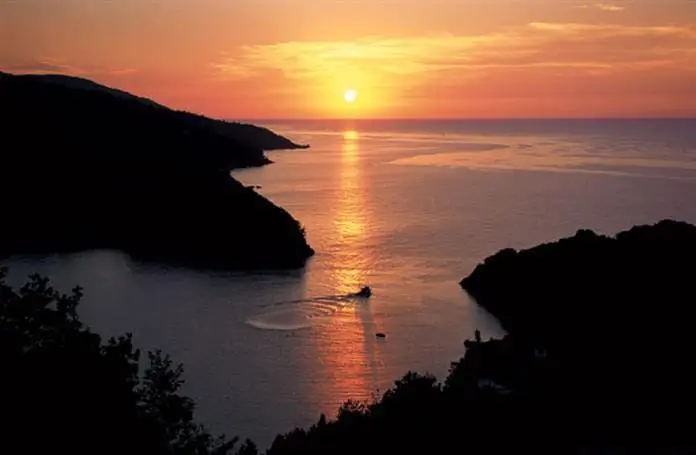
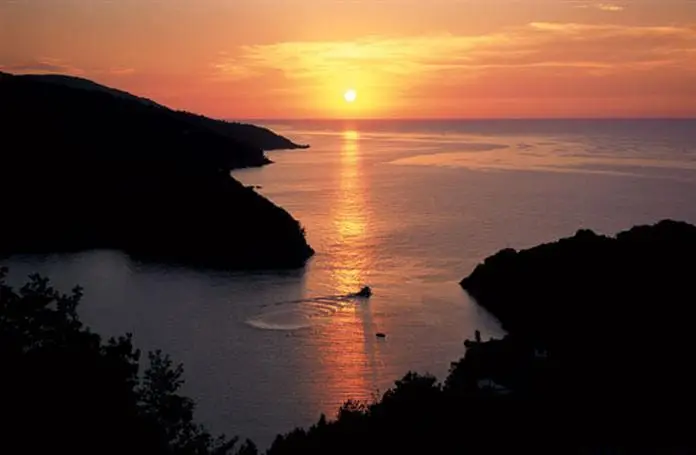
Gideros Cove - Cide Photo: The original uploader was Crebain at Turkish Wikipedia. (CC BY-SA 3.0) · Source
Nature

Gideros Cove

One of the most beautiful coves on the Black Sea, Gideros is notable for its turquoise waters and its natural beauty framed by pine forests. It was used as a harbour in ancient times.

View on map
Nature

Ginolu Beach

Ginolu Beach, west of Cide, is one of the finest beaches on the Black Sea, with a fine sandy shore and clear sea.

View on map
Historic

Cide Castle

A castle built in the Byzantine period on a hill overlooking the sea. Its architectural features and historical importance add to the region's cultural richness.

View on map
Historic

Gideros Castle

Around Gideros Castle there are partly collapsed buildings and walls; Byzantine-period pottery has been identified in surface surveys.

View on map
Beach

Cide Shoreline

There are 11 km of uninterrupted beach in Cide; the Gideros, Aydos, Denizkonak, Uğurlu, Çayyaka, Akbayır and İlyasbey shores are suitable for swimming.

View on map

Places to Visit Around Kastamonu Province

See all →

While you are in Cide, you can also see the highlights of Kastamonu province. These places are in other districts.

  • Kastamonu Castle — Standing on a rock about 860 metres high south-west of the city centre, the castle is believed to have been built in the 10th century by the Byzantine Komnenos family and was repaired in the Candaroğulları period.
  • Kasabaköy Mahmut Bey Mosque — Built in 1366 in the Candaroğulları period in the village of Kasaba, 18 km from Kastamonu, the mosque is known as the "Nail-less Mosque" because no metal nails were used in its wooden roof.
  • Nasrullah Mosque — Built in 1506 by Kadı Nasrullah in the reign of Bayezid II, with its square, ablution fountain and bridge it has the character of a complex; it is the largest mosque in the city from the Ottoman period and its symbol.
  • Kastamonu Archaeology Museum — In the former Committee of Union and Progress club building, a work of the architect Mimar Kemaleddin Bey, the museum displays finds from the Hittite to the Ottoman period.
  • Valla Canyon — At Pınarbaşı, the canyon cut through the Küre Mountains by the Devrekani Stream is about 12 km long and 800 metres deep, among the deepest canyons in Türkiye.
  • Küre Mountains National Park — A national park on the Kastamonu–Bartın border protecting the canyons, caves and old-growth forests of the Western Black Sea karst belt; the Horma Canyon walking trail and Ilgarini Cave are the best-known stops.

Practical Information for Visiting Cide

Suggested time
1-2 days
Best time to visit
Summer months (June-September)
Places to visit
5 places

What to Eat in Cide

Food guide →
  • Cide Ceviz Helvası (Cide walnut halva)

    Cide Ceviz Helvası was registered as a protected geographical indication on 27 September 2020 (TÜRKPATENT registration no. 546). Product group: bakery and pastry products, dough products, sweets. Registered by: Cide Municipality.

  • Cide Tarhanası (Cide tarhana)

    Cide Tarhanası was registered as a protected geographical indication on 7 June 2023 (TÜRKPATENT registration no. 1380). Product group: dishes and soups. Registered by: Cide Municipality.

Culture, Local Products and Economy of Cide

  • Black Sea Coastal Culture

    Cide is a district that keeps alive the fishing and seafaring culture of the Black Sea coast.

Local Products

  • Cide Fındığı (Cide hazelnuts) — Hazelnuts grown around Cide, one of the highest-quality hazelnuts on the Black Sea.

Economy

Cide's economy rests on fishing, hazelnut cultivation and tourism. Gideros Cove and Ginolu Beach generate tourism income.

How to Get to Cide

Cide is 120 km from Kastamonu. There are bus services from Kastamonu.

Get directions on Google Maps Getting to Kastamonu

Cide: Frequently Asked Questions

What is there to see in Cide?

Cide's 5 highlights: Gideros Cove, Ginolu Beach, Cide Castle, Gideros Castle and Cide Shoreline.

What is there to eat in Cide?

Cide Ceviz Helvası and Cide Tarhanası are the standout foods on Cide's tables.

What is Cide famous for?

Cide is known for its Cide Hazelnuts and Black Sea Coastal Culture. Hazelnuts grown around Cide are among the highest-quality hazelnuts on the Black Sea.

How do I get to Cide?

Cide is 120 km from Kastamonu. There are bus services from Kastamonu.

How much time should I set aside for a visit to Cide?

Suggested visit length: 1-2 days. Best time to visit: summer months (June-September).

Continue Your Trip

Other Districts of Kastamonu

Search 81 province guides and 968 district guides.