Pompeiopolis Ancient City
Ancient city founded in 64 BC by the Roman commander Pompey, which became the centre of the province of Paphlagonia. Excavations are ongoing today.
View on map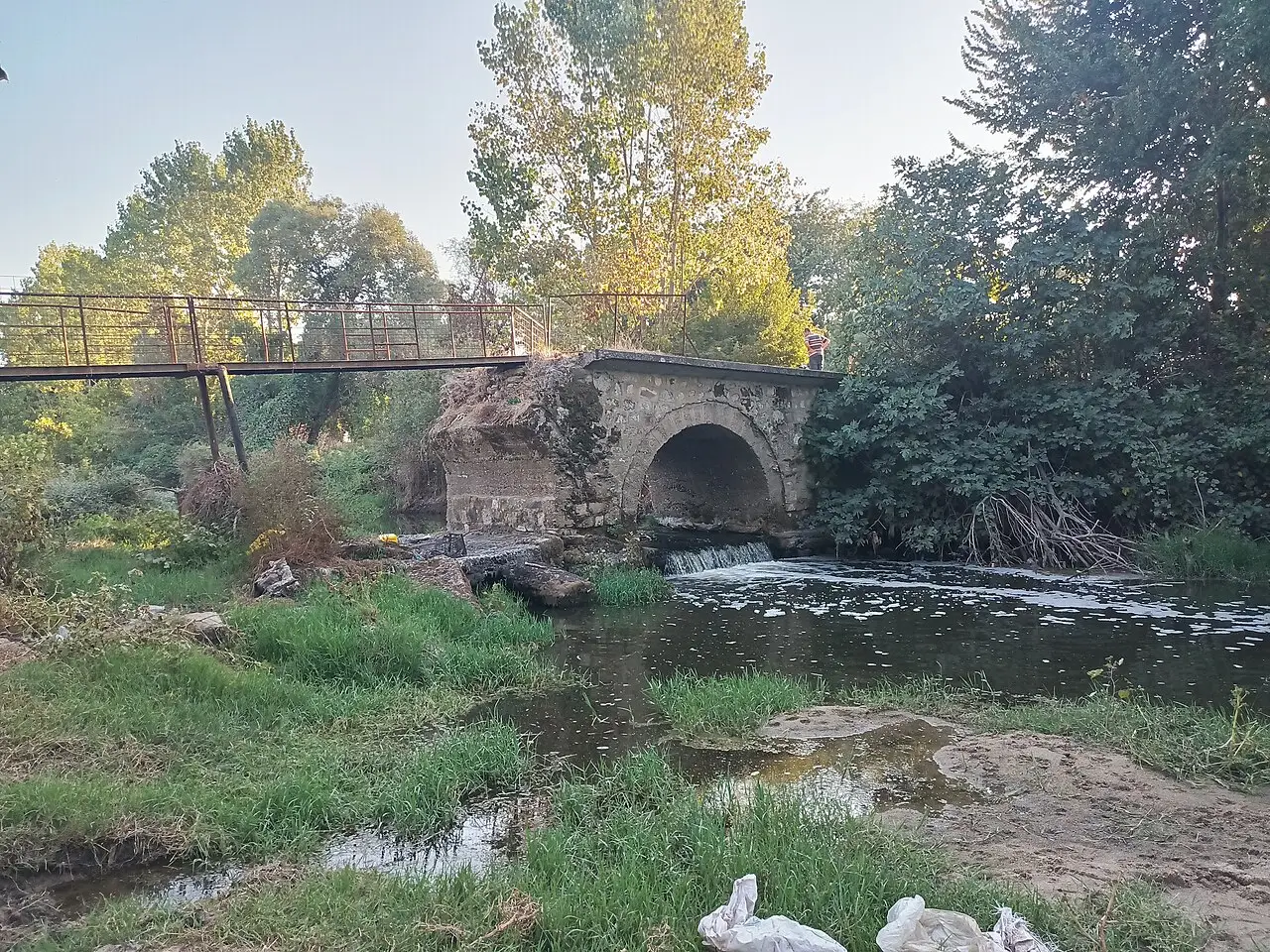 Photo: Talia294 (CC BY-SA 4.0) · Source
 5 places to visit in the Taşköprü district of Kastamonu: Pompeiopolis Ancient City, Taş Köprü and Taşköprü Castle. Plan your trip to Taşköprü with local food, practical tips and transport information.
Taşköprü is a district of Kastamonu province in the Black Sea Region. The district covers 1,758 km², sits at an altitude of 558 metres and has a population of 36,544. It lies on the banks of the Gökırmak. The district takes its name from the seven-arched stone bridge, thought to date from before the Roman period and still in use.
Taşköprü was the centre of ancient Paphlagonia. It came under Roman rule in 64 BC and took the name Pompeiopolis after the Roman commander Pompey. Ruled by the Çobanoğulları and Candaroğulları between 1292 and 1460, the district entered Ottoman rule in 1460 and became a kaza (district) in 1864.
Atatürk visited the district centre on 25 August 1925. After the fire, he sent German architects who had come to plan Ankara to Taşköprü. Today the district has a modern and orderly city plan.
Pompeiopolis Ancient City was founded in 64 BC by Pompey Magnus, according to Strabo.
The Taş Köprü is believed to have been built in 1366 by Ali Bey, son of Yağmur Bey. The district has important works from the Turkish-Islamic period, including the Muzaffereddin Gazi Hammam, the Taş Mosque, the Abdal Hasan Village Hammam and Tomb, and the Kornapa and Yazıhamit Kızılkese Mosque.
Taşköprü is a district that Atatürk visited on 25 August 1925 and that has never been occupied since the conquest. It entered Ottoman rule in 1460, and its name comes from the Roman commander Pompey. Şeyh Şabanı Veli was born in Çakırçayı village in Taşköprü in 1497.
Last updated:
Ancient city founded in 64 BC by the Roman commander Pompey, which became the centre of the province of Paphlagonia. Excavations are ongoing today.
View on map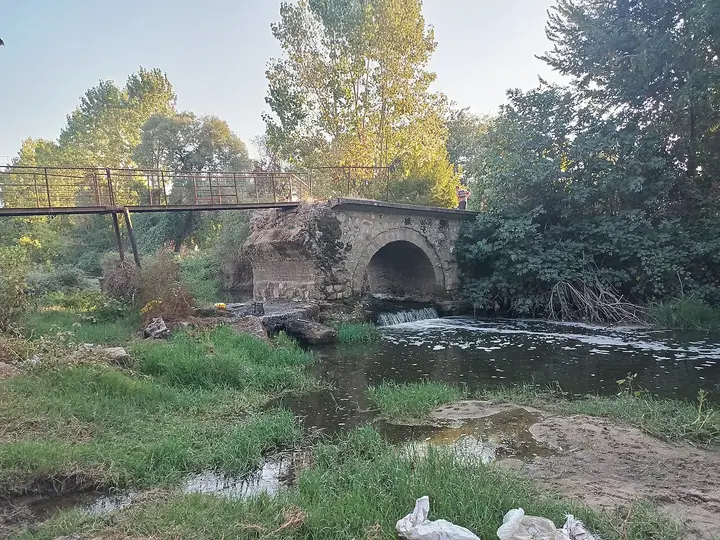 Photo: Talia294 (CC BY-SA 4.0) · Source
 Seven-arched stone bridge, 68 metres long, built over the Gökırmak. It is thought to have been built before the Roman period and is still in use.
View on mapCastle on the hill above the district centre, used in the Roman and Byzantine periods.
View on mapThe venue of the Taşköprü Garlic Festival, held every September. It is the district's most important cultural event.
View on mapCity museum in Taşköprü, built in the 1890s as the Redif Battalion Building.
View on mapWhile you are in Taşköprü, you can also see the highlights of Kastamonu province. These places are in other districts.
Taşköprü Kuyu Kebabı was registered as a protected geographical indication on 28 July 2016 (TÜRKPATENT registration no. 197). Product group: dishes and soups. Registered by: Taşköprü Municipality.
Meat dishes made with Taşköprü garlic form the basis of the district's culinary culture.
Minced meat spread over thin dough and baked in a stone oven, Taşköprü's traditional flavour.
The Taşköprü International Culture and Garlic Festival, held every September, celebrates the garlic harvest. Concerts, competitions and stalls selling local products are held during the festival.
Taşköprü's economy rests on agriculture. Garlic production is the district's most important source of income. Grains and fruit are also grown.
Taşköprü is 40 km from Kastamonu. Bus and minibus services run from Kastamonu.
The top 5 places in Taşköprü: Pompeiopolis Ancient City, Taş Köprü, Taşköprü Castle, the Taşköprü Garlic Festival Grounds and the Taşköprü City History Museum.
Taşköprü Kuyu Kebabı, Garlic Meat Dishes and Etli Ekmek are the standout dishes on Taşköprü tables.
Taşköprü is known for Taşköprü Garlic and its Garlic Festival. It is a product registered with TÜRKPATENT as a protected designation of origin.
Taşköprü is 40 km from Kastamonu. Bus and minibus services run from Kastamonu.
Suggested visit: 1 day. Best time to visit: September (Garlic Festival).