Devrekani Castle
Castle ruins on the hill above the district centre, dating from the Byzantine and Seljuk periods.
View on map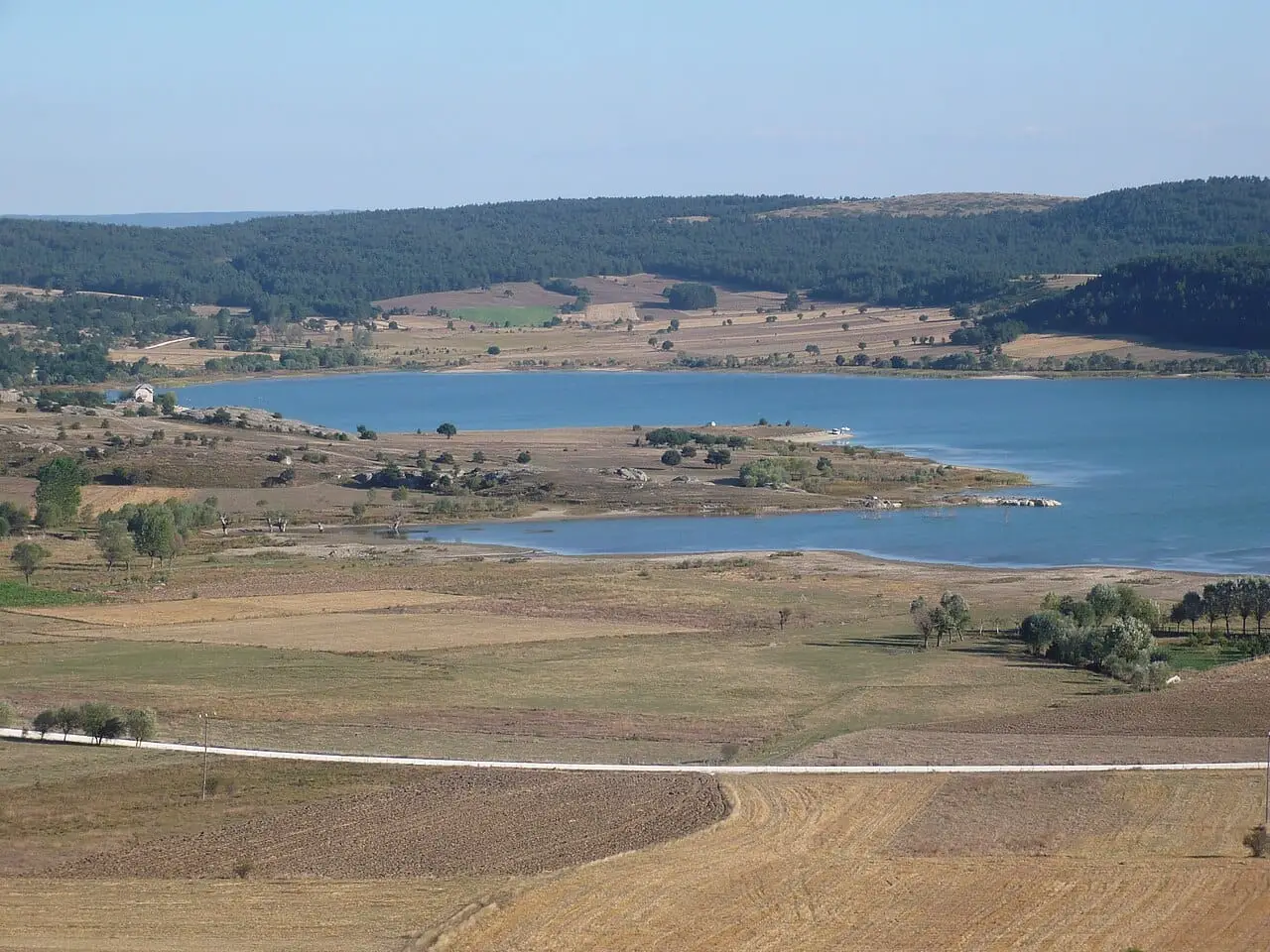 Photo: ustaduayen (CC BY-SA 3.0) · Source
 11 places to visit in the Devrekani district of Kastamonu: Devrekani Stream Valley, Devrekani Castle and Devrekani Historic Mosque. Plan your trip to Devrekani with local food, practical tips and transport information.
Devrekani is a district of Kastamonu Province. The district covers an area of 715 km² and lies at an altitude of 1,106 metres.
The name Devrekani is said to derive from its use as a caravanserai during the İsfendiyaroğulları period. It became a district in 1944.
The district is generally mountainous and forested.
Devrekani was a sub-district (bucak) of Kastamonu central district until it became a district on 1 September 1944. The region was incorporated into Ottoman rule in 1461. Atatürk visited Devrekani district on 28 August 1925. Every year on 28 August, Atatürk’s Visit to Devrekani is celebrated with ceremonies as a Culture and Arts Week. Excavations at the ancient Hittite city in Kınık Village, begun in 1994, have continued at intervals. The district is described as a very old settlement.
Last updated:
Castle ruins on the hill above the district centre, dating from the Byzantine and Seljuk periods.
View on mapA settlement and workshop area established on bedrock, dating back 4,000 to 4,500 years.
View on mapThe date of the hammam in Çayırcık Village is unknown, but it is estimated to have a history of 600 years.
View on mapThe ancient Hittite city in Kınık Village, where excavations began in 1994 and have continued at intervals.
View on mapA historic mosque built in the Ottoman period, notable for its stonework. It bears traces of traditional building techniques and reflects the spiritual heritage of the region.
View on map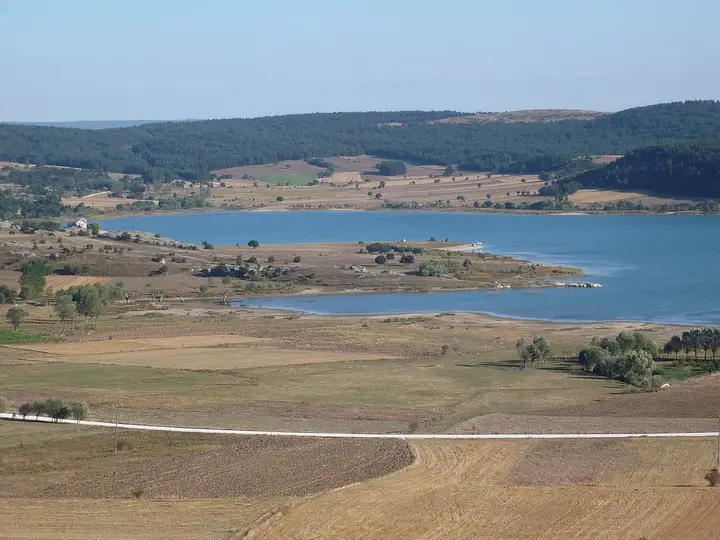 Photo: ustaduayen (CC BY-SA 3.0) · Source
 30 km from the district centre. The waterfall consists of a series of cascades and is fed by lakes inside a cave above the water source.
View on mapIn Alçılar Village. It is reached by a walk of about 1 hour from the village.
View on mapThe Yaralıgöz hill, 35 km from the district centre, attracts mountaineers and hikers.
View on mapThe district's most important river, rising within the boundaries of Başakpınar and Kınık Village.
View on mapWhile you are in Devrekani, you can also see the highlights of Kastamonu province. These places are in other districts.
Devrekani Cırık Tatlısı was registered as a protected geographical indication on 9 October 2020 (TÜRKPATENT registration no. 563). Product group: bakery and pastry products, dough products, desserts. Registered by: Devrekani Municipality.
Minced meat is spread over thin dough and baked in a stone oven. An important part of local family tables, this dish is prepared using traditional recipes. Its preparation with fresh, natural ingredients makes it a healthy choice.
Small pieces of dough filled with minced meat are boiled and served with yoghurt and a sauce of melted butter.
Known as Banduma in Daday and Devrekani, this dish consists of rolled sheets of yufka dipped in chicken or turkey broth and served.
Devrekani is a district that maintains traditional Black Sea village life. This tradition is passed from generation to generation as an important element of the cultural identity of the local people.
The economy of Devrekani is based on agriculture and livestock farming. The economy of Devrekani is based on agriculture, livestock and forestry. Small and large livestock farming are important sources of livelihood. Beekeeping and forestry activities are also carried out in the district.
Devrekani is 45 km from Kastamonu. Minibus services run from Kastamonu.
The 11 main attractions in Devrekani: Devrekani Stream Valley, Devrekani Castle, Devrekani Historic Mosque, Akdoğan Waterfall and Cave, Delibeyoğlu Ridge, Misty and Mysterious Cave of Alçılar Village, Yaralıgöz Picnic Area and Mountain, Çayırcık Gelin Hammam, Kınık Ancient Hittite City, Çayırcık Lion Stone and Devrekani Stream.
Devrekani Cırık Tatlısı, Etli Ekmek, Mantı and Devrekani Banduma (Turkey Banduma) are the standout flavours of Devrekani's tables.
Devrekani is known for Devrekani Turkey Banduma and Village Life Culture. A product registered with TÜRKPATENT as a protected geographical indication.
Devrekani is 45 km from Kastamonu. Minibus services run from Kastamonu.
Suggested visit length: half a day. Best time to visit: spring and autumn.