Bolu is a province midway between Istanbul and Ankara where nature and Ottoman towns meet. It has Lake Abant, which became a national park in 2022; Yedigöller with its landslide-dammed lakes; Gölcük with its lake house; the Kartalkaya ski resort; Mudurnu, with its Yıldırım Bayezid Mosque of 1374 and its mansions; Göynük, with the Akşemseddin Tomb; and Mengen, the land of master cooks. It has 27 registered geographical indications.

Share with friends

Last updated:

Places to Visit in Bolu

12 places worth seeing in Bolu, from historic monuments to natural wonders, grouped by type. Open any of them on the map with a single click.

  • 1 Historic
  • 3 Religious
  • 1 Museum
  • 6 Nature
  • 1 Attraction

Historic Sites 1

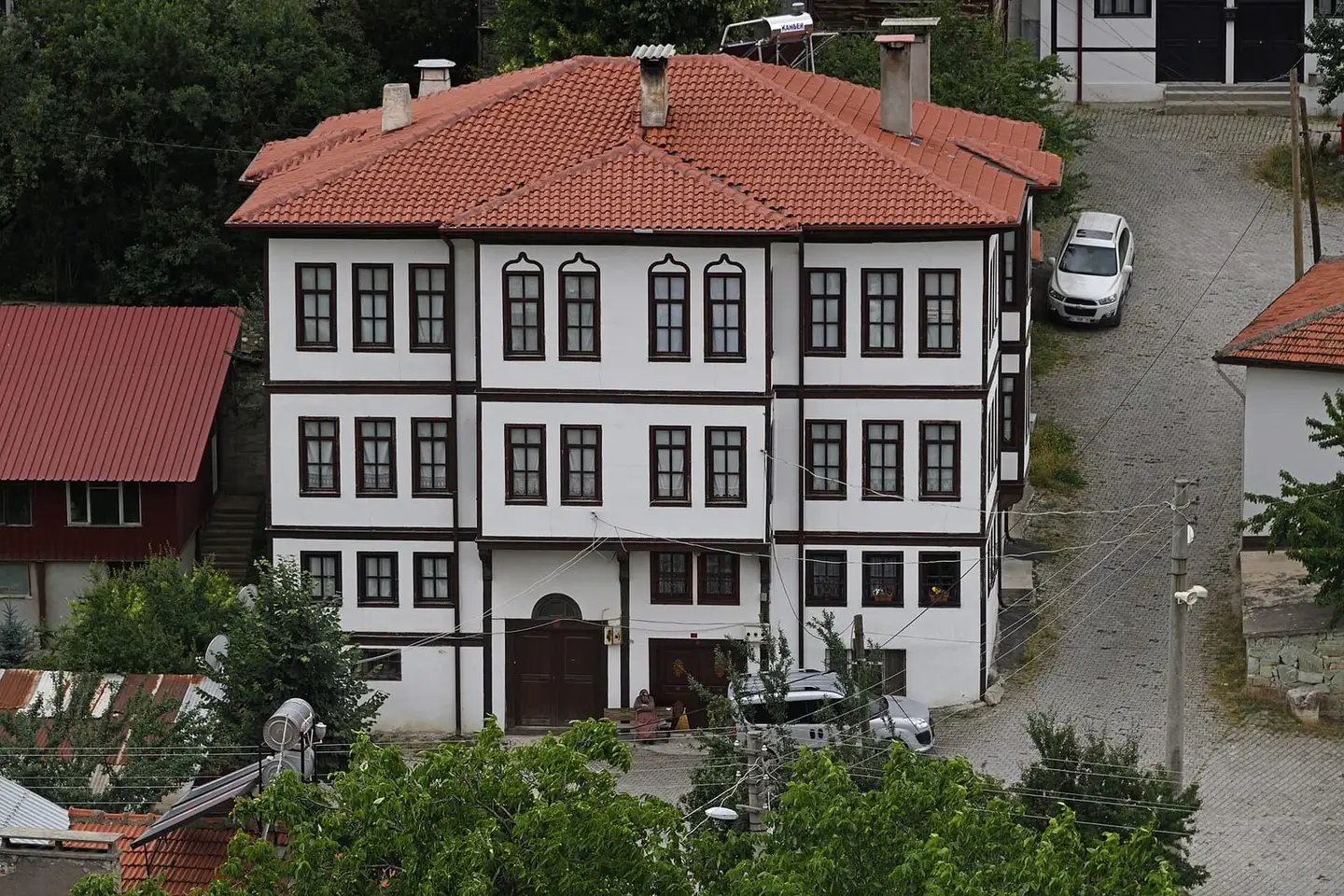
A traditional mansion in Mudurnu Photo: Dosseman (CC BY-SA 4.0) · Source
Historic

Mudurnu

An Ottoman town 52 km from Bolu that developed on the Silk Road; it has a well-preserved urban fabric of wooden mansions, a historic bazaar and traditions. Some of the restored mansions serve as accommodation.

View on map

Religious Buildings 3

Mudurnu Yıldırım Bayezid Mosque Photo: Wikimedia Commons (CC BY-SA) · Source
Religious

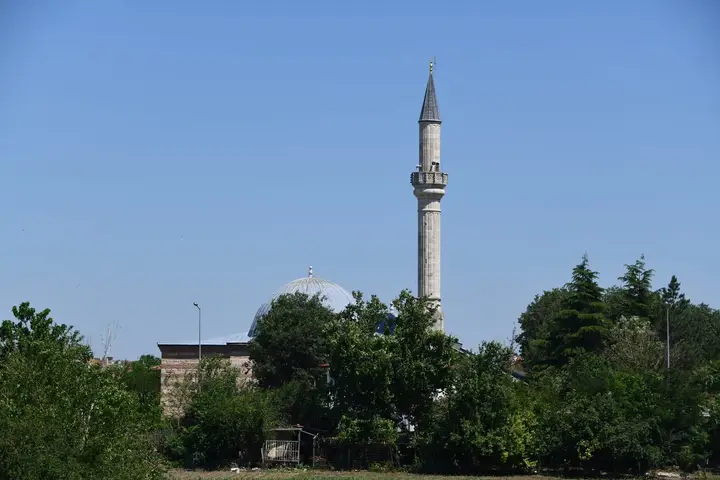
Mudurnu Yıldırım Bayezid Mosque

Built in 1374 during Yıldırım Bayezid's time as prince governor of Bolu, this is one of the finest examples of early Ottoman architecture; the Yıldırım Bayezid Hammam of 1382 nearby also still stands.

View on map
The Akşemseddin Tomb in Göynük Photo: Muhsin Kadıoğlu (CC BY-SA 4.0) · Source
Religious

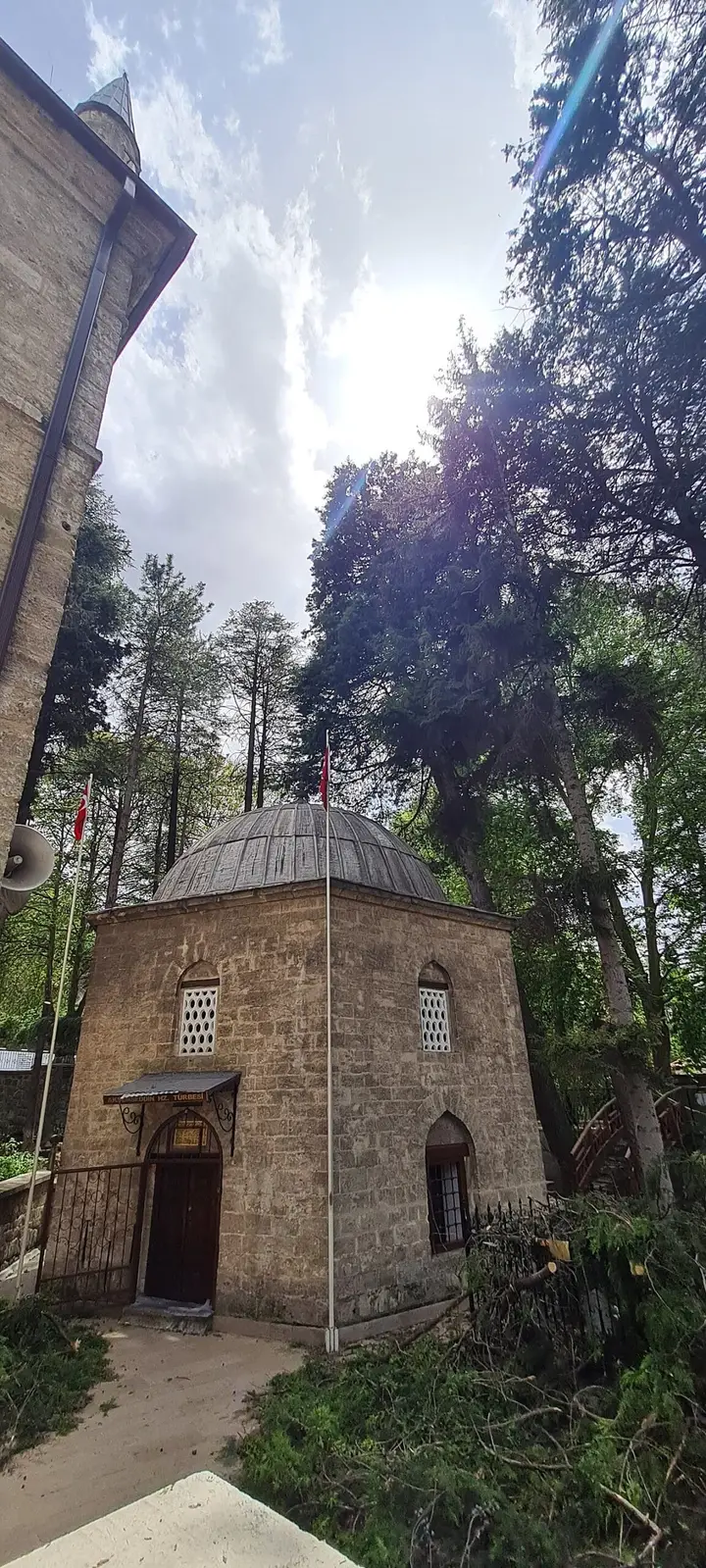
Akşemseddin Tomb

A domed, hexagonal tomb in Göynük, built by Mehmed the Conqueror (Fatih) in 1464 for Akşemseddin, his teacher.

View on map
Religious

Göynük Gazi Süleyman Paşa Mosque

A single-balcony-minaret mosque with a wooden dome, built in 1331–1335 by Gazi Süleyman Paşa, son of Orhan Gazi; it is one of the most valuable Ottoman buildings in Göynük.

View on map

Museums 1

Bolu Museum Photo: Wikimedia Commons (CC BY-SA) · Source
Museum

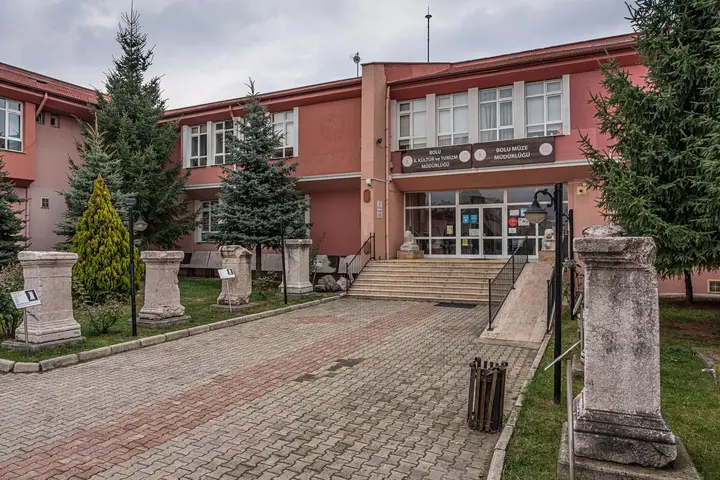
Bolu Museum

Opened in 1981, the museum displays archaeological finds from the Neolithic to the Ottoman period and an ethnographic collection of clothing, weaving and weapons from the Bolu region.

View on map

Natural Wonders 6

Lake Abant from the air in autumn Photo: Eyeintheair (CC BY-SA 4.0) · Source
Nature

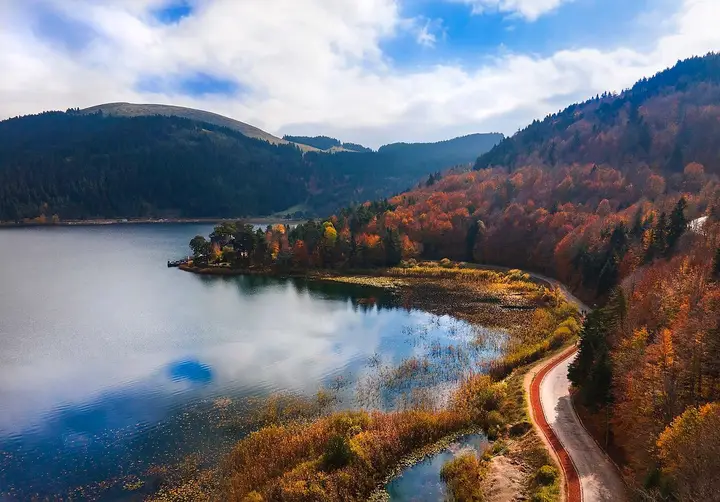
Lake Abant National Park

A landslide-dammed lake in the Mudurnu district, 35 km south-west of Bolu at an altitude of about 1,330 metres; the 125-hectare lake is 18 metres deep at its deepest point. It was declared Türkiye's 48th national park on 9 June 2022. In winter it freezes completely, starting from the shore.

View on map
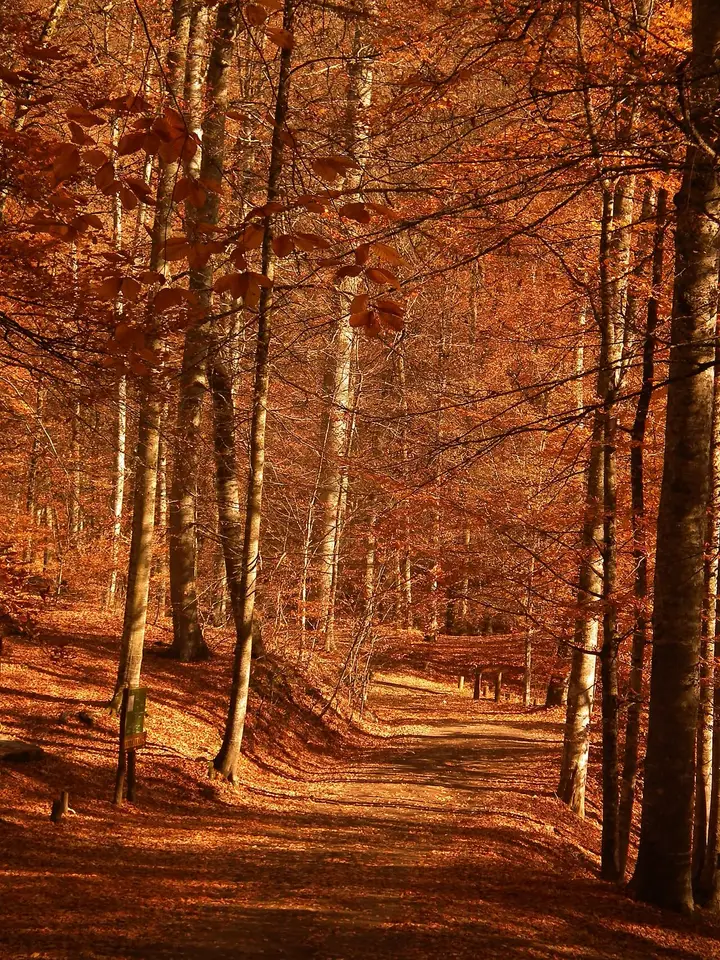
Autumn forest at Yedigöller Photo: Nevit Dilmen (CC BY-SA 3.0) · Source
Nature

Yedigöller National Park

Seven lakes formed when landslides blocked valleys, some of them connected underground, and beech forests reminiscent of a "sea of forest"; Türkiye's first farmed-trout production station was set up here in 1969. The lakes can be seen from the Kapankaya viewpoint.

View on map
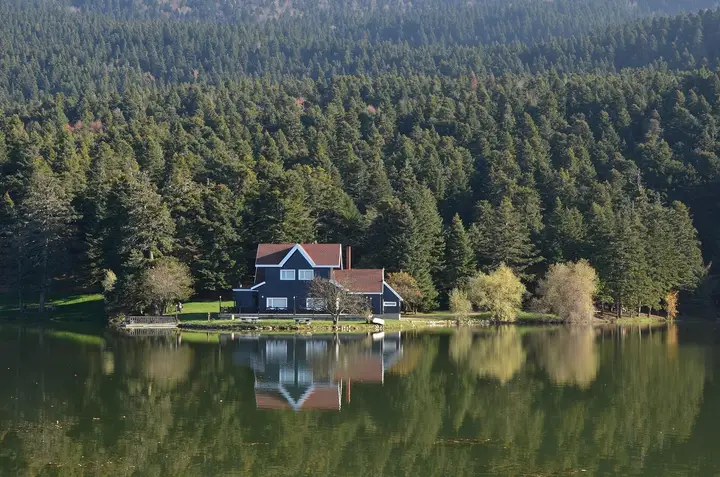
Lake Gölcük and the lake house on the shore Photo: Elnur Ahmadov (CC BY-SA 4.0) · Source
Nature

Gölcük Nature Park

A 4.5-hectare forest lake 13 km south of Bolu at an altitude of 1,217 metres; the wooden lake house on the shore is the most photographed view in Bolu.

View on map
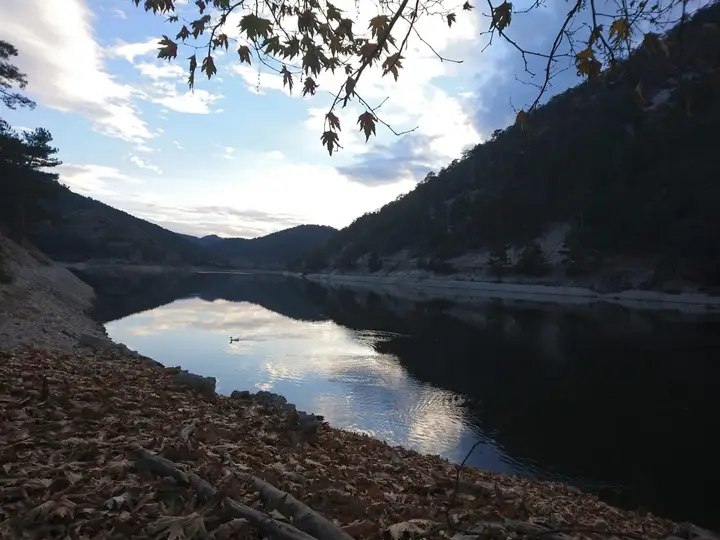
Lake Sünnet Photo: Wikimedia Commons (CC BY-SA) · Source
Nature

Lake Sünnet

A narrow lake 1,100 metres long, 22 km east of Göynük at an altitude of 1,030 metres, formed when two landslides blocked the Gök Dere stream; it has walking trails and an accommodation facility.

View on map
Nature

Karacasu Hot Springs

Thermal facilities 5 km south of the Bolu city centre, easily reached via the D-100 and the TEM motorway.

View on map
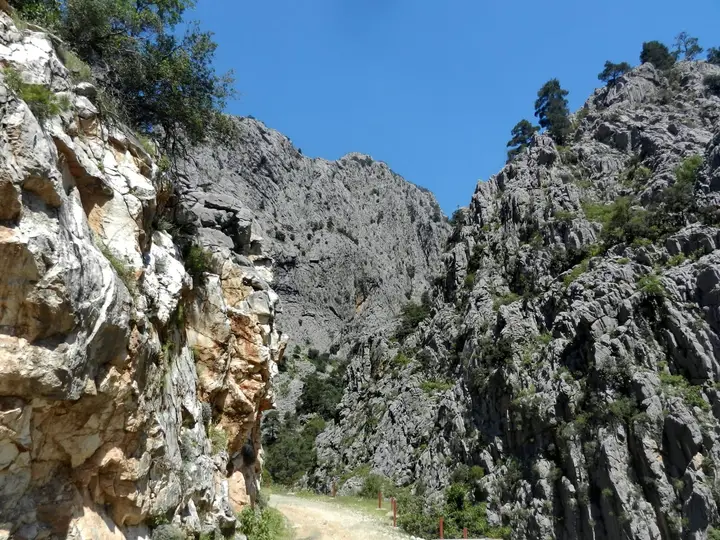
Göynük Canyon Photo: Wikimedia Commons (CC BY-SA) · Source
Nature

Göynük Canyon

A canyon with limestone walls near Göynük.

View on map

Attractions 1

Attraction

Kartalkaya Ski Resort

A ski resort in the Köroğlu Mountains in the Seben district, at an altitude of about 2,000–2,200 metres; snow depth sometimes reaches 3 metres, and the season runs from December to April. In summer there are highland walks.

View on map

Getting to Know Bolu

Bolu is a province in the interior of the Western Black Sea region, exactly halfway between Istanbul and Ankara, set among mountains covered with beech, fir and Scots pine forests. In antiquity it was part of the region of Bithynia; the Romans named the city on the Bolu plain Claudiopolis, and the name “Bolu” is thought to derive from the “polis” of that city. After Malazgirt (Manzikert, 1071) Turkmens settled in the area, and in the time of Orhan Gazi it was added to Ottoman territory by Konur Alp.

Bolu’s real wealth is its forests and lakes: Abant, Yedigöller, Gölcük and Sünnet, lakes formed when landslides blocked valleys, are nature spots in the province visited in all four seasons. Kartalkaya in the Köroğlu Mountains is one of the main ski resorts in Türkiye.

The province’s Ottoman towns are at least as valuable as its nature: Mudurnu, a trading town on the Silk Road, is known for its wooden mansions and for its mosque and hammam dating from the time of Yıldırım Bayezid; Göynük for the tomb of Akşemseddin, teacher of Mehmed the Conqueror, and for its traditional houses. In Mengen, whose name is synonymous with Türkiye’s tradition of master cooks, a Cookery and Tourism Festival is held every June.

When to Go

Bolu has a transitional climate between the Black Sea and Central Anatolia: winters are cold and snowy, and summers are mild. Averages for 1929–2025 from the Turkish State Meteorological Service:

Month Avg. high Avg. low Rainfall Rainy days
January 5.4 °C −3.5 °C 58 mm 16
February 7.2 °C −2.5 °C 48 mm 14
March 11.1 °C −0.4 °C 50 mm 15
April 16.7 °C 3.6 °C 51 mm 13
May 21.4 °C 7.6 °C 61 mm 14
June 24.7 °C 10.5 °C 59 mm 12
July 27.5 °C 12.5 °C 29 mm 6
August 28.0 °C 12.7 °C 24 mm 5
September 24.3 °C 9.5 °C 28 mm 7
October 19.3 °C 6.2 °C 42 mm 11
November 13.3 °C 2.1 °C 46 mm 12
December 7.6 °C −1.1 °C 59 mm 15

Bolu is beautiful in a different way in every season. October to November is when the autumn colours are most vivid at Yedigöller and Abant. The ski season at Kartalkaya runs from December to April; in winter Lake Abant freezes, starting from the shore. Summer nights are cool (average low 12–13 °C).

How to Get to Bolu

By road: Bolu is about 3 hours from Istanbul and 2 hours from Ankara on the Anatolian Motorway (TEM). The motorway passes through the 2,900-metre Bolu Mountain Tunnel, while the D-100 follows the historic Bolu Mountain pass.

By air: There is no airport in Bolu; Istanbul Sabiha Gökçen, Ankara Esenboğa and Zonguldak airports can be used.

Bolu Area by Area

  • Central district: the Bolu Museum, the Yıldırım Bayezid (Grand) Mosque, the Karacasu hot springs 5 km away, Gölcük Nature Park 13 km to the south and Yedigöller National Park.
  • Mudurnu: Lake Abant National Park, wooden mansions, the Yıldırım Bayezid Mosque and Hammam, and the Babas hot springs.
  • Göynük: the Akşemseddin Tomb, the Gazi Süleyman Paşa Mosque of 1331–1335, Lake Sünnet and historic houses.
  • Seben: Kartalkaya Ski Resort and the Köroğlu Mountains.
  • Mengen and Dörtdivan: the tradition of master cooks; the Köroğlu Highland Festivities on the Köroğlu Plateau in July.

Suggested Itineraries

Day 1 – The lakes: In the morning, a walk around the lake house at Gölcük; lunch on the shore of Lake Abant; in the evening, a Mengen-style meal in Bolu.

Day 2 – Ottoman towns: In Mudurnu, the wooden mansions, Yıldırım Bayezid Mosque and historic bazaar; in Göynük, the Akşemseddin Tomb and Gazi Süleyman Paşa Mosque. If time allows, Lake Sünnet.

Nature day: A walk among the lakes in Yedigöller National Park and the Kapankaya viewpoint.

Bolu Cuisine

With 27 geographical indications registered with TÜRKPATENT, Bolu is one of the richest provinces in Türkiye in culinary terms. The main ones are: Bolu fındık şekeri (hazelnut candy), Bolu manda kaymağı (buffalo clotted cream), Bolu patatesli ekmeği (potato bread), Bolu kabaklı gözlemesi (pumpkin gözleme), Bolu keşi, Bolu kızılcık tarhanası (cornelian cherry tarhana), Bolu kanlıca mantarı (Kanlıca mushroom), Bolu sarı patatesi (yellow potatoes), çivril fasulyesi (çivril beans), dağ fındığı (mountain hazelnuts) and Kıbrıscık pirinci (Kıbrıscık rice), all three with designations of origin, Mudurnu basma helvası, Göynük uğut tatlısı and dik börek, Gerede şakşak helvası, Mengen höşmerimi, kedibatmaz and kaldırık dolması. Among handicrafts, Mudurnu kaşık sapı (Mudurnu spoon handle) and Göynük tokalı örtme are registered.

Practical Tips

  • Abant and Yedigöller receive many visitors at weekends; go early in the morning, especially in autumn.
  • Part of the road to Yedigöller is stabilised gravel and may close in winter.
  • At Kartalkaya, book accommodation in advance for the whole ski season; carry winter tyres and chains.
Districts of Bolu

Bolu province has 9 districts. Explore the places to visit, local dishes and transport in each one.

What to Eat in Bolu

All dishes →
  • Mengen Kedibatmaz

    A Mengen dish with a registered geographical indication.

  • Mengen Kaldırık Dolması (stuffed kaldırık)

    Dolma (stuffed dish) with a registered geographical indication.

  • Bolu Kabaklı Gözlemesi (Bolu pumpkin gözleme)

    Gözleme (stuffed flatbread) with a registered geographical indication.

  • Göynük Uğut Tatlısı

    A Göynük dessert with a registered geographical indication.

  • Mudurnu Basma Helva

    Halva with a registered geographical indication.

  • Bolu Fındık Şekeri (Bolu hazelnut candy)

    A sweet with a registered geographical indication.

What to eat in Bolu: the full food guide

Bolu: Frequently Asked Questions

What are the best places to visit in Bolu?

The main stops are Lake Abant, Yedigöller, Gölcük Nature Park, Lake Sünnet, the mansions and Yıldırım Bayezid Mosque of Mudurnu, the Akşemseddin Tomb in Göynük, Kartalkaya, the Bolu Museum and the Karacasu hot springs.

Is Lake Abant a national park?

Yes. Lake Abant and its surroundings were declared Türkiye's 48th national park on 9 June 2022.

When is the best time to visit Bolu?

October to November is best for autumn colours, December to April for skiing, and May to September for walking and the lakes.

What is Bolu famous for?

The master cooks of Mengen, Bolu hazelnut candy, buffalo clotted cream, potato bread, pumpkin gözleme, Mudurnu basma helva and Göynük uğut dessert; the province has 27 registered geographical indications.

Where is Kartalkaya?

Kartalkaya is in the Köroğlu Mountains in Bolu's Seben district; the ski season runs from December to April.

How far is Gölcük from Bolu city centre?

Gölcük Nature Park is 13 km south of the Bolu city centre.

More from the Bolu Guide

Other Provinces in the Black Sea Region

Sources

The information in this guide has been compiled from and checked against the sources below (last checked: 7 October 2026). If you spot an error, please let us know.

  1. Vikipedi – Bolu
  2. Vikipedi – Bolu (il)
  3. Meteoroloji Genel Müdürlüğü – Bolu il istatistikleri
  4. Vikipedi – Abant Gölü
  5. Vikipedi – Yedigöller Millî Parkı
  6. Küre Ansiklopedi – Gölcük Tabiat Parkı
  7. Vikipedi – Sünnet Gölü
  8. Vikipedi – Mudurnu
  9. Vikipedi – Göynük
  10. Vikipedi – Mengen
  11. Vikipedi – Kartalkaya
  12. Vikipedi – Bolu Müzesi
  13. Vikipedi – Bolu Dağı Tüneli
  14. Vikipedi – Karacasu, Bolu
  15. Vikipedi – Türkiye'de tescilli coğrafi işaretler listesi
  16. TÜRKPATENT – Bolu Fındık Şekeri
  17. TÜRKPATENT – Mengen Kedibatmaz

Search 81 province guides and 968 district guides.