Yıldırım Bayezid Hammam
A hammam built as a double bath, opposite Yıldırım Bayezid Mosque.
View on map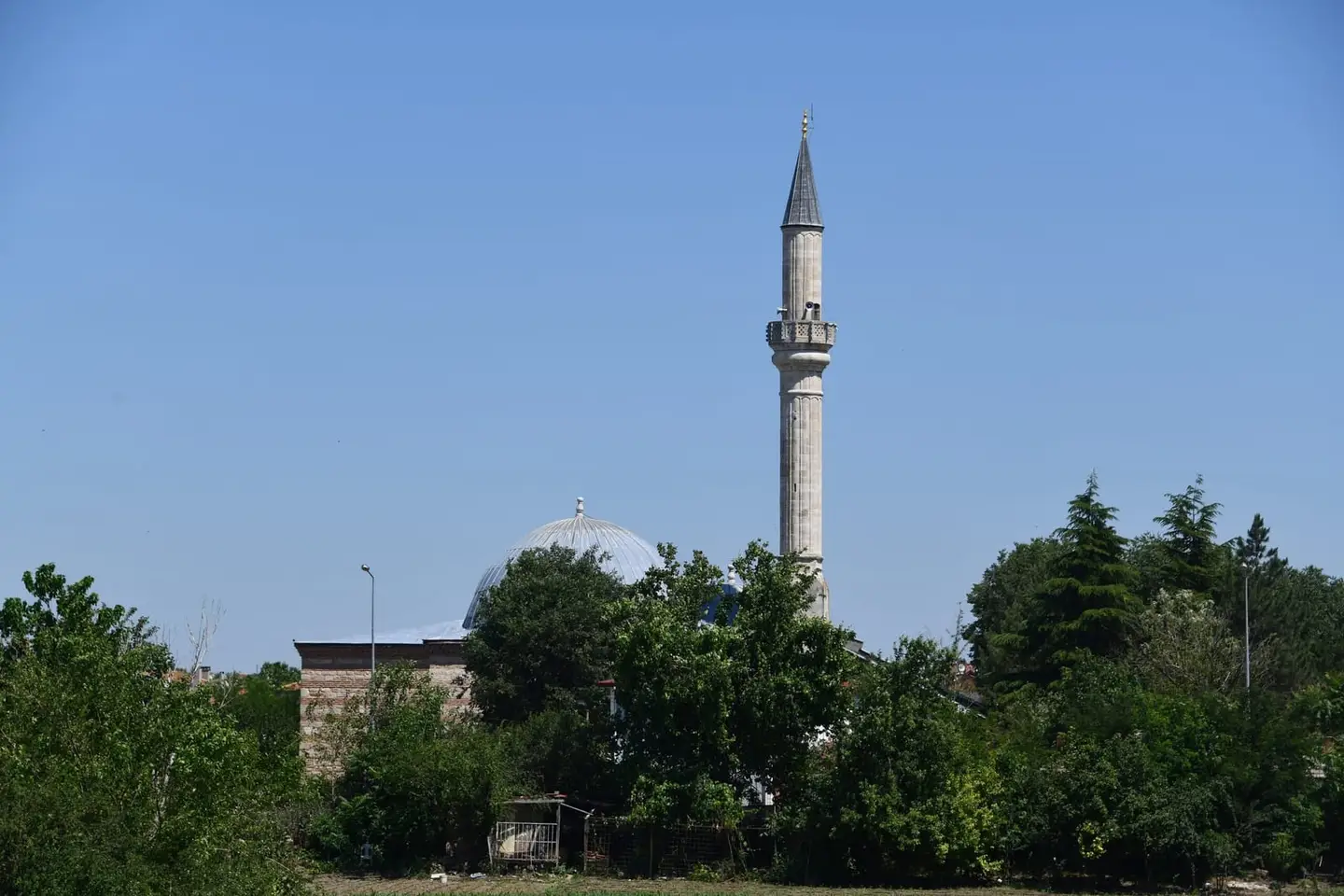 Photo: Wikipedia (CC BY-SA) · Source
 8 places to visit in the Mudurnu district of Bolu: Yıldırım Bayezid Mosque, Armutçular Mansion and Abant Lake. Plan your trip to Mudurnu with local food, practical tips and transport information.
Mudurnu is a district of Bolu and lies 52 km from the provincial centre. The district covers 1,314 km², and its average elevation above sea level is 872 metres. Mudurnu is an Ottoman town with an important collection of old Turkish houses, and it has kept its authenticity through its historic urban fabric and town culture.
In this district, set in a green landscape, there are 231 architecturally significant structures in total: 207 houses, 20 religious and cultural buildings, 2 military buildings, 2 natural monuments, a fountain and a hammam. For this reason the district has been declared an Urban Conservation Area. Armutçular Mansion and Keyvanlar Mansion are among the finest examples of Turkish civil architecture.
Yıldırım Bayezid Mosque was built in 1374, during the period when Yıldırım Beyazıt, son of Sultan Murat I, was prince of Bolu.
Mudurnu was added to the World Heritage List in 2014 under the name Historic Ahi Town of Mudurnu. For 700 years, the Ahi Prayer has been recited every Friday and passed on from generation to generation.
The Historic Ahi Town of Mudurnu entered the World Heritage List in 2014. Mudurnu Clock Tower was built in timber in 1890-1891. Kanuni Sultan Süleyman Mosque was commissioned in 1546. Mudurnu joined the Cittaslow network in 2018.
Last updated:
A hammam built as a double bath, opposite Yıldırım Bayezid Mosque.
View on mapMansions that are examples of Turkish civil architecture in Mudurnu.
View on map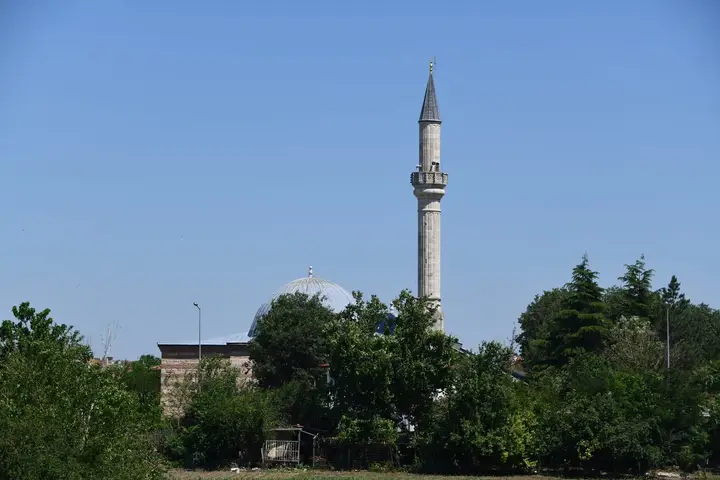 Photo: Wikipedia (CC BY-SA) · Source
 A mosque commissioned in 1374 by Yıldırım Beyazıt, and one of the finest examples of early Ottoman architecture. It is still in use.
View on mapA lake 18 km from the district centre, located in an oval-shaped hollow between the Abant and Mudurnu mountain ranges.
View on mapA natural wonder of a lake, 9 km from the Mudurnu-Akyazı road. It is enclosed on three sides by steep slopes.
View on mapA nature park and lake within the district boundaries of Mudurnu, 50 km from Mudurnu.
View on mapA lake and a hill within the district boundaries; the hill offers a view over Mudurnu.
View on mapWhile you are in Mudurnu, you can also see the highlights of Bolu province. These places are in other districts; Mudurnu is about 35 km from the provincial centre.
Mudurnu Bal Kabaklı Gözlemesi was registered as a protected geographical indication on 12 April 2021 (TÜRKPATENT registration no. 716). Product group: bakery and pastry products, dough products, sweets. Registered by: Mudurnu District Governorship.
Mudurnu Basma Helva was registered as a protected geographical indication on 23 December 2020 (TÜRKPATENT registration no. 637). Product group: bakery and pastry products, dough products, sweets. Registered by: Mudurnu District Governorship.
Mudurnu Kaşık Sapı was registered as a protected geographical indication on 28 May 2021 (TÜRKPATENT registration no. 775). Product group: bakery and pastry products, dough products, sweets. Registered by: Mudurnu District Governorship.
Among the regional dishes of Mudurnu.
Also known as pişmaniye, a halva whose production centre is Mudurnu.
Mudurnu baklası is included in the list of regional dishes of Bolu.
Mudurnu is one of the settlements that best preserves the urban fabric of the Ottoman period. With its historic houses, mosques, hammams and bazaar, it is effectively an open-air museum.
The Mudurnu Festival, held every year, promotes the district through traditional handicraft exhibitions, regional food tastings and cultural events.
The economy of Mudurnu consists of agriculture, livestock farming and tourism. Cultural tourism is developing thanks to its historic Ottoman houses. Beekeeping and forest products are important sources of income. Its proximity to Abant Lake increases its tourism potential.
Mudurnu lies 35 km from Bolu city centre. Regular minibus services run from Bolu. It is close to the Ankara-Istanbul motorway.
The 8 highlights of Mudurnu are Yıldırım Bayezid Mosque, Armutçular Mansion, Abant Lake, Sülüklügöl, Sülüklügöl Nature Park, Yıldırım Bayezid Hammam, the Armutçular and Keyvanlar mansions, and Abant Lake and Şeyh-ül Ümran Hill.
Mudurnu Bal Kabaklı Gözlemesi, Mudurnu Basma Helva, Mudurnu Kaşık Sapı and Mudurnu böreği, keş, Mudurnu baklavası and Mudurnu helvası are the standout flavours on the tables of Mudurnu.
Mudurnu is known for Mudurnu Honey and its Ottoman Urban Fabric. The pine and flower honey obtained from the rich forest cover is Mudurnu's most valuable natural product.
Mudurnu lies 35 km from Bolu city centre. Regular minibus services run from Bolu. It is close to the Ankara-Istanbul motorway.
Suggested visit length: 1 day. Best time to visit: spring and autumn.