Sultan Hammam
A double hammam with separate sections for women and men, on Saraçhane Sokak in Büyükcami Neighbourhood.
View on map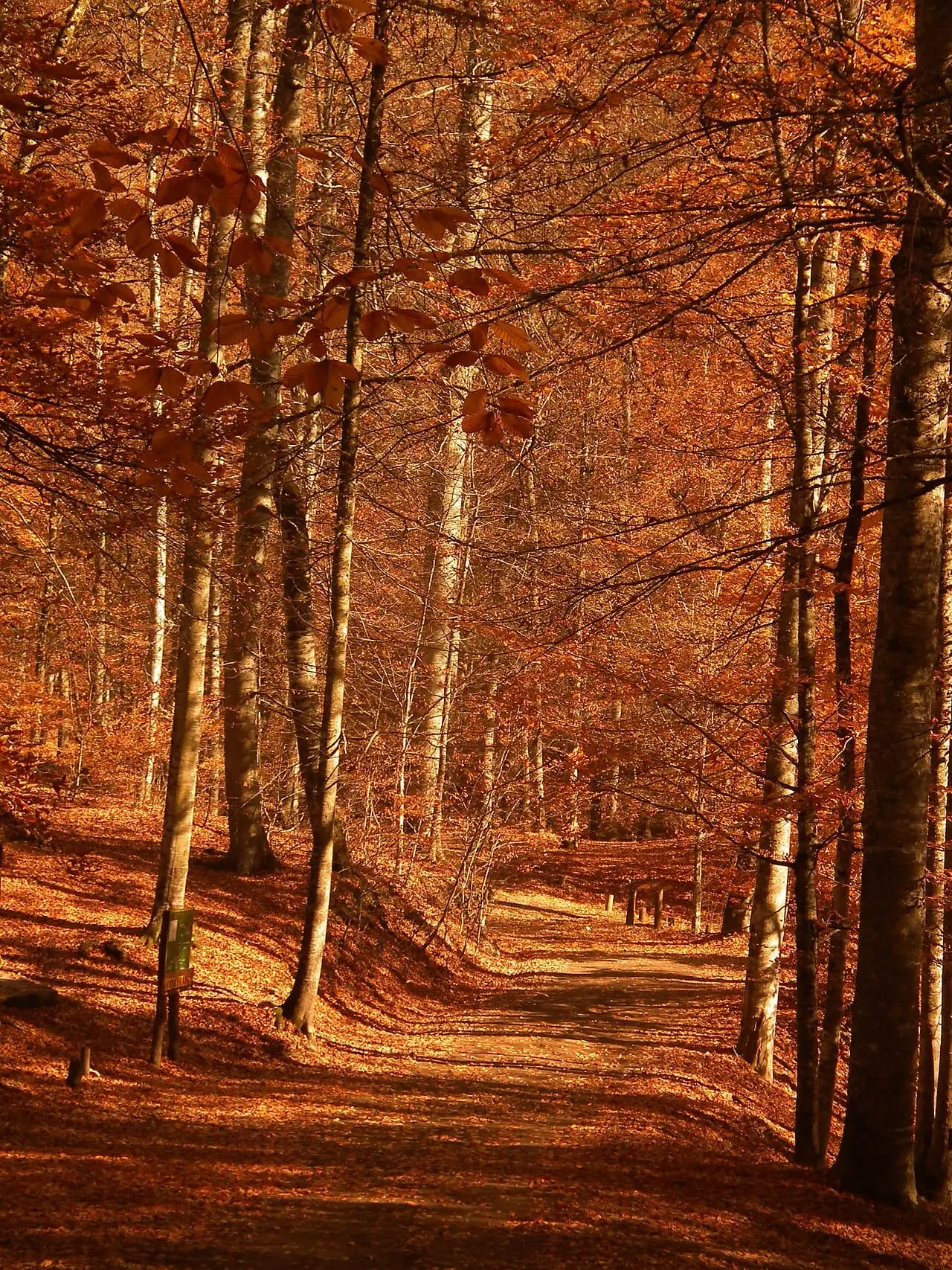 Photo: Nevit Dilmen (talk) (CC BY-SA 3.0) · Source
 12 places to visit in the central district of Bolu: Yedigöller National Park, Abant Lake Nature Park and Bolu Museum. Plan your trip with local food, practical tips and transport information.
Bolu lies in the inner part of the Western Black Sea region, midway between Istanbul and Ankara. In antiquity Bolu was part of the region of Bithynia, and the Romans named the city Claudiopolis. After the Battle of Malazgirt (1071), the area settled by Turkmens came under Ottoman rule during the reign of Orhan Gazi, when Konur Alp took it.
Bolu’s greatest riches are its forests and lakes. Abant, Yedigöller, Gölcük and Sünnet lakes are natural sites in the province that are visited in every season. Kartalkaya in the Köroğlu Mountains is one of Türkiye’s leading ski centres.
Bolu has a transitional climate between the Black Sea and Central Anatolia. Summer nights are cool, with average lows of 12-13 °C.
Sultan Hammam is recorded in endowment registers under the name of the Sokullu Mehmet Paşa Foundation. According to the inscription on Karamanlı Mosque, it was built between H. 1310 and 1315. Safî Amidî Bolevî Tomb was once used as a dervish lodge.
Last updated:
A double hammam with separate sections for women and men, on Saraçhane Sokak in Büyükcami Neighbourhood.
View on mapA mosque with a minaret and a base of dressed stone, in Karamanlı Neighbourhood.
View on mapA tomb in the courtyard of the mosque, in Aktaş Neighbourhood.
View on map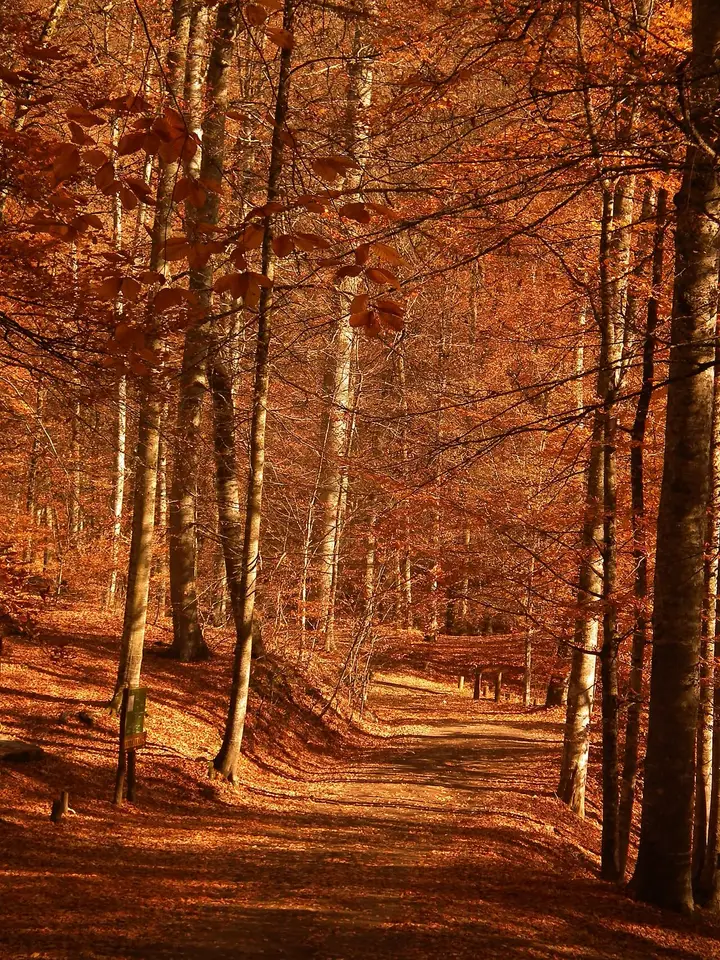 Photo: Nevit Dilmen (talk) (CC BY-SA 3.0) · Source
 One of Bolu's most important natural sites. It contains a lake formed by a landslide.
View on map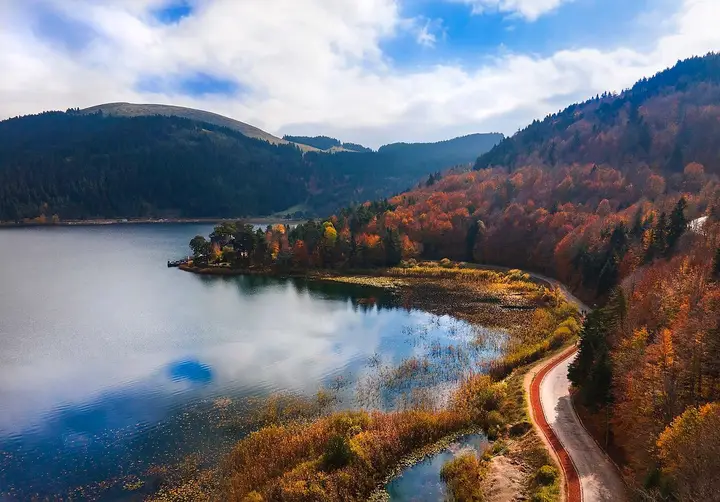 Photo: Eyeintheair (CC BY-SA 4.0) · Source
 Abant Lake, 32 km from Bolu at an altitude of 1,328 metres, is a tectonic lake. Surrounded by pine, beech and fir forests, the lake offers different beauty in each season. Walking trails, horse riding and bicycle hire are available.
View on mapGölcük Nature Park, 13 km from Bolu city centre, is an ideal area for picnics and nature walks, with its crater lake and surrounding forests. The lake surface freezes in the winter months, which adds another dimension to its beauty.
View on map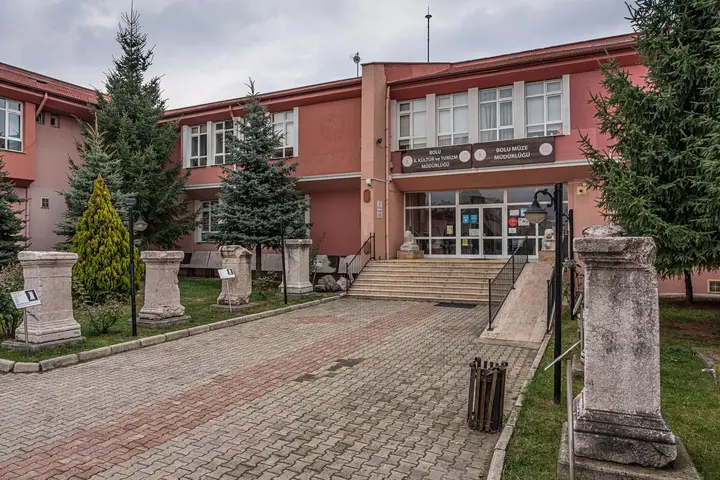 Photo: Wikipedia (CC BY-SA) · Source
 Bolu Museum displays artefacts from the Roman, Byzantine and Ottoman periods, obtained from archaeological excavations in the region. The ethnography section includes regional costumes and everyday objects.
View on mapKartalkaya, 40 km from Bolu, is one of Türkiye's most popular ski resorts. Its slopes rise to 2,200 metres, and it hosts winter tourism with modern chairlift systems and hotel facilities.
View on mapA building constructed in 1915, in Tabaklar Neighbourhood.
View on mapPrepared by marinating lamb in special spices and cooking it over a wood fire. It is one of the best-known flavours of Bolu's culinary tradition.
Bolu mantısı is made with thin, hand-rolled dough and served with garlicky yoghurt and a butter sauce. It is the most loved traditional dish of the region.
Fresh trout from the facilities around Abant Lake is served grilled or pan-fried. Trout grown in its natural environment is one of Bolu's signature dishes.
Bolu pidesi, baked in a stone oven, is known in minced meat, cheese and egg varieties. It reflects the culinary tradition of Bolu in everyday meals.
Bolu is known as the culinary capital of Türkiye. Chefs from Mengen district carry on a tradition that goes back to the Ottoman palace kitchen. Bolu Culinary Arts and Tourism Vocational School is the academic dimension of this tradition.
Bolu is the homeland of Köroğlu, one of the most famous heroes of Turkish folk literature. The Köroğlu Mountains and their surroundings are known as the landscape in which this legend unfolded.
The economy of Bolu Merkez district is based on tourism, industry and agriculture. Abant Lake, Yedigöller and Kartalkaya generate year-round tourism revenue. Bolu Abant İzzet Baysal University contributes to the educational and economic life of the city. The food industry and forest products are also important sources of income.
Bolu lies on the Ankara-Istanbul motorway (TEM). It is 190 km from Ankara and 260 km from Istanbul. Intercity bus services run very frequently. The nearest airport is Ankara Esenboğa Airport.
The 12 highlights of Bolu Merkez are Yedigöller National Park, Abant Lake Nature Park, Bolu Museum, Gölcük Nature Park, Kartalkaya Ski Centre, Sultan Hammam, Aşağı Taşhan, Painter Mehmet Yücetürk Art Centre, Historic Fountain, Karamanlı Mosque, At Plateau and the Tomb of Safî Amidî Bolevî Hazretleri.
Bolu Mengen Kebabı, Bolu Mantısı, Abant Trout and Bolu Pidesi are the standout dishes on the tables of Bolu Merkez.
Bolu Merkez is known for Bolu Honey and its culinary tradition. The pine and flower honey obtained from Bolu's rich forest cover is ranked among the highest-quality honeys in Türkiye.
Bolu lies on the Ankara-Istanbul motorway (TEM). It is 190 km from Ankara and 260 km from Istanbul. Intercity bus services run very frequently. The nearest airport is Ankara Esenboğa Airport.