Göynük is a district in the south-west of Bolu Province. Göynük is famous for its sugar beans, uğut marmalade, clasped textiles and woodcarving.
History
The first settlers in the Bolu region are thought to have been the Bebrikes. Written works from the Byzantine period have been found in the villages of Susuz, Kilciler, Narzanlar and Boyacılar in the district. History books state that the Roman military road passed through present-day Göynük.
Historic Monuments
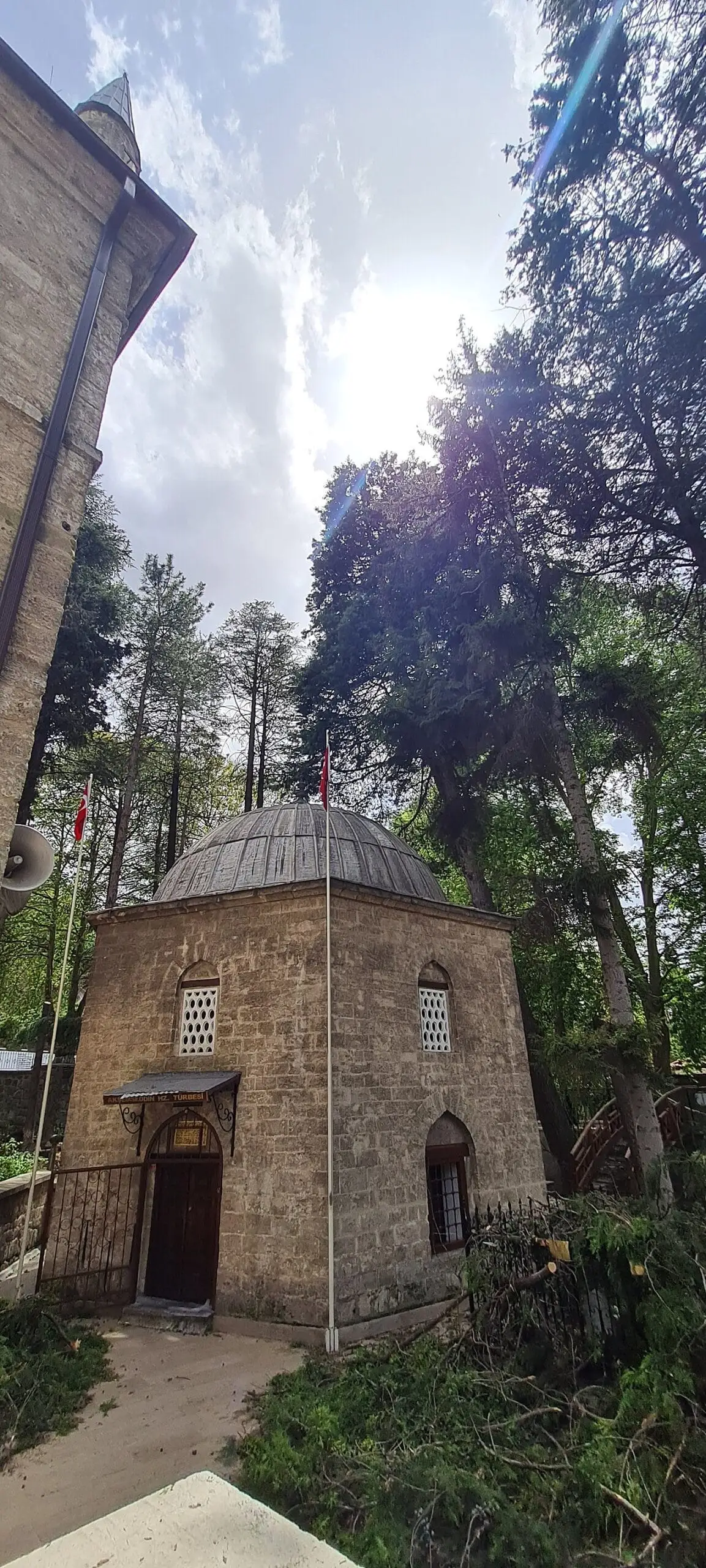
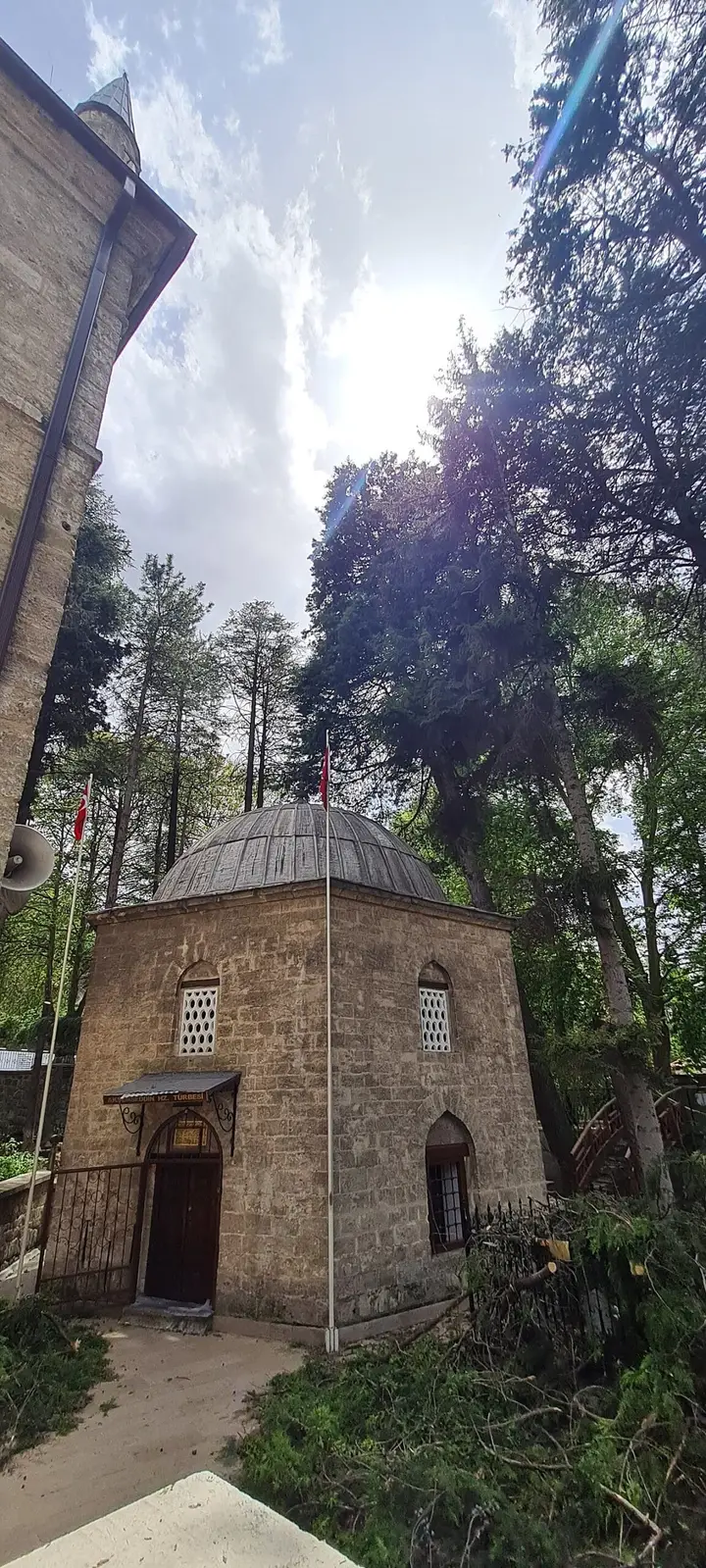
The tomb that Mehmed II (the Conqueror) had built in 1464 for his teacher Akşemseddin has a hexagonal form. Gazi Süleyman Paşa Mosque was built between 1331 and 1335 with a single balcony, a single minaret and a single timber dome. Zafer Tower was built in 1923 by Hurşit Bey, the first kaymakam of the Republican era, to immortalise the achievements of the War of Independence.
Culture
The district is one of the rare Ottoman towns whose historic fabric has remained intact. It has been declared an Urban Conservation Area (Kentsel SİT Alanı) because of its 158 civil architectural works, including 137 historic houses, 21 mosques, tombs, fountains, baths, towers and cemeteries.
History and Culture
Göynük is one of the Ottoman towns whose historic fabric has been preserved. Göynük was declared an Urban Conservation Area (Kentsel SİT Alanı) because of its 158 civil architectural works. In the district, a mosque, bath and mansion built in the 14th century by Gazi Süleyman Paşa can be found. Akşemseddin Tomb was built by Mehmed II in 1464. Evliya Çelebi praised the Göynük bath, comparing it with those in Ankara and Istanbul.