Kızık Plateau
One of the most important of the plateaus at about 1,400 metres around Kiraz Mountain. Its houses are traditionally built from pine trees.
View on map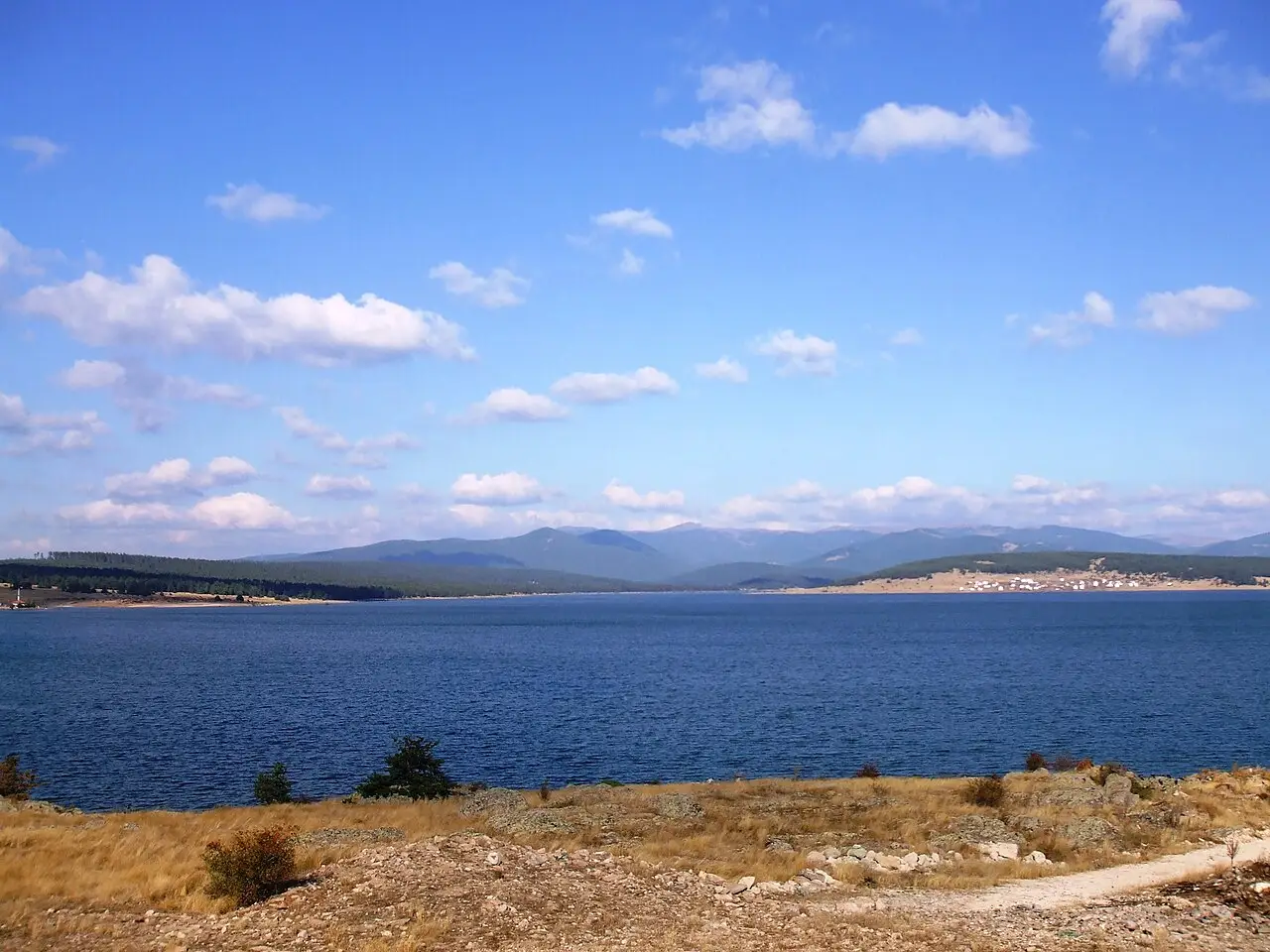 Photo: Halit Edip Özcan (CC BY-SA 3.0) · Source
 7 places to visit in the Seben district of Bolu: Kızık Plateau, Gerenözü Plateau and Bağlum Hot Springs. Plan your trip to Seben with local food, practical tips and transport information.
Seben is a district 56 km south of Bolu province. The district covers 683 km² and its average elevation above sea level is 754 metres. Seben is famous for its apples. The district’s name is thought to derive from Seben Mountain to its north, or from the semen flower that grows in the forest.
The district has 2 mountains, 1 lake, 4 forests, 23 valleys and a total of 29 villages set on plains. It is surrounded by plateaus at an average height of about 1,400 metres around Kiraz Mountain. Gerenözü and Kızık plateaus are the most important of these. The houses on Kızık Plateau were built without any nails, from pine trees joined by interlocking.
The Bağlum Hot Springs, in Kesenözü village 14 km south of Seben, are known to have beneficial effects on stomach, gallbladder, respiratory and circulatory disorders.
The district’s name is said, according to a legend, to come from Seben Mountain to its north. Red-painted cross marks can be seen in the Seben rock houses; the source notes that these may be related to the Early Christian and Middle Byzantine periods. The Çeltikdere Byzantine Church was used as the village mosque until 1952.
Last updated:
One of the most important of the plateaus at about 1,400 metres around Kiraz Mountain. Its houses are traditionally built from pine trees.
View on mapAround Kiraz Mountain, one of the most important of Seben's high plateaus.
View on mapHot springs in Kesenözü village. They are reported to have beneficial effects on stomach, gallbladder, respiratory and circulatory disorders.
View on mapSettlements in Alpagut village, Muslar neighbourhood, Çeltikdere, Karca, Solaklar and Kaşbıyıklar villages, made up of many houses carved into rock.
View on mapHigh plateaus around Kiraz Mountain; the most important are Gerenözü and Kızık plateaus.
View on mapA thermal hot spring in Kesenözü village, south of Seben; its baths have been registered and placed under protection.
View on mapA Byzantine church built on the slope near Çeltikdere village; it is now in ruins.
View on mapWhile you are in Seben, you can also see the highlights of Bolu province. These places are in other districts; Seben is about 45 km from the provincial centre.
Keşkek, made by cooking cracked wheat and meat for a long time and then pounding them, is the traditional dish of wedding tables in Seben.
Mushroom soup made with wild mushrooms gathered from the forests is one of the distinctive flavours of Seben's cuisine.
Apples produced in Seben and associated with the area; they contribute greatly to the district's economy.
Çeltikdere rice is counted among Seben's local products as a heirloom seed variety.
Iza bulgur, as a heirloom seed variety, diversifies Seben's local products.
Seben is a quiet district where traditional Anatolian village life continues. The imece tradition of communal help and neighbourly relations are still kept alive.
Seben's economy rests on agriculture, livestock farming and forestry. Cereal and fodder crops are produced. Beekeeping and forest products are important sources of income.
Seben is 45 km from Bolu city centre. There are minibus services from Bolu.
Seben's 7 highlights: Kızık Plateau, Gerenözü Plateau, Bağlum Hot Springs, Seben Rock-cut Houses, Seben Plateaus, Seben Pavlu (Kesenözü) Hot Spring and Seben Çeltikdere Byzantine Church.
Keşkek, Mantar Çorbası and Seben apples are the standout foods on Seben's tables.
Seben is known for its Seben Honey and Village Life Culture. Pine and flower honey obtained from Seben's rich forest cover is the district's most valuable natural product.
Seben is 45 km from Bolu city centre. There are minibus services from Bolu.
Suggested visit length: half a day. Best time to visit: spring and summer.