Bayburt is one of the most distinctive stops between the Eastern Black Sea and Eastern Anatolia: its castle, with walls of more than 2 km crowning the city on the Çoruh, the Dede Korkut Tomb at Masat and the Dede Korkut Festival held every July, the Baksı Museum (winner of the 2014 Council of Europe Museum Prize), the Aydıntepe Underground City and the Kop Mountain Defence Historical National Park.

Share with friends

Last updated:

Places to Visit in Bayburt

11 places worth seeing in Bayburt, from historic monuments to natural wonders, grouped by type. Open any of them on the map with a single click.

  • 3 Historic
  • 1 Ancient City
  • 2 Religious
  • 1 Museum
  • 2 Nature
  • 2 Attraction

Historic Sites 3

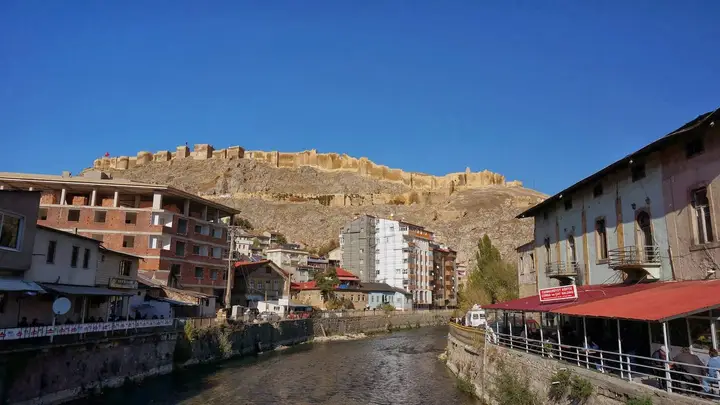
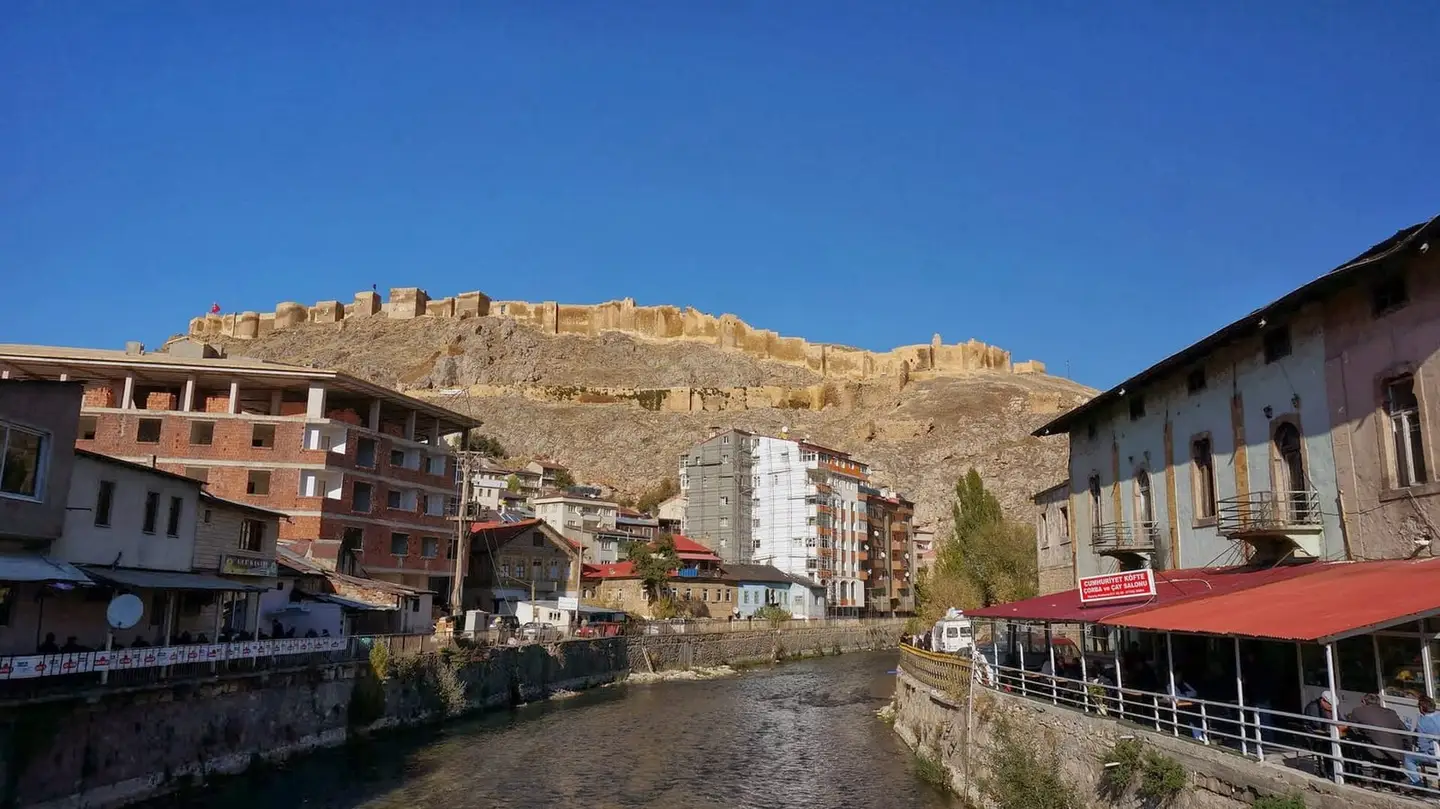
Bayburt Castle seen from the banks of the Çoruh Photo: Ben Bender (CC BY-SA 3.0) · Source
Historic

Bayburt Castle

The castle on the hilltop overlooking the city. It was repaired under the Byzantine emperor Justinian I and refortified under the Saltukids and Tuğrul Shah, Melik of Erzurum, against the Empire of Trebizond. Its walls, more than 2 km around, rise to 30 metres; the Ottomans called it 'Çinimaçin Castle' because of the coloured tiles on its outer face. Excavation and restoration have been under way since 2017.

View on map
Historic

Dede Korkut Tomb (Masat)

An old Turkmen tomb (türbe) near the village of Masat, 39 km from Bayburt, known locally as 'Ali Baba'. The theory that it belongs to Dede Korkut was put forward by Orhan Şaik Gökyay.

View on map
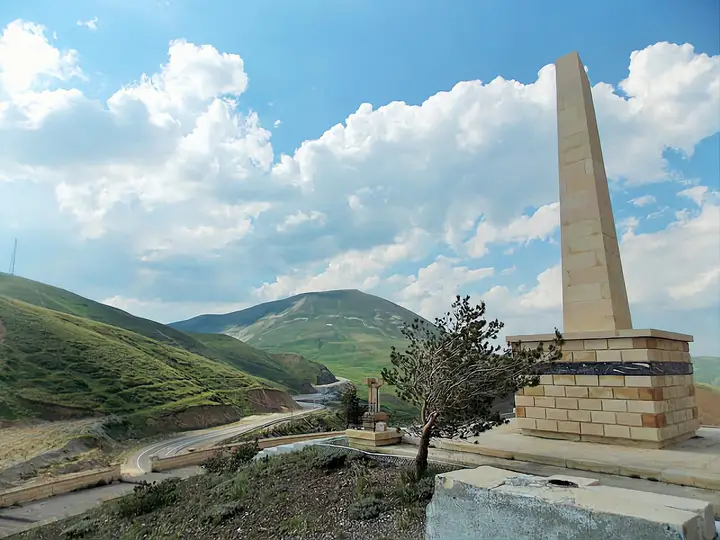
Kop Martyrs' Cemetery monument and mountain landscape Photo: Ferdimen (CC BY-SA 4.0) · Source
Historic

Kop Mountain Defence Historical National Park

On the Bayburt–Erzurum border, the area where the Ottoman 3rd Army defended against the Russians in the First World War; it was declared a national park in 2016. With 134 butterfly species, 10 of them endemic, it is one of the richest butterfly areas in Türkiye.

View on map

Ancient Cities 1

Ancient City

Aydıntepe Underground City

An underground city carved into volcanic tuff, found by chance during building excavations in 1988 at Aydıntepe, 25 km from Bayburt. It consists of rooms and halls 2.5 metres below ground, linked by corridors totalling 1 km. It dates from the Late Roman–Early Byzantine period.

View on map

Religious Buildings 2

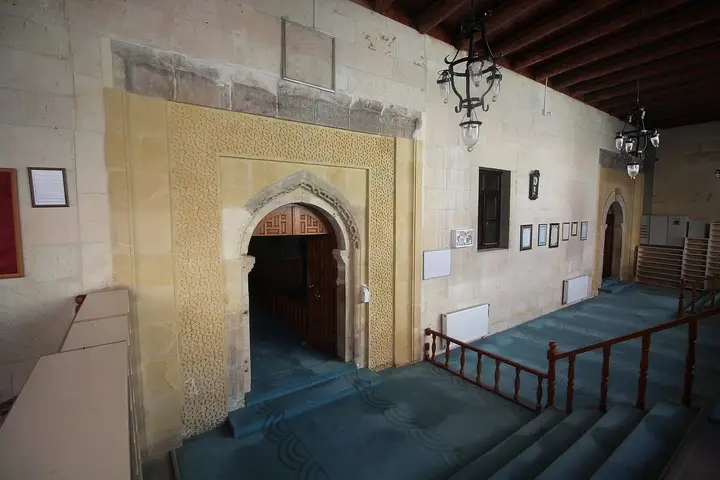
Portal of Bayburt Grand Mosque Photo: Ali Osman Dilekoğlu (CC BY-SA 4.0) · Source
Religious

Bayburt Grand Mosque

A congregational mosque believed to have been built during the reign of the Anatolian Seljuk Sultan Gıyaseddin Mesud II (1282–1298); it was rebuilt in the 1970s, remaining faithful to the original plan.

View on map
Religious

Sünür Kutlu Bey Mosque

A mosque built by Fahrettin Kutlu Bey, son of Turali Bey, founder of the Aq Qoyunlu; it was destroyed during the occupation by Shah Tahmasp and repaired in 1538 under Suleiman the Magnificent.

View on map

Museums 1

Museum

Baksı Museum

A museum of contemporary art and traditional handicrafts in the village of Bayraktar (formerly Baksı), 45 km from Bayburt, founded by the Bayburt-born painter Prof. Hüsamettin Koçan. It opened in 2010 and won the Council of Europe Museum Prize in 2014. In Old Turkish, 'baksı' means scholar, physician or shaman.

View on map

Natural Wonders 2

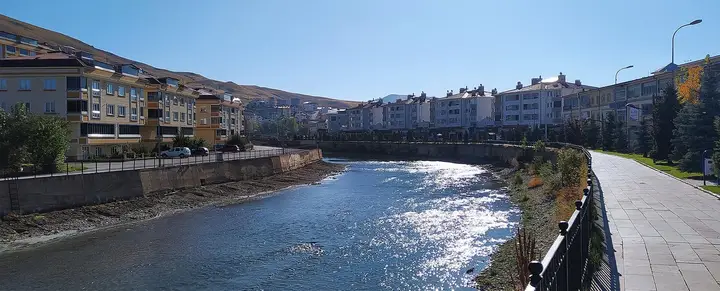
The Çoruh River in Bayburt Photo: Özgür Esen (CC BY-SA 4.0) · Source
Nature

Çoruh River Banks

The Çoruh, which rises on Mescit Mountain, flows through the middle of the city centre; its banks have been laid out with walking paths and tea gardens facing the castle.

View on map
Nature

Sırakayalar Waterfalls

Two separate waterfalls, one at the entrance to the village and one inside it, reached by a road that leaves the Bayburt–Erzurum road at km 6 and runs for 16 km. They are used as a picnic area in summer and freeze in winter.

View on map

Attractions 2

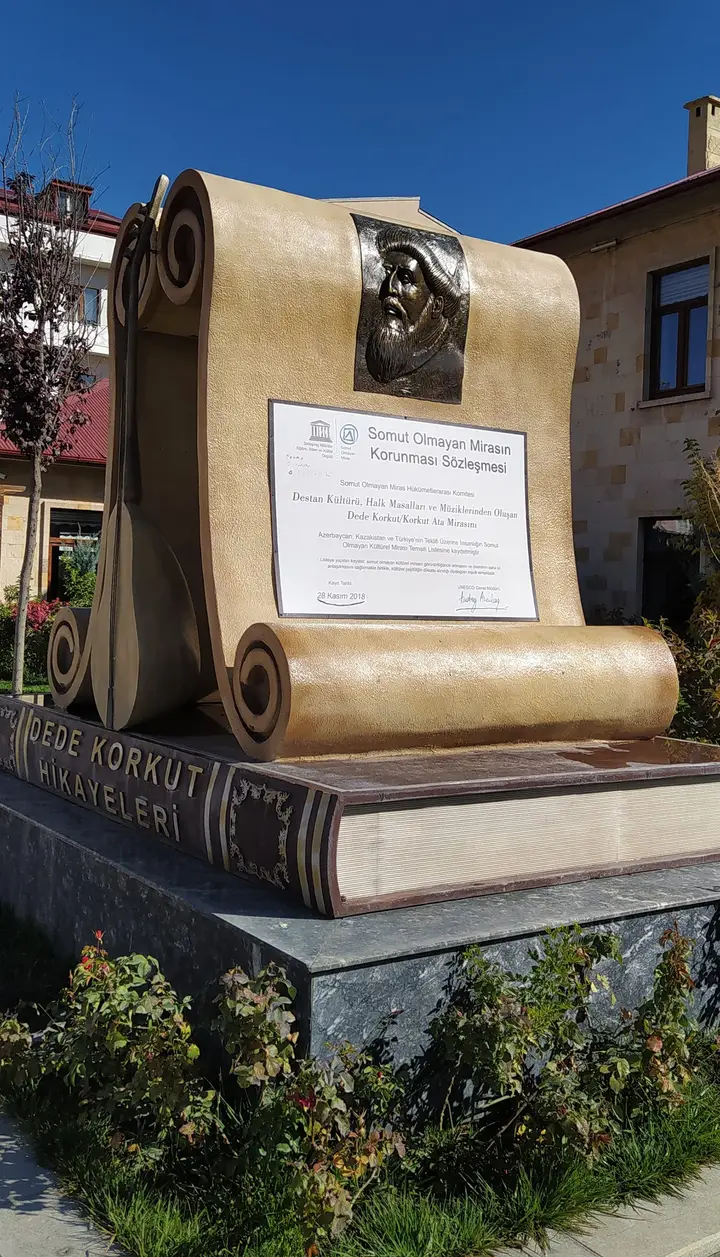
Dede Korkut monument and the UNESCO inscription Photo: Özgür Esen (CC BY-SA 4.0) · Source
Attraction

Dede Korkut Monument and Festival

The monument in the city centre symbolises the 'Heritage of Dede Korkut / Korkut Ata', which UNESCO added to its Intangible Cultural Heritage list in 2018. The international Dede Korkut Culture and Arts Festival is held every year in the third week of July.

View on map
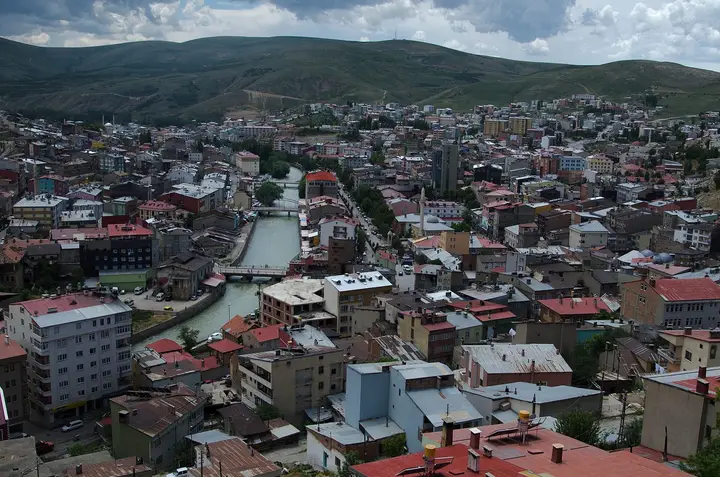
The city and the Çoruh seen from Bayburt Castle Photo: Scott Dexter (CC BY-SA 2.0) · Source
Attraction

Castle Viewpoint

From the top of the castle hill you can see the valley where the Çoruh divides the city in two, and the surrounding highland pastures; it is most impressive at sunset.

View on map

Getting to Know Bayburt

Bayburt lies in the high valley where the Çoruh River rises, on a branch of the historic Silk Road linking Erzurum and Trabzon. In the Byzantine period the city belonged to the Chaldia theme; after Malazgirt (Manzikert) it was one of the first places the Turks took in Anatolia. Under the Saltukids and Tuğrul Shah, Melik of Erzurum, the castle was rebuilt and became a frontier fortress against the Empire of Trebizond. The city was heavily damaged in the Russo-Turkish War of 1828–1829; it was attached to Gümüşhane in 1926 and became a province on 21 June 1989.

Bayburt holds a special place in Turkish culture. The theory that the tomb in the village of Masat belongs to Dede Korkut was put forward by Orhan Şaik Gökyay, and every year in the third week of July the city hosts the international Dede Korkut Culture and Arts Festival. The lament that Bayburtlu Zihni, one of the great folk poets of the 19th century, wrote for the Russian occupation of 1828 is still sung as a folk song.

The highland pastures just outside the city, the Kop and Soğanlı mountains and the Kop Mountain Defence Historical National Park preserve the memory of the Ottoman 3rd Army’s defence against the Russians in the First World War, and one of the richest butterfly areas in Türkiye.

When to Go

Bayburt is a high city (about 1,550 m) with a continental climate: winters are long and very cold, summers short and mild. Averages for 1959–2025 from the Turkish State Meteorological Service:

Month Avg. high Avg. low Rainfall Rainy days
January −0.8 °C −10.3 °C 27 mm 11
February 0.8 °C −9.2 °C 28 mm 11
March 6.0 °C −3.9 °C 44 mm 13
April 13.3 °C 1.8 °C 62 mm 14
May 18.4 °C 5.7 °C 73 mm 16
June 23.0 °C 8.5 °C 51 mm 11
July 27.3 °C 11.3 °C 22 mm 5
August 27.9 °C 11.2 °C 16 mm 4
September 23.7 °C 7.5 °C 22 mm 5
October 16.9 °C 3.6 °C 43 mm 9
November 8.9 °C −1.7 °C 34 mm 9
December 2.0 °C −6.8 °C 29 mm 11

The best period is June to September. July and August are the driest and warmest months, and the Dede Korkut Festival is also held in the third week of July. Nights are cool even in summer (average 11 °C). The lowest temperature ever recorded is −31.3 °C; in winter the Kop Mountain Pass can become difficult because of snow and blizzards.

How to Get to Bayburt

By air: Bayburt has no airport; the nearest are Erzurum and Trabzon airports.

By road: Bayburt is linked to Erzurum over the Kop Mountain Pass, and to Trabzon via Gümüşhane or via the Of–Soğanlı (Çaykara) road.

Bayburt Area by Area

  • Merkez: Bayburt Castle, the Grand Mosque, the Çoruh riverbank and the Dede Korkut monument; the Dede Korkut Tomb at the village of Masat, 39 km away; the Sırakayalar waterfalls.
  • Aydıntepe: The Aydıntepe Underground City, carved into volcanic tuff, and the registered sugar beans.
  • Demirözü: The highland pastures of the Kop and Soğanlı mountains.
  • Bayraktar village: The Baksı Museum (45 km from Bayburt).

Suggested Itineraries

Day 1 – The city and the castle: In the morning climb Bayburt Castle for a view over the Çoruh valley, then visit the Grand Mosque and the historic bazaar on the Çoruh; in the afternoon, the Aydıntepe Underground City.

Day 2 – Baksı and Dede Korkut: Contemporary art and traditional handicrafts at the Baksı Museum in the village of Bayraktar; on the way back, the Dede Korkut Tomb at Masat and the Sırakayalar waterfalls. If you are heading towards Erzurum, stop at the Kop Martyrs’ Cemetery.

Bayburt Cuisine

Bayburt has 13 geographical indications registered with TÜRKPATENT: Bayburt tatlı çorba (sweet soup), kavut çorbası (roasted-flour soup), lor dolması (curd-cheese dolma), süt böreği (milk börek), ketesi (flaky pastry), yalancı dolma (mock dolma), kara pancar yemeği (beetroot dish), ekşi lahana (sour cabbage), Bayburt tarhunu (Bayburt tarragon), Bayburt balı (Bayburt honey) and, with a designation of origin, Aydıntepe şeker fasulyesi (Aydıntepe sugar beans). Bayburt ehramı (woollen cover) as a handicraft and Bayburt taşı (Bayburt stone) as a building material are also registered.

Practical Tips

  • Because of the altitude, have a thick layer for the evenings even in summer.
  • The Baksı Museum may have limited visiting days; make sure it is open before you go.
  • If you use the Kop Mountain Pass in winter, carry chains and check road conditions.
Districts of Bayburt

Bayburt province has 3 districts. Explore the places to visit, local dishes and transport in each one.

What to Eat in Bayburt

All dishes →
  • Bayburt Tatlı Çorba (sweet soup)

    A traditional soup with a registered geographical indication.

  • Bayburt Lor Dolması (curd-cheese dolma)

    A dolma made with lor (curd cheese), with a registered geographical indication.

  • Bayburt Süt Böreği (milk börek)

    A börek with a registered geographical indication.

  • Bayburt Ketesi

    Kete (flaky pastry) with a registered geographical indication.

  • Kavut Çorbası (roasted-flour soup)

    A soup with a registered geographical indication.

What to eat in Bayburt: the full food guide

Bayburt: Frequently Asked Questions

What are the best places to visit in Bayburt?

The main stops are Bayburt Castle, the Grand Mosque, the Çoruh riverbank, the Dede Korkut monument and the Dede Korkut Tomb at Masat, the Baksı Museum, the Aydıntepe Underground City, the Sırakayalar waterfalls and the Kop Mountain Defence Historical National Park.

Is Dede Korkut connected with Bayburt?

The theory that the old Turkmen tomb in the village of Masat, 39 km from Bayburt, belongs to Dede Korkut was put forward by Orhan Şaik Gökyay. The city holds the Dede Korkut Culture and Arts Festival every July.

Where is the Baksı Museum?

It is in the village of Bayraktar, 45 km from Bayburt; it won the Council of Europe Museum Prize in 2014.

How do you get to Bayburt?

Bayburt has no airport. Fly to Erzurum or Trabzon and continue by road.

What is Bayburt famous for?

Tatlı çorba, lor dolması, süt böreği, kete, kavut çorbası, Bayburt honey and Aydıntepe sugar beans; the province has 13 registered geographical indications.

When is the best time to visit Bayburt?

June to September is the best period. Winters are very cold; the average low in January is −10 °C.

More from the Bayburt Guide

Other Provinces in the Black Sea Region

Sources

The information in this guide has been compiled from and checked against the sources below (last checked: 7 October 2026). If you spot an error, please let us know.

  1. Vikipedi – Bayburt
  2. Vikipedi – Bayburt (il)
  3. Meteoroloji Genel Müdürlüğü – Bayburt il istatistikleri
  4. Vikipedi – Bayburt Kalesi
  5. Vikipedi – Bayburt Ulu Camii
  6. Vikipedi – Masat, Bayburt
  7. Vikipedi – Baksı Müzesi
  8. Vikipedi – Aydıntepe Yeraltı Şehri
  9. Vikipedi – Kop Dağı Müdafaası Tarihî Millî Parkı
  10. Vikipedi – Sırakayalar Şelalesi
  11. Vikipedi – Bayburtlu Zihni
  12. Vikipedi – Hüsamettin Koçan
  13. Vikipedi – Türkiye'de tescilli coğrafi işaretler listesi
  14. TÜRKPATENT – Bayburt Tatlı Çorba
  15. TÜRKPATENT – Aydıntepe Şeker Fasulyesi

Search 81 province guides and 968 district guides.