Getting to Know Ordu
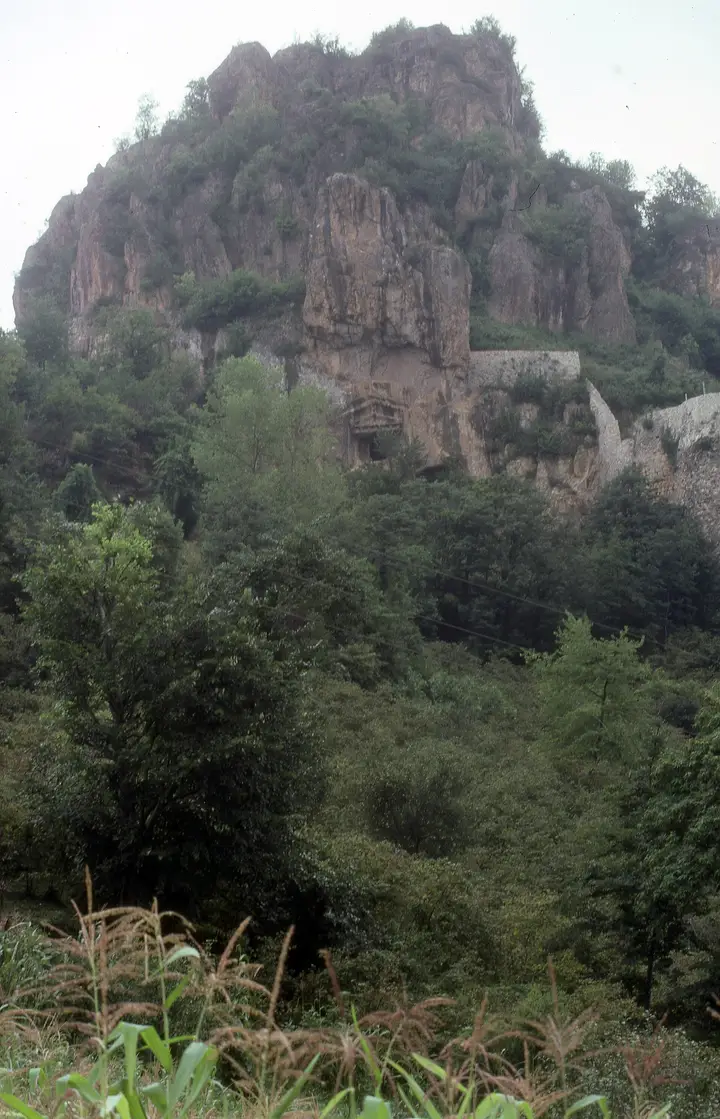
Ordu lies on the Black Sea coast, among green hills and mountains that rise straight from the sea; the provincial centre is Altınordu. The city’s ancient name was Kotyora, where Xenophon’s Ten Thousand halted on their way home around 400 BC. The region came under the rule, in turn, of the Kingdom of Pontus, Rome, Byzantium, the Danishmendids and the Hacıemiroğulları Principality, and joined the Ottoman Empire in the 15th century. In the 19th century, when Greek, Georgian and Turkish communities lived here, Taşbaşı Church (1853) and the Paşaoğlu Mansion, which belonged to a family who came from Batumi after the Russo-Turkish War of 1877–78, are traces of that period. Ordu became a sanjak in 1920 and a province in 1923.
The province’s economy and landscape are identified with the hazelnut: Ordu is the largest hazelnut producer in Türkiye, and the harvest season, which begins in August, is the liveliest time in the countryside. The land rises quickly inland from the coast and reaches wide highlands such as Çambaşı and Perşembe; the Perşembe Plateau Fair in Aybastı, with a history of more than 900 years, is known as one of the oldest highland festivals in Türkiye.
Ordu is one of the rainiest provinces in Türkiye; rain falls all year round and keeps the province lush and green. Ordu-Giresun Airport, built on land reclaimed from the sea jointly with Giresun and opened in 2015, is the first airport built on the sea in Türkiye and in Europe.
When to Go
Ordu has a mild Black Sea climate with rain in every season. Averages for 1959–2025 from the Turkish State Meteorological Service:
| Month |
Avg. high |
Avg. low |
Rainfall |
Rainy days |
| January |
11.0 °C |
4.1 °C |
102 mm |
14 |
| February |
11.1 °C |
4.1 °C |
85 mm |
14 |
| March |
12.3 °C |
5.3 °C |
83 mm |
15 |
| April |
15.3 °C |
8.4 °C |
67 mm |
14 |
| May |
19.2 °C |
12.6 °C |
57 mm |
13 |
| June |
24.2 °C |
16.8 °C |
71 mm |
11 |
| July |
26.9 °C |
19.7 °C |
67 mm |
10 |
| August |
27.5 °C |
20.2 °C |
69 mm |
10 |
| September |
24.4 °C |
17.0 °C |
84 mm |
12 |
| October |
20.3 °C |
13.1 °C |
131 mm |
14 |
| November |
16.7 °C |
9.0 °C |
120 mm |
13 |
| December |
13.2 °C |
6.1 °C |
114 mm |
14 |
The best time to visit is June to September. The highland festivals and the Perşembe Plateau Fair are held in July; the hazelnut harvest begins in mid-August. October and November are the rainiest months. Winters are mild on the coast and snowy in the highlands.
How to Get to Ordu
By air: Ordu-Giresun Airport (OGU) lies between Gülyalı and Piraziz, about 20 km from Ordu centre.
By road: Ordu lies on the Samsun–Trabzon coastal road, about 160 km from Samsun and about 45 km from Giresun. The Ordu–Mesudiye road connects to Sivas. There is no railway in the province.
Ordu Area by Area
- Altınordu (centre): Boztepe and the cable car, Taşbaşı Church Cultural Centre, Paşaoğlu Mansion Ethnography Museum, and the seafront walking and cycling path.
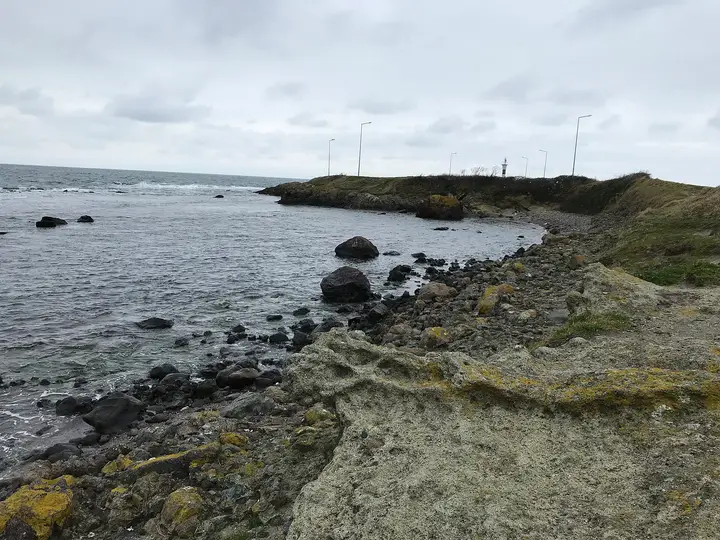
- Perşembe: Jason Point and its church, Hoynat Island and Çaka Beach.
- Ünye and Fatsa: Ünye Castle and the historic Ünye houses, and Fatsa’s beaches; the registered Ünye Isabella grape juice.
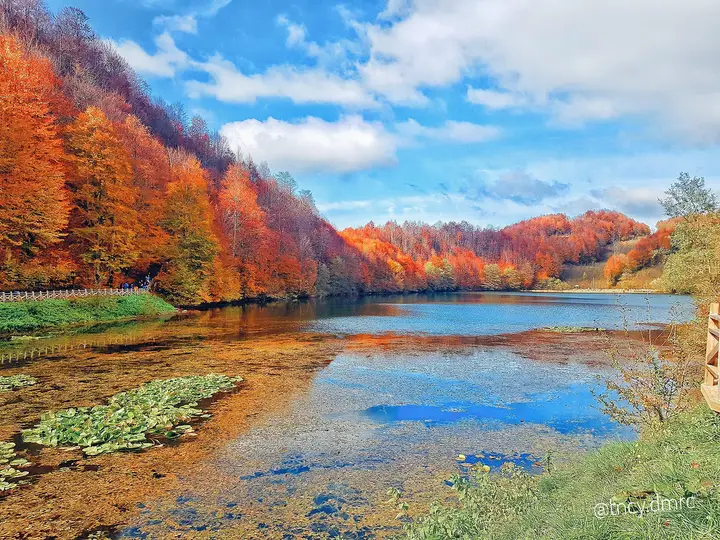
- Gölköy and Kabadüz: Ulugöl landslide-dammed lake, Gaga Lake and the Çambaşı Plateau.
- Aybastı and Kabataş: the Perşembe Plateau and its fair, and the registered Kabataş halva.
- Mesudiye and Akkuş: the interior overlooking the Kelkit valley, Akkuş sugar beans and Mesudiye goliti.
Suggested Itineraries
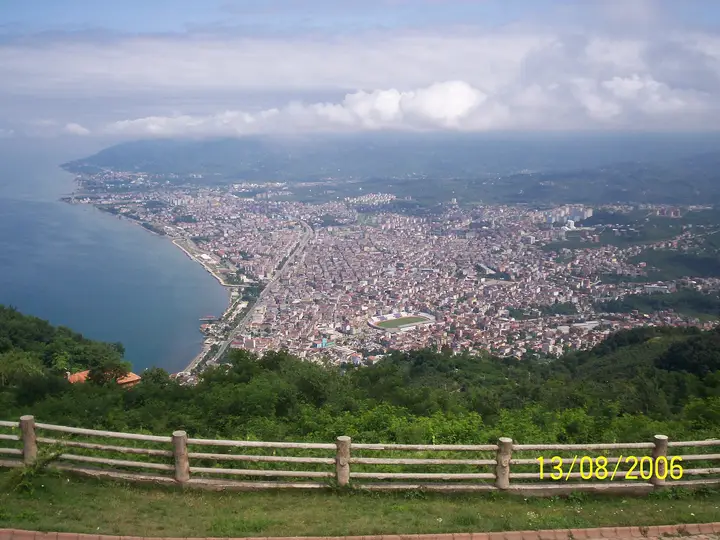
Day 1 – Ordu centre: Take the cable car up to Boztepe for views of the city and the Black Sea; Taşbaşı Church and the Paşaoğlu Mansion. In the evening, a walk along the seafront road and Ordu pidesi.
Day 2 – Jason Point and Ünye: Jason Point and Hoynat Island in Perşembe; then Ünye Castle and the historic houses.
Day 3 – The highlands: The Çambaşı Plateau, or Ulugöl in Gölköy; if you are there in July, the Perşembe Plateau Fair in Aybastı.
Ordu Cuisine
At the heart of Ordu cuisine are hazelnuts, corn, black cabbage and highland produce. The delicacies with a registered geographical indication are Ordu pidesi (yağlısı) (buttery pide), Ordu tostu, Ordu içli tava (stuffed pan dish), Ordu pancar (karalahana) çorbası (Swiss chard and black cabbage soup), Ordu zeytinyağlı karalahana sarması (black cabbage rolls in olive oil), Ordu sakarca mıhlaması (sakarca fish with cornmeal), Ordu galdirik (galdirik greens), melocan (melocan greens), fındık tirmidi (hazelnut tirmit) and fırın fasulyesi kavurmaları (oven-baked bean dishes), Ordu fındıklı burma tatlısı (hazelnut burma dessert), Ordu Perşembe ceviz helvası (Perşembe walnut halva), Kabataş helvası, Yalıköy köftesi (Yalıköy meatballs), Mesudiye kuru ekmeği (goliti) (Mesudiye dry bread), Ordu taflan turşusu (cherry laurel pickle) and yayla pancarı turşusu (highland chard pickle), and Ordu dağ çileği reçeli (wild strawberry jam). The registered products are Ordu çakıldak fındığı (Ordu çakıldak hazelnut), Gürgentepe çakıldak fındığı (Gürgentepe çakıldak hazelnut), Ordu kivisi (Ordu kiwi), Akkuş şeker fasulyesi (Akkuş sugar beans), Gürgentepe çoban fasulyesi (Gürgentepe shepherd’s beans) and Ünye izabella üzüm suyu (Ünye Isabella grape juice).
Practical Tips
- The Boztepe cable car leaves from the seafront road; in clear weather, choose sunset for the view.
- Take a raincoat with you in every season; sudden downpours can occur even in the summer months.
- Highland roads may be closed by snow in winter; June to September is suitable for the Çambaşı and Perşembe highlands.
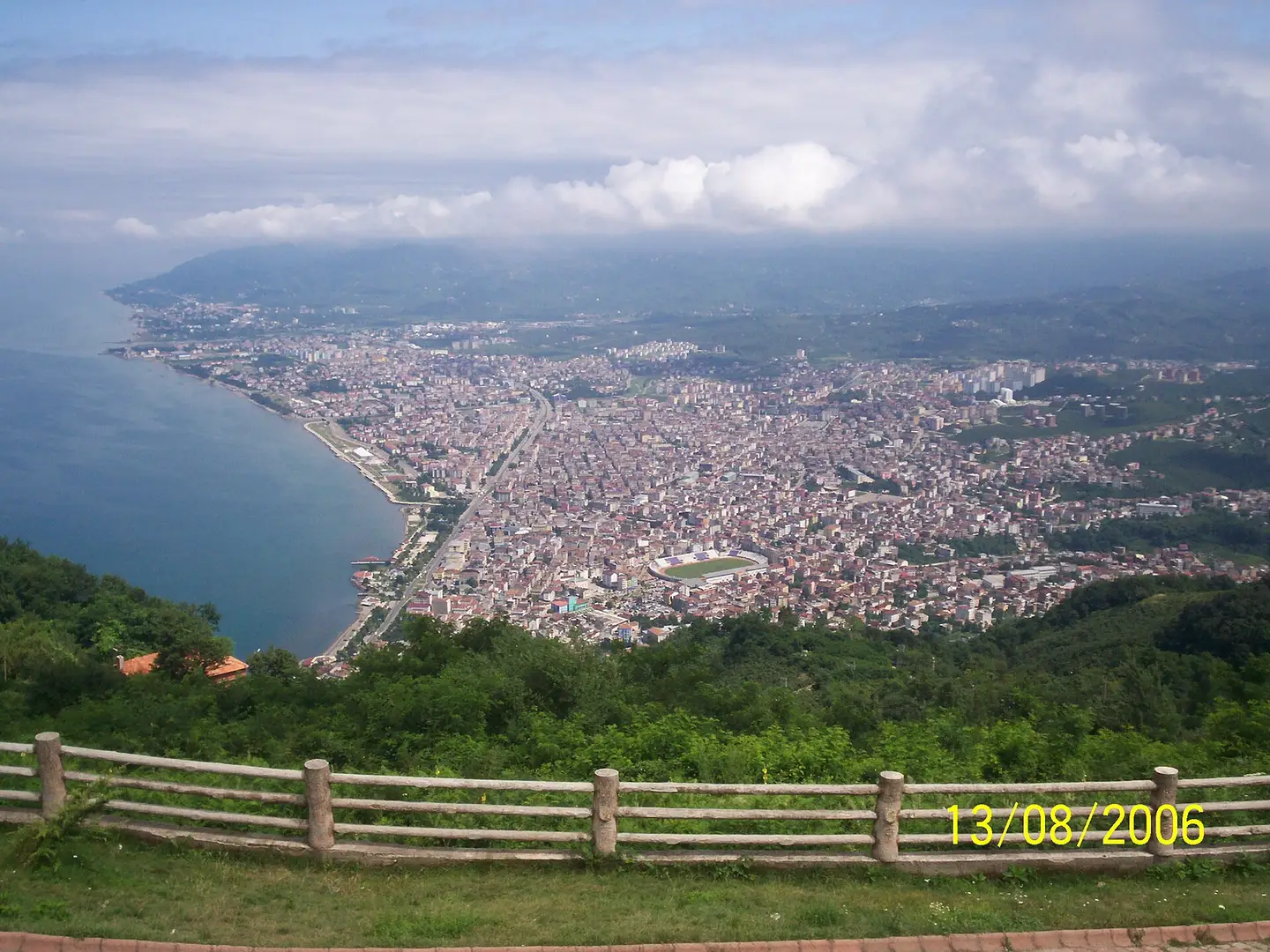
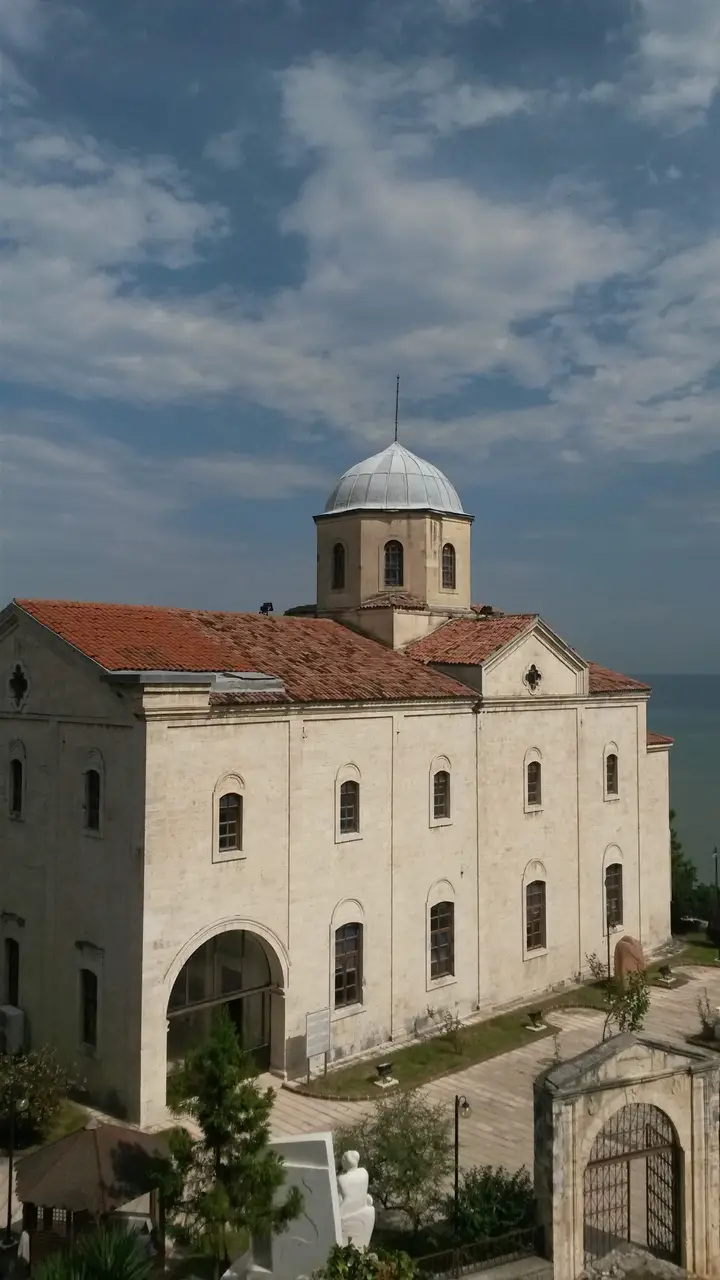 Photo: Demir dude (CC BY-SA 4.0) · Source