Fatsa Castle (Bolaman Castle)
A castle on a hill overlooking the sea in Bolaman town, dating from the Kingdom of Pontus. From the area around the castle, views of the Black Sea and the Bolaman Stream valley can be seen.
View on map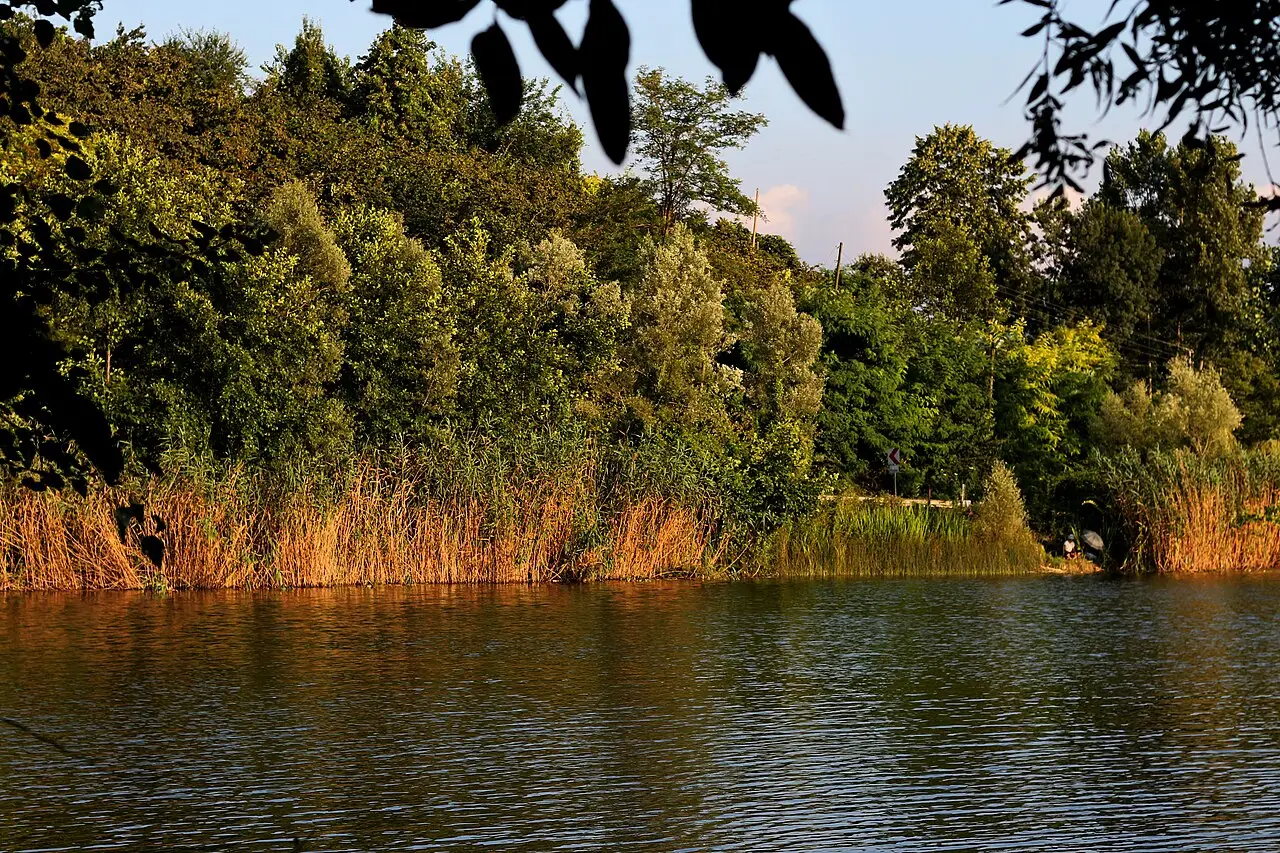 Photo: Yılmaz Kilim (CC BY 3.0) · Source
 10 places to visit in the Fatsa district of Ordu: Fatsa Castle (Bolaman Castle), Bolaman Shore and Gaga Lake. Plan your trip to Fatsa with local food, practical tips and transport information.
Fatsa is a district of Ordu province. It covers 363 km², lies at an elevation of 8 m and has a population of 129,844. It was founded before the Republic. It lies 40.2 km west of Ordu city centre and 110 km east of Samsun province. It is one of the important commercial centres that shape the regional economy.
Known for its widespread hazelnut production, the district has contributed significantly to Türkiye becoming the 30th country in the world with the largest area of organic production.
The oldest name of the town in records is Polemonion, derived from the name of King I. Polemon of Pontus. The present name, Fatsa, was influenced by the Modern Greek word Φάτσα, meaning a face or the front of a building on the seashore, derived from the Italian word faccia.
The period of Pontic Kingdom rule caused the region, known as Side, to grow stronger still.
The definitive settlement of the Turks in the Fatsa region was brought about by raids that followed the Battle of Malazgirt in 1071. Sevli Bey, one of the beys of Danişmend Gazi, conquered the Samsun, Ünye, Fatsa and Giresun regions and succeeded in advancing as far as Trabzon.
From 1851 to 1856, the town of Fatsa had the status of a kaza (district). From 1869 to 1872 it was a nahiye (sub-district) attached to the Ünye kaza, and in 1878 it was made a kaza again.
On 4 December 1920 the Ordu sanjak was established, with its centre at Ordu and with the Fatsa and Ünye kazas attached to the Canik sanjak.
The definitive settlement of the Turks in the Fatsa region took place through the raids that followed the Battle of Malazgirt in 1071. Fatsa was included within Ottoman borders in 1427–1428, with the Canik campaign of Yörgüç Pasha. A rescue excavation was carried out at Cıngırt Castle in 2012. The geographical indication for Yalıköy köfte was registered on 1 February 2022.
From 4 April 1921 onwards, Ordu became an independent sanjak centre, with the kazas of Fatsa and Ünye joining it. The Sarmaşık Thermal Springs in Fatsa district are the most important among its mineral waters. Fatsa is a district of Ordu province in the Eastern Black Sea region of Türkiye.
Last updated:
A castle on a hill overlooking the sea in Bolaman town, dating from the Kingdom of Pontus. From the area around the castle, views of the Black Sea and the Bolaman Stream valley can be seen.
View on mapA 19th-century church on the cape extending into the Black Sea. It is known as the place where Jason stopped while searching for the Golden Fleece in the legend of the Argonauts. It is notable for its sea views and historic atmosphere.
View on mapA castle in Bolaman town, built as a chain of structures on a headland extending towards the sea. A wooden mansion was built on the inner castle in the 18th century.
View on mapA castle listed among the registered cultural assets, according to a report from Fatsa Municipality.
View on mapCounted among the ancient settlement areas that can be visited in Fatsa.
View on mapA mosque counted among the historic buildings that can be visited in Fatsa.
View on mapThe Bolaman shore east of Fatsa, with its sandy beach and calm sea, is a holiday spot favoured in the summer months. A fishing shelter and seafront restaurants are available.
View on map Photo: Yılmaz Kilim (CC BY 3.0) · Source
 A natural lake 15 km from Fatsa, at an elevation of 950 metres above sea level, surrounded by forest. It is an ideal natural area for birdwatching, walking and picnics.
View on mapCounted among the waterfalls that can be visited in the district of Fatsa.
View on mapWhile you are in Fatsa, you can also see the highlights of Ordu province. These places are in other districts.
A Black Sea pide made with buttery dough, baked in a stone oven in minced meat, cheese and egg versions.
Hamsi, the emblematic fish of the Black Sea, is fried in cornmeal and served. It is the most popular dish of the winter months.
A soup made with kale, cornmeal and beans, one of the basic dishes of Black Sea cuisine.
A meatball made in Yalıköy neighbourhood of Fatsa, registered as a geographical indication. It is cooked in hot, plentiful oil.
A bread from Yalıköy neighbourhood, known alongside its köfte.
It is reported that Kabakdağ Village in Fatsa has more than 100 varieties of local dishes.
In Greek mythology, Cape Yason is known as a place where Jason and the Argonauts stopped on their way to Colchis in search of the Golden Fleece. This legend is an important part of Fatsa's cultural identity.
The hazelnut harvest in August and September is Fatsa's most important social event. Families and seasonal workers gather hazelnuts together.
Fatsa's economy rests on hazelnut production and trade. Hazelnut processing facilities provide significant employment in the district. Fishing, livestock farming and tourism are also sources of income.
Fatsa is 25 km from Ordu and 40 km from Ordu–Giresun Airport. The coastal road (E-010) passes through the district.
The 10 highlights of Fatsa are Fatsa Castle (Bolaman Castle), Bolaman Shore, Gaga Lake, Cape Yason (Yason Church), Bolaman Castle and Hazinedaroğlu Mansion, Cıngırt Castle, Kaleönü Castle, the Ancient City of Polemenium, Kanlı Irmak Waterfall and Gölbaşı Mosque.
Fatsa Pide, Hamsi Tava, Karalahana Çorbası and Yalıköy köftesi are the standout dishes at Fatsa tables.
Fatsa is known for its Hazelnuts and the Legend of the Argonauts. Fatsa is one of the most important hazelnut-producing districts of Ordu. The Tombul hazelnut variety is in demand in world markets.
Fatsa is 25 km from Ordu and 40 km from Ordu–Giresun Airport. The coastal road (E-010) passes through the district.
Suggested visit length: 1 day. Best time to visit: summer months (June–September).