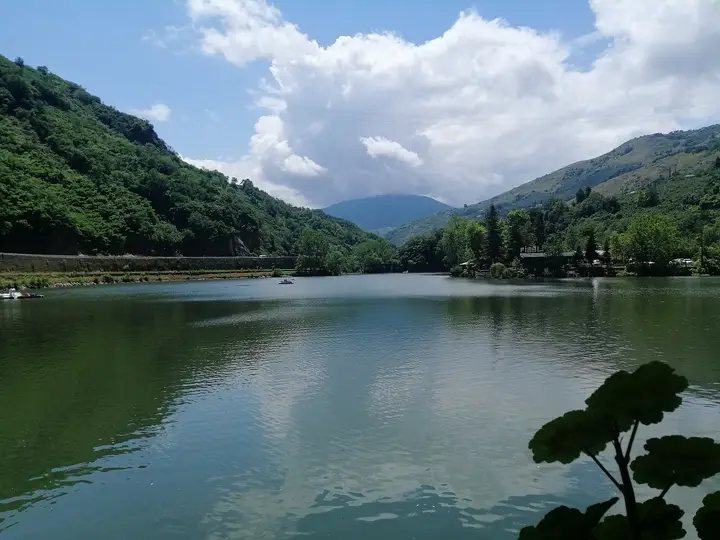
Trabzon is the gateway to the Eastern Black Sea, the capital of the Empire of Trebizond and the province of Sumela Monastery, Uzungöl, Hagia Sophia and the Atatürk Pavilion. Highlights are Sumela at 1,150 metres, the Hagia Sophia dating from the Empire of Trebizond, Boztepe and the highland pastures on the Zigana road. Akçaabat köftesi, Hamsiköy sütlacı, Tonya butter and the Sürmene knife are registered.

Share with friends

Last updated:

Places to Visit in Trabzon

10 places worth seeing in Trabzon, from historic monuments to natural wonders, grouped by type. Open any of them on the map with a single click.

  • 3 Historic
  • 2 Religious
  • 1 Museum
  • 3 Nature
  • 1 Cultural

Historic Sites 3

Hagia Sophia in Trabzon Photo: Balkanique (CC BY-SA 4.0) · Source
Historic

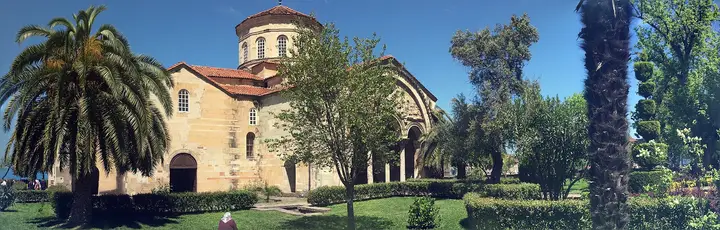
Hagia Sophia

Located in the Fatih neighbourhood and regarded as the best-preserved surviving monument of the Empire of Trebizond, the building combines Byzantine provincial style, a Georgian onion dome and Seljuk stonework; today it is a mosque.

View on map
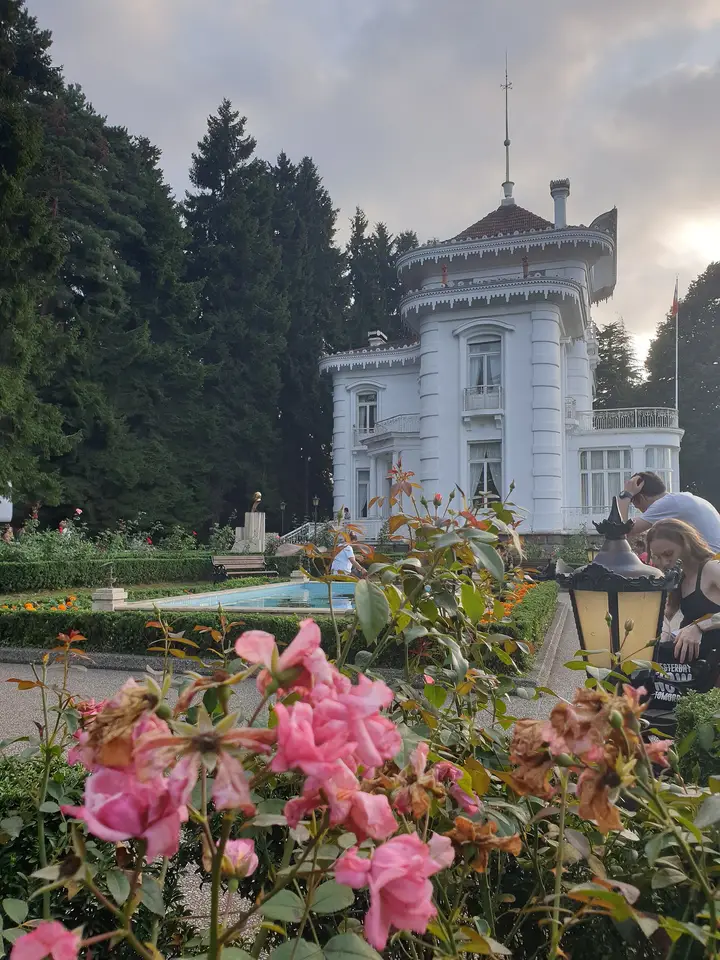
The Atatürk Pavilion in Trabzon Photo: Kadıoğlu Muhsin (CC BY-SA 4.0) · Source
Historic

Atatürk Pavilion

A four-storey pavilion (including its basement) with Western Renaissance influences, set in a pine grove at Soğuksu; it was built between 1890 and 1912 as a summer residence by the Greek-born banker Konstantin Kabayanidis.

View on map
Historic

Trabzon Castle

A castle on Byzantine foundations in the highest part of Ortahisar, stretching from the seashore to the hills behind the city; it has three sections: Upper Castle (Yukarı Hisar), Middle Castle (Orta Hisar) and Lower Castle (Aşağı Hisar).

View on map

Religious Buildings 2

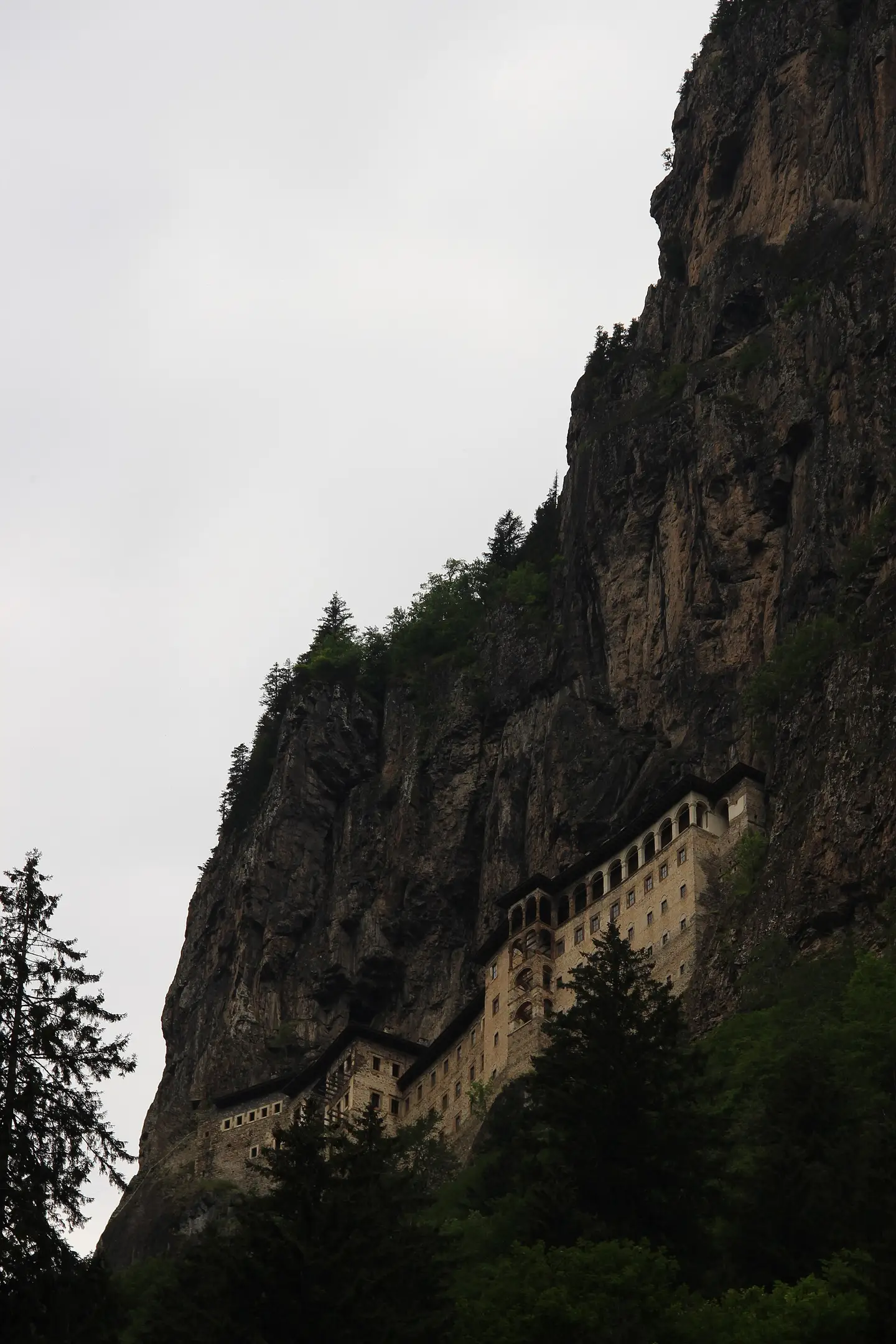
Sumela Monastery
Religious

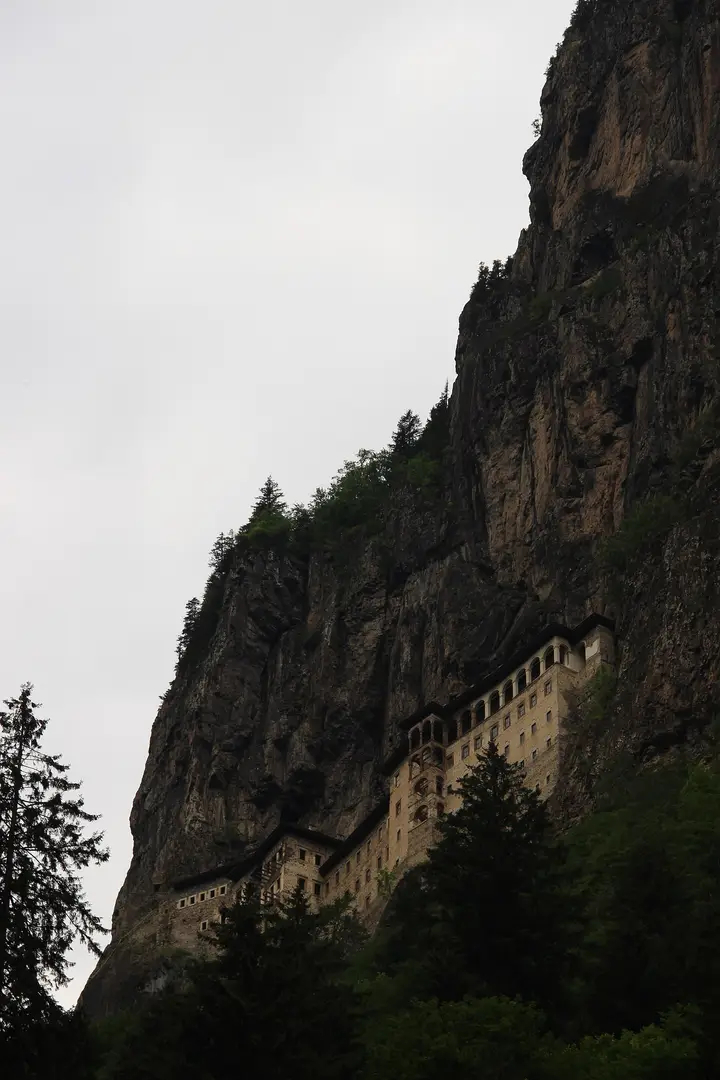
Sumela Monastery

A Greek Orthodox monastery in Maçka, within Altındere Valley National Park, at an altitude of 1,150 metres above Mount Kara; the first church was built in AD 365–395, and in 2010 the first service in 88 years was held on 15 August.

View on map
Religious

Vazelon Monastery

In Maçka, about 40 km south of Trabzon; a Greek Orthodox monastery whose origins are traced to the 3rd century and which Justinian I ordered repaired in 565.

View on map

Museums 1

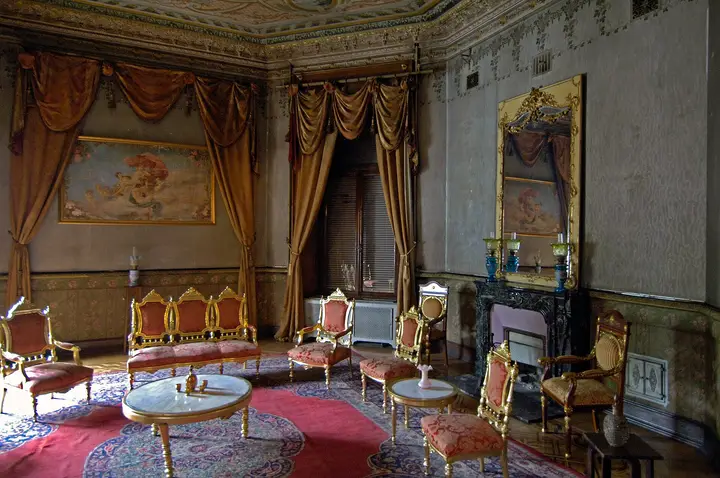
Interior of the Trabzon Museum Photo: Dosseman (CC BY-SA 4.0) · Source
Museum

Trabzon Museum (Kostaki Mansion)

A mansion with Italian architectural influences on Zeytinlik Street, built between 1898 and 1913 by the banker Kostaki Teofilaktos; today it serves as a museum.

View on map

Natural Wonders 3

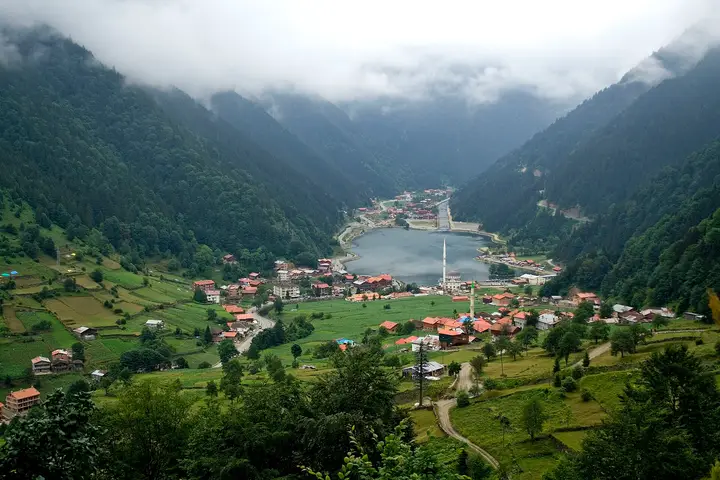
Uzungöl and its surroundings Photo: İhsan Deniz Kılıçoğlu (CC BY-SA 3.0) · Source
Nature

Uzungöl

A landslide-dammed lake in Çaykara, formed by rocks that blocked the Haldizen Stream; it is 1,000 metres long and 500 metres wide, and 15 metres deep at its deepest point.

View on map
Lake Sera Photo: Mustafa Özgen (CC BY-SA 4.0) · Source
Nature

Lake Sera

A landslide-dammed lake in the Derecik Valley in Akçaabat, formed on 21 February 1950 when rock broken away by excessive rainfall blocked the valley floor.

View on map
Nature

Boztepe

A hill 3 km south-east of Ortahisar, known as Minthrion in the Byzantine and Pontic periods, with four sacred fountains.

View on map

Cultural Venues 1

Cultural

Hamsiköy

A highland village in Maçka; Hamsiköy sütlacı (rice pudding) has a registered geographical indication.

View on map

Getting to Know Trabzon

Trabzon lies in the western part of the Eastern Black Sea region; it is a city that climbs from the sea up the slopes, and a province divided by valleys among high mountains. Known in antiquity as Trapezus, the city was the capital of the Empire of Trebizond in the Byzantine period and afterwards. Among its best-known historic buildings is Hagia Sophia (now a mosque), regarded as the best-preserved surviving monument of the Empire of Trebizond; it combines Byzantine provincial style, a Georgian onion dome and Seljuk stonework.

The symbol of the province, Sumela Monastery, is a Greek Orthodox monastery and church complex in the Maçka district, within Altındere Valley National Park, on Mount Kara at 1,150 metres above sea level; it is thought to have been built in AD 365–395. In 2010, after a gap of 88 years, the first service was held on 15 August. In the central district of Ortahisar, the Trabzon Atatürk Pavilion (1890–1912) and the Kostaki Mansion (now the Trabzon Museum, 1898–1913) are examples of late 19th-century architecture.

Trabzon’s highland pastures, landslide-dammed lakes such as Uzungöl and Lake Sera, and its Black Sea cuisine are also among the province’s strengths. Lake Sera was formed on 21 February 1950, when rock broken away from the slopes of the Derecik Valley by excessive rainfall blocked the valley floor.

When to Go

Trabzon has a mild, wet Black Sea climate; September to November is the wettest period. Averages for 1927–2025 from the Turkish State Meteorological Service:

Month Avg. high Avg. low Rainfall Rainy days
January 10.9 °C 4.8 °C 83 mm 12
February 10.8 °C 4.5 °C 64 mm 12
March 12.0 °C 5.5 °C 60 mm 13
April 15.6 °C 8.8 °C 57 mm 12
May 19.2 °C 13.0 °C 53 mm 12
June 23.3 °C 17.2 °C 52 mm 10
July 26.1 °C 20.0 °C 37 mm 8
August 26.7 °C 20.5 °C 48 mm 8
September 23.9 °C 17.5 °C 79 mm 10
October 20.1 °C 13.7 °C 113 mm 12
November 16.6 °C 10.1 °C 99 mm 11
December 13.1 °C 6.8 °C 85 mm 12

The best time is June to early September. Uzungöl and the highland roads are accessible in the summer months; on some days, rain and fog can close off the view at Sumela.

How to Get to Trabzon

By air: Trabzon Airport entered service in 1957; it is 5 km east of the city centre and is operated by DHMİ (the State Airports Authority).

By road: Continue along the Samsun–Trabzon coastal road towards Hopa; the Zigana Tunnel connects to the Gümüşhane–Erzurum road.

Trabzon Area by Area

  • Ortahisar (centre): Hagia Sophia, Trabzon Castle, the Atatürk Pavilion, the Trabzon Museum (Kostaki Mansion), Boztepe (3 km from the centre, ancient Minthrion).
  • Maçka: Sumela Monastery, Vazelon Monastery, Hamsiköy and Altındere Valley National Park.
  • Çaykara: Uzungöl (1,000 × 500 metres, 15 metres deep).
  • Akçaabat: Formerly called Polathane; known for its köfte and horon, and Lake Sera lies within the district boundaries.
  • Sürmene, Of and Araklı: the Sürmene knife and pide, Of, the beaches of Araklı.
  • Vakfıkebir, Tonya, Çarşıbaşı and Şalpazarı: Vakfıkebir bread and barrel cheese, Tonya butter, Çarşıbaşı keşanı and Ağasar regional costumes.

Suggested Itineraries

Day 1 – Central Trabzon: Hagia Sophia, Trabzon Castle, the Atatürk Pavilion and the Trabzon Museum; tea on Boztepe in the evening.

Day 2 – Sumela and Maçka: Sumela Monastery and Vazelon Monastery, rice pudding in Hamsiköy.

Day 3 – Uzungöl: A walk around Uzungöl in Çaykara; on the way back, knives and pide in Sürmene.

Trabzon Cuisine

Trabzon cuisine is based on maize, anchovies, cheese and butter. Delicacies with registered geographical indications: Akçaabat köftesi (Akçaabat meatballs), Hamsiköy sütlacı (Hamsiköy rice pudding), Trabzon kuymağı (cornmeal and cheese fondue), Vakfıkebir ekmeği (Vakfıkebir bread), Vakfıkebir külek peyniri (Vakfıkebir barrel cheese), Sürmene pidesi, Çarşıbaşı keşanı, Trabzon kazaziyesi, Tonya tereyağı (Tonya butter) and Arsin Foşa fındığı (Arsin Foşa hazelnuts). Products: Yomra elması (Yomra apples).

Handicrafts

The Sürmene bıçağı (Sürmene knife), Trabzon telkariye ve hasırı (Trabzon filigree and hasır), Trabzon fanilası (Trabzon vest) and Ağasar (Şalpazarı) yöresel giysileri (Ağasar/Şalpazarı regional costumes) have registered geographical indications.

Practical Tips

  • Going to Sumela in the morning helps you avoid both the crowds and the fog.
  • Uzungöl is very crowded in summer; if possible, go early in the morning.
  • Accommodation should be booked in advance for the anchovy season (November to February) and for the summer highland season.
Districts of Trabzon

Trabzon province has 18 districts. Explore the places to visit, local dishes and transport in each one.

What to Eat in Trabzon

All dishes →
  • Akçaabat Köftesi (Akçaabat meatballs)

    Köfte (meatballs) with a registered geographical indication.

  • Hamsiköy Sütlacı (Hamsiköy rice pudding)

    Rice pudding with a registered geographical indication.

  • Trabzon Kuymağı (Trabzon cornmeal and cheese fondue)

    Kuymak (muhlama) with a registered geographical indication.

  • Vakfıkebir Ekmeği (Vakfıkebir bread)

    Bread with a registered geographical indication.

  • Sürmene Pidesi

    Pide with a registered geographical indication.

  • Çarşıbaşı Keşanı

    Keşan with a registered geographical indication.

What to eat in Trabzon: the full food guide

Trabzon: Frequently Asked Questions

What are the best places to visit in Trabzon?

The main stops are Sumela Monastery, Uzungöl, Hagia Sophia, the Atatürk Pavilion, the Trabzon Museum, Boztepe, Lake Sera and Vazelon Monastery.

What is Trabzon famous for?

Akçaabat köftesi, Hamsiköy sütlacı, kuymak, the Sürmene knife and Tonya butter.

Where is Sumela Monastery?

It is in the Maçka district, within Altındere Valley National Park, at an altitude of 1,150 metres.

How was Uzungöl formed?

It is a landslide-dammed lake, formed when rocks falling from the slopes blocked the Haldizen Stream.

When is the best time to visit Trabzon?

June to early September is the best time; autumn is the wettest season.

More from the Trabzon Guide

Other Provinces in the Black Sea Region

Sources

The information in this guide has been compiled from and checked against the sources below (last checked: 8 October 2026). If you spot an error, please let us know.

  1. Vikipedi – Trabzon
  2. Meteoroloji Genel Müdürlüğü – Trabzon il istatistikleri
  3. Vikipedi – Sümela Manastırı
  4. Vikipedi – Ayasofya (Trabzon)
  5. Vikipedi – Uzungöl
  6. Vikipedi – Trabzon Atatürk Köşkü
  7. Vikipedi – Trabzon Müzesi
  8. Vikipedi – Sera Gölü
  9. Vikipedi – Trabzon Kalesi
  10. Vikipedi – Boztepe (Trabzon)
  11. Vikipedi – Vazelon Manastırı
  12. Vikipedi – Trabzon Havalimanı
  13. TÜRKPATENT – Akçaabat Köftesi
  14. TÜRKPATENT – Hamsiköy Sütlacı
  15. TÜRKPATENT – Tonya Tereyağı
  16. Vikipedi – Türkiye'de tescilli coğrafi işaretler listesi

Search 81 province guides and 968 district guides.