İssiporto Harbour (İssiporto Limanı)
Described by the Roman governor Arrian in AD 131–132, the harbour is known today as Araklı Harbour and points to its historical importance.
View on map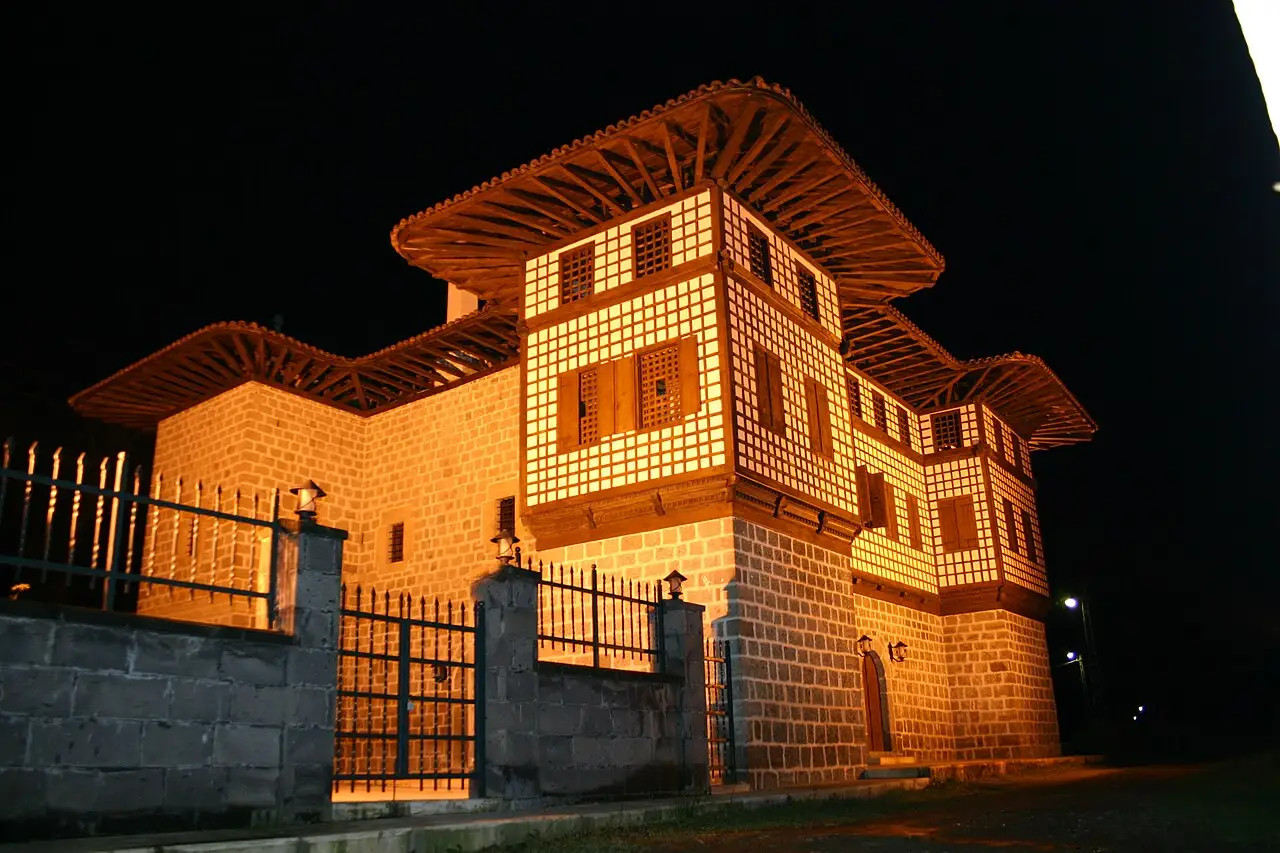
6 places to visit in the Sürmene district of Trabzon: İssiporto Harbour (İssiporto Limanı), Halanik and Sürmene Kastel Castle (Sürmene Kastel Kalesi). Plan your trip to Sürmene with local food, practical tips and transport information.
Sürmene is a district of Trabzon province. It is bordered by Of to the east, Araklı to the west, and Köprübaşı and Gümüşhane to the south.
From the 8th century BC, Milesian colonists first settled at Sinop and later at Trabzon, and began trading with the native people known as the Colchians. It is likely that a marketplace was established at the place known as Sürmene, where colonists and the local population traded.
From the 2nd century onwards, the native people of the Trabzon region began to convert to Christianity, and after Constantine I made Christianity the official religion of the empire, a bishopric was established in Trabzon. During the Byzantine period and the subsequent Empire of Trebizond, the settlement, known as Sourmania, was the centre of the military and administrative region of the Sürmene Bandon. Due to its harbour and its position on a caravan route, Sürmene was an important location. In 1458 it was re-established as an important marketplace at Halanik. In 1461, the Ottoman army under Hersekzade Ahmet Pasha descended to the coast from above Karadere Valley, captured the castle, and Sürmene came under Ottoman rule.
In the 1554 records, the number of villages in the Sürmene subdistrict remained at 23, while the number of mezras (hamlets) rose to 18. According to the 1583 tahrir (survey), the Sürmene subdistrict consisted of 54 villages and 22 mezras, with an estimated population of 16,817 at that time.
The Ottoman army captured Sürmene castle in 1461. The name Sürmene evolved from Sourmania, a name in use from the 3rd century AD.
Last updated:
Described by the Roman governor Arrian in AD 131–132, the harbour is known today as Araklı Harbour and points to its historical importance.
View on mapKnown today as Zeytinli Neighbourhood of Sürmene. It was re-established as an important marketplace in 1458.
View on mapThe castle, on a rocky outcrop by the sea, is from the Byzantine period and was expanded in the 14th century during the Empire of Trebizond. Its walls and towers are partly standing, and the sea views are impressive.
View on mapBuilt in the 19th century, this mansion is one of the finest examples of Black Sea civil architecture. Notable for its woodwork and façade decoration, it was opened to visitors after restoration.
View on mapThe high plateaus to the south of the district are preferred for camping and hiking, thanks to their cool summer climate and natural beauty. Each summer, local people hold traditional plateau festivals to keep their cultural heritage alive.
View on mapMosque in the Gültepe neighbourhood of Sürmene.
View on mapWhile you are in Sürmene, you can also see the highlights of Trabzon province. These places are in other districts; Sürmene is about 45 km from the provincial centre.
Sürmene Pide was registered as a protected geographical indication on 29 September 2020 (TÜRKPATENT registration no. 553). Product group: bakery and confectionery products, dough products, desserts. Registered by: Sürmene Tradesmen and Craftsmen's Chamber.
Made by stirring cornmeal and Trabzon cheese into melted butter and cooking them together, kuymak is an indispensable dish on Sürmene's breakfast tables.
Knife-making, practised since the Ottoman period, is Sürmene's most important cultural asset. Passed down through the master-apprentice relationship, this craft is an inseparable part of the district's identity.
Sürmene's economy rests on hazelnut production, knife manufacturing and fishing. The Sürmene Knife brand has given the district national and international recognition. Tea cultivation is also an important source of income.
Sürmene is 45 km from Trabzon city centre and lies on the Trabzon–Rize highway. It is 55 km from Trabzon Airport.
The highlights of Sürmene are 6 places: İssiporto Harbour, Halanik, Sürmene Kastel Castle, Memişağa Mansion, Sürmene Plateaus and II. Abdülhamid Mosque.
Sürmene Pide and Kuymak are the standout flavours on Sürmene's tables.
Sürmene is known for the Sürmene Knife and the Sürmene Knife-Making Tradition. It is also a protected geographical indication product registered with TÜRKPATENT.
Sürmene is 45 km from Trabzon city centre and lies on the Trabzon–Rize highway. It is 55 km from Trabzon Airport.
Suggested visit length: 1 day. Best time to visit: summer months (June–September).