Sultan Murat Plateau
A plateau area where a 3-star hotel stands and highland tourism has developed.
View on map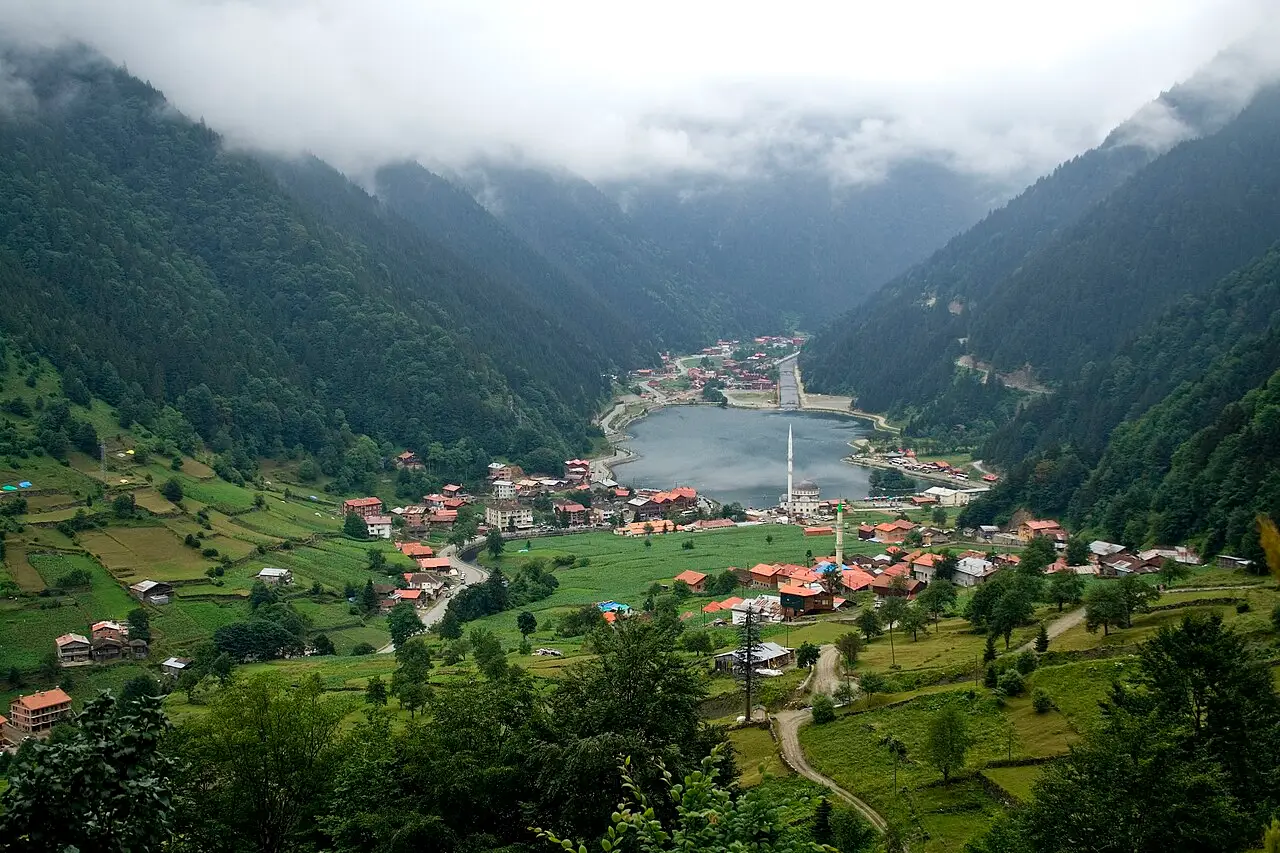 Photo: İhsan Deniz Kılıçoğlu (CC BY-SA 3.0) · Source
 3 places to visit in the Çaykara district of Trabzon: Sultan Murat Plateau, Çaykara Plateaus and Uzungöl. Plan your trip to Çaykara with local food, practical tips and transport information.
Çaykara is a district of Trabzon province. Taşkıran and Uzungöl, two important tourist destinations of the province, are located in this district. It is 76 km from the provincial centre. The district covers 574 km², and the average elevation of the district centre above sea level is 309 metres.
The district takes its name from the “Çaykara Suyu”, which emerges from among the stones close to the point where the Solaklı and Yeşilalan streams meet. Its old name in local use is Kadahor, meaning “lower village”. The Ottoman-era name of Çaykara district centre was “Kadahor”. In 1925 it was a sub-district under the name Çaykara; it was separated from Of district on 1 June 1947 and gained district status, and it was effectively organised on 1 January 1948.
The district has a mountainous and rocky structure. It is 75 km from Trabzon province. The district centre is 25 km inland from the sea. It was established within the valley that runs from Of district towards Bayburt province.
Road construction between Çaykara and Uzungöl has been completed. A 150-bed modern hotel, of 3-star standard, opened in 1997 at Sultanmurat Plateau.
Çaykara gained district status by Law No. 5071 in 1947. In 1915, during the First World War, the district was occupied by the Russian Army. In Sultan Murat Plateau, 27 km south of the district, there is a monument called Şehitler Tepesi (Martyrs’ Hill). 27 February is celebrated as the district’s Liberation Day.
Çaykara is one of the 6 districts of Trabzon province that lie inland from the coast. Successful battles against the Russians were fought at Sultan Murat Plateau in Çaykara on 10 June 1916. The Cevdet Sunay Museum is located in Ataköy town, 21 km from Çaykara district.
Last updated:
A plateau area where a 3-star hotel stands and highland tourism has developed.
View on map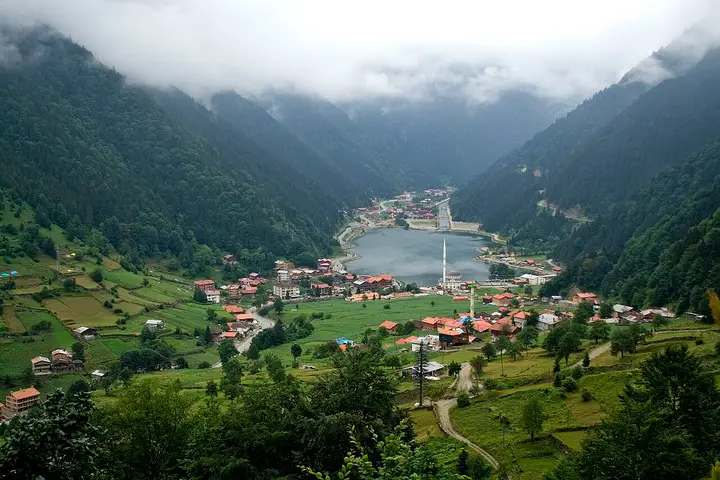 Photo: İhsan Deniz Kılıçoğlu (CC BY-SA 3.0) · Source
 A landslide-dammed lake at an elevation of 1,090 metres above sea level. Surrounded by pine forests and mountains, it is one of the most visited natural beauties in Türkiye. Walking trails and accommodation around the lake attract visitors throughout the year.
View on mapWhile you are in Çaykara, you can also see the highlights of Trabzon province. These places are in other districts; Çaykara is about 75 km from the provincial centre.
Kuymak, made by stirring cornmeal and Trabzon cheese in butter as they cook, is an indispensable flavour of Çaykara's plateau breakfasts.
Trout raised in Uzungöl and the streams around it, served grilled or fried in a pan. Freshly caught fish offers a gastronomic experience specific to the region.
Uzungöl has become an international tourism centre, especially thanks to the strong interest of Arab tourists. Accommodation and restaurants around the lake have become a meeting point for different cultures.
Çaykara's economy rests on tourism, agriculture and livestock farming. Uzungöl attracts millions of visitors each year, and tourism forms the basis of the district's economy. Hazelnut production and beekeeping are other important sources of income.
Çaykara is 75 km from Trabzon city centre. Uzungöl is reached from Çaykara by a 19 km road. Trabzon Airport is 85 km away. Regular minibus services run from Trabzon.
The 3 highlights of Çaykara are Sultan Murat Plateau, Çaykara Plateaus and Uzungöl.
Kuymak and Alabalık (trout) are the standout dishes at Çaykara tables.
Çaykara is known for its Hazelnuts and its Uzungöl Tourism Culture. The hazelnuts grown on the slopes of Çaykara are the district's principal agricultural product.
Çaykara is 75 km from Trabzon city centre. Uzungöl is reached from Çaykara by a 19 km road. Trabzon Airport is 85 km away. Regular minibus services run from Trabzon.
Suggested visit length: 2–3 days. Best time to visit: the summer months (June–September).