History and Geography
Giresun is built on a peninsula that stretches into the sea at the western end of the Eastern Black Sea. In antiquity the city was called Kerasus, and later Pontus King Pharnakes I renamed it Pharnakeia. The Roman general Lucullus brought the cherry from Giresun to Europe in the 1st century BC, and the fruit’s name in many languages derives from the city’s name. Giresun Castle dates from the Hellenistic period and passed to Ottoman rule during the conquest by Fatih Sultan Mehmed in 1461. In the 19th century, merchants trading in hazelnuts had mansions built with materials brought from Europe in the Zeytinlik quarter at the foot of the castle. Giresun gained provincial status in 1923.
Economy and Products
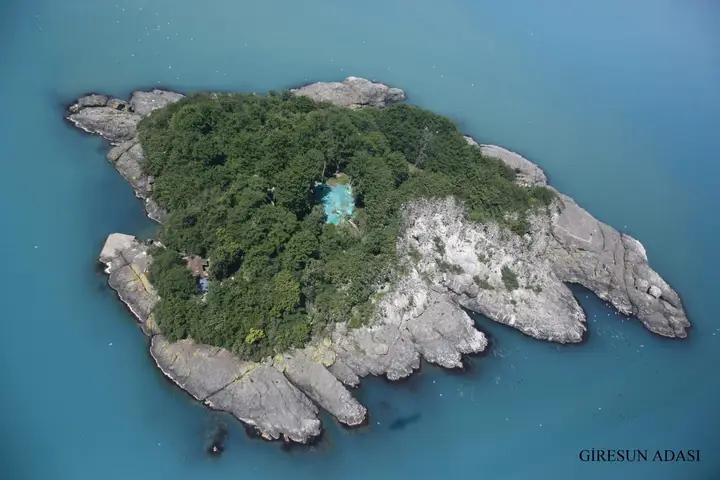
Giresun is an important centre of hazelnut production in Türkiye, and Giresun round hazelnuts are counted among the finest varieties. Giresun hazelnuts were among the first products in Türkiye to be registered for a geographical indication. Giresun Island, about 1.6 km offshore, is one of the two islands in the Black Sea that belong to Türkiye.
Climate
Giresun has a mild Black Sea climate with rainfall in every season. The best time for tourism is June to September. Plateau festivals are held in July and August.
Culture and Traditions
The Aksu Festival is a spring celebration held on 7 May in the Rumi calendar, which corresponds to 20 May in the Gregorian calendar. Horon and kemençe are indispensable in the coastal districts, while davul-zurna is essential on the plateaus. Tamzara fabric, woven in Tamzara village in Şebinkarahisar, is registered as a geographical indication.
History and Culture
Giresun came under the rule of the Komnenos family in 1204. It was burned by the Genoese in 1348. It was conquered by Turkmen beys in 1397, and passed under the authority of the Ottoman State in 1461.
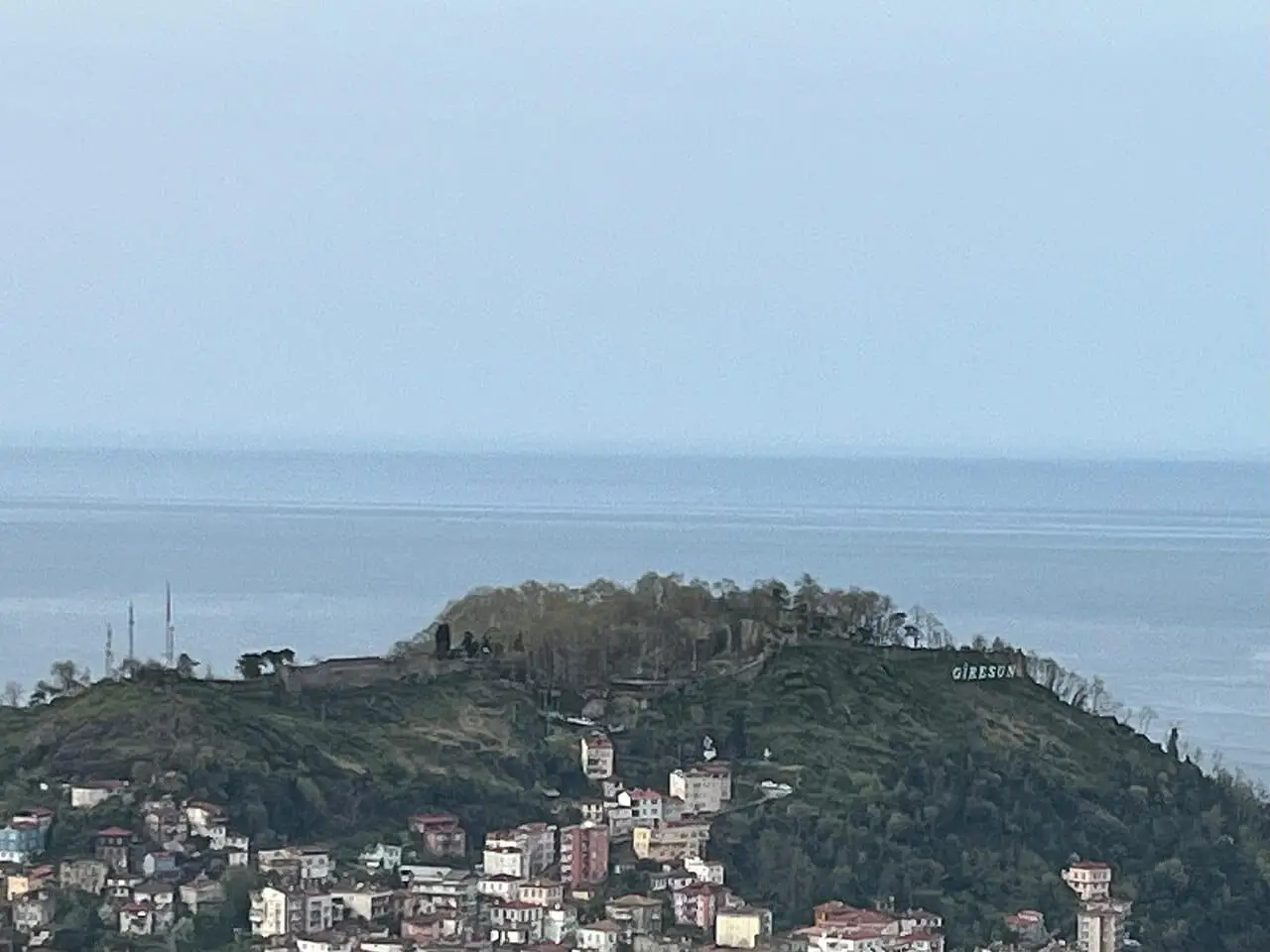
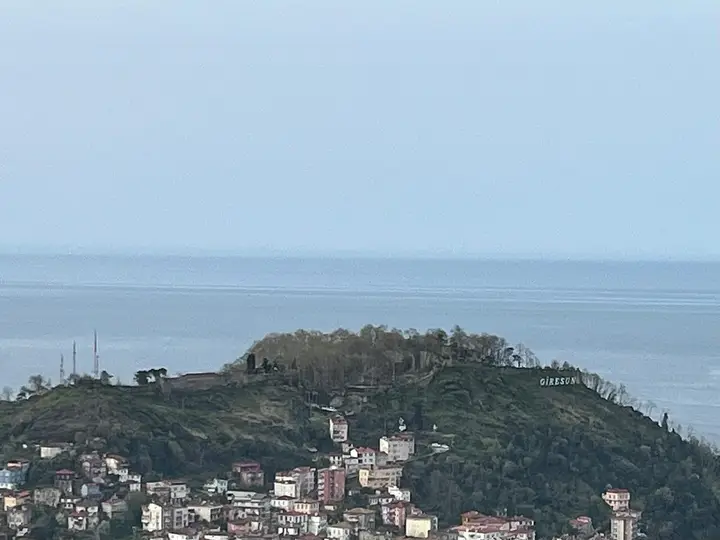 Photo: Beyoglou (CC BY-SA 4.0) · Source