Uşak Archaeology Museum
The archaeology museum in Uşak, displaying the Treasure of Croesus and artefacts from the Lydian period.
View on map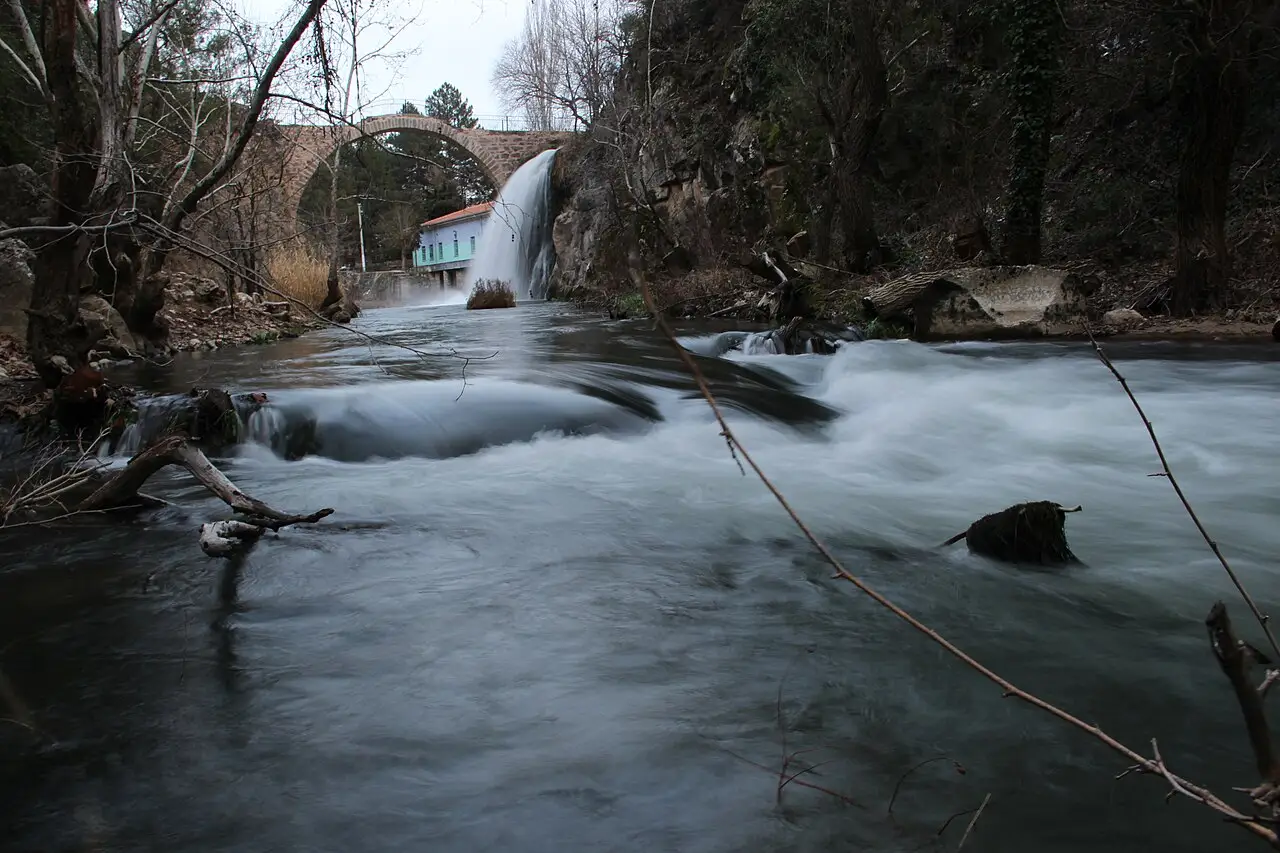 Photo: Hamdigumus (CC BY-SA 4.0) · Source
 7 places to visit in the central district of Uşak: Uşak Archaeology Museum, Atatürk ve Ethnography Museum and Uşak Castle. Plan your trip with local food, practical tips and transport information.
The region saw Persian, Macedonian, Pergamene, Roman and Byzantine rule one after another. After the Battle of Manzikert in 1071, it came under Turkish rule in the time of Kutalmışoğlu Süleyman Şah, was then incorporated into the lands of the Germiyanids, and in the Ottoman period became a district of the Kütahya sanjak.
Uşak has an inland continental climate, with cold winters and hot, dry summers. The best times to visit are April–June and September–October.
The province is linked by road to İzmir, Ankara and Istanbul.
Uşak and its surroundings have been settled since around 4000 BC. In 1898 a railway linking Uşak with İzmir was built. Uşak was retaken by Turkish forces on 1 September 1922 during the War of Independence. In the Republican period, Uşak was a district of Kütahya until 15 July 1953, when it became the central district of the newly founded Uşak province. Evliya Çelebi reported that trade flourished in Uşak, with many hammams, caravanserais, mosques and coffeehouses in the town.
Last updated:
The archaeology museum in Uşak, displaying the Treasure of Croesus and artefacts from the Lydian period.
View on mapHoused in an Ottoman-era mansion, the museum displays hand-woven carpets reflecting Uşak's carpet-weaving tradition, traditional costumes and everyday objects.
View on mapCastle ruins on the hill in the city centre, dating from the Byzantine period and also used in the Seljuk and Ottoman periods. The castle offers panoramic views over the city centre.
View on map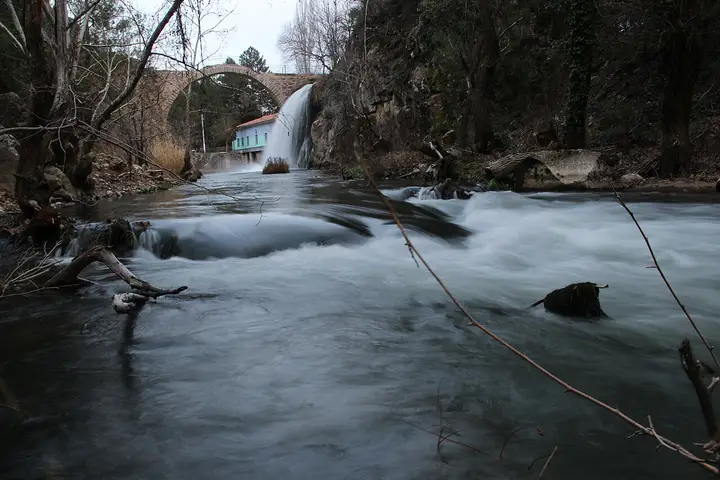 Photo: Hamdigumus (CC BY-SA 4.0) · Source
 A Roman-era stone arch bridge over the Banaz Stream. Its stonework and engineering make it an important part of the ancient transport network.
View on mapUşak tarhana is made by mixing yoghurt, tomato and wheat flour and drying the mixture. Its distinctive aroma sets it apart from tarhana made in other regions.
Lamb marinated in special spices and cooked in a tandır oven. It is Uşak's best-known meat dish.
A traditional dish of cracked wheat and lamb, slow-cooked until tender. It is the centrepiece of wedding and festival tables.
Since the 15th century, Uşak has been one of the carpet-making centres known around the world. Uşak carpets have been held in Ottoman palaces and in major European museums. The tradition continues today.
Lydian gold jewellery dating from the 6th century BC was taken to the USA in illegal excavations in the 1960s. After a long legal process it was returned to Türkiye in 2012. The pieces are displayed in the Uşak Archaeology Museum.
Uşak Merkez's economy is based on industry, agriculture and trade. The leather and textile industries are important sources of income. Various production facilities operate in the organised industrial zone. Uşak University contributes to the education sector. Sugar beet and cereal production form the basis of agriculture.
The nearest airport to Uşak is Denizli Çardak Airport, 180 km away. Ankara is 330 km away and İzmir 230 km. There is a rail connection on the İzmir–Ankara line. The intercity bus terminal provides links to major cities.
The highlights of Uşak Merkez are seven sites: Uşak Archaeology Museum, Atatürk and Ethnography Museum, Uşak Castle, Clandras Bridge, Taşyaran Valley Nature Park, Grand Mosque and the historic Uşak houses.
Uşak Tarhanası, Uşak Kebabı and Keşkek are the standout dishes on Uşak Merkez tables.
Uşak Merkez is known for Uşak carpets and the carpet-weaving tradition. Hand-woven carpet making, carried on for centuries, is Uşak's most important cultural product. Uşak carpets are displayed in museums around the world and are known for their geometric patterns and natural dyes.
The nearest airport to Uşak is Denizli Çardak Airport, 180 km away. Ankara is 330 km away and İzmir 230 km. There is a rail connection on the İzmir–Ankara line. The intercity bus terminal provides links to major cities.