6 places to visit in the Gevaş district of Van: Akdamar Island Pier, Gevaş Seljuk Cemetery and Halime Hatun Tomb (Kümbet). Plan your trip to Gevaş with local food, practical tips and transport information.

Share with friends

Gevaş lies at the foot of Mount Artos, the highest peak of the Kavuşşahap Mountains, an extension of the Southeastern Taurus range. The district centre is 1,750 metres above sea level. Akdamar Island within its boundaries is the most important tourist site in the district.

History

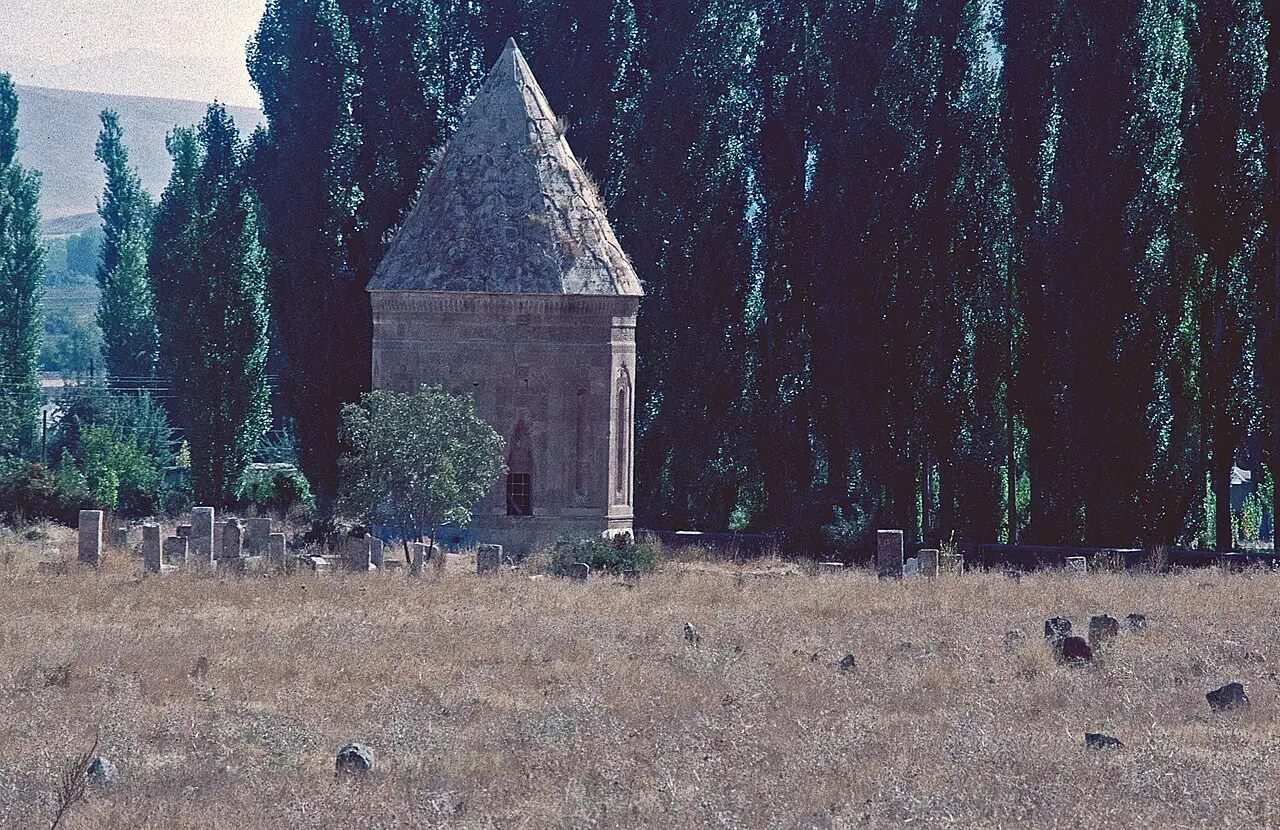
The fertile valley where the district centre lies has been the scene of intensive settlement since the Urartian period. In old sources the town is named Vostan, Vastan and, from 1960 onwards, Vestan. The old settlement, about 20 km west of the current district centre and opposite Ahtamar Island, gained importance as the residence of the Iranian military governors who ruled Eastern Armenia, which came under Sasanian rule in AD 421. After the Sasanian State came under Islamic rule in the 7th century, the Armenian-origin Rshtuni principality ruled over Vostan. In 908, Gagik I Ardzruni was crowned king of Armenia in Vostan, but later moved his residence to a new town he built on Akdamar Island. The Ardzruni principality, which dominated the southern and eastern shores of Lake Van, survived until it was eliminated by Byzantium in 1021. The town became the capital of İzzeddin Şir, who established a strong principality in the region including Hakkari and Van in the 1380s. In 1386, İzzeddin Şir defended Van Castle against Timur, and he then maintained his principality as a vassal, first of Timur and then of the Karakoyunlu. The most important historical monument of the town, the Celme Hatun Tomb (or Halime Hatun Tomb), belongs to the wife of İzzeddin Şir, who was from the Karakoyunlu dynasty.

Seljuk Cemetery

After the Seljuk cemetery in Ahlat, the district has the second-largest Seljuk cemetery in the region.

History and Culture

Following the Seljuk cemetery in Ahlat, the second-largest Seljuk cemetery in the region is located in the district. Restoration work on the church on Akdamar Island began in 2005 as part of a project to protect cultural assets.

Notable Facts

Gevaş was occupied by Russian and Armenian forces in 1914 and was liberated on 31 March 1918. The games Gırgırani, Dokuzlu, Tekayak, Koçeri, Bablekan and Kelekvan are played by the people of Gevaş.

Last updated:
Places to Visit in Gevaş

  • 2 Historic
  • 2 Religious
  • 1 Nature
  • 1 Attraction
Nature

Akdamar Island Pier

The pier providing access to Akdamar Island on Lake Van.

View on map
Religious

Gevaş Seljuk Cemetery

After the Seljuk cemetery in Ahlat, the second-largest Seljuk cemetery in the region.

View on map
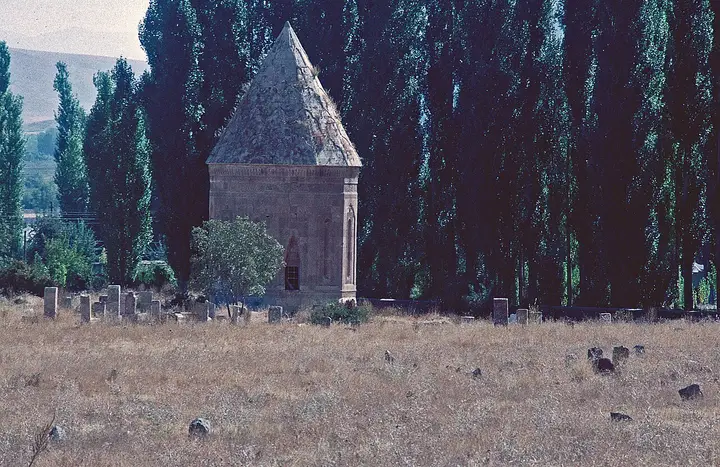
Halime Hatun Tomb (Kümbet) - Gevaş Photo: Dosseman (CC BY-SA 4.0) · Source
Religious

Halime Hatun Tomb (Kümbet)

A tomb of the wife of İzzeddin Şir, who was from the Karakoyunlu dynasty.

View on map
Attraction

Akdamar Island

On Lake Van, within the boundaries of Gevaş, Akdamar Island is described as the most important tourist site in the district.

View on map
Historic

Akdamar Church

The Akdamar Church on Akdamar Island is described as having been built by King Gagik I of Vaspurakan.

View on map
Historic

Halime Hatun Tomb

According to one source, this tomb is the most important historical monument in the district. It belongs to the wife of İzzeddin Şir, who was from the Karakoyunlu dynasty.

View on map

Places to Visit Around Van Province

See all →

While you are in Gevaş, you can also see the highlights of Van province. These places are in other districts; Gevaş is about 35 km from the provincial centre.

  • Van Castle (Tuşpa) — A fortress built in the 9th century BC by Sarduri, looking down like a bird's-eye view over Tuşpa, the Urartian capital; it is 1,800 metres long and 80 metres high, and lies 5 km from Van.
  • Lake Van — Türkiye's largest lake, covering 3,713 km²; its water is salty and rich in soda, so it does not freeze.
  • Hoşap Castle — A castle rising on a steep slope at Güzelsu, on the Van–Başkale road; it was rebuilt in 1643 by the Mahmudi bey Sarı Süleyman.
  • Çavuştepe Castle — An Urartian castle at Gürpınar, 25 km from Van, built by Sarduri II between 764 and 734 BC and made up of a lower and an upper fortress.
  • Muradiye Waterfall — A waterfall dropping 18 metres, 8 km north of the Muradiye district centre; it takes its name from Murad IV.
  • Mount Erek — A 3,204-metre mountain in Van city centre; with its views of Lake Van and Mount Süphan, it attracts hikers.

Practical Information for Visiting Gevaş

Suggested time
1 day
Best time to visit
Summer months (June–September)
Places to visit
6 places

What to Eat in Gevaş

Food guide →
  • İnci Kefali (Van pearl mullet)

    A fish native to Lake Van and a migratory species. It is served salted or grilled, and can be tasted fresh in the lakeside restaurants of Gevaş.

  • Van Kahvaltısı (Van breakfast spread)

    Van breakfast, made of herb cheese, kaymak, honey and dozens of kinds of jam, is also served as a rich spread in Gevaş.

  • Gevaş Beans (geographical indication product)

    A bean variety grown in Gevaş district. A news report states that it has received geographical indication registration.

Culture, Local Products and Economy of Gevaş

  • Seljuk Tomb Art

    The Gevaş Seljuk Cemetery, with its ram- and sheep-shaped gravestones, is one of the most important Seljuk-period cemeteries in Anatolia. These gravestones are important examples of animal symbolism in Turkish culture.

Local Products

  • Gevaş Fasulyesi (Gevaş beans) — Gevaş Fasulyesi was registered as a protected geographical indication on 13 July 2023 (TÜRKPATENT registration no. 1409). Product group: processed and unprocessed fruit and vegetables and mushrooms. Registered by: Van Commodity Exchange.
  • Van Otlu Peyniri (Van herb cheese) — Made from sheep's milk and flavoured with local herbs, herb cheese is also produced in Gevaş.

Economy

Gevaş's economy consists of agriculture, livestock farming and tourism. Boat trips to Akdamar Island contribute to tourism revenue. Small livestock farming and fruit growing are important sources of livelihood.

How to Get to Gevaş

Gevaş is 35 km from Van city centre. It is on the Van–Bitlis highway. Akdamar Island can be reached from the Gevaş pier by a 15-minute boat trip.

Get directions on Google Maps Getting to Van

Gevaş: Frequently Asked Questions

What are the places to see in Gevaş?

The 6 highlights of Gevaş: Akdamar Island Pier, Gevaş Seljuk Cemetery, Halime Hatun Tomb (Kümbet), Akdamar Island, Akdamar Church and Halime Hatun Tomb.

What should I eat in Gevaş?

İnci Kefali, Van Kahvaltısı and Gevaş Beans (geographical indication product) are the standout foods on the tables of Gevaş.

What is Gevaş famous for?

Gevaş is known for Gevaş Beans and Seljuk Tomb Art. Gevaş Beans are a protected geographical indication product registered with TÜRKPATENT.

How do I get to Gevaş?

Gevaş is 35 km from Van city centre. It is on the Van–Bitlis highway. Akdamar Island can be reached from the Gevaş pier by a 15-minute boat trip.

How much time should I set aside for a visit to Gevaş?

Suggested visit length: 1 day. Best time to visit: summer months (June–September).

Continue Your Trip

Other Districts of Van

Search 81 province guides and 968 district guides.