5 places to visit in the Sincik district of Adıyaman: Sincik Castle, Sincik Highland Pastures and Rock Tombs. Plan your trip to Sincik with local food, practical tips and transport information.

Share with friends

Sincik is a district of Adıyaman province.

Population and Social Structure

Households in Sincik are generally related, and the whole district belongs to the Rışvan tribe.

Handicrafts

Among the district’s important handicrafts is the Sincik hand-woven carpet. These carpets, specific to the region, reflect the cultural heritage of Adıyaman and are a handicraft product protected by a geographical indication.

History and Culture

Households in Sincik are generally related, and the whole district belongs to the Rışvan tribe. When Adıyaman became a province in 1954, the Sincik area was attached to the district of Kahta. The Sincik district was established in 1990. Among the district’s important handicrafts is the Sincik hand-woven carpet.

Highlights

Until 1954 Sincik was a subdistrict attached to Malatya, and afterwards a village attached to Kahta; it gained district status in 1990. Sincik lies 70 km north-east of Adıyaman, at an altitude of 1,325 metres, and is bordered by Malatya, Pütürge, Gerger, Kahta, Adıyaman and Çelikhan.
Last updated:

Places to Visit in Sincik

  • 3 Historic
  • 2 Nature
Historic

Sincik Castle

Standing on a hill overlooking the district centre, this castle reflects the strategic importance of the region with its walls dating from the Roman and Byzantine periods. Panoramic views of the Sincik plain and the surrounding mountains can be enjoyed from the castle hill.

View on map
Nature

Sincik Highland Pastures

The highland pastures in the upper parts of the district are chosen for picnics and nature walks in summer, thanks to their cool climate and unspoilt nature. Covered with oak and pine forests, the highland pastures are known for their fresh air.

View on map
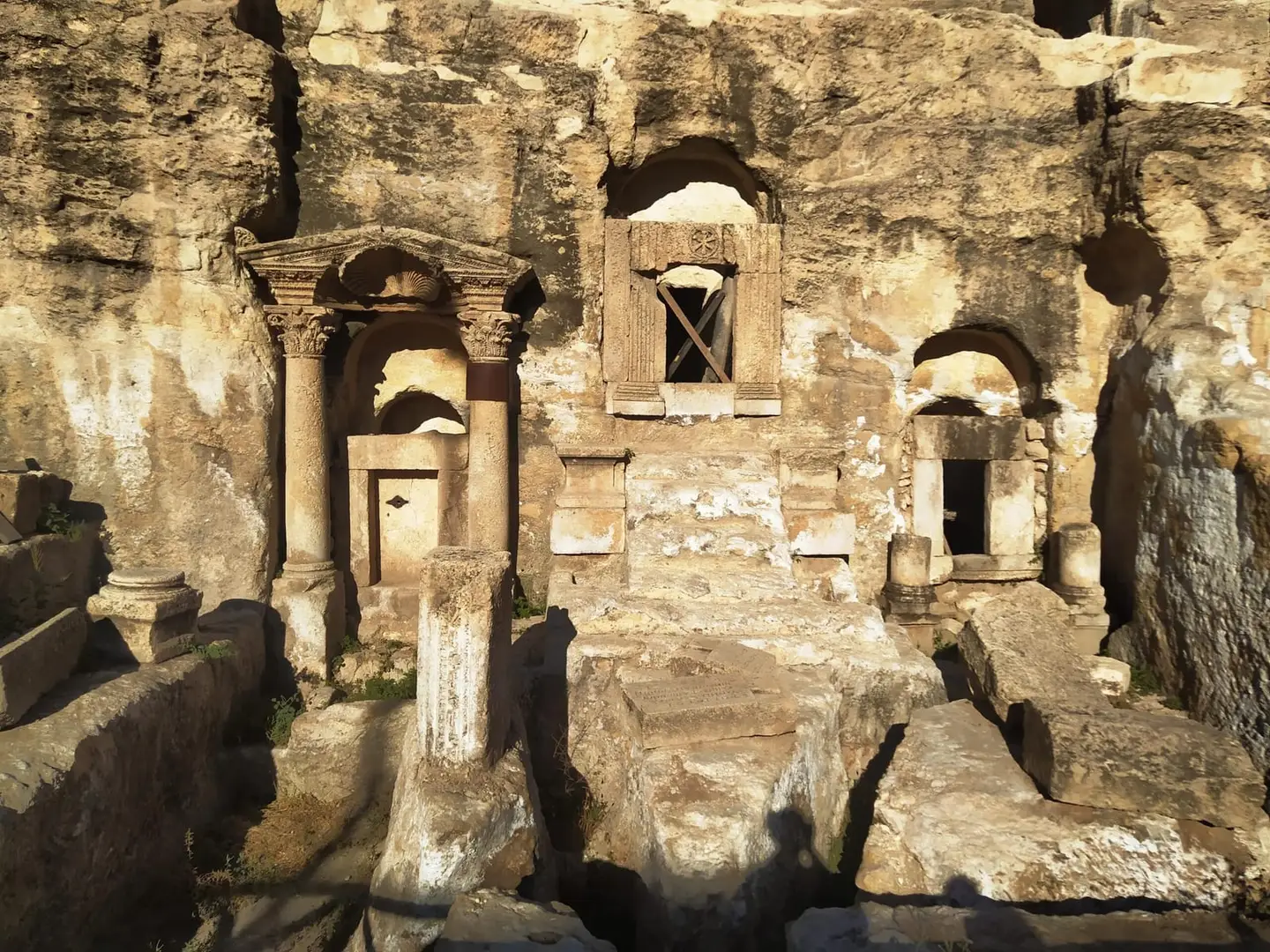
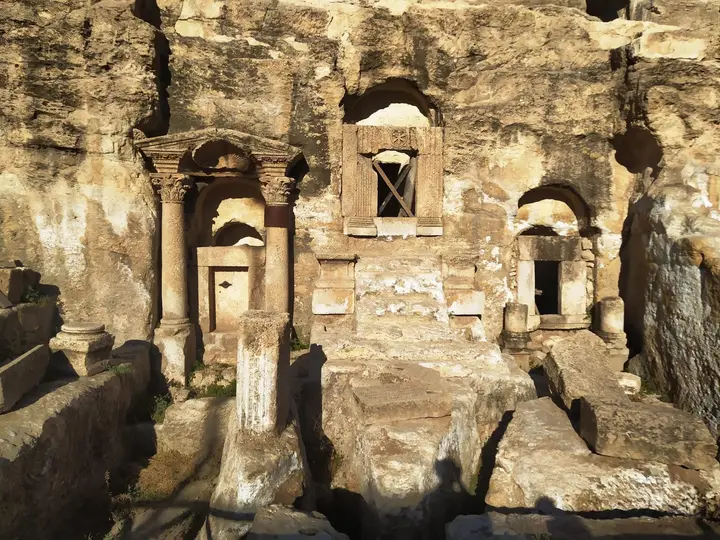
Rock Tombs - Sincik Photo: Wikipedia (CC BY-SA) · Source
Historic

Rock Tombs

Ancient tombs carved into the cliffs around Sincik reflect the funerary traditions of the Roman period. These tombs, varying in size and decoration, reveal the historical layers of the region.

View on map
Nature

Sincik Forests

The oak and pine forests surrounding the district offer an ideal setting for nature walks and birdwatching. Paths through the forest and picnic areas are popular with nature lovers.

View on map
Historic

Historic Fountains

Stone fountains dating from the Ottoman period can be found in Sincik's villages. These modest but valuable cultural heritage elements reflect the region's traditional stonework and water culture.

View on map

Places to Visit Around Adıyaman Province

See all →

While you are in Sincik, you can also see the highlights of Adıyaman province. These places are in other districts.

  • Mount Nemrut — On a 2,150-metre summit at Kâhta, the tomb-sanctuary built by Antiochus I of Commagene in 62 BC, with its giant tumulus of crushed stone and the statues of gods on its east and west terraces, was inscribed on the UNESCO World Heritage List in 1987. The lion horoscope on the west terrace is considered the oldest known horoscope; sunrise is watched from the east terrace and sunset from the west.
  • Arsameia (Old Castle) — On the east bank of the Kâhta Stream, 63 km from Adıyaman, Arsameia was one of the important centres of the Commagene royal family.
  • Kâhta Castle (New Castle) — Rising on the rocky hill opposite Arsameia, the castle was taken from the Byzantines by the Seljuks in 1085 and changed hands often during the Mamluk–Mongol wars.
  • Cendere Bridge — Built over the Cendere Stream in the name of the Roman emperor Septimius Severus (193–211), his wife and his sons, the bridge is known as the widest arch bridge built by the Romans, with an arch span of 34.2 metres.
  • Karakuş Tumulus — This monumental tomb on Gösterge Hill, 12 km north of Kâhta, was built for Isias, the mother of King Mithridates II, and for the women of the royal family.
  • Sesönk Tumulus — Standing on a high rock at Besni, this tumulus, about 2,060 years old, is a Commagene monumental tomb similar to Karakuş.

Practical Information for Visiting Sincik

Suggested time
1 day
Best time to visit
May–October
Places to visit
5 places

What to Eat in Sincik

Food guide →
  • Çiğ Köfte

    Raw kofte made by hand-kneading fine bulgur and isot pepper, Sincik's favourite local dish. It is served with lettuce and lemon.

  • Keşkek (wheat and meat porridge)

    Keşkek, prepared by boiling and pounding crushed wheat and meat for hours, is the traditional dish at weddings and religious holiday feasts in Sincik.

  • Gözleme

    Gözleme cooked on a griddle with thin dough folded around cheese, potato or herbs, is essential to Sincik's village breakfasts.

  • Tırşik (dried vegetable and yoghurt soup)

    This sour soup, made from dried vegetables and fermented yoghurt, is a traditional flavour of Sincik's winter tables.

Culture, Local Products and Economy of Sincik

  • Highland Culture

    The tradition of migrating to the highland pastures in summer continues in Sincik. Highland life, livestock culture and social solidarity are an important reflection of the district.

  • Traditional Wedding Customs

    Weddings in Sincik are community events lasting several days, with drum and zurna music, halay dancing, henna nights and traditional food offerings.

  • Handicrafts

    Hand-knitted products, woollen socks and traditional weaving made by women in Sincik's villages keep the region's craft culture alive.

Local Products

  • Sincik Hand-Woven Carpet — Sincik Hand-Woven Carpet was registered as a protected geographical indication on 3 April 2020 (TÜRKPATENT registration no. 494). Product group: carpets and kilims. Registered by: Sincik District Directorate of National Education.
  • Mountain Honey — Honey from the rich flora of Sincik's mountainous land is known for being natural and unadulterated. This thyme and flower-scented honey is one of the main sources of income for local people.
  • İsot Pepper — Isot pepper grown in Sincik is dried by traditional sweating and offered in markets as the emblematic product of Adıyaman.
  • Walnuts — Walnuts grown in the mountain villages of the district are among the region's important agricultural products. They are sold fresh and dried.

Economy

Sincik's economy rests largely on agriculture and livestock farming. Small livestock dominates the mountainous land, while grain and pulse crops are grown in the valleys. Beekeeping is an important source of income. Forestry activities also contribute to the district's economy.

How to Get to Sincik

Sincik is about 70 km from Adıyaman city centre and is reached by road. The nearest airport is Adıyaman Airport (80 km). Regular minibus services run from Adıyaman to Sincik. Because of the mountainous terrain, road conditions should be watched in winter.

Get directions on Google Maps Getting to Adıyaman

Sincik: Frequently Asked Questions

What are the main things to see in Sincik?

The main highlights in Sincik are 5 places: Sincik Castle, Sincik Highland Pastures, Rock Tombs, Sincik Forests and Historic Fountains.

What is there to eat in Sincik?

Çiğ Köfte, Keşkek, Gözleme and Tırşik are the standout dishes on Sincik's tables.

What is Sincik famous for?

Sincik is known for Sincik Hand-Woven Carpet and Highland Culture. It is a product registered with TÜRKPATENT as a protected geographical indication.

How do I get to Sincik?

Sincik is about 70 km from Adıyaman city centre and is reached by road. The nearest airport is Adıyaman Airport (80 km). Regular minibus services run from Adıyaman to Sincik. Because of the mountainous terrain, road conditions should be watched in winter.

How much time should I allow for a visit to Sincik?

Suggested visit length: 1 day. Best time to visit: May–October.

Continue Your Trip

Other Districts of Adıyaman

Search 81 province guides and 968 district guides.