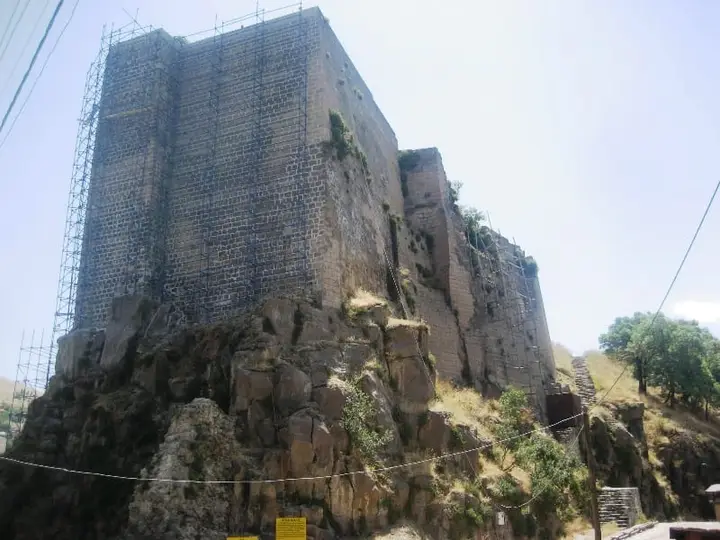
Bitlis Castle
Bitlis Castle, on a rocky hill in the city centre, was built in the Urartian period and used in the Seljuk and Ottoman periods. The castle offers panoramic views of the city and the surrounding mountains.
View on map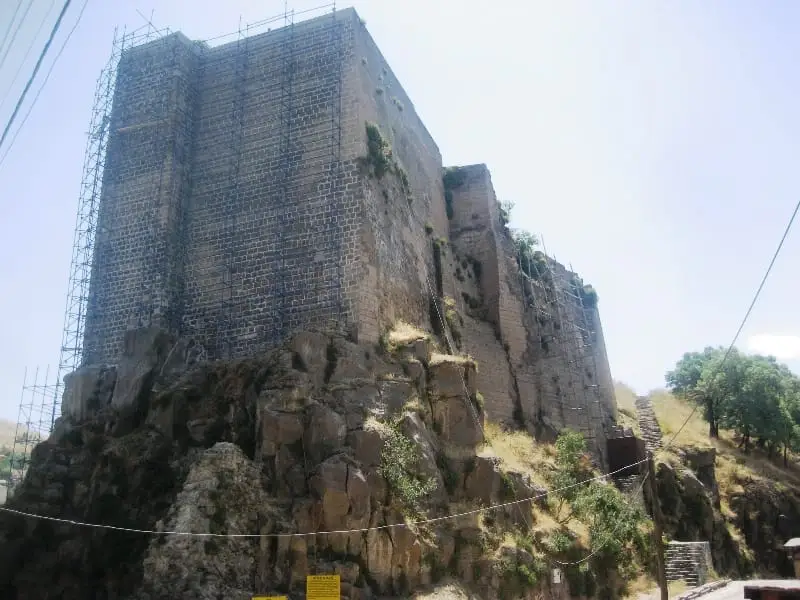
8 places to visit in the central district of Bitlis: Bitlis Castle, Şerefiye Mosque and Historic Stone Houses of Bitlis. Plan your trip with local food, practical tips and transport information.
The city centre was founded in a narrow, steep valley where two streams meet, and is known as “the beautiful city in the valley”. In 1916 the city was under Russian occupation for five months, and was retaken on 8 August 1916 on the attack order of Mustafa Kemal, Commander of the 16th Corps.
In Bitlis, winters are long, snowy and very wet, while summers are short and mild.
The Ethnography Museum is known for its late Ottoman-period incense burners. According to the inscription on the portal of İhlasiye Madrasa, it was built in 1589.
Last updated:
Bitlis Castle, on a rocky hill in the city centre, was built in the Urartian period and used in the Seljuk and Ottoman periods. The castle offers panoramic views of the city and the surrounding mountains.
View on mapTraditional stone houses line the narrow streets of Bitlis and offer fine examples of regional architecture. With their thick stone walls and flat roofs, they reflect the characteristic house architecture of Eastern Anatolia.
View on mapStone bridges from the Seljuk and Ottoman periods span the Bitlis Stream, which flows through the city centre. These bridges are important parts of the city's historic fabric.
View on mapA madrasa in the centre of Bitlis, thought to date back to the Seljuk period.
View on map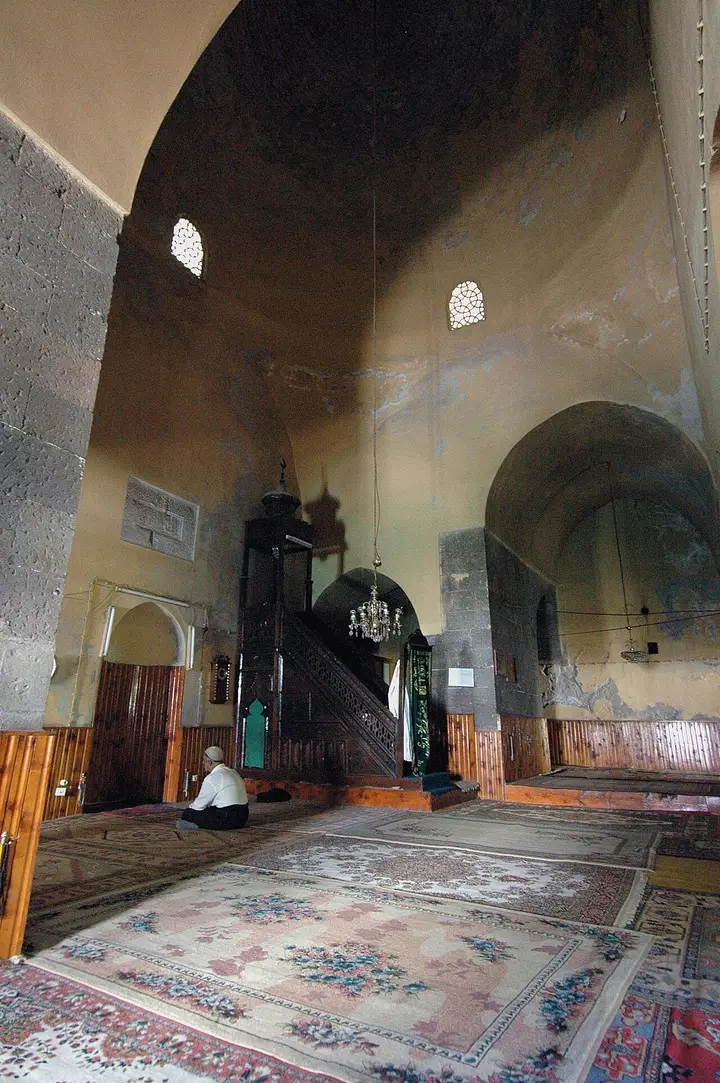 Photo: Dosseman (CC BY-SA 4.0) · Source
 Built in the 16th century by Şerefhan, Lord of Bitlis, the Şerefiye Mosque is the most important Ottoman-period monument in Bitlis. It is notable for its twin minarets and its stonework.
View on mapA mosque in the Kureyşi quarter, in the Zeydan neighbourhood on the western bank of Bitlis.
View on mapBüryan kebabı, prepared by slow-cooking lamb in an earth oven, is Bitlis's most famous dish. The tenderness of the meat and its smoky aroma make this dish special.
Çiğ köfte, made by kneading fine bulgur with spices, is an essential delicacy at guest tables in Bitlis.
Rice enriched with chicken, almonds and currants, wrapped in yufka pastry and baked. It is the traditional dish at wedding tables in Bitlis.
A laborious dish, difficult to make, which Bitlis women find the most challenging to prepare.
The Şerefname, written in the 16th century by Şerefhan, Lord of Bitlis, is one of the most important sources for the history of the region. The work is tangible evidence of Bitlis's cultural and historical richness.
Bitlis's traditional architecture, built from volcanic stone, forms the identity of the city. Dark stone buildings, narrow streets and historic fountains give the city its distinctive atmosphere.
The economy of Bitlis Merkez district is based on agriculture, livestock farming and trade. Tobacco production has traditionally been an important source of income. Bitlis Eren University contributes to the city's education and economic life. Cultural tourism has potential for development.
The nearest airport to Bitlis is Bitlis-Muş Airport, near Tatvan. It is 1,100 km from Ankara and 150 km from Van. Intercity bus services connect the city with major cities.
The eight highlights of Bitlis Merkez are: Bitlis Castle, Şerefiye Mosque, Historic Stone Houses of Bitlis, Bitlis Stream and Historic Bridges, Gökmeydan Mosque, Kureyşi Mosque, İhlasiye Madrasa and Bitlis Ethnography Museum.
Bitlis Büryanı, Çiğ Köfte and Perde Pilavı are the standout dishes on tables in Bitlis Merkez.
Bitlis Merkez is known for Bitlis Tobacco and the Şerefname Heritage. Bitlis has been known for tobacco production since the Ottoman period. The tobacco grown in the region is known for its distinctive aroma.
The nearest airport to Bitlis is Bitlis-Muş Airport, near Tatvan. It is 1,100 km from Ankara and 150 km from Van. Intercity bus services connect the city with major cities.