Bitlis brings together the Ahlat Seljuk Cemetery, the world's largest Turkish-Islamic cemetery with 8,200 gravestones; Nemrut, Türkiye's largest crater lake; Mount Süphan, the third-highest peak in Anatolia; the tombs of Ahlat; and Bitlis Castle, with 2,800 metres of walls above the city in the valley. Büryan kebabı and Ahlat walking sticks are registered.

Share with friends

Last updated:

Places to Visit in Bitlis

11 places worth seeing in Bitlis, from historic monuments to natural wonders, grouped by type. Open any of them on the map with a single click.

  • 6 Historic
  • 2 Religious
  • 1 Museum
  • 2 Nature

Historic Sites 6

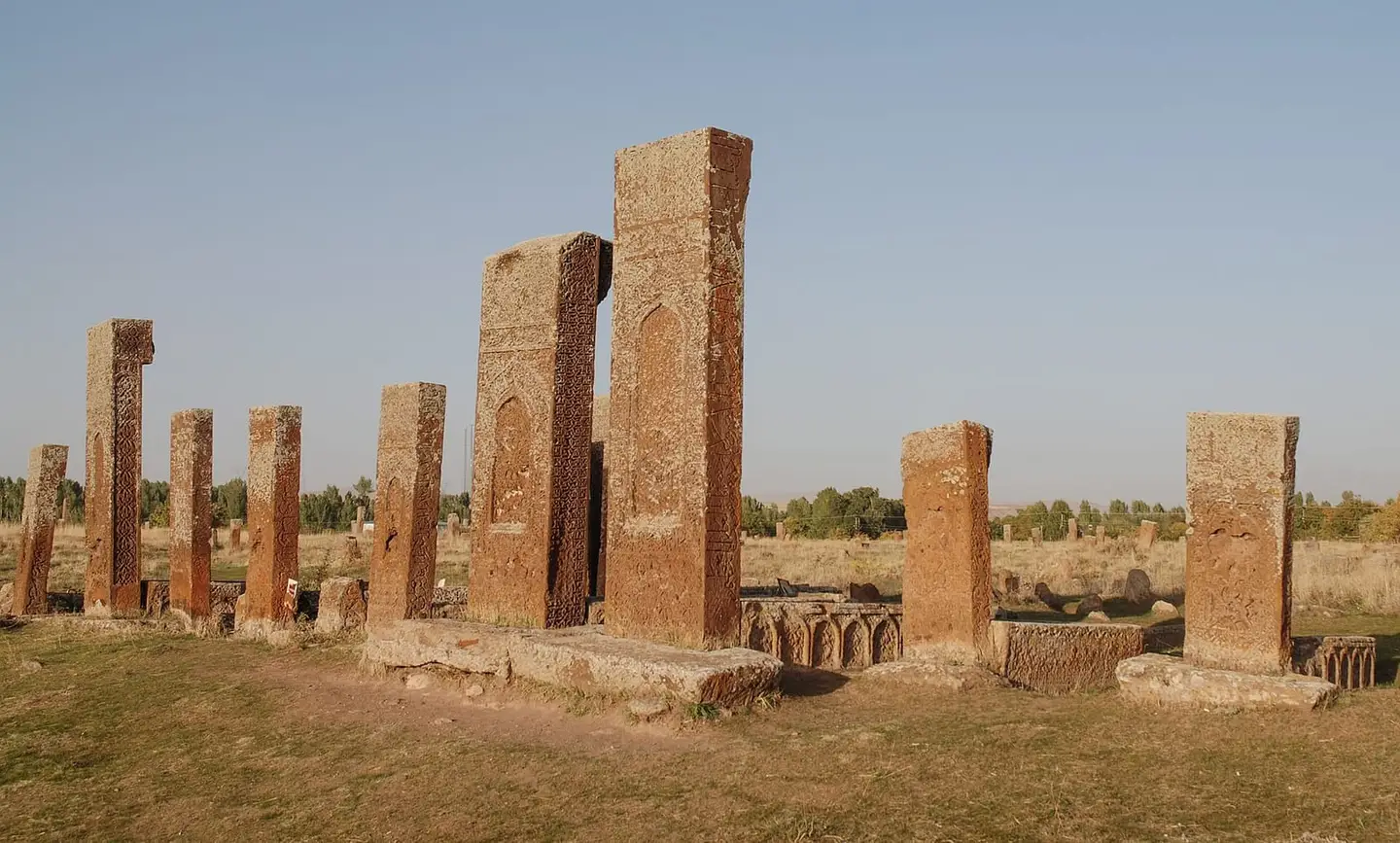
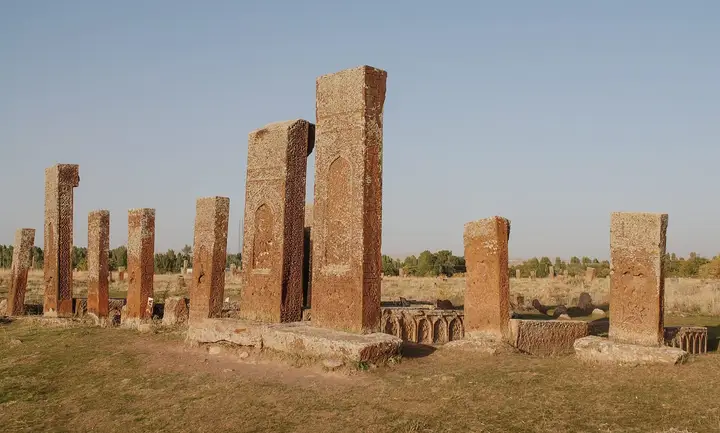
Monumental gravestones in the Ahlat Seljuk Cemetery Photo: Zorka Sojka (CC BY-SA 4.0) · Source
Historic

Ahlat Seljuk Cemetery

The world's largest Turkish-Islamic cemetery, with about 8,200 gravestones over 210 decares; it has tombstones up to 3.5 metres tall, decorated on all four sides, and underground burial chambers. It dates back 1,000 years and is on the UNESCO World Heritage Tentative List.

View on map
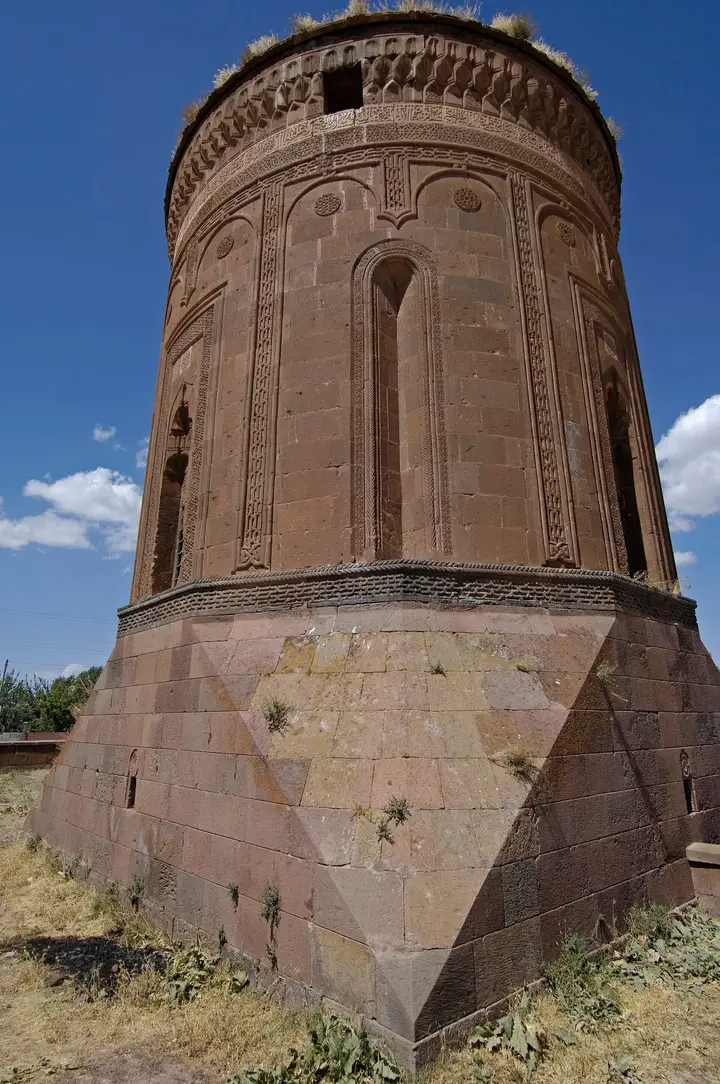
Ahlat Ulu Kümbet (Great Tomb) Photo: Dosseman (CC BY-SA 4.0) · Source
Historic

Ahlat Ulu Kümbet (Great Tomb)

The largest Seljuk tomb in Ahlat; with its cylindrical body and cut-stone decoration, it is the most monumental example of Ahlat tomb architecture.

View on map
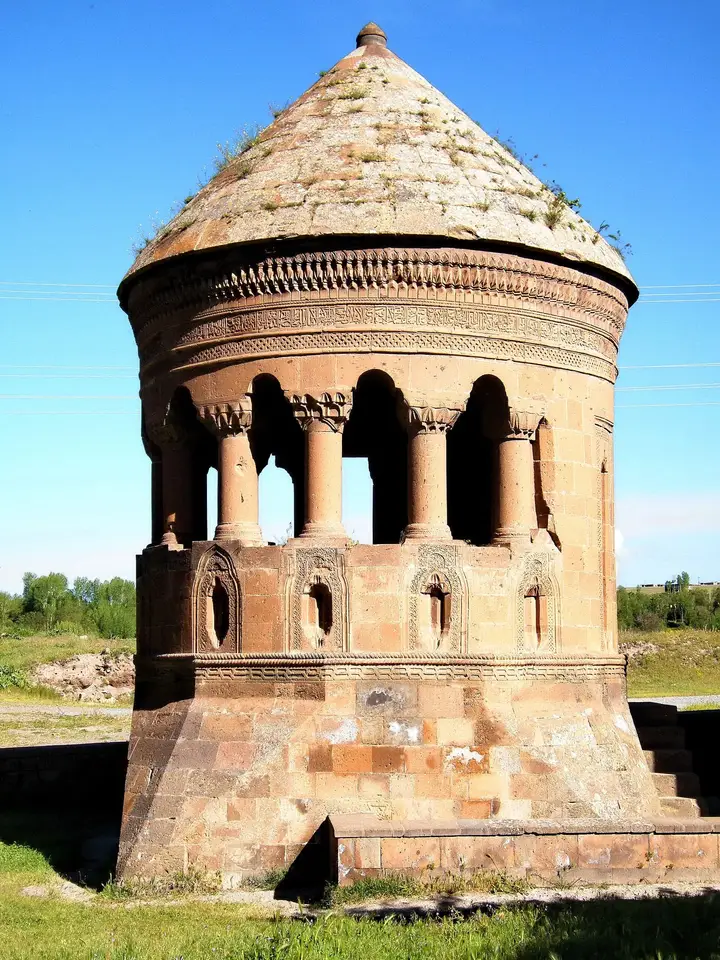
The colonnaded portico of the Emir Bayındır Tomb Photo: Volker Höhfeld (CC BY-SA 4.0) · Source
Historic

Emir Bayındır Tomb

A monumental tomb built in 1481 for the Aq Qoyunlu lord Emir Bayındır by his wife Şah Selime Hatun, also called the 'Parmaklıklı Kümbet' (Railed Tomb) because of its upper storey with a colonnaded portico; a masjid stands beside it.

View on map
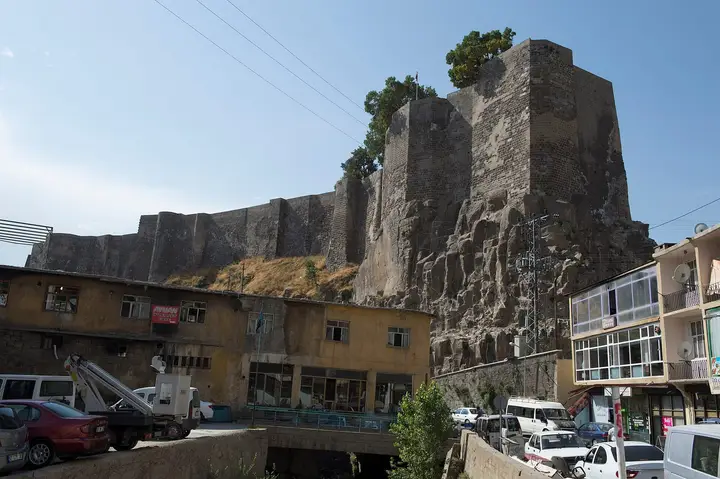
Bitlis Castle and the city in the valley Photo: Dosseman (CC BY-SA 4.0) · Source
Historic

Bitlis Castle

A castle built on steep rocks between two streams in the city centre, with 2,800 metres of walls and 670 crenellations; tradition attributes its construction to Badlis, a commander of Alexander the Great (312 BC). It has been restored in stages since 2004.

View on map
Historic

İhlasiye Madrasa

A madrasa built by the Seljuks in 1216 and repaired by Şeref Han in 1589; the tombs of the Şerefhan family lie in its garden, and today it is used as the Provincial Directorate of Culture and Tourism.

View on map
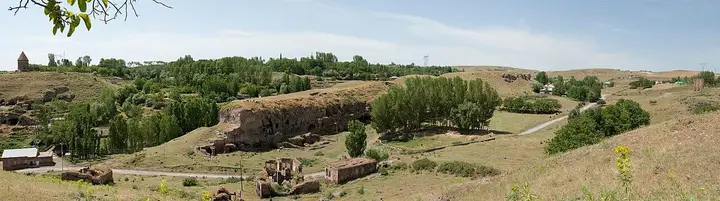
Panorama of Ahlat Photo: Dosseman (CC BY-SA 4.0) · Source
Historic

Ahlat Castle and the Lake Van Shore

Ahlat's castle on the lakeshore and the ruins of the old city; it offers views over Lake Van at sunset.

View on map

Religious Buildings 2

Religious

Bitlis Grand Mosque

According to its inscription, the mosque was built in 1153 by the Marwanid Ebu'l-Muzaffer Muhammed; it was damaged during the Russian occupation and underwent extensive repairs in 1985.

View on map
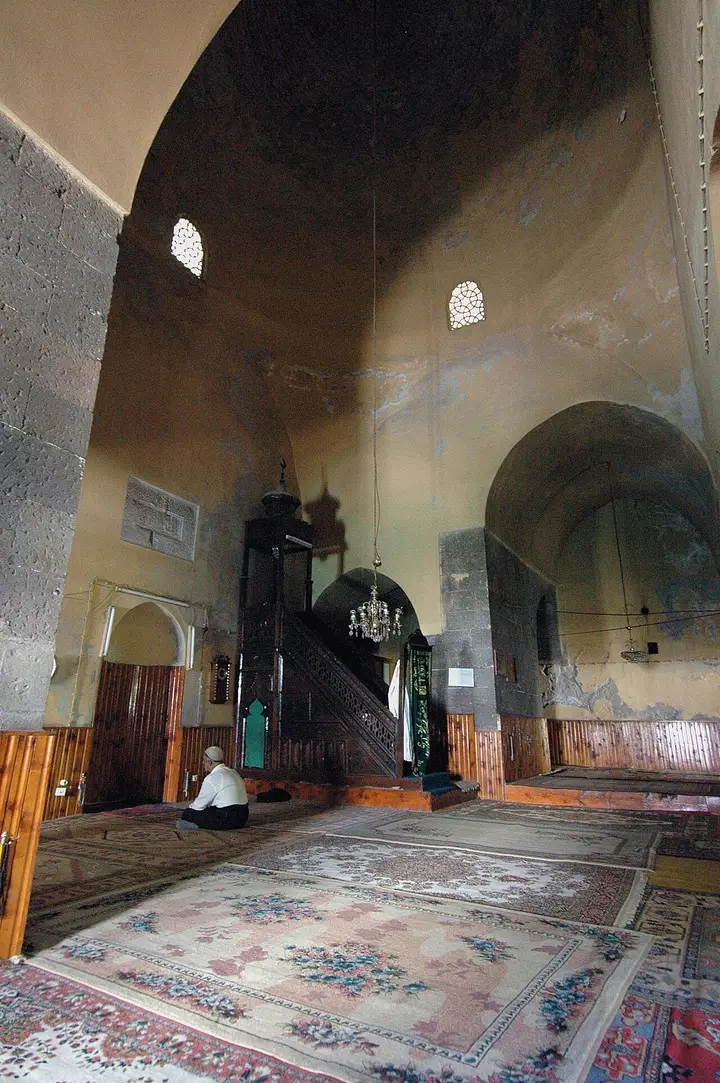
Interior of the Şerefiye Mosque Photo: Dosseman (CC BY-SA 4.0) · Source
Religious

Şerefiye Mosque

One of the city's important historic mosques, built by the Şerefhans (Sharafkhans) in the period of the Bitlis Emirate.

View on map

Museums 1

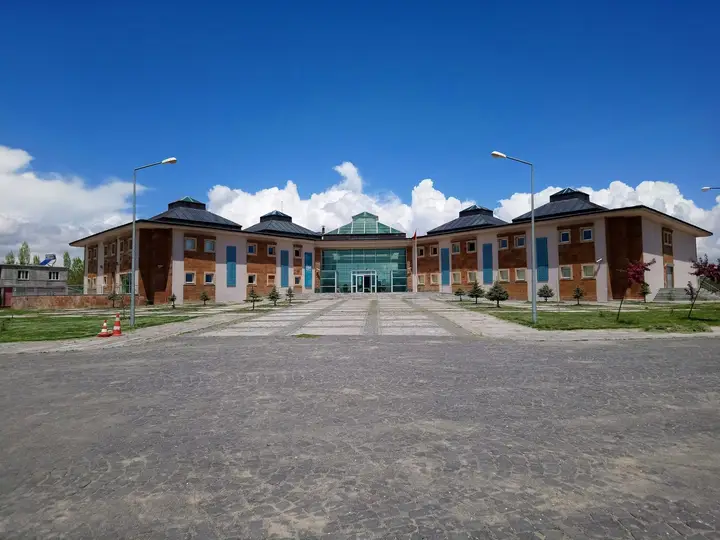
Ahlat Museum Photo: Wikimedia Commons (CC BY-SA) · Source
Museum

Ahlat Museum

Opened in a new building in 2018, the museum displays Urartian steles, Seljuk gravestones, manuscripts and works relating to the urban memory of Ahlat in its archaeology, urban memory and garden sections.

View on map

Natural Wonders 2

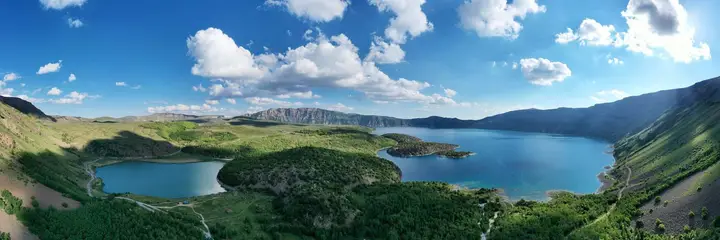
Nemrut Crater Lake Photo: Wikimedia Commons (CC BY-SA) · Source
Nature

Nemrut Crater Lake

In the caldera of the Nemrut stratovolcano between Tatvan, Ahlat and Güroymak, at 2,247 metres, this is Türkiye's largest crater lake; its deepest point is 155 metres. The caldera has five lakes and hot springs, and the volcano last erupted lava in 1441.

View on map
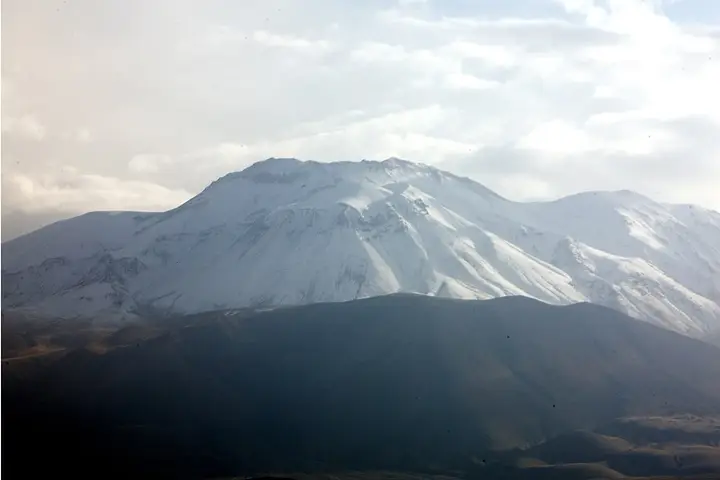
Mount Süphan Photo: EvgenyGenkin (CC BY 2.5) · Source
Nature

Mount Süphan

A stratovolcano north of Lake Van and the third-highest peak in Türkiye after Mount Ağrı and the Cilo mountains; June–September is the right time to climb, and permission must be obtained from Adilcevaz.

View on map

Getting to Know Bitlis

Bitlis is a province stretching from the western and north-western shore of Lake Van into the deep valleys of the Southeastern Taurus. The city centre lies in a narrow, steep valley where two streams meet, which is why it is called “the beautiful city in the valley”. Tradition links the city’s name to Badlis, one of the commanders of Alexander the Great, and says he had the castle built in 312 BC.

Bitlis’s greatest treasure is Ahlat: capital of the Ahlatshah Principality in the Seljuk era, the town was one of the assembly points for the raids into Anatolia before and after Manzikert (Malazgirt, 1071). The Seljuk Cemetery at Ahlat is the world’s largest Turkish-Islamic cemetery, with about 8,200 gravestones over 210 decares, and is on the UNESCO World Heritage Tentative List. With monumental tombs such as the Ulu Kümbet, the Çifte Kümbet and the Emir Bayındır Tomb, the town resembles an open-air museum.

In the 16th century Bitlis was the centre of the Bitlis Emirate; the Şerefname, completed by Şeref Han in 1597, is regarded as the first comprehensive work of Kurdish history. The city spent five months under Russian occupation in 1916 and was retaken on 8 August 1916 on the attack order of Mustafa Kemal, commander of the 16th Corps.

When to Go

Bitlis has long, snowy and very wet winters and short, mild summers. Averages for 2011–2025 from the Turkish State Meteorological Service (Bitlis centre):

Month Avg. high Avg. low Rainfall Rainy days
January −0.3 °C −7.9 °C 147 mm 15
February 1.0 °C −7.2 °C 107 mm 12
March 5.3 °C −2.7 °C 196 mm 16
April 12.6 °C 3.0 °C 127 mm 14
May 17.7 °C 7.2 °C 111 mm 15
June 24.4 °C 11.7 °C 16 mm 5
July 29.1 °C 15.9 °C 9 mm 3
August 29.8 °C 16.2 °C 7 mm 2
September 24.6 °C 11.6 °C 25 mm 3
October 16.7 °C 6.3 °C 91 mm 10
November 9.0 °C 0.7 °C 87 mm 10
December 2.4 °C −4.8 °C 128 mm 13

The best time to visit is June to September. The road up to Nemrut Crater Lake is usually open only in the summer months; in winter the caldera is buried under snow. June–September is also recommended for climbing Mount Süphan. Events marking the anniversary of the Battle of Manzikert (Malazgirt Victory) are held in Ahlat every August.

How to Get to Bitlis

By air: There is no airport in Bitlis. For Tatvan and Ahlat, use Van Ferit Melen and Muş Sultan Alparslan airports.

By train: The Lake Van Express (Van Gölü Ekspresi) runs from Ankara to Tatvan twice a week (about 26 hours); regional Elazığ–Tatvan trains also reach Tatvan station. From Tatvan you can cross to Van on the Lake Van ferries.

By road: The city centre of Bitlis is about 25 km from Tatvan on the Diyarbakır–Van road.

Bitlis Area by Area

  • Central district: Bitlis Castle, the Grand Mosque (1153), the Şerefiye Mosque, the İhlasiye Madrasa (1216) and the stone houses in the valley.
  • Ahlat: the Seljuk Cemetery, Ulu Kümbet, Çifte Kümbet, the Emir Bayındır Tomb, Ahlat Castle and Ahlat Museum, opened in 2018.
  • Tatvan: Mount Nemrut and its Crater Lake, the shore of Lake Van, the train and ferry quay.
  • Adilcevaz: Mount Süphan, Adilcevaz Castle and the Urartian Kef Castle.

Suggested Itineraries

Day 1 – Ahlat: In the morning walk among the monumental gravestones of the Seljuk Cemetery and visit Ahlat Museum; in the afternoon see the Ulu Kümbet, the Çifte Kümbet and the Emir Bayındır Tomb. Watch the sunset on the shore of Lake Van in the early evening.

Day 2 – Nemrut and Bitlis: In summer, head up from Tatvan to the Nemrut Caldera in the morning to see the crater lake and the hot springs; in the afternoon visit the castle, the Grand Mosque and the İhlasiye Madrasa in the city centre of Bitlis, and have büryan kebabı.

Bitlis Cuisine

Bitlis’s most famous speciality is the registered Bitlis büryan kebabı (pit-roasted lamb), hung and cooked in a well tandır oven. Other delicacies with geographical indications are Bitlis avşor çorbası, ciğer taplaması (liver taplama), çorti taplaması, Bitlis içli köftesi (stuffed bulgur shells), katıklı dolma and Bitlis balı (Bitlis honey). Among handicrafts, the Ahlat walking stick (Ahlat bastonu) and the Adilcevaz walking stick (Adilcevaz bastonu) are registered. Bitlis has also historically been known for its tobacco.

Practical Tips

  • The road to the Nemrut Caldera is closed in winter; even in summer the weather changes quickly inside the caldera, so bring warm clothing.
  • Permission must be obtained in advance from the authorities in Adilcevaz to climb Mount Süphan.
  • The streets of Bitlis city centre are steep and narrow; leave the car in the lower part of the valley and explore on foot.
Districts of Bitlis

Bitlis province has 7 districts. Explore the places to visit, local dishes and transport in each one.

What to Eat in Bitlis

All dishes →
  • Bitlis Büryan Kebabı (pit-roasted lamb)

    A lamb kebab with a registered geographical indication, hung and cooked in a well tandır oven.

  • Bitlis Avşor Çorbası

    A soup with a registered geographical indication.

  • Bitlis İçli Köftesi (stuffed bulgur shells)

    Stuffed köfte (içli köfte) with a registered geographical indication.

  • Bitlis Katıklı Dolma

    Dolma with a registered geographical indication.

  • Ciğer Taplaması (liver taplama)

    A Bitlis dish with a registered geographical indication.

What to eat in Bitlis: the full food guide

Bitlis: Frequently Asked Questions

What are the best places to visit in Bitlis?

The main stops are the Ahlat Seljuk Cemetery, the tombs of Ahlat (Ulu Kümbet, Çifte Kümbet, Emir Bayındır), Ahlat Museum, Nemrut Crater Lake, Mount Süphan, Bitlis Castle, the Grand Mosque, the Şerefiye Mosque and the İhlasiye Madrasa.

When is the best time to visit Nemrut Crater Lake?

The road up to the caldera is usually open only in the summer months; the best time is June–September.

Why is the Ahlat Seljuk Cemetery important?

With about 8,200 gravestones it is the world's largest Turkish-Islamic cemetery, and it is on the UNESCO World Heritage Tentative List.

Can you get to Bitlis by train?

Yes. The Lake Van Express runs from Ankara to Tatvan twice a week; the journey takes about 26 hours.

What is Bitlis famous for?

Its registered büryan kebabı, avşor soup, içli köfte, katıklı dolma and Bitlis honey, as well as the Ahlat and Adilcevaz walking sticks.

Where does the name Bitlis come from?

Tradition links the city's name to Badlis, the commander of Alexander the Great who is said to have built the castle.

More from the Bitlis Guide

Other Provinces in the Eastern Anatolia Region

Sources

The information in this guide has been compiled from and checked against the sources below (last checked: 7 October 2026). If you spot an error, please let us know.

  1. Vikipedi – Bitlis
  2. Vikipedi – Bitlis (il)
  3. Meteoroloji Genel Müdürlüğü – Bitlis il istatistikleri
  4. Vikipedi – Ahlat Selçuklu Mezarlığı
  5. Vikipedi – Emir Bayındır Kümbeti
  6. Vikipedi – Ahlat Müzesi
  7. Vikipedi – Ahlat
  8. Vikipedi – Nemrut Dağı (Bitlis)
  9. Vikipedi – Nemrut Gölü
  10. Vikipedi – Süphan Dağı
  11. Vikipedi – Bitlis Kalesi
  12. Vikipedi – Bitlis Ulu Camii
  13. Vikipedi – İhlasiye Medresesi
  14. Vikipedi – Şeref Han
  15. Vikipedi – Van Gölü Ekspresi
  16. Vikipedi – Tatvan Garı
  17. Vikipedi – Türkiye'de tescilli coğrafi işaretler listesi
  18. TÜRKPATENT – Bitlis Büryan Kebabı
  19. TÜRKPATENT – Ahlat Bastonu

Search 81 province guides and 968 district guides.