Getting to Know Muş
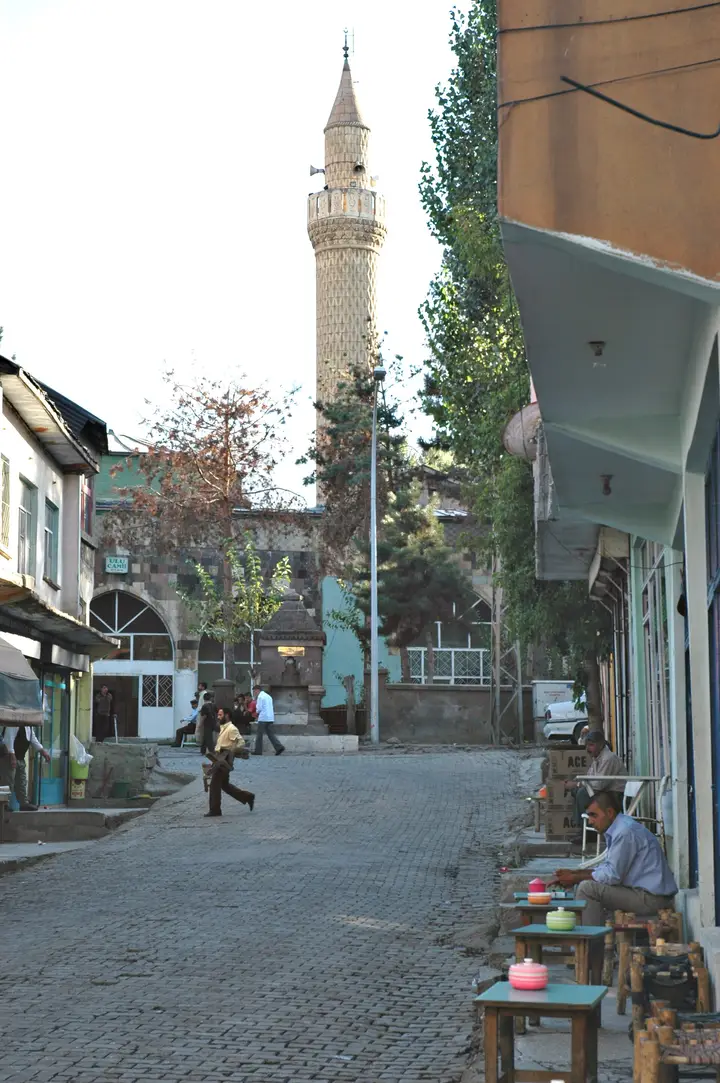
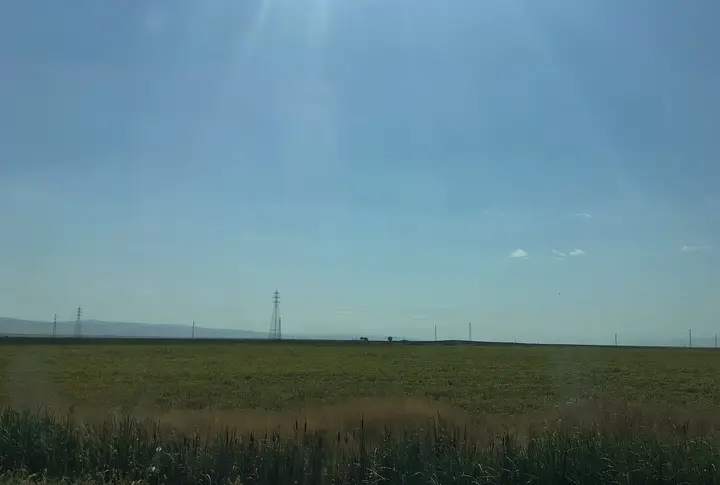
Muş lies in the upper Murat basin of Eastern Anatolia, on the south-western edge of the broad Muş Plain, which is irrigated by the Murat River. The city rises in terraces on the slopes of Mount Çavuş, and its historic core is around the castle. In Assyrian sources the region appears within the land of Nairi, which was subject to the Urartians; in ancient and medieval sources it is known as Taron. The Arak (Holy Apostles) Monastery, founded in the 4th century, was for many centuries one of the most important Armenian religious centres in the region.
The province’s place in world history is the Battle of Manzikert, fought on the Manzikert plain on 26 August 1071: the Great Seljuk Sultan Alparslan defeated the army of the Byzantine emperor Romanos IV Diogenes, and this victory is regarded as the beginning of the Turkish settlement of Anatolia. Commemorations and celebrations are held every year in Malazgirt on the anniversary of the battle, and the battlefield has been laid out as a historical national park.
Muş became a province in 1929, separated from Bitlis. The symbol of the city is the red Muş tulip, which covers the plain and the surrounding slopes in spring: it blooms in late April and early May and lives for only about 15 days. The province’s economy rests largely on agriculture and livestock.
When to Go
Muş has a harsh continental climate: winters are long, cold and snowy; summers are hot and dry. Averages for 1964–2025 from the Turkish State Meteorological Service:
| Month |
Avg. high |
Avg. low |
Rainfall |
Rainy days |
| January |
−2.8 °C |
−10.3 °C |
87 mm |
13 |
| February |
−1.0 °C |
−9.3 °C |
96 mm |
12 |
| March |
6.2 °C |
−2.6 °C |
109 mm |
14 |
| April |
15.0 °C |
4.4 °C |
103 mm |
14 |
| May |
21.4 °C |
8.9 °C |
70 mm |
14 |
| June |
27.7 °C |
12.9 °C |
26 mm |
6 |
| July |
33.0 °C |
17.2 °C |
8 mm |
2 |
| August |
33.3 °C |
17.2 °C |
6 mm |
2 |
| September |
28.4 °C |
12.4 °C |
15 mm |
3 |
| October |
20.0 °C |
7.0 °C |
62 mm |
9 |
| November |
10.1 °C |
0.8 °C |
87 mm |
10 |
| December |
1.3 °C |
−5.5 °C |
87 mm |
12 |
The best periods are May–June and early September. Late April to early May is ideal for the Muş tulip, and 26 August for the Victory of Manzikert celebrations. In winter the snow is deep and roads may close from time to time.
How to Get to Muş
By air: Muş Sultan Alparslan Airport (MSR) is about 18 km from the city; there are flights from Istanbul and Ankara.
By train: Muş lies on the Ankara–Tatvan railway line, which runs to Tatvan; the Lake Van Express (Vangölü Ekspresi) passes through Muş.
By road: Muş is linked by road to Bitlis (about 85 km), Bingöl (about 105 km) and Erzurum (about 190 km). Malazgirt is about 137 km from the provincial centre.
Muş Area by Area
- Centre: The remains of Muş Castle, the Grand Mosque, the Alaeddin Bey and Hacı Şeref mosques, the Muş Plain and the ruins of Arak Monastery.
- Malazgirt: The Battle of Manzikert site and its monuments, Malazgirt Castle and its walls.
- Bulanık: The volcanic dammed lake of Haçlı (Kazan) and the Murat River valley.
- Varto: The north-west of the province, with its highland pastures and hot springs.
- Hasköy and Korkut: The agricultural villages and tulip fields of the plain.
Suggested Itineraries
Day 1 – Muş centre: The Grand Mosque and the Alaeddin Bey and Hacı Şeref mosques; in spring, the Muş tulip fields and views of the plain. Muş köftesi in the evening.
Day 2 – Malazgirt: The Battle of Manzikert site, the monuments and Malazgirt Castle; on the way back, Lake Haçlı at Bulanık.
Muş Cuisine
Muş cuisine is the cuisine of Eastern Anatolia, based on meat, bulgur and dairy products. Delicacies with registered geographical indications: Muş köftesi (Muş meatballs), Muş eski kaşarı (Muş aged kaşar), Muş çorti aşı (çorti herb soup) and Muş çorti turşusu (Muş çorti pickle). In local cooking, lobik (bean dish), kesme aş (noodle soup), kavurma (fried meat), ayran aşı (doğa), hedik and tandır bread are common; herb cheese and honey are also among the region’s important products.
Practical Tips
- The tulip season is short (about 15 days); before you go, find out from local sources whether the tulips are in bloom, and do not pick them.
- Around 26 August accommodation in Malazgirt is limited; it is easier to stay in Muş centre or in Ahlat (Bitlis).
- In winter Muş is one of the snowiest places in Türkiye; carry chains and snow tyres.
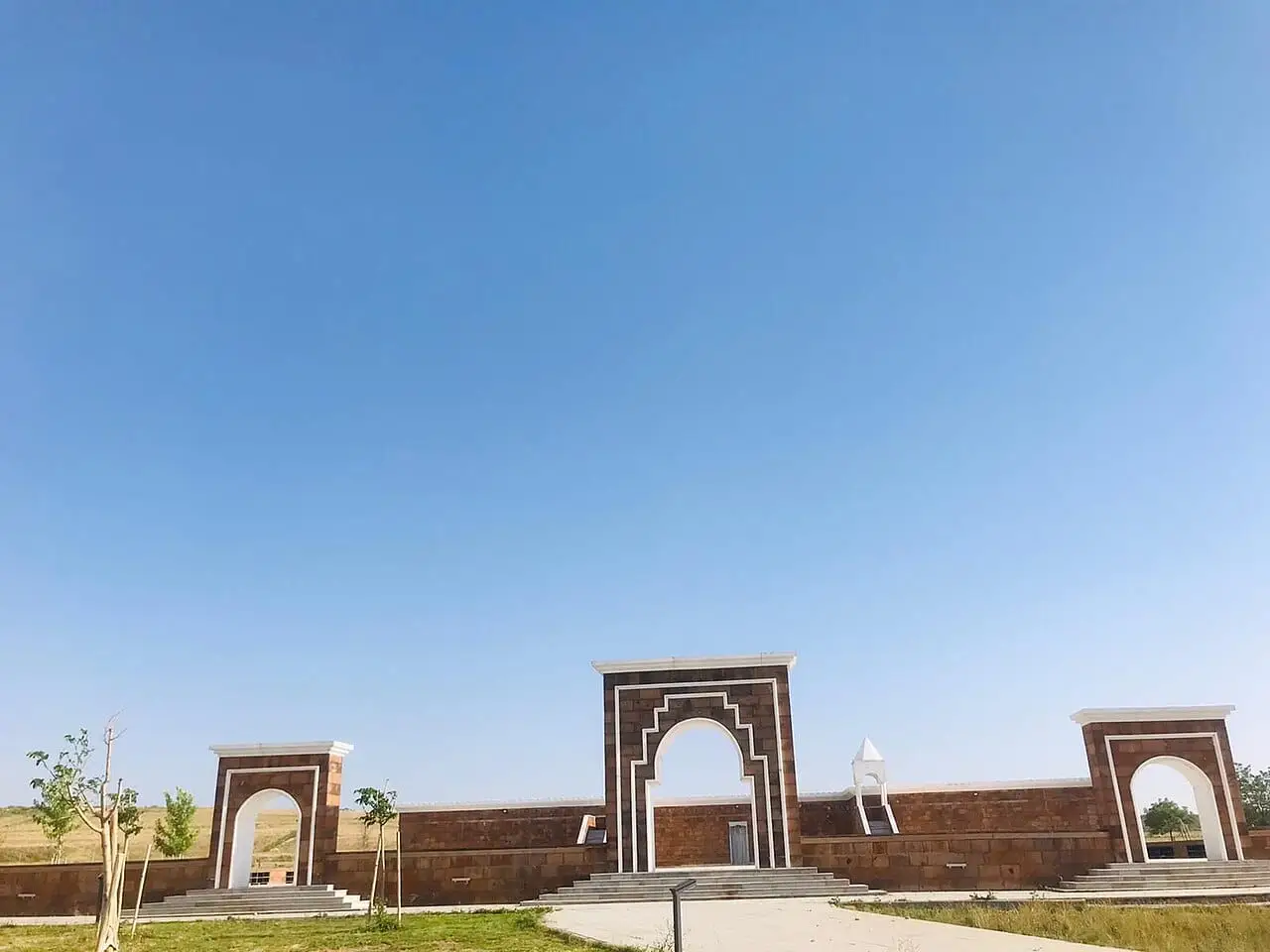
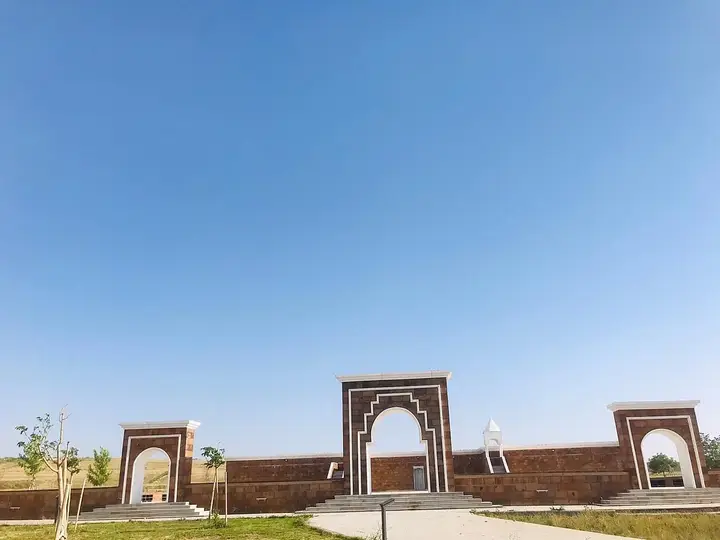 Photo: Seyma uygun (CC BY-SA 4.0) · Source