Getting to Know Kars
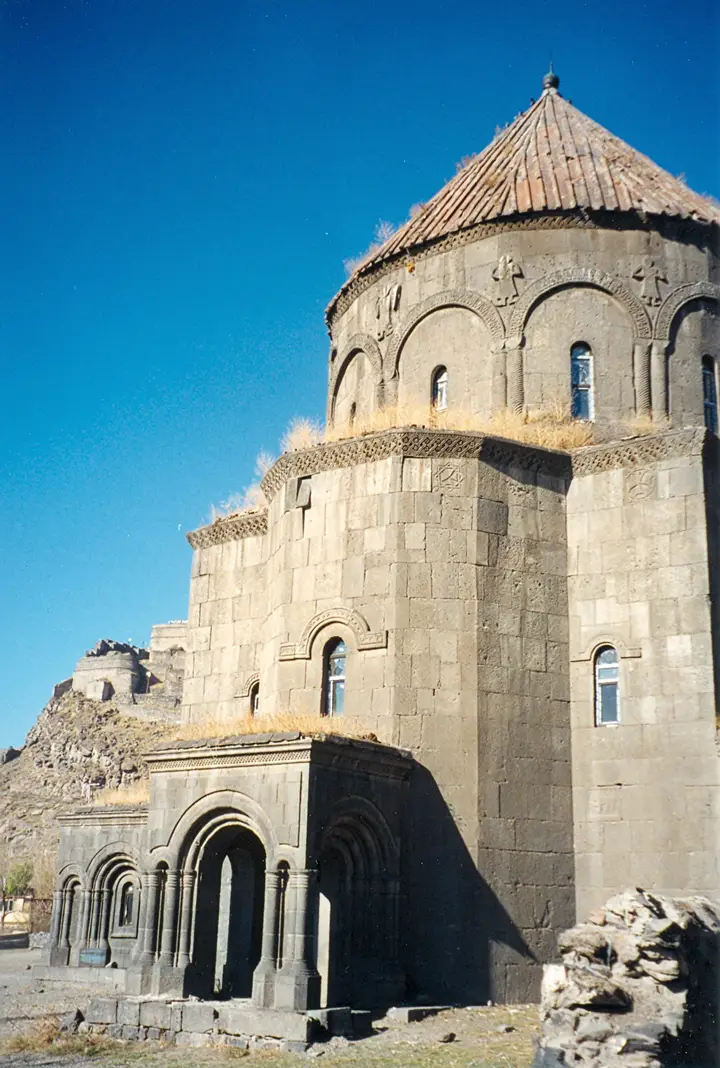
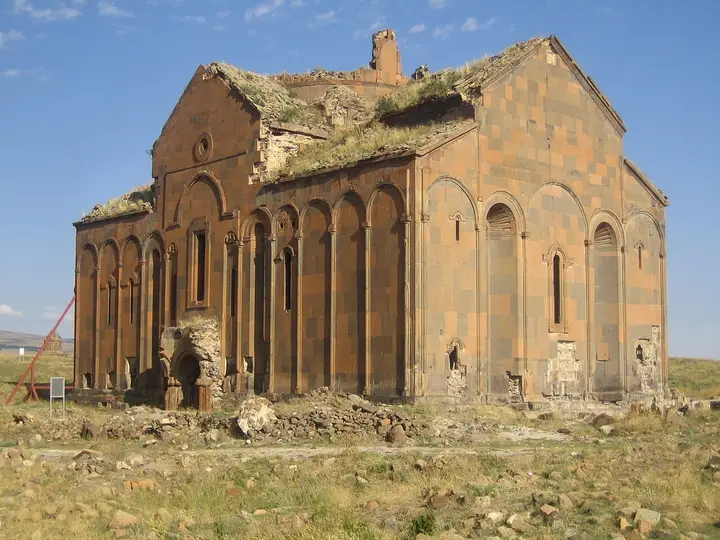
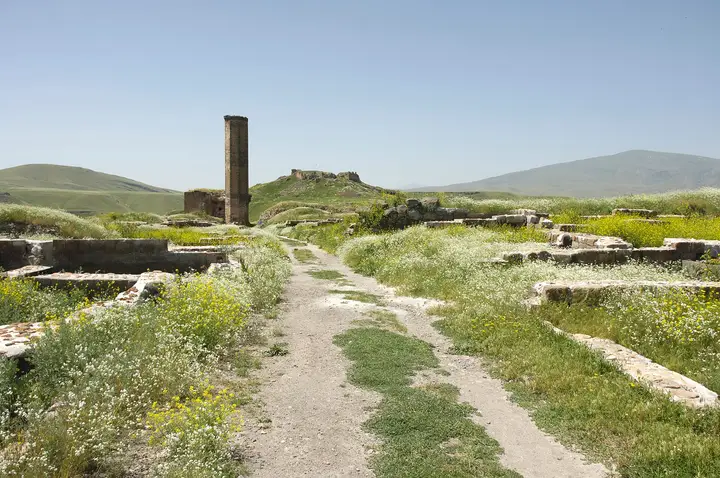
Kars lies in the north-east of Türkiye, near the Armenian border, on a broad plateau at an altitude of about 1,750 metres. The city’s history reaches back to the Middle Ages: Kars was briefly the capital of the Bagratid (Bagratuni) Kingdom in the 10th century, and the Church of the Apostles (today the Kümbet Mosque) survives from that period. Ani, rising on the edge of the Arpaçay valley 45 km east of the city, was the capital of the Bagratid kings from 961 to 1045; it was taken by Sultan Alparslan in 1064, and the Ebu’l Menüçehr Mosque, regarded as the first Turkish mosque in Anatolia, was built there. Ani was added to the UNESCO World Heritage List in 2016.
Kars Castle was built in 1152 under the Saltukids; after being destroyed by Timur, it was rebuilt in 1579 by Lala Mustafa Paşa. After the Russo-Turkish War of 1877–78, Kars remained under Russian rule for 40 years; in this period the city was reorganised on a grid plan with broad avenues, and the cut-stone buildings now known as Baltic architecture were built. Molokan (Malakan) communities arriving from Russia started the cheesemaking tradition, and with the help of Swiss masters gruyère production developed at Boğatepe. Kars was taken by Turkish forces on 30 October 1920, and the border was fixed by the 1921 Treaty of Kars.
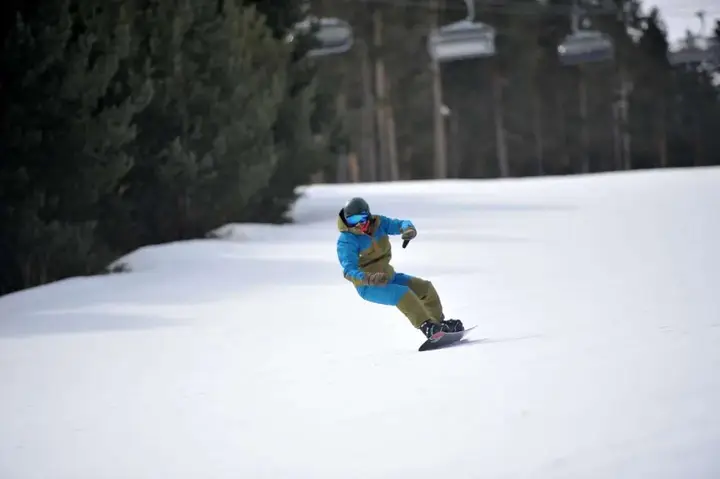
The city’s best-known portrait in literature is Orhan Pamuk’s novel Snow (Kar). Today Kars is the last stop of the Touristic Eastern Express, a student city for Kafkas University, and, with the ski resorts of Sarıkamış, one of the main destinations for winter tourism.
When to Go
Kars has a harsh continental climate: winters are among the coldest in Türkiye, and summers are short and cool. Averages for 1931–2025 from the Turkish State Meteorological Service:
| Month |
Avg. high |
Avg. low |
Rainfall |
Rainy days |
| January |
−4.7 °C |
−16.2 °C |
23 mm |
10 |
| February |
−2.6 °C |
−14.6 °C |
23 mm |
10 |
| March |
3.0 °C |
−8.1 °C |
30 mm |
12 |
| April |
11.5 °C |
−0.6 °C |
49 mm |
13 |
| May |
16.9 °C |
3.9 °C |
83 mm |
18 |
| June |
21.3 °C |
6.8 °C |
76 mm |
15 |
| July |
25.6 °C |
10.0 °C |
58 mm |
11 |
| August |
26.5 °C |
9.8 °C |
43 mm |
9 |
| September |
22.3 °C |
5.4 °C |
30 mm |
7 |
| October |
15.1 °C |
0.5 °C |
42 mm |
10 |
| November |
7.0 °C |
−4.7 °C |
27 mm |
8 |
| December |
−1.2 °C |
−11.6 °C |
23 mm |
10 |
June to September is ideal for Ani and the city, and December to March for skiing and the Eastern Express. In January night temperatures often fall below −20 °C; thick clothing is essential in winter. Even in summer, nights drop to around 10 °C. May and June are the wettest months, and the highland pastures are lush green at this time.
How to Get to Kars
By train: The Eastern Express (Doğu Ekspresi) from Ankara reaches Kars all year round, and the Touristic Eastern Express (Turistik Doğu Ekspresi), made up of sleeper and dining cars, runs in the winter season; with long stops at Erzincan and Erzurum, the journey takes about 30 hours. Tickets sell out quickly, so book early.
By air: Kars Harakani Airport (KSY) is about 6 km from the city centre, with regular flights from Istanbul and Ankara.
By road: Kars is reached from Erzurum via Horasan and Sarıkamış (about 205 km), from Ardahan (about 90 km) and from Iğdır via Tuzluca.
Kars Area by Area
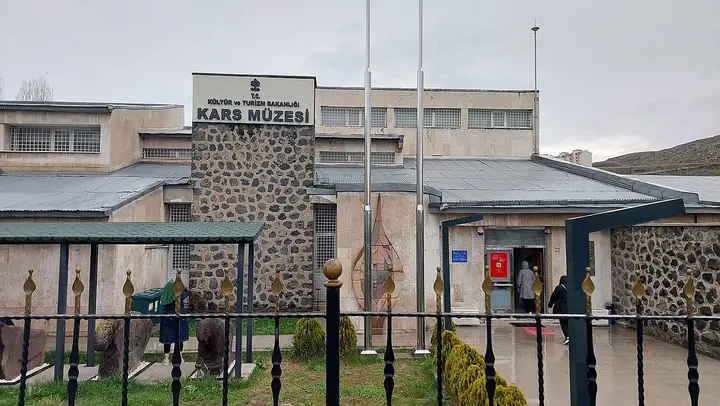
- Merkez (central district): Kars Castle, the Church of the Apostles (Kümbet Mosque), Fethiye Mosque (the former Alexander Nevsky Church), Evliya Mosque and the Tomb of Ebu’l Hasan Harakani, Kars Museum, the Baltic-style buildings and the bridges over the Kars Stream.
- Ani: The medieval capital on the banks of the Arpaçay, 45 km east of the city; the cathedral, the churches of Tigran Honents and St Prkiç, the Ebu’l Menüçehr Mosque and the Lion Gate.
- Sarıkamış: The ski resort and Scots pine forests, the Sarıkamış Operation cemetery and monument, and the former Russian hunting lodge.
- Boğatepe: Gruyère cheesemaking, the legacy of the Molokans and Swiss masters, and the cheese museum.
- Digor, Kağızman and Akyaka: Mağazberd Castle, the orchards of Kağızman and the registered Kağızman long apples.
Suggested Itineraries
Day 1 – The city centre: Take in the grid plan of the city from Kars Castle; the Church of the Apostles, Taşköprü and Evliya Mosque. In the afternoon, Fethiye Mosque, the Baltic buildings and Kars Museum; goose meat and noodle pilaf in the evening.
Day 2 – Ani: Go early in the morning to Ani for the cathedral, the Church of Tigran Honents, the Ebu’l Menüçehr Mosque and the view over the Arpaçay valley; allow at least 3 hours.
Day 3 – Sarıkamış and Boğatepe: Skiing at Sarıkamış in winter; in summer, walks in the Scots pine forests and a look at gruyère production at Boğatepe.
Kars Cuisine
Kars cuisine is a product of animal husbandry and long winters. The best-known delicacy is Kars goose meat (Kars kaz eti), salted and dried as preparation for winter and cooked in a tandır oven; it received a geographical indication in 2023 and is served with Kars erişte pilavı (noodle pilaf). Kars gravyer peyniri (Kars gruyère), Kars kaşarı (kaşar cheese), Kars balı (honey), Kars ketesi (flaky pastry) and Kağızman uzun elması (Kağızman long apples) are registered. Local dishes include hangel (dumplings), piti and evelik dolması (stuffed sorrel).
Handicrafts and Culture
Kars el halısı (hand-woven carpet) and Sümer Kars el halısı have registered geographical indications; the Kars Turkish shepherd dog and Sarıkamış obsidyen taşı (obsidian) are also registered. Kars is one of the important centres of the âşık tradition; the âşık coffeehouse of Âşık Murat Çobanoğlu in Kars is among the symbols of this tradition.
Practical Tips
- There is no shade at the Ani site; take a hat and water in summer and a thick coat in winter. Ani is in the border zone, so do not go beyond the marked areas.
- Touristic Eastern Express tickets can sell out on the day sales open; keep an eye on the dates.
- In winter, snow tyres and chains are essential in Kars; the Sarıkamış road may close temporarily in heavy snowfall.
- Buy gruyère and kaşar from the cheese shops in the centre of Kars or from Boğatepe.
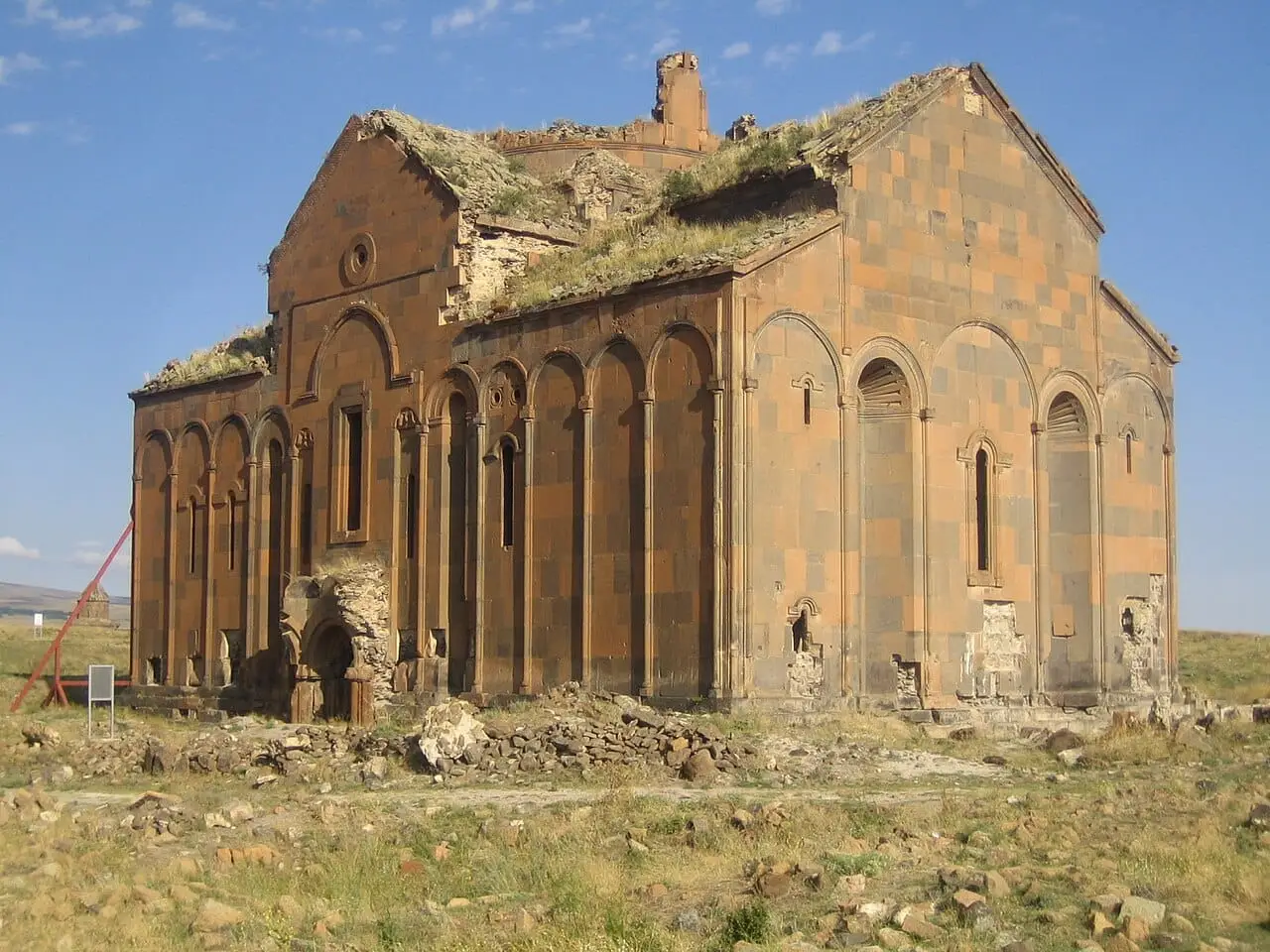
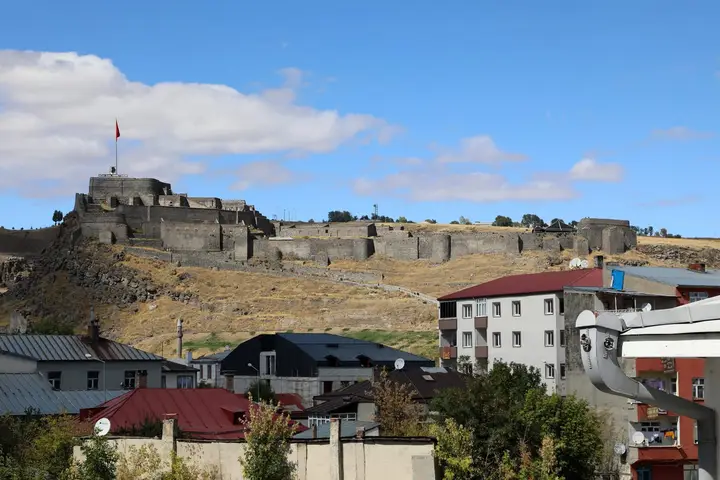 Photo: Francesco Bini (CC BY-SA 4.0) · Source