 Photo: Wikipedia (CC BY-SA) · Source
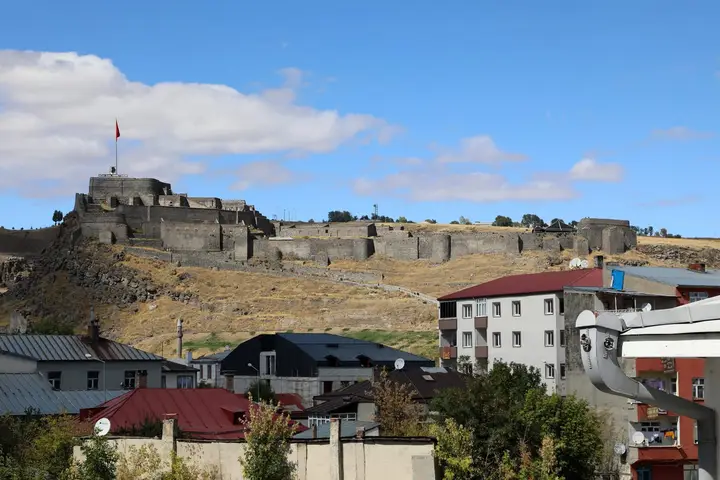
 Kars Castle
A castle built by the Saltukids in 1152 and rebuilt during the Ottoman period.
View on map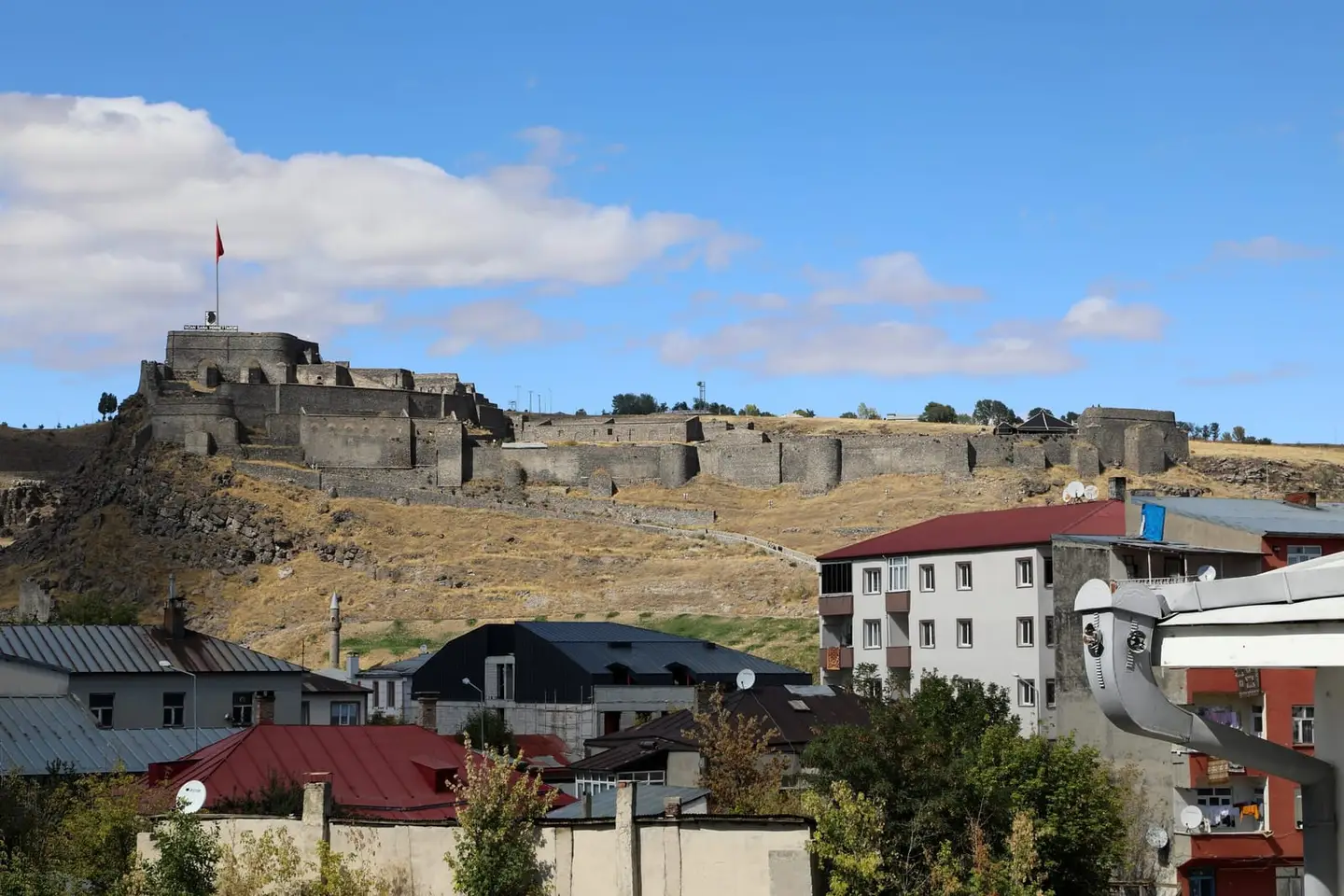 Photo: Wikipedia (CC BY-SA) · Source
 9 places to visit in the central district of Kars: Kars Castle, Church of the Apostles and Fethiye Mosque. Plan your trip with local food, practical tips and transport information.
Kars lies in north-eastern Türkiye, close to the Armenian border, on a broad plateau at an elevation of about 1,750 metres. The district covers 2,048 km², and the centre lies at an average of 1,754 metres above sea level.
In the 10th century, Kars was briefly the capital of the Bagratid Kingdom, and the Church of the Apostles (today Kümbet Mosque) survives from this period. Kars Castle was built in 1152 during the Saltukid period. After it was destroyed by Timur, it was rebuilt in 1579 by Lala Mustafa Paşa. After the Russo-Turkish War of 1877–1878, Kars remained under Russian rule for 40 years. During this time it was laid out on a grid plan with wide boulevards, and the dressed-stone buildings known today as Baltic-style architecture were built. Malakan communities who came from Russia started the cheese-making tradition, and with the help of Swiss craftsmen, gravure production developed at Boğatepe. Kars was taken by Turkish forces on 30 October 1920, and the border was set by the Treaty of Kars in 1921.
Today Kars is the last stop of the Turkish Eastern Express, the university city of Kafkas University, and one of the leading winter tourism destinations thanks to the ski resorts of Sarıkamış.
Cuma Hammam, known to have been built in 1863, served women on Fridays. Mazlumağa Hammam is known to have been built by Mazlum Ağa in 1742.
Last updated:
Photo: Wikipedia (CC BY-SA) · Source A castle built by the Saltukids in 1152 and rebuilt during the Ottoman period.
View on map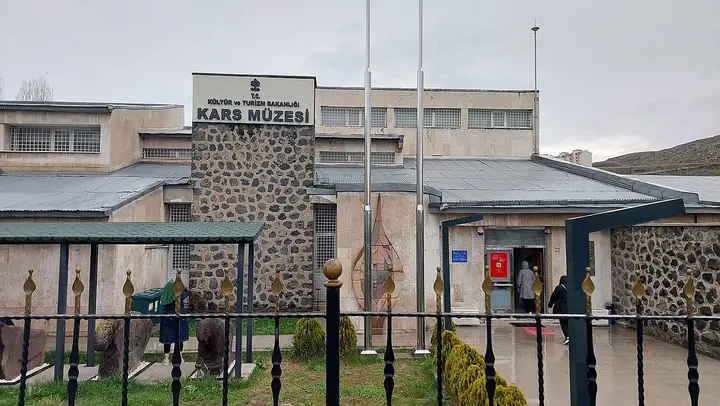 Photo: Jaba1977 (CC BY-SA 4.0) · Source
 Buildings constructed in dressed stone during the Russian period, today known as Baltic-style architecture.
View on mapKaşar cheese made from the milk of cows grazing on Kars's high plateaus, widely regarded as the finest kaşar in Türkiye. It is a geographically indicated product.
Goose meat traditionally eaten during Kars's cold winter months, cooked in an oven or tandır. Goose fat is also used in cooking.
A type of mantı specific to Kars, prepared by boiling large pieces of dough filled with minced meat. Served with yoghurt and garlic sauce.
Kars has been under Urartian, Seljuk, Ottoman and Russian rule over the course of its history. This many-layered history is reflected in the city's architecture, cuisine and culture.
The novel "Snow" by Nobel laureate Orhan Pamuk is set in Kars. The novel introduced the city's atmosphere and cultural fabric to the world.
Kars's economy rests on livestock farming, agriculture and tourism. Dairy products and kaşar cheese production are the most important sources of income. Kafkas University contributes to the education sector.
Kars is 1,300 km from Ankara. Flights to Istanbul and Ankara operate from Kars Harakani Airport. The Eastern Express train line reaches Kars.
The 9 standout places in Kars Merkez are Kars Castle, Church of the Apostles, Fethiye Mosque, Baltic-Style Buildings, Kars Museum, Evliya Mosque, Cuma Hammam, Mazlumağa Hammam and Nuns' Monastery.
Kars Kaşarı, Kaz Eti and Hangel are the standout flavours on Kars Merkez's tables.
Kars Merkez is known for Kars Kaşarı and its Multicultural Heritage. The aged kaşar made from the milk of animals grazing on Kars's high plateaus is sold after being matured for 1–2 years.
Kars is 1,300 km from Ankara. Flights to Istanbul and Ankara operate from Kars Harakani Airport. The Eastern Express train line reaches Kars.