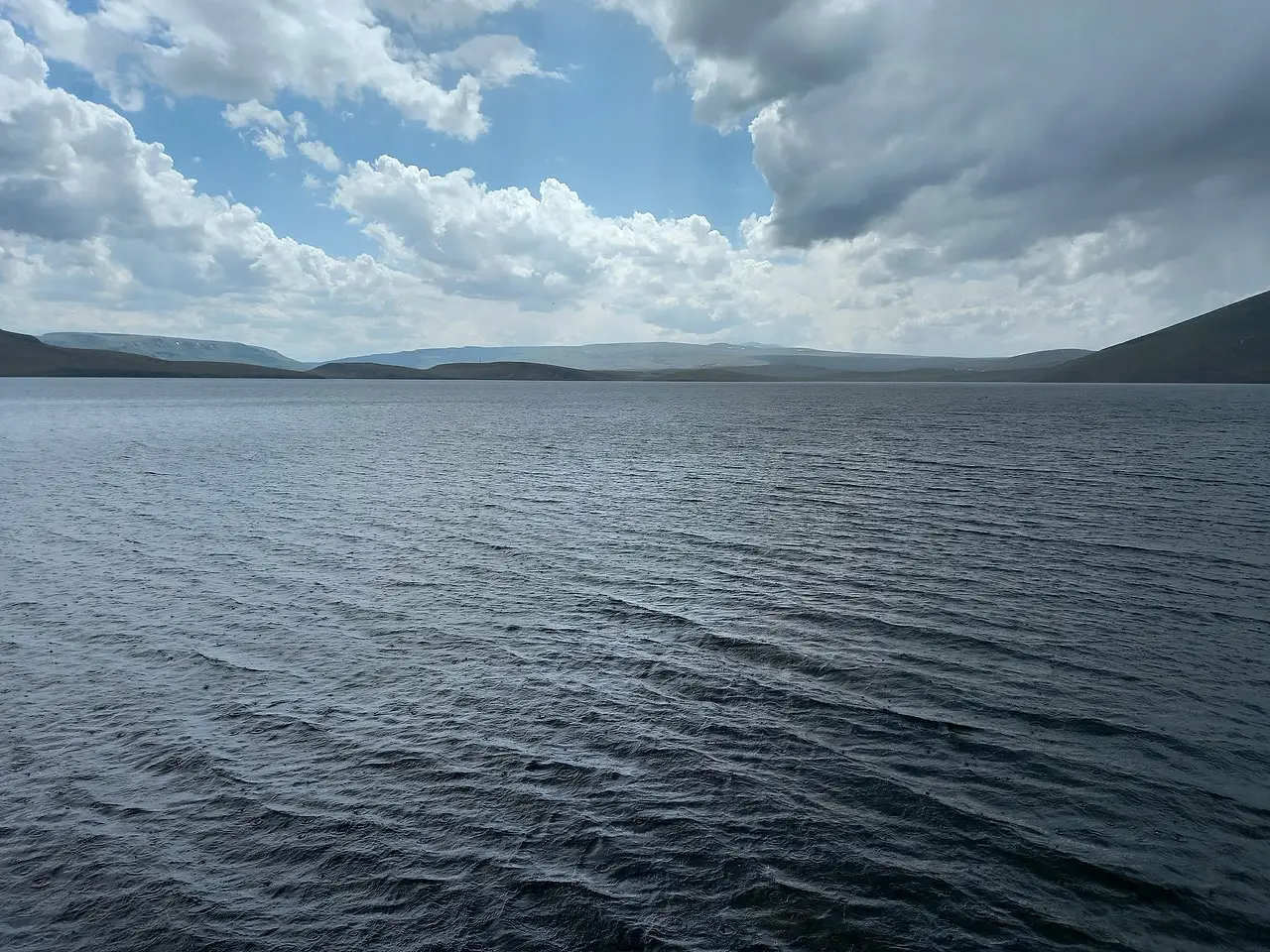
Susuz is a district of Kars province, surrounded by Arpaçay, Kars central district, Çıldır, Göle and Ardahan central district. It is the least populous district in Kars.
Name and Geography
The district is famous for its green meadows and wetlands, which contrast with its name (susuz means “waterless”). Some 43 percent of the district’s area is covered by meadows and pastures.
History
Research in the Cılavuzdere area has uncovered remains believed to date from the Lower Palaeolithic period. The region came under Urartian rule in the 9th century BC. Later, under the Urartian king Sarduri II, it was extended in the 8th century BC to the lands west of Lake Sevan. The Cimmerians and Scythians invaded the area, and the Medes ended Urartian rule in 560 BC. The Romans defeated Tigranes II of the Artaxiad dynasty and took the region. In 1064, the Seljuk ruler Alp Arslan took control of the area, and the Ani-Shaddadid government, centred on Ani, was founded under Seljuk authority.
Economy
Twenty percent of the population works in agriculture, 60 percent in animal husbandry and livestock farming, 10 percent in trade, and 10 percent in services. The district’s main economy rests on agriculture and livestock, with cattle and sheep raised.
History and Culture
Susuz became known for the Cilavuz Village Institute (Köy Enstitüsü) founded there. Susuz was declared a district in 1959. People from different regions, living together for about 90 years, have emphasised the law of brotherhood.
Highlights
Susuz is a district of Kars province, surrounded by Arpaçay, Kars central district, Çıldır, Göle and Ardahan central district. In the Cilavuz Dere lowlands and on the Kars Plateau in Susuz district, a hand axe of the shoe-last (şölyen-aşölyen) type, dated to the Lower Palaeolithic period, was found. Susuz Waterfall lies on the Kars–Ardahan road and has a drop of 75 metres.