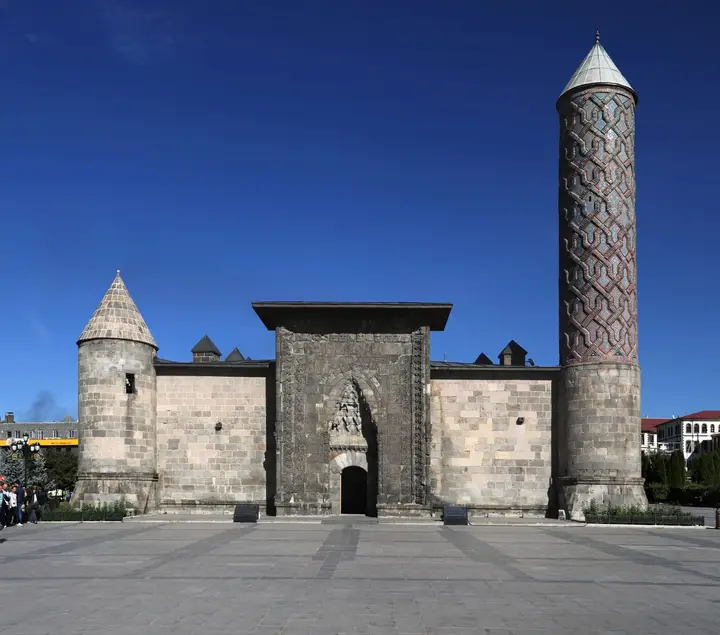
Erzurum is the largest city in Eastern Anatolia, known for the Saltukid, Seljuk and Ilkhanid monuments of the Çifte Minareli Madrasa, Yakutiye Madrasa, Grand Mosque and Three Tombs, the building where the 1919 Erzurum Congress met, Palandöken (host of the 2011 Winter Universiade), the 48-metre Tortum Waterfall, the red Narman fairy chimneys and the Georgian monasteries of Tao. It has 62 registered geographical indications, including cağ kebabı, kadayıf dolması and Oltu stone.

Share with friends

Last updated:

Places to Visit in Erzurum

20 places worth seeing in Erzurum, from historic monuments to natural wonders, grouped by type. Open any of them on the map with a single click.

  • 11 Historic
  • 2 Religious
  • 2 Museum
  • 4 Nature
  • 1 Attraction

Historic Sites 11

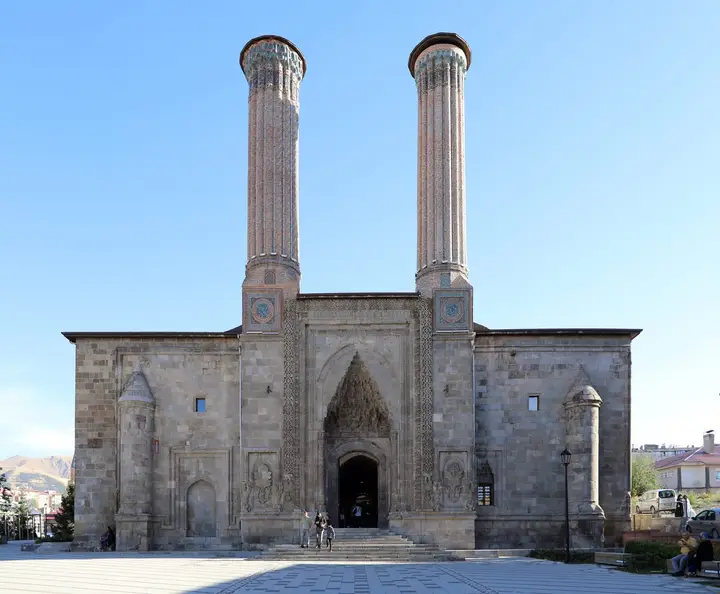
Çifte Minareli Madrasa Photo: Francesco Bini (CC BY-SA 4.0) · Source
Historic

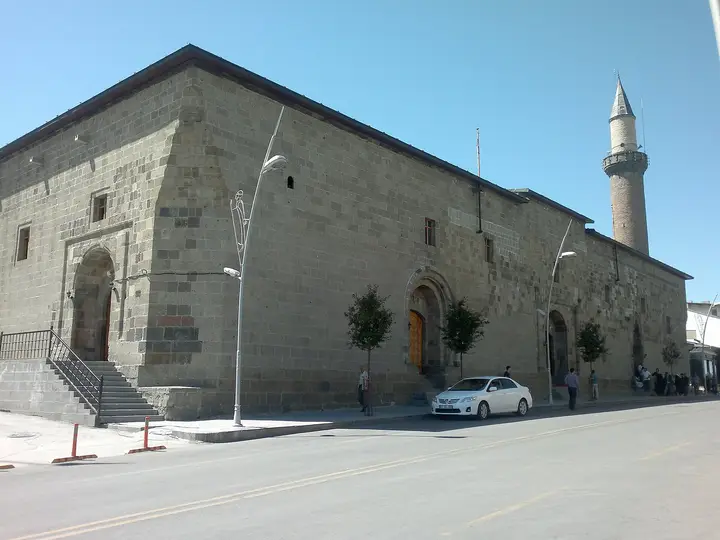
Çifte Minareli Madrasa

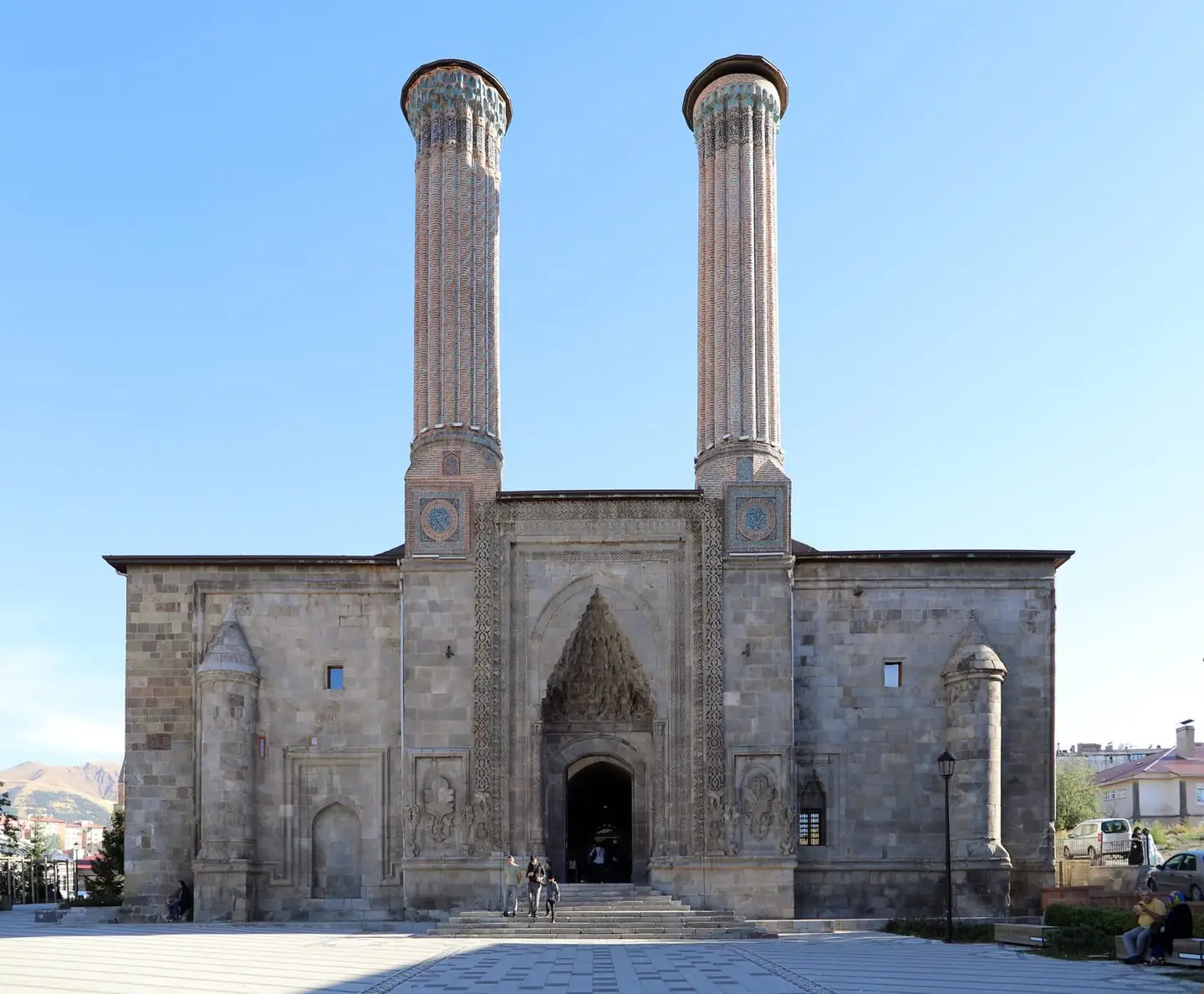
The symbol of the city, a two-storey Seljuk madrasa with an open courtyard, built in the mid-13th century. It is famous for its twin 26-metre minarets decorated with brick and tilework and for the tomb (kümbet) at the end of the courtyard, the largest of the tombs in Erzurum. It is also known as the Hatuniye Madrasa.

View on map
Yakutiye Madrasa Photo: Francesco Bini (CC BY-SA 4.0) · Source
Historic

Yakutiye Madrasa

Built in 1310 by Hoca Cemalettin Yakut during the reign of the Ilkhanid ruler Öljeitü, this is the largest madrasa with a covered courtyard in Anatolia. Its single minaret with tile mosaic and its portal carved with lion and palmette reliefs stand out. Today it houses the Museum of Turkish and Islamic Art and Ethnography, which includes a collection of Oltu stone.

View on map
Three Tombs (Üç Kümbetler) Photo: Zeynel Cebeci (CC BY-SA 4.0) · Source
Historic

Three Tombs (Üç Kümbetler)

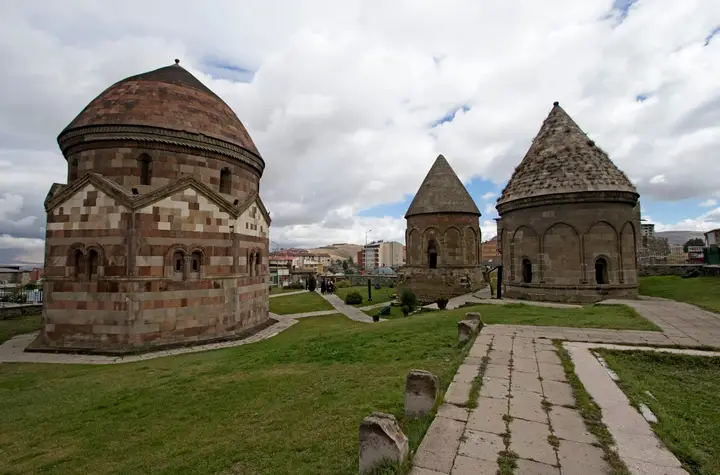
Three monumental tombs south of the Çifte Minareli Madrasa, dating from the 12th to 14th centuries. The largest is the octagonal Emir Saltuk Tomb; with their conical roofs and reliefs they are outstanding examples of Anatolian tomb architecture.

View on map
Erzurum Castle and Clock Tower Photo: Zeynel Cebeci (CC BY-SA 4.0) · Source
Historic

Erzurum Castle and Clock Tower

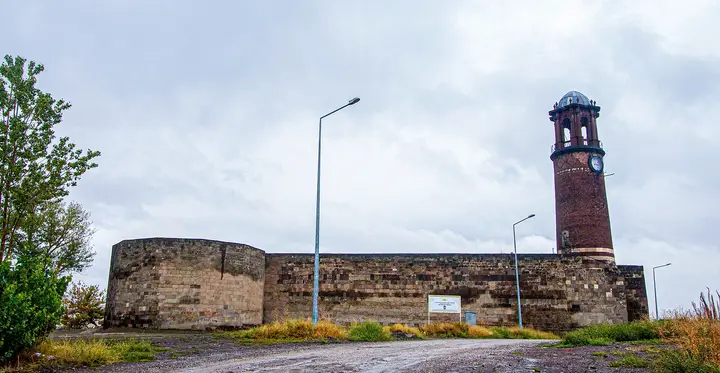
The inner citadel on the highest point of the city, founded in the Byzantine period and repaired under the Saltukids and the Ottomans. A minaret dating from the Saltukid period was converted into a clock tower in the 19th century. From the ramparts you can look out over the city and Palandöken.

View on map
Taşhan courtyard Photo: Zeynel Cebeci (CC BY-SA 4.0) · Source
Historic

Taşhan (Rüstem Paşa Caravanserai)

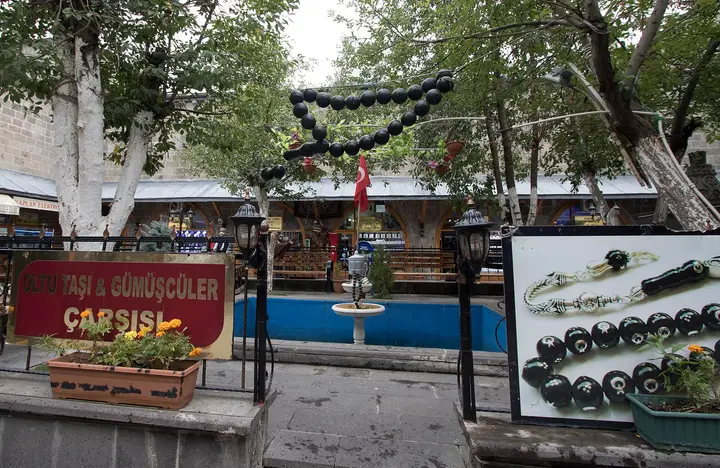
A two-storey caravanserai built by Mimar Sinan for Rüstem Paşa, grand vizier of Suleiman the Magnificent, between 1554 and 1561. Today it is a bazaar full of workshops and shops of Oltu stone craftsmen.

View on map
Nene Hatun's tomb at the Aziziye Bastions Photo: Eğitmen Mahmut (CC BY-SA 3.0) · Source
Historic

Aziziye Bastion and Nene Hatun

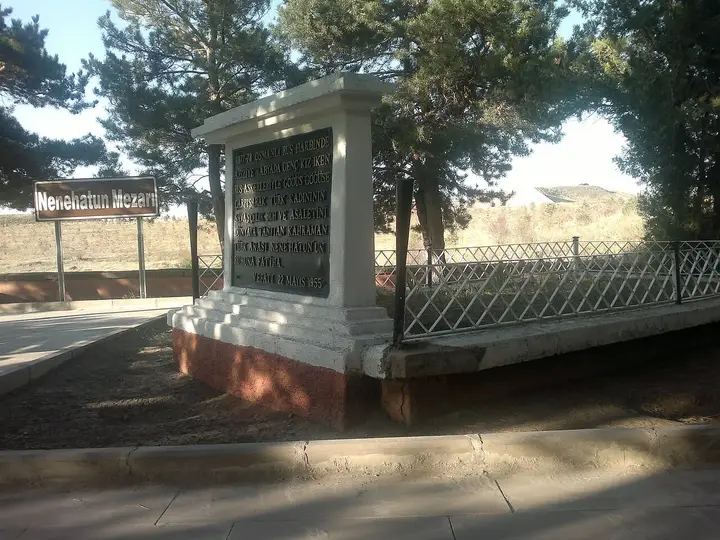
Bastions defended against the Russian army in the Russo-Turkish War of 1877–78. When the Russians captured the bastion on the night of 8 November 1877, the local people counter-attacked with stones and sticks. The tomb of Nene Hatun, the symbol of this resistance, lies beside the bastions.

View on map
Historic

Öşkvank (Oşki) Monastery

A Georgian cathedral in the Çamlıyamaç neighbourhood of Uzundere, built in the 10th century under the Bagratids of Tao-Klarjeti. It is one of the largest and best-preserved churches of the historic Tao region, and its façade reliefs and inscriptions make it a masterpiece of Georgian architecture.

View on map
Historic

Haho (Hahuli) Monastery

A 10th-century Georgian monastery in the Bağbaşı neighbourhood of Tortum, made up of a main church, small chapels and walls. The main church is now used as a mosque.

View on map
Oltu Castle Photo: MaxBenidze (CC BY-SA 4.0) · Source
Historic

Oltu Castle

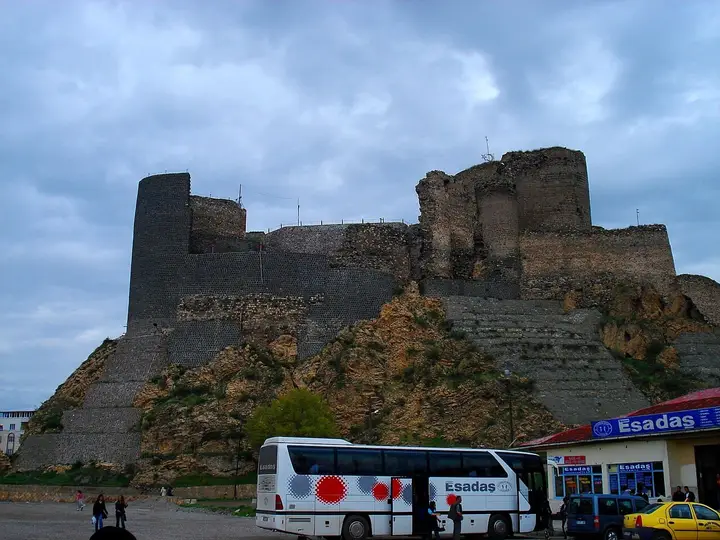
A medieval castle rising on a rock in the centre of the Oltu district; its restored walls are the symbol of the district.

View on map
Çobandede Bridge
Historic

Çobandede Bridge

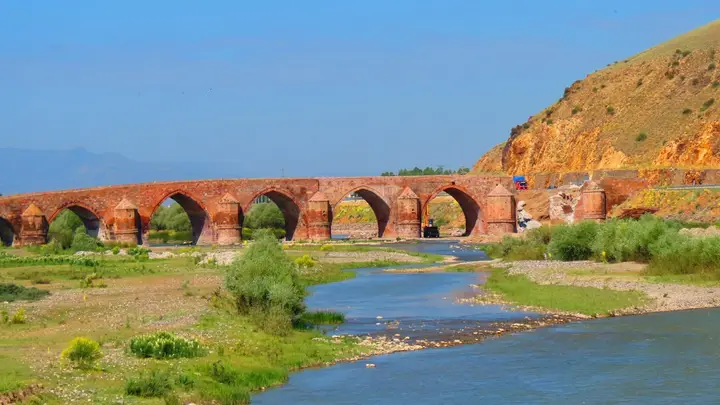
A six-arched stone bridge over the Aras River at Köprüköy, believed to have been built in the Ilkhanid period in the late 13th century; it lies on the historic Silk Road route.

View on map
İspir Castle Photo: Bertramz (CC BY-SA 3.0) · Source
Historic

İspir Castle and Çoruh Valley

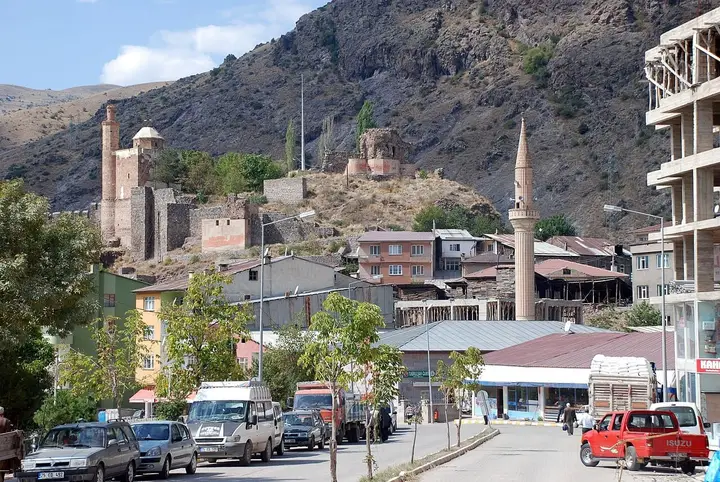
A medieval castle on a rock overlooking the narrow valley of the Çoruh River, with a Seljuk-period masjid inside; the valley is suitable for rafting and nature walks.

View on map

Religious Buildings 2

Erzurum Grand Mosque Photo: Eğitmen Mahmut (CC BY-SA 3.0) · Source
Religious

Erzurum Grand Mosque

Built in 1179 under the Saltukid ruler Melik Nasirüddin Muhammed, this is the oldest and largest mosque in the city, also known as the Atabey Mosque. Its wooden ceiling and lantern (kırlangıç) dome give it a plain yet imposing interior. It stands right next to the Çifte Minareli Madrasa.

View on map
Lala Mustafa Paşa Mosque Photo: Zeynel Cebeci (CC BY-SA 4.0) · Source
Religious

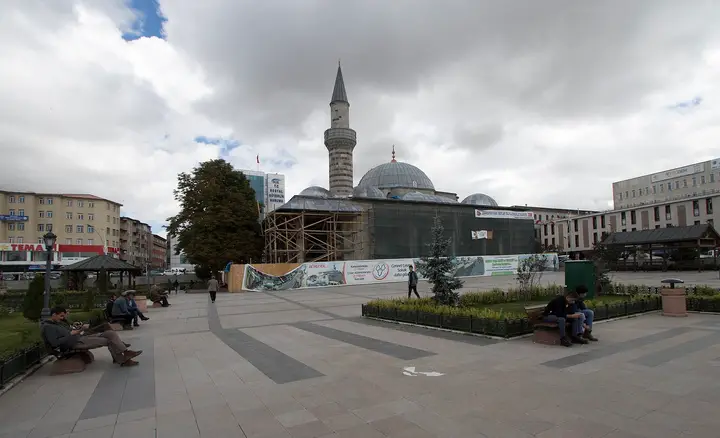
Lala Mustafa Paşa Mosque

A classical Ottoman mosque attributed to Mimar Sinan, built in 1562–1563 for Lala Mustafa Paşa, the beylerbey of Erzurum. With its single dome and covered porch, it stands in the city centre.

View on map

Museums 2

Museum

Erzurum Congress Building

The former Sanasaryan College building where the Erzurum Congress met from 23 July to 7 August 1919. The hall where the congress was held and two rooms are open to visitors as the Congress and War of Independence Museum, and part of the building as the Painting and Sculpture Museum.

View on map
Museum

Atatürk House Museum

A 19th-century mansion where Mustafa Kemal Paşa and his companions stayed for 52 days during the Erzurum Congress. It was presented to Atatürk in 1924 on behalf of the city and has been a museum since 1984.

View on map

Natural Wonders 4

Tortum Waterfall Photo: Ebrarstascii (CC BY-SA 4.0) · Source
Nature

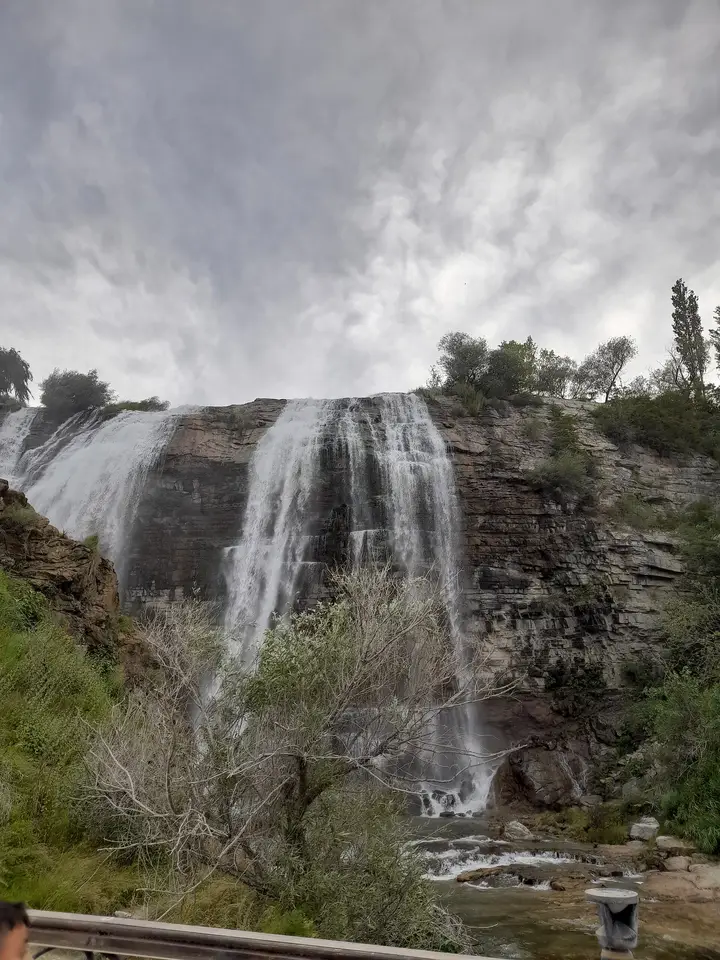
Tortum Waterfall

At Uzundere, the waterfall drops 48 metres from a natural dam formed in the 18th century when a landslide blocked the Tortum Stream; it is one of the highest waterfalls in Türkiye. The volume of water varies depending on the Tortum hydroelectric plant, and it is at its fullest in May and June.

View on map
Tortum Lake Photo: EvgenyGenkin (CC BY 2.5) · Source
Nature

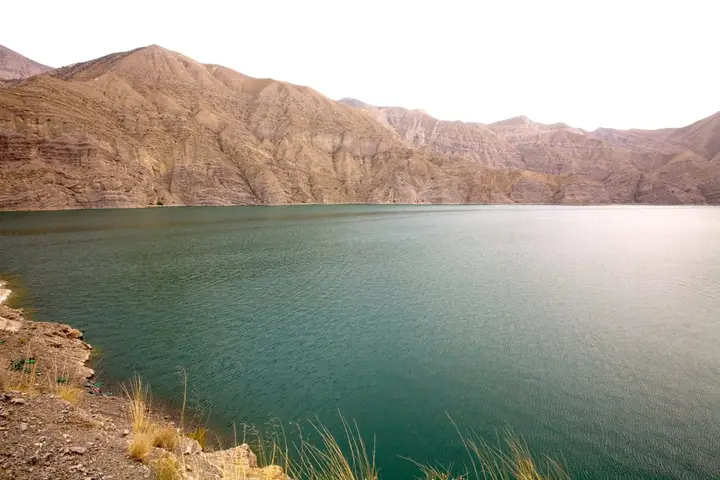
Tortum Lake

A landslide-dammed lake of about 8 km², formed when rocks breaking away from the slope of Kemerlidağ blocked the Tortum Stream. It is known for its turquoise water in a steep-sided valley and for the bird sanctuary at its southern end.

View on map
Narman Fairy Chimneys Photo: Aykun Oymakas (CC BY-SA 4.0) · Source
Nature

Narman Fairy Chimneys

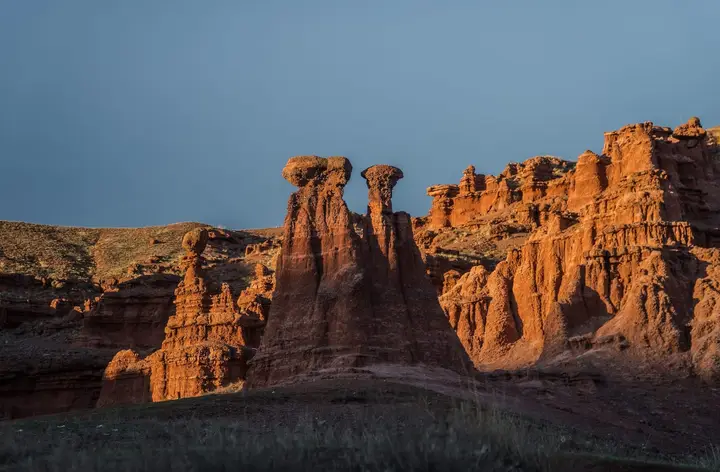
Red fairy chimneys and canyons shaped by wind and water erosion in the Narman district; their colours are at their most vivid at sunset.

View on map
İspir Yedigöller (Seven Lakes) Photo: Büşraphlvn (CC BY-SA 4.0) · Source
Nature

İspir Yedigöller (Seven Lakes)

Glacial lakes on the southern slope of the Kaçkar Mountains, reachable in the summer months; they are one of the starting points on the Erzurum side for Kaçkar hikes.

View on map

Attractions 1

Mount Palandöken Photo: Zeynel Cebeci (CC BY-SA 4.0) · Source
Attraction

Palandöken Ski Resort

A ski resort 7 km south-west of the city, rising between 2,200 and 3,176 metres and expanded for the 2011 Winter Universiade. It has 22 pistes served by a gondola and five chairlifts; the Olympic-size Ejder and Kapıkaya pistes are the longest. The season generally runs from late November to April.

View on map

Getting to Know Erzurum

Erzurum is the largest city in Eastern Anatolia and one of the highest provincial centres in Türkiye. The city lies on the south-eastern edge of the Erzurum Plain, at the foot of the Palandöken Mountains, at an altitude of about 1,850–1,900 metres. The sources of the Karasu, a tributary of the Euphrates, and the upper course of the Aras lie within the province, and in the north the Çoruh and Tortum valleys open towards the Black Sea.

The city’s earliest known name is Theodosiopolis, given in honour of the Byzantine emperor Theodosius II (408–450); in Armenian sources it appears as Karin. The Saltukid Principality, founded by Emir Saltuk, who conquered Erzurum and its surroundings after Malazgirt (Manzikert), was one of the first Turkish principalities in Anatolia and made Erzurum its capital. The city’s oldest mosque, the Grand Mosque (1179), dates from this period. The Çifte Minareli Madrasa survives from the Seljuk period that followed, and the Yakutiye Madrasa (1310) from the Ilkhanid period. A military base for the Persian campaigns in Ottoman times, the city suffered three Russian occupations, in 1829, 1878 and 1916; the defence of the Aziziye Bastion in the Russo-Turkish War of 1877–78 and the legendary resistance of Nene Hatun are the symbols of that era.

The Erzurum Congress, one of the most important turning points of the War of Independence, met under the chairmanship of Mustafa Kemal Paşa from 23 July to 7 August 1919. The building where it was held is now the Congress and War of Independence Museum. Atatürk University, founded in 1957, turned the city into a student town, while the 2011 Winter Universiade made Palandöken and Konaklı international ski resorts.

When to Go

Erzurum has a harsh continental climate: winters are long, very cold and snowy; summers are short, cool and sunny. Averages for 1929–2025 from the Turkish State Meteorological Service:

Month Avg. high Avg. low Rainfall Rainy days
January −3.9 °C −13.9 °C 21 mm 11
February −2.3 °C −12.6 °C 25 mm 11
March 2.7 °C −7.0 °C 35 mm 12
April 11.1 °C 0.1 °C 55 mm 14
May 16.9 °C 4.3 °C 73 mm 16
June 21.9 °C 7.3 °C 48 mm 11
July 26.6 °C 11.1 °C 29 mm 7
August 27.4 °C 11.2 °C 18 mm 5
September 22.8 °C 6.4 °C 24 mm 5
October 15.3 °C 1.7 °C 47 mm 9
November 6.9 °C −3.8 °C 33 mm 9
December −0.8 °C −10.2 °C 22 mm 11

June to September is ideal for sightseeing in the city, Tortum and Narman; December to March is ideal for skiing. Even in July and August nights drop to around 11 °C, so be sure to bring a warm layer. In January night temperatures regularly fall below −20 °C, and in winter roads may close temporarily because of snowfall and ice. The ski season at Palandöken generally runs from late November to April.

How to Get to Erzurum

By air: Erzurum Airport (ERZ) is close to the city centre, within the boundaries of the Aziziye district. There are regular flights from Istanbul and Ankara. Its 3,810-metre runway is among the longest in Türkiye.

By train: The Eastern Express (Doğu Ekspresi), which runs between Ankara and Kars, and, in the winter months, the Touristic Eastern Express (Turistik Doğu Ekspresi) stop at Erzurum. The line, which follows the Karasu valley and the Erzurum Plain after Erzincan, is one of the most scenic railway journeys in Türkiye.

By road: Erzurum lies at the junction of the Ankara–Sivas–Erzincan–Erzurum–Ağrı/Iran and Trabzon–Gümüşhane–Bayburt–Erzurum roads. Kars is reached via Pasinler and Horasan, and Artvin along the Tortum–Uzundere valley. Intercity buses arrive at the Erzurum bus station.

Erzurum Area by Area

  • Yakutiye (historic centre): Çifte Minareli Madrasa, Grand Mosque, Three Tombs, Yakutiye Madrasa (Museum of Turkish and Islamic Art and Ethnography), Erzurum Castle and Clock Tower, Lala Mustafa Paşa Mosque, Taşhan (the Oltu stone bazaar), Atatürk House Museum and the Congress Building.
  • Palandöken: Palandöken Ski Resort and Mount Palandöken, which rises above 3,000 metres just south of the city.
  • Aziziye: the Aziziye Bastion, symbol of the Russo-Turkish War of 1877–78, Nene Hatun’s tomb and the Ilıca hot springs; Konaklı Ski Resort.
  • Pasinler: Hasankale (Pasinler) Castle, its hot springs and the town where İbrahim Hakkı Erzurumî was born; the historic Çobandede Bridge over the Aras is in neighbouring Köprüköy.
  • Uzundere and Tortum: Tortum Lake and Waterfall, and the Georgian monasteries of Öşkvank (Oşki) and Haho (Hahuli).
  • Oltu, Narman and Şenkaya: Oltu Castle and the Oltu stone workshops, Oltu as the homeland of cağ kebabı, and Narman with its red fairy chimneys.
  • İspir: the Çoruh Valley, İspir Castle and the Yedigöller on the southern slope of the Kaçkars.

Suggested Itineraries

Day 1 – The historic centre: Start the morning with views of the city from Erzurum Castle and Clock Tower, then visit the Çifte Minareli Madrasa, the Grand Mosque and the Three Tombs. Have cağ kebabı for lunch; in the afternoon see the museum in Yakutiye Madrasa, Lala Mustafa Paşa Mosque and the Oltu stone bazaar at Taşhan. Kadayıf dolması in the evening.

Day 2 – The War of Independence: The Congress Building, Atatürk House Museum, the Aziziye Bastion and Nene Hatun’s tomb; in winter, spend the rest of the day skiing at Palandöken.

Day 3 – The Tortum valley: Tortum Lake and Waterfall, Öşkvank Monastery and Haho; on the way back, Tortum ekşi pestili (sour fruit leather).

Day 4 – The north-east: Sunset at the Narman fairy chimneys, and cağ kebabı and the Oltu stone workshops in Oltu.

Erzurum Cuisine

Erzurum cuisine is a product of long, harsh winters: meat, butter, dough and molasses are the staples. According to TÜRKPATENT records, with 62 geographical indications it is one of the provinces with the most registered products in Türkiye. The symbol of the city is Oltu cağ kebabı (horizontal spit-roasted lamb), cooked on a horizontal skewer over a wood fire and served on a skewer called a cağ; the meat is seasoned with onion and black pepper and threaded onto a slanted döner skewer, and the cooked part is sliced thin and brought to the table on the skewer.

Some of the registered delicacies are Erzurum kadayıf dolması (walnut-filled, syrupy kadayıf), Erzurum su böreği, Erzurum civil peyniri (civil cheese) and the mouldy civil (göğermiş peynir), Erzurum pastırması, Erzurum sucuğu (spiced sausage), Erzurum et kavurması (fried meat), Erzurum tereyağı (butter), ayran aşı çorbası (yoghurt and wheat soup), kesme aşı çorbası (noodle soup), Erzurum mantısı (hıngel) (Erzurum dumplings), hasıta, Erzurum ketesi (flaky pastry), Erzurum ekşili dolma (sour stuffed vegetables), Erzurum tatar böreği (tatar pastry), Erzurum çaşır kavurması (fried wild garlic), Erzurum hurma tatlısı, Erzurum demir tatlısı (iron dessert), pekmezli kadayıf (kadayıf with molasses) and pekmezli baklava (baklava with molasses), tel helvası (thread halva), peynir helvası (cheese halva), Erzurum kıtlama şekeri (cut sugar) and Hasankale lavaşı (Hasankale flatbread). From the districts, Pasinler yaprak döner, Hınıs köftesi (Hınıs meatballs), İspir kuru fasulyesi (İspir dried beans), Narman şeker fasulyesi (Narman sugar beans), İspir kaymağı (İspir clotted cream), Tortum ekşi pestili (Tortum sour fruit leather) and Karnavas dut pekmezi (Karnavas mulberry molasses) are registered.

In Erzurum, tea is drunk kıtlama style: instead of dropping the sugar into the glass, you hold a sugar cube in your mouth and sip the tea over it.

Handicrafts and Oltu Stone

Oltu stone is a black, semi-precious stone formed from fossilised wood, extracted from quarries north-east of the Oltu district. Soft when extracted, the stone hardens on contact with air; it is used to make prayer beads, rings and earrings, and is worked in small workshops where the craft passes from father to son. The place to buy it in Erzurum is Taşhan (Rüstem Paşa Caravanserai), built by Mimar Sinan. The Erzurum ehram woven fabric (ehram dokuma kumaşı), the Erzurum burma bileziği (twisted bracelet) and Karnavas cloth (Karnavas bezi) are also registered handicrafts.

Practical Tips

  • Because of the altitude you may tire easily on the first day; drink plenty of water and keep your plans for the day light.
  • In winter, thermal underwear, a hat, gloves and non-slip shoes are essential; at night the temperature can drop below −20 °C.
  • Most of the historic buildings in the centre (Çifte Minareli, Grand Mosque, Three Tombs, Yakutiye, the Castle) are within walking distance of each other around Cumhuriyet Street.
  • When buying Oltu stone, ask whether the stone is genuine; real stone is light and warms when rubbed. Imitations are common.
  • Hiring a car is the most practical way to see Tortum and Narman; the time when the water at Tortum Waterfall is at its fullest is late spring and early summer.
Districts of Erzurum

Erzurum province has 20 districts. Explore the places to visit, local dishes and transport in each one.

What to Eat in Erzurum

All dishes →
  • Oltu Cağ Kebabı (horizontal spit-roasted lamb)

    A kebab with a registered geographical indication, cooked on a horizontal skewer over a wood fire and served on the cağ skewer.

  • Erzurum Kadayıf Dolması (walnut-filled kadayıf)

    Shredded kadayıf filled with walnuts and soaked in syrup; it has a registered geographical indication.

  • Erzurum Su Böreği (boiled-pastry börek)

    A registered börek made with layers of boiled yufka and cheese.

  • Ayran Aşı Çorbası (yoghurt and wheat soup)

    A registered soup made with yoghurt, wheat and herbs.

  • Erzurum Hurma Tatlısı (syrupy dough dessert)

    A syrupy dough dessert with a registered geographical indication.

  • Hasıta

    A registered traditional dessert made with flour, butter and sugar.

What to eat in Erzurum: the full food guide

Erzurum: Frequently Asked Questions

What are the best places to visit in Erzurum?

The main stops are the Çifte Minareli Madrasa, the Grand Mosque, the Three Tombs, Yakutiye Madrasa, Erzurum Castle, Lala Mustafa Paşa Mosque, Taşhan, the Congress Building, Atatürk House, the Aziziye Bastion, Palandöken, Tortum Waterfall and Lake, Öşkvank Monastery and the Narman fairy chimneys.

What is Erzurum famous for?

Cağ kebabı, kadayıf dolması, su böreği, civil cheese, pastırma, Oltu stone and kıtlama tea. Erzurum has 62 registered geographical indications.

When is the best time to visit Tortum Waterfall?

May and June, when the water is at its fullest, are the best months. The waterfall drops 48 metres, and the volume of water can vary depending on the Tortum hydroelectric plant.

When is the ski season at Palandöken?

The season generally runs from late November to April. The resort lies between 2,200 and 3,176 metres, 7 km from the city.

Where was the Erzurum Congress held?

It met in the former Sanasaryan College building. The congress hall can be visited today as the Congress and War of Independence Museum.

How cold does Erzurum get in winter?

The average low in January is −13.9 °C, and nights below −20 °C are common. Even in summer the nights are cool.

More from the Erzurum Guide

Other Provinces in the Eastern Anatolia Region

Sources

The information in this guide has been compiled from and checked against the sources below (last checked: 7 October 2026). If you spot an error, please let us know.

  1. Vikipedi – Erzurum
  2. Meteoroloji Genel Müdürlüğü – Erzurum il istatistikleri
  3. Vikipedi – Çifte Minareli Medrese
  4. Vikipedi – Yakutiye Medresesi
  5. Vikipedi – Erzurum Ulu Camii
  6. Vikipedi – Üç Kümbetler
  7. Vikipedi – Rüstem Paşa Kervansarayı (Erzurum)
  8. Vikipedi – Erzurum Kongresi
  9. Vikipedi – Erzurum Atatürk Evi Müzesi
  10. Vikipedi – Nene Hatun
  11. Vikipedi – Palandöken Kayak Merkezi
  12. Vikipedi – Tortum Şelalesi
  13. Vikipedi – Tortum Gölü
  14. Vikipedi – Çamlıyamaç, Uzundere (Oşki)
  15. Vikipedi – Bağbaşı, Tortum (Hahuli)
  16. Vikipedi – Narman Peribacaları
  17. Vikipedi – Oltu taşı
  18. Vikipedi – Cağ kebabı
  19. Vikipedi – Erzurum Havalimanı
  20. Vikipedi – Erzurumlu İbrahim Hakkı
  21. Vikipedi – Erzurumlu Emrah
  22. TÜRKPATENT – Oltu Cağ Kebabı
  23. TÜRKPATENT – Oltu Taşı
  24. TÜRKPATENT – Erzurum Kadayıf Dolması
  25. TÜRKPATENT – Erzurum Civil Peyniri
  26. TÜRKPATENT – Erzurum Pastırması
  27. Vikipedi – Türkiye'de tescilli coğrafi işaretler listesi

Search 81 province guides and 968 district guides.