Hahuli Monastery
Known as Haho, Hahuli Monastery is a Georgian monastery built in 976–1001 by David III Kuropalates of Tao.
View on map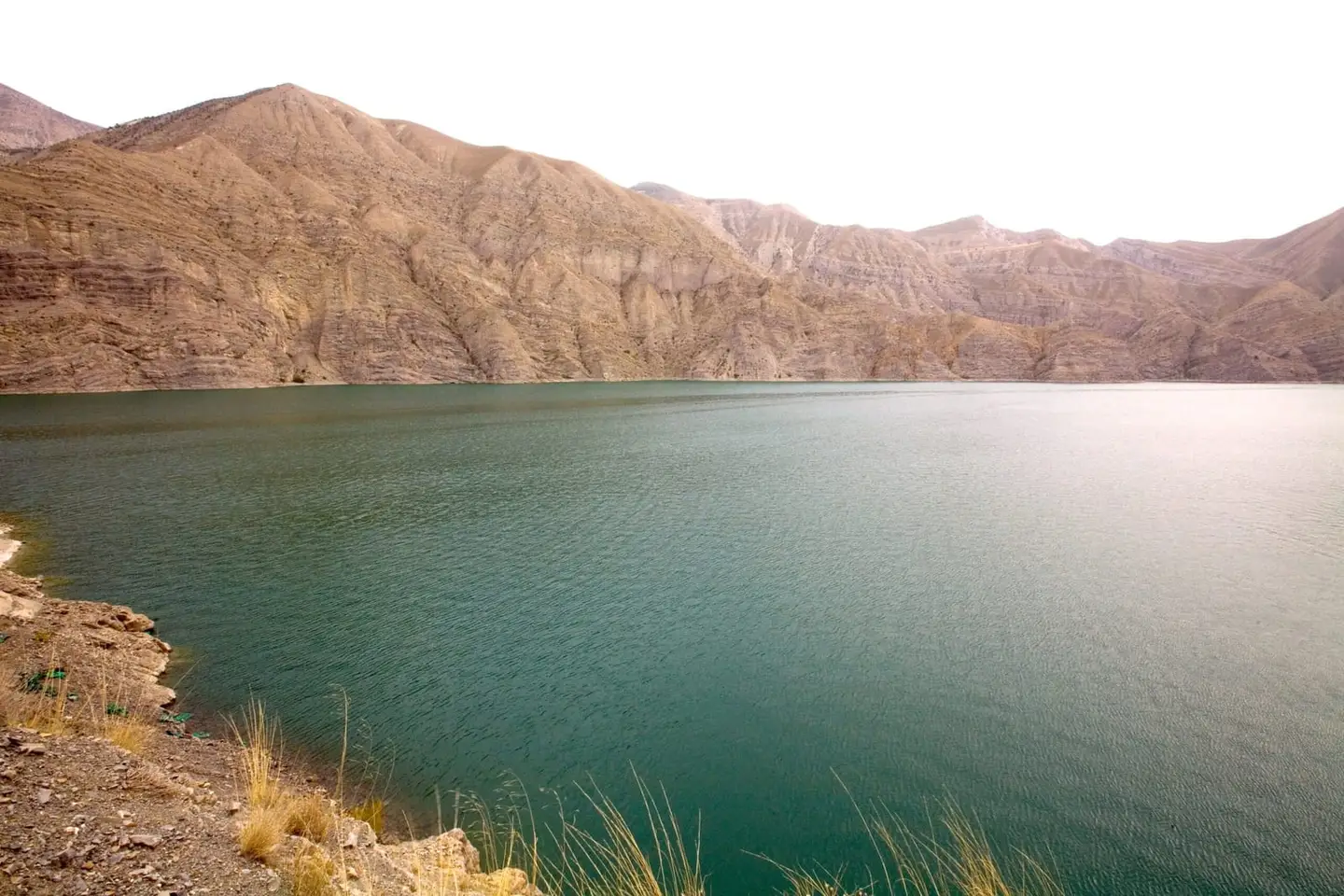 Photo: Wikipedia (CC BY-SA) · Source
 5 places to visit in the Tortum district of Erzurum: Hahuli Monastery, Tortum Waterfall and Tortum Lake. Plan your trip to Tortum with local food, practical tips and transport information.
Tortum is a district of Erzurum Province and the seat of the district. The district covers an area of 1,463 km².
Tortum, in Georgian Tortomi or Tortum, was once only the name of the region. The former name of today’s Tortum town was Nihahi. After 1928 the name Tortum was given to Nihah.
The history of Tortum goes back a very long way, but there is no certain information about when and by whom the first settlement in the area was made. Archaeological research near Tortum shows that the area had a prehistoric settlement character and belonged to the Karaz Culture. In ancient sources, the Tortum region is shown within the borders of the land of the Taokhs. The settlement was taken from Byzantium in 1080 and joined the lands of the Saltukids. Tortum was recaptured by the Ottomans in 1537 and was definitively incorporated into Ottoman rule with the Georgian campaign of 1549.
The district lies in the north of Erzurum, in the Black Sea Region. Built on a narrow, long valley, the district’s terrain is very mountainous and rugged. It is 52 km from Erzurum. Among the sources for the name Tortum is the Tor tribe, mentioned in Georgian sources together with the Mesxi; the name has survived to the present as the name of the area where they settled and of a castle.
Culturally, Tortum has a very colourful character, dominated by Caucasian, Erzurum and Eastern Black Sea cultures. Every spring, Karakucak wrestling is held in festival atmosphere in the Pehlivanlı town of Tortum.
Tortum is a district of Erzurum Province and is the district centre. The region was definitively incorporated into Ottoman rule with the Georgian campaign of 1549. The settlement took the name Tortum after the name Nihah.
Last updated:
Known as Haho, Hahuli Monastery is a Georgian monastery built in 976–1001 by David III Kuropalates of Tao.
View on mapFalling from a height of about 48 metres, Tortum Waterfall is one of the largest natural waterfalls in Türkiye. It is formed by the overflow of Tortum Lake, which was created by a landslide, and is at its most spectacular in spring.
View on map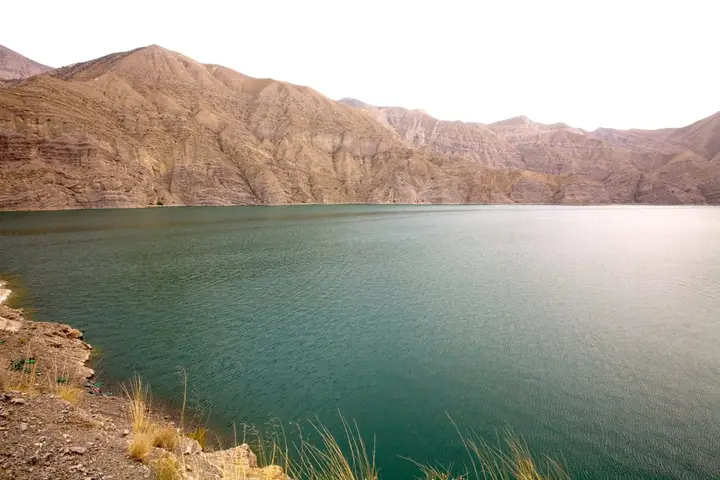 Photo: Wikipedia (CC BY-SA) · Source
 About 8 km long and at an altitude of 1,000 metres, Tortum Lake is a natural dam lake formed by a landslide. With its turquoise waters and mountain scenery, it is one of the most beautiful lakes in Eastern Anatolia.
View on mapHaho Church, built in the 10th century under the Georgian King David III, is one of the most important examples of Georgian architecture in Anatolia. Its stone reliefs, frescoes and domed structure give it great architectural value.
View on map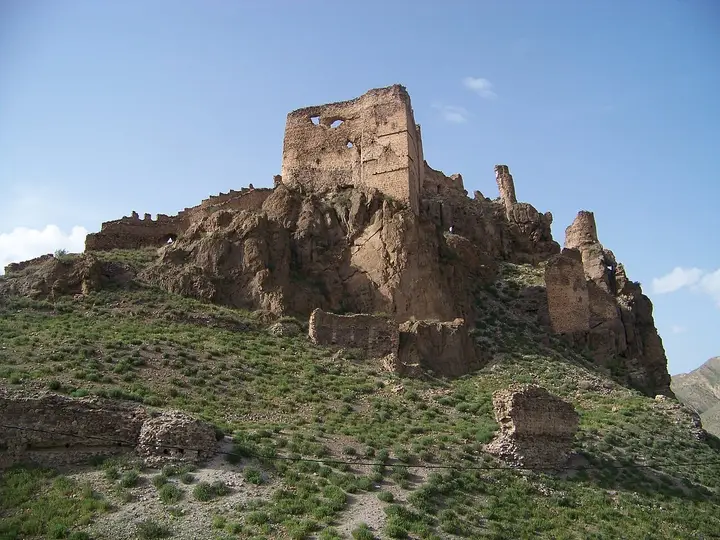 Photo: Jaba1977 (Attribution) · Source
 The castle, on a rock overlooking the Tortum Stream valley, reflects the strategic importance of the region with its walls from the Byzantine period. Views of Tortum Lake and the valley can be enjoyed from the castle ruins.
View on mapWhile you are in Tortum, you can also see the highlights of Erzurum province. These places are in other districts; Tortum is about 100 km from the provincial centre.
Prepared by turning lamb on a horizontal spit over a wood fire, cağ kebabı has a distinctive flavour from the meat of sheep raised on Tortum's plateaus.
A traditional soup made with yoghurt, cracked wheat and mint. It is a nourishing dish that never leaves the tables of Tortum on cold winter days.
A traditional pastry made by wrapping a filling of lor cheese and herbs in yufka. It is one of the distinctive flavours of Tortum cuisine.
Tortum came under the influence of the Georgian Kingdom in the 10th century, and important structures such as Haho Church were left from this period. This architectural heritage is concrete evidence of the region's multicultural past.
Throughout history, Tortum held a strategic position on the trade route extending from Erzurum to Artvin and Georgia. This position has shaped the cultural diversity and historical richness of the district.
The economy of Tortum is based on livestock farming, agriculture and tourism. Tortum Waterfall and Lake provide significant tourism income. Small livestock farming and beekeeping are the main sources of livelihood. In agriculture, wheat, barley and fruit growing are carried out.
Tortum is about 100 km from Erzurum city centre. Access is via the Erzurum–Artvin highway. The nearest airport is Erzurum Airport. The district can be reached by intercity bus and minibus services.
The 5 main attractions in Tortum: Hahuli Monastery, Tortum Waterfall, Tortum Lake, Tortum (Haho) Church and Tortum Castle.
Cağ Kebabı, Ayran Aşı and Lor Dolması are the standout flavours of Tortum's tables.
Tortum is known for Tortum Sour Pestil and Georgian Architectural Heritage. A product registered with TÜRKPATENT as a protected geographical indication.
Tortum is about 100 km from Erzurum city centre. Access is via the Erzurum–Artvin highway. The nearest airport is Erzurum Airport. The district can be reached by intercity bus and minibus services.
Suggested visit length: 1 day. Best time to visit: spring and summer (May–September).