Silahtar Mustafa Paşa Caravanserai
One of the great caravanserais of Anatolia, built in Battalgazi in the 17th century by Silahtar Mustafa Paşa; it is being preserved through restoration.
View on map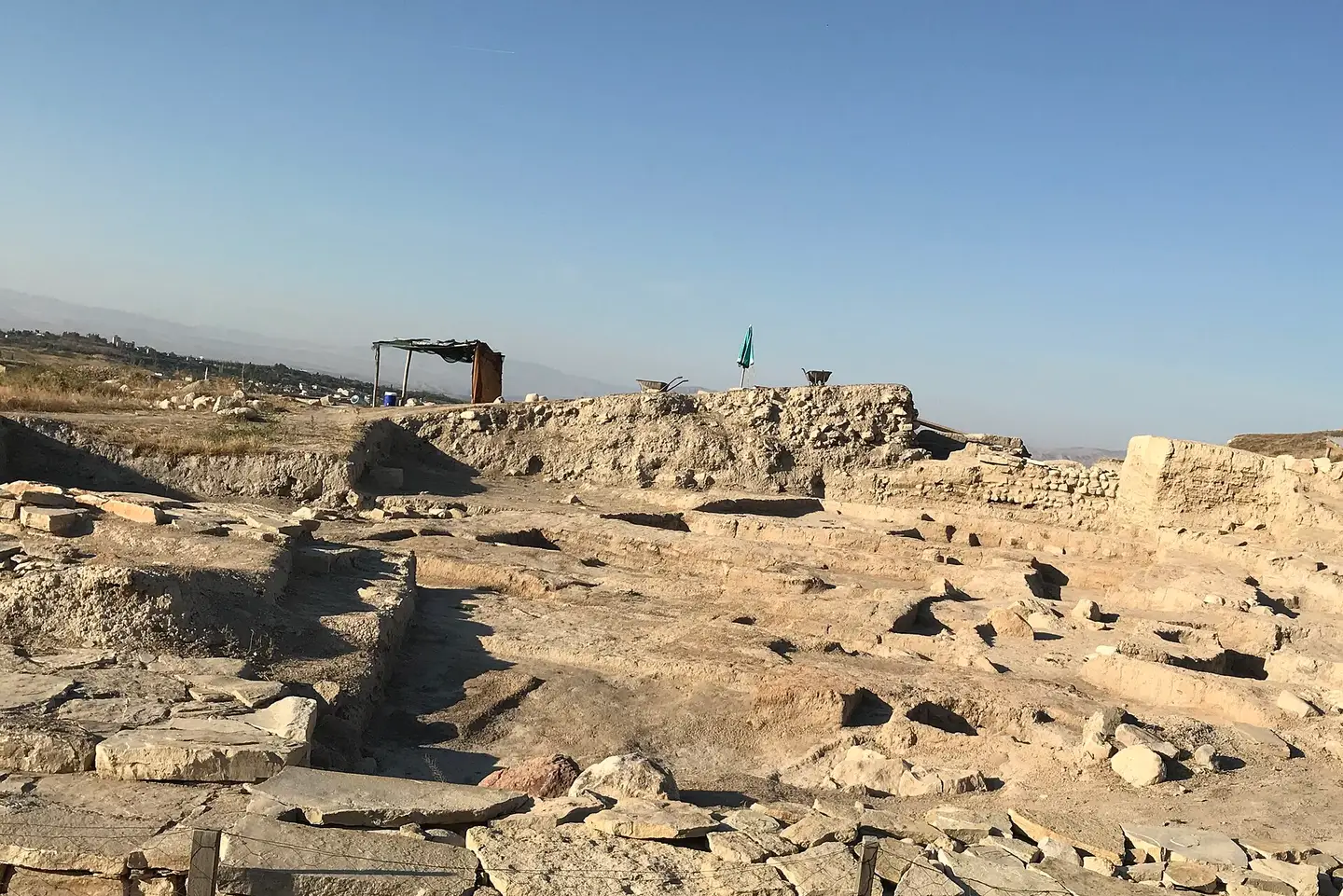 Photo: Zeynel Cebeci (CC BY-SA 4.0) · Source
 Malatya is the "apricot capital" that supplies a large share of the world's dried apricots, and the city of Arslantepe Mound (a UNESCO World Heritage Site since 2021, regarded as the birthplace of the state), the Seljuk Grand Mosque and Old Malatya (Battalgazi), and Somuncu Baba's complex at Darende. Tohma Canyon, Günpınar Waterfall and Levent Valley are its nature stops, and with 53 registered products it has a rich cuisine.
Last updated:
9 places worth seeing in Malatya, from historic monuments to natural wonders, grouped by type. Open any of them on the map with a single click.
One of the great caravanserais of Anatolia, built in Battalgazi in the 17th century by Silahtar Mustafa Paşa; it is being preserved through restoration.
View on map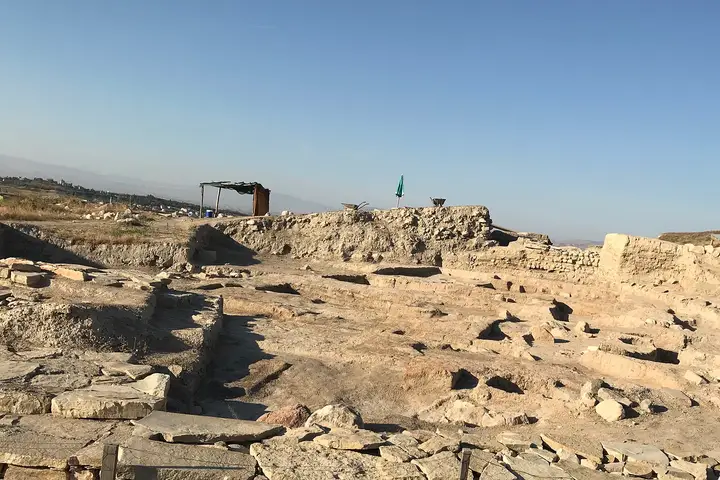 Photo: Zeynel Cebeci (CC BY-SA 4.0) · Source
 A mound 7 km north-east of Malatya, spanning the Chalcolithic period to the Late Hittite era. Its palace complex from the end of the 4th millennium BC bears the earliest traces of state organisation, and the oldest known swords in the world were found here. It was added to the UNESCO World Heritage List in 2021.
View on map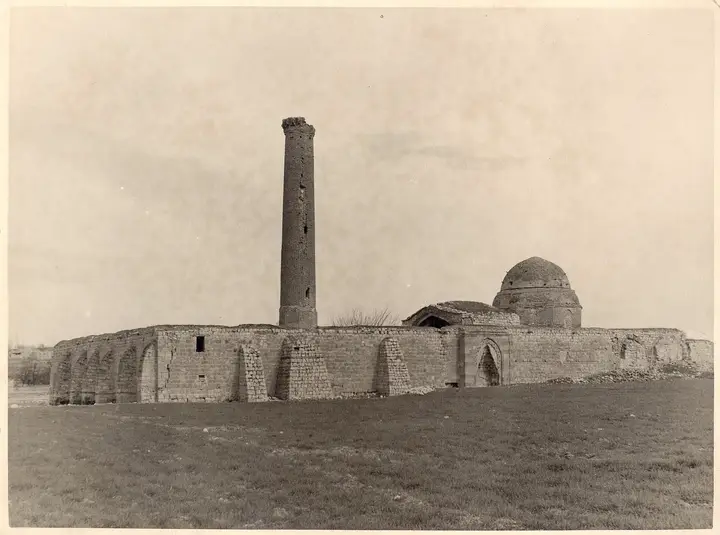 Photo: SALT Araştırma (kısıtlama yok) · Source
 A mosque in Old Malatya built around 1224 by the architect Yakub bin Ebubekir during the reign of Alâeddin Keykubad I. It is famous for its tile-decorated iwan, which represents the Iranian Great Seljuk mosque tradition in Anatolia. It was heavily damaged in the 2023 earthquake.
View on map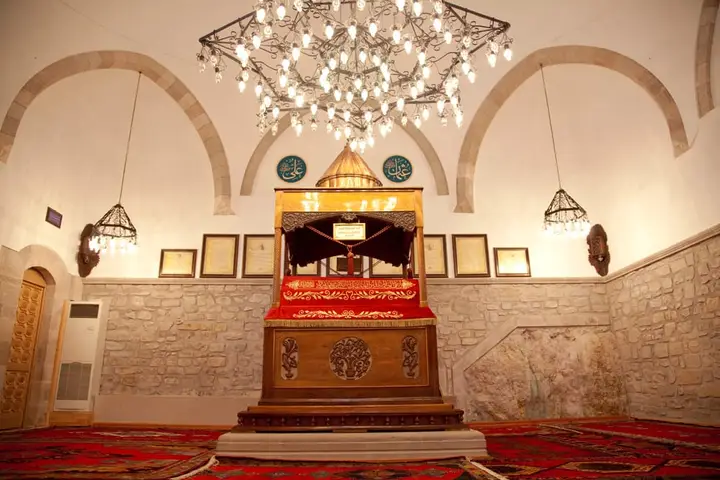 Photo: Zavira2013 (CC BY-SA 4.0) · Source
 The complex around the tomb of the Sufi Somuncu Baba, known for baking and distributing loaves (somun) in Bursa and who died in 1412, in Darende; it stands on the bank of Tohma Canyon.
View on map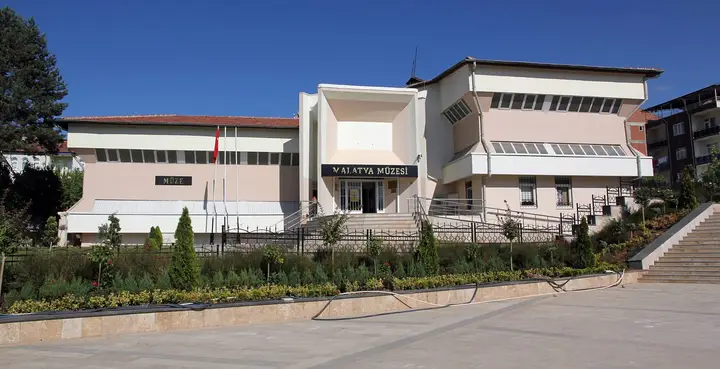 Photo: Wikimedia Commons (CC BY-SA) · Source
 A museum displaying the Chalcolithic, Hittite and Late Hittite finds from excavations in the province, above all Arslantepe, and the Seljuk stonework of the Battalgazi Grand Mosque.
View on map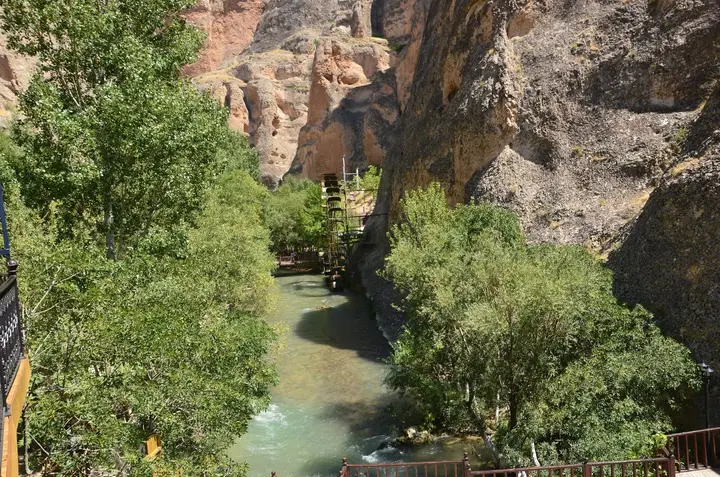 Photo: Wikimedia Commons (CC BY-SA) · Source
 A canyon in Darende carved into the limestone by the Tohma Stream. With walking trails, rafting and the historic buildings inside the canyon, it is the province's best-loved natural area.
View on map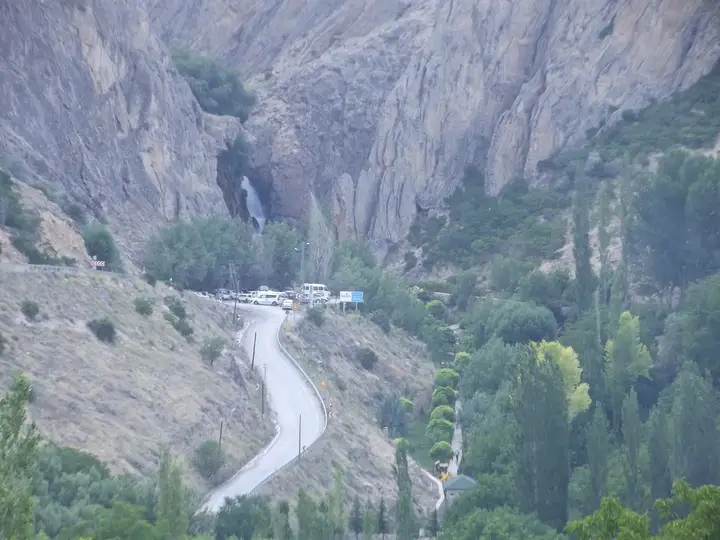 Photo: Hüseyin Öcal (CC BY 3.0) · Source
 A waterfall tumbling from a rock face on a fault line, 8 km west of Darende and 118 km from Malatya; the surroundings are a picnic area.
View on mapA valley on the border of Akçadağ and Yeşilyurt, promoted as "Türkiye's Grand Canyon", with its canyons, rock tombs and glass viewing terrace.
View on map Photo: Zeynel Cebeci (CC BY-SA 4.0) · Source
 A bazaar in the city centre selling sun-dried and sulphured apricots, apricot pestil (fruit leather) and apricot lokum; it is the place that best reflects Malatya's apricot culture.
View on mapMalatya lies in the west of Eastern Anatolia, in the fertile Malatya Plain on the western bank of the Euphrates. The name of the city is thought to derive from the Hittite word melid, meaning “honey”. Arslantepe Mound (ancient Melid), 7 km to the north-east, is one of the most important excavation sites in human history, with layers running from the Chalcolithic period to the Late Hittite era. Its palace complex, dated to the end of the 4th millennium BC, bears the earliest traces of state organisation, and the oldest known swords in the world were found here. Arslantepe was added to the UNESCO World Heritage List on 26 July 2021.
The city, which took the name Melitene in the Roman period, stood on the site of present-day Battalgazi (Old Malatya) until the 19th century. The walls of Old Malatya, the Grand Mosque built around 1224 during the reign of Alâeddin Keykubad I, and the 17th-century Silahtar Mustafa Paşa Caravanserai are traces of this period. In 1838, after the army of Ibrahim Pasha of Egypt used the city as winter quarters, the townspeople moved to the Aspuzu vineyards where present-day Malatya stands, and the new city grew up there.
Malatya is known around the world for its apricots: the province has millions of apricot trees, and in 2017 Malatya apricots were registered in the European Union as a protected designation of origin. The earthquakes of 6 February 2023 caused great destruction in the city centre and in the districts; the Battalgazi Grand Mosque was also heavily damaged, and the rebuilding of the city is continuing.
Malatya has a continental climate: winters are cold, and summers are hot and dry. Averages from the General Directorate of Meteorology, 1929–2025:
| Month | Avg. high | Avg. low | Rainfall | Rainy days |
|---|---|---|---|---|
| January | 3.3 °C | −3.2 °C | 42 mm | 10 |
| February | 5.6 °C | −2.0 °C | 41 mm | 10 |
| March | 11.7 °C | 2.3 °C | 49 mm | 10 |
| April | 18.5 °C | 7.6 °C | 55 mm | 10 |
| May | 24.0 °C | 12.0 °C | 46 mm | 9 |
| June | 29.7 °C | 16.3 °C | 17 mm | 4 |
| July | 34.0 °C | 20.0 °C | 4 mm | 1 |
| August | 34.0 °C | 20.0 °C | 4 mm | <1 |
| September | 29.2 °C | 15.6 °C | 8 mm | 2 |
| October | 21.4 °C | 10.0 °C | 36 mm | 6 |
| November | 12.6 °C | 4.0 °C | 42 mm | 8 |
| December | 5.6 °C | −0.7 °C | 40 mm | 10 |
The best times to visit are April–May and September–October. Apricot trees blossom in late March and early April; the apricot harvest takes place in late June–July, and the apricot festival is held at this time. In July–August daytime temperatures exceed 34 °C.
By air: Malatya Airport (MLX) is about 30 km north of the city; there are regular flights from Istanbul and Ankara.
By rail: Malatya lies at the junction of the Ankara–Diyarbakır and Adana–Elazığ lines; the Güney Kurtalan Express and the Fırat Express pass through the city.
By road: Malatya lies at the junction of the roads to Elazığ (about 100 km), Kayseri (about 350 km) and Adıyaman–Kahta; the northern approach to Mount Nemrut can also be made via Malatya.
Day 1 — Arslantepe and Battalgazi: In the morning, Arslantepe Mound and the visitor centre; then the walls of Old Malatya, the Grand Mosque and Silahtar Mustafa Paşa Caravanserai (check their condition after the earthquake). In the evening, the apricot market and analı kızlı köfte.
Day 2 — Darende: Somuncu Baba Complex, a walk along Tohma Canyon and Günpınar Waterfall.
Day 3 — Levent Valley: The canyons and viewpoints of Levent Valley in Akçadağ; apricot orchards on the way back.
Malatya cuisine is known for its köfte and pastry dishes. Malatya apricots, Malatya apricot kernels and Malatya foam pestil are the signature products of the province. Dishes with a registered geographical indication include Malatya analı kızlı köfte (tiritli köfte), Malatya kağıt kebabı, Malatya içli köftesi, Malatya hırçikli köfte, Malatya ıspanaklı ekşili köftesi, Malatya tevek yaprağı sarması, Yeşilyurt kiraz yaprağı sarması, Malatya simit pilavı, Malatya ayranlı soğuk çorba, Malatya kurabiyesi, Malatya yassı kadayıfı and Polat içli köftesi. Arapgir’s dolaması, kakuk, deli kız baklavası, tandır kebabı, balıklı pilavı and köhnü üzümü, Akçadağ’s armudu (pears), kömbesi and pilavı, Hekimhan cevizi (walnuts), Battalgazi haşhaşlı dut pestili and Malatya dalbastı kirazı (cherries) are also registered.
Akçadağ carpets, Arapgir manusa weaving, Malatya checked bed linen and Arapgir wooden-nailed shoes are handicrafts with a registered geographical indication.
Malatya province has 13 districts. Explore the places to visit, local dishes and transport in each one.
A dish with a registered geographical indication, in which stuffed and plain meatballs are cooked in a sour broth with chickpeas.
A kebab with a registered geographical indication.
Stuffed meatballs (içli köfte) with a registered geographical indication.
Dolma wrapped in cherry leaves, with a registered geographical indication.
A local dish with a registered geographical indication.
The main stops are Arslantepe Mound, Battalgazi Grand Mosque and Old Malatya, Silahtar Mustafa Paşa Caravanserai, Malatya Museum, Somuncu Baba Complex, Tohma Canyon, Günpınar Waterfall and Levent Valley.
Yes. Arslantepe Mound was added to the UNESCO World Heritage List on 26 July 2021.
Apricots, apricot pestil (fruit leather), analı kızlı köfte, kağıt kebabı and cherry-leaf dolma.
It takes place between late June and July; the trees blossom in late March and early April.
April–May and September–October are the best times; July is ideal for apricots.
The information in this guide has been compiled from and checked against the sources below (last checked: 8 October 2026). If you spot an error, please let us know.