Euphrates River Valley
The wide valley where the Şiro Stream flows into the Euphrates River forms the district's main geographical feature.
View on map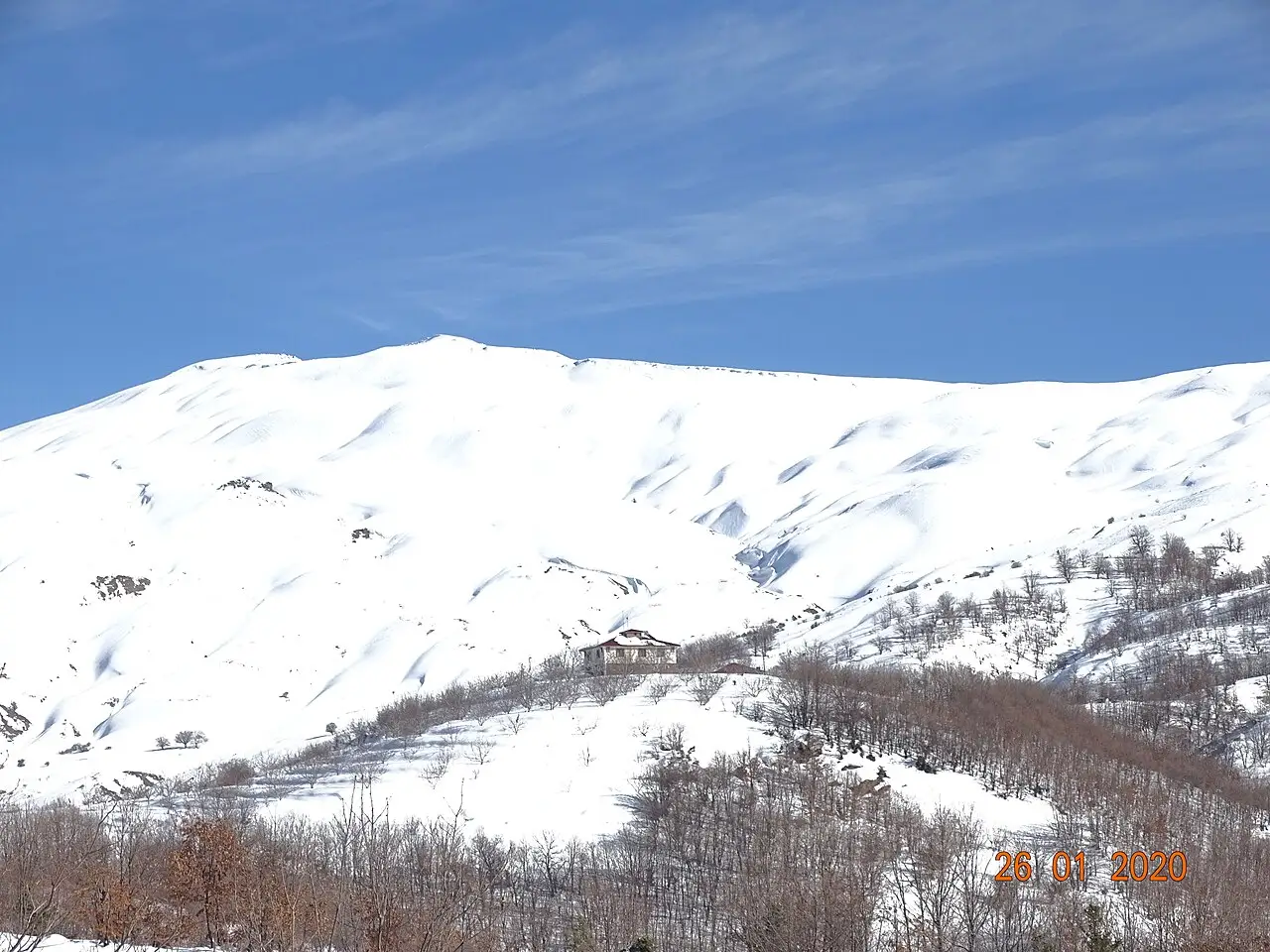 Photo: Burhanerşahin (CC BY-SA 4.0) · Source
 4 places to visit in the Pütürge district of Malatya: Euphrates River Valley, Pütürge Castle and Perieş (Dilbersen) Castle. Plan your trip to Pütürge with local food, practical tips and transport information.
Pütürge is a district of Malatya province and lies 74 km from the provincial centre. The district’s terrain is rugged and steep, with very little flat land. The wide valley of the Şiro Stream, which flows into the Euphrates River, forms the main structure of the district’s land.
The district’s original name was ‘Mürün’, which comes from İmrunyada, meaning ‘beautiful place’. In 1877 it was made a subdistrict and attached to the Kâhta district of Adıyaman. In 1892 Pütürge became a district of Elazığ province, and with the proclamation of the Republic it was attached to Malatya. It is said that a large part of the district’s population came from Kütahya, with the Samanoğulları.
The district has 67 neighbourhoods, and its settlements are concentrated in mountainous and hilly areas. Literacy in the district reached 95% in the 1985–1994 period. In the villages attached to the district, farming and livestock raising are practised, and the local people keep to their traditions and customs.
When the first settlement in Pütürge was made is not known. The district was founded as a village about 300 years ago.
Remains of fortified settlements found in Doğanşehir, Pütürge and Hekimhan, along with forward observation points on the road routes, provide information about settlement in the Roman period. Most of Malatya’s forests are in Pütürge, Doğanşehir, Hekimhan and Arapgir.
Last updated:
The wide valley where the Şiro Stream flows into the Euphrates River forms the district's main geographical feature.
View on mapCastle ruins on the hill in the district centre, dating to the Roman and Byzantine periods. It overlooks the Euphrates valley.
View on mapThe eastern slopes of Mount Nemrut, which lie within the boundaries of Pütürge district.
View on mapWhile you are in Pütürge, you can also see the highlights of Malatya province. These places are in other districts; Pütürge is about 120 km from the provincial centre.
Prepared by baking lamb with vegetables wrapped in greaseproof paper in the oven. The recipe, passed down through generations, varies slightly from family to family.
A traditional Malatya soup made with small meatballs and chickpeas. Prepared from recipes passed down through generations, it is an important part of the local food culture. The recipe, passed down through generations, varies slightly from family to family.
Thanks to its location in the Euphrates River valley, Pütürge has hosted different civilisations throughout history.
Pütürge's economy is based on farming and livestock. Apricots, wheat and walnuts are the main agricultural products.
Pütürge is about 120 km from Malatya provincial centre. Access is by road.
The main sights in Pütürge are: Euphrates River Valley, Pütürge Castle, Perieş (Dilbersen) Castle and the eastern slopes of Mount Nemrut.
Kağıt Kebabı and Analı Kızlı Çorbası are the highlights of Pütürge's tables.
Pütürge is known for Pütürge Derman and the Euphrates Valley Culture. A product registered with TÜRKPATENT as a protected geographical indication.
Pütürge is about 120 km from Malatya provincial centre. Access is by road.
Suggested visit time: half a day. Best time to visit: spring and summer.