 Photo: Wikipedia (CC BY-SA) · Source
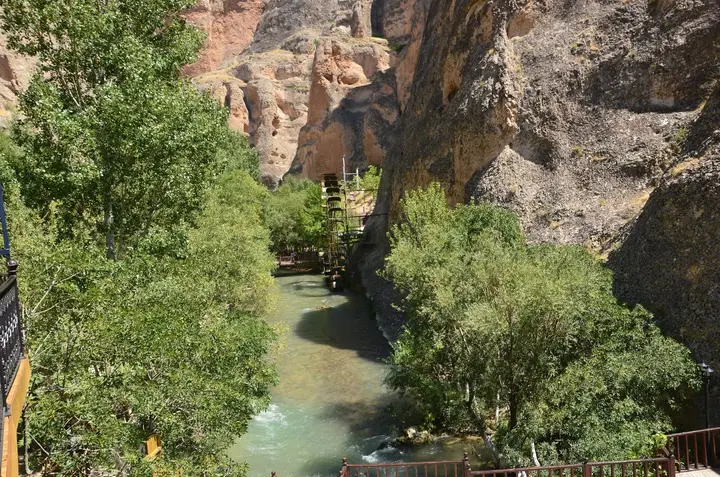
 Tohma Kanyonu (Tohma Canyon)
One of the natural canyons surrounding the district area. It has long been part of the region's trade and transport route.
View on map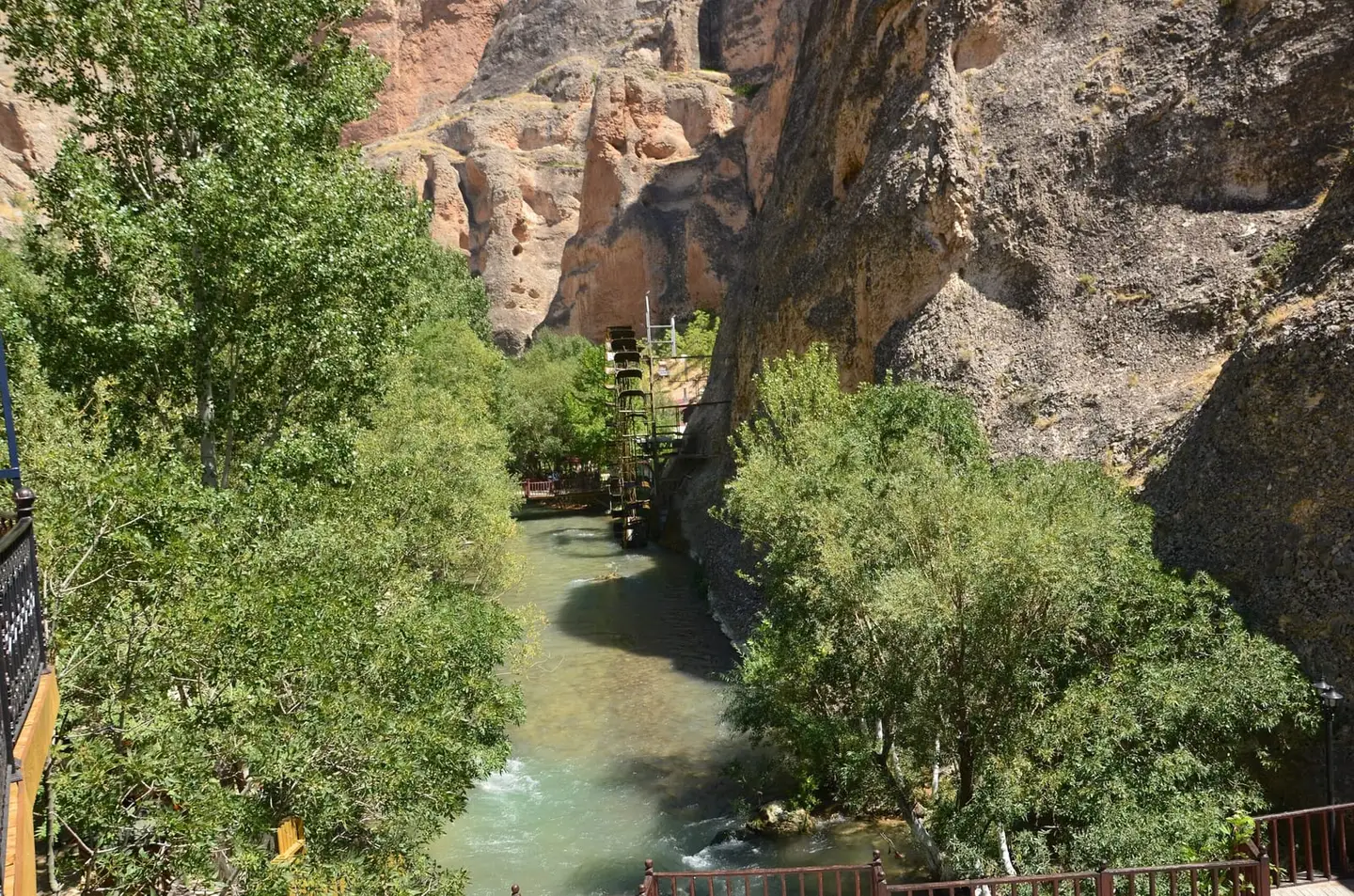 Photo: Wikipedia (CC BY-SA) · Source
 7 places to visit in the Darende district of Malatya: Tohma Kanyonu (Tohma Canyon), Günpınar Şelalesi (Günpınar Waterfall) and Somuncu Baba Külliyesi (Somuncu Baba Complex). Plan your trip to Darende with local food, practical tips and transport information.
Darende is a district of Malatya Province. The district centre lies 74 km north-west of Malatya city. The district covers 1,482 km² and has an average elevation of 1,032 metres above sea level.
In the past, Darende was known by many names, including Taranda, Tiranda, Daranda, Tiryandafil and Derindere. Based on neighbouring archaeological sites such as Arslantepe and Cafer Höyük, the area is thought to have been settled since 7000–5000 BC. The first known administrative unit in Darende was established by the Hittites. Chronologically, administrative control passed under the Hittites, Mitanni, Assyrians, Achaemenids, Romans, Byzantines, Umayyads, Abbasids, Seljuks, Danishmendids, Anatolian Seljuks, Ilkhanids, Eretnids, Dulkadirids, Mamluks and Ottomans. Darende district, which belonged to Sivas Province, was attached to Malatya Province on 1 June 1934.
The district’s land is irrigated by the Tohma Suyu (Tohma River) and its tributary, the Balıklıtohma Stream. The Mığdı Plain spreads over about 5,000 hectares and is highly fertile for farming because of the alluvium carried by rivers.
The district’s economy is largely based on agriculture and livestock. Its largest source of income is apricots, with around 1.5 million apricot trees. Accounting for 1/4 of Malatya’s total apricot production, Darende also exports apricots to countries outside Türkiye.
One of the traditional summer festivals in Darende is the Zengibar Karakucak Wrestling and Culture Festival. Among Darende’s tradespeople and craftsmen, a secret mini-language called Hazeyince/Hazeynce emerged and has continued in use to the present day.
Darende was attached to Malatya Province on 1 June 1934. A secret mini-language known as Hazeyince emerged among Darende’s tradespeople and craftsmen. The Zengibar Karakucak Wrestling and Culture Festival is one of Darende’s traditional summer festivals.
Last updated:
Photo: Wikipedia (CC BY-SA) · Source One of the natural canyons surrounding the district area. It has long been part of the region's trade and transport route.
View on mapLocated on the Tohma River within the district boundaries.
View on map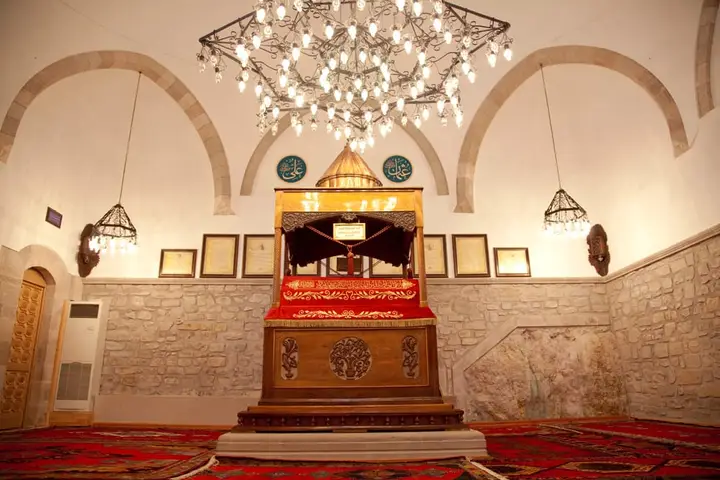 Photo: Zavira2013 (CC BY-SA 4.0) · Source
 Built in honour of the 14th-century mystic Sheikh Hamid-i Veli (Somuncu Baba), the complex consists of a mosque, tomb, madrasa and library. It is an important centre of faith tourism that attracts hundreds of thousands of visitors a year.
View on mapA castle built on steep rocks above the Tohma Canyon, dating from the Roman period. From the castle, views of the canyon and the Darende plain can be enjoyed.
View on mapLocated within the Tohma Canyon. It consists of three pools filled by water bubbling from the rocks.
View on mapA pair of lion statues from the Hittite period, located in the Arslantaş area west of Darende centre.
View on mapA structure dating from the 8th century. It was once used as a church and later as a masjid.
View on mapWhile you are in Darende, you can also see the highlights of Malatya province. These places are in other districts; Darende is about 110 km from the provincial centre.
Grape and mulberry molasses is indispensable to Darende's traditional winter preparations. It is produced by natural methods.
Lamb cooked with vegetables wrapped in greaseproof paper and baked in the oven. The recipe, passed down through generations, varies slightly in each family.
Apricots are the district's biggest source of income. There are around 1.5 million apricot trees in the district.
An apricot dish named on Darende's table in a column in the newspaper Sabah. The recipe is not given in the source.
A dish made with flour that appears on the Darende table.
Thanks to the tomb of Somuncu Baba, Darende is an important centre of faith tourism. Commemorative events held every year attract thousands of visitors.
Darende's economy is based on agriculture, faith tourism and livestock. Apricots, grapes and mulberries are the main farm products. The Somuncu Baba Complex generates tourism income.
Darende is 110 km from Malatya city centre. It lies on the Sivas–Malatya road.
The 7 highlights of Darende: Tohma Canyon, Günpınar Waterfall, Somuncu Baba Complex, Zengibar Castle, Kudret Pool, Arslantaş lion statues and Ozan Masjid.
Darende Pekmezi (molasses), Kağıt Kebabı (lamb baked in paper), Darende kayısısı (Darende apricots) and Çirli aş (apricot dish) are the standout dishes on Darende's tables.
Darende is known for apricots and the Somuncu Baba tradition. Darende's climate is suited to apricot growing. Dried apricots and apricot products are important sources of income for the district.
Darende is 110 km from Malatya city centre. It lies on the Sivas–Malatya road.
Suggested visit length: 1 day. Best time to visit: spring and autumn months.