8 places to visit in the central district of Muş: Muş Plain, Muş Castle and Alaeddin Paşa Mosque. Plan your trip with local food, practical tips and transport information.

Share with friends

Getting to Know Muş

Muş is situated on the south-western edge of the wide Muş Plain, watered by the Murat River, in the upper Murat basin of Eastern Anatolia. The city rises in terraces on the foothills of Çavuş Mountain, and its historic core lies around the castle. In Assyrian sources the region appears within Nairi, a land under Urartian control; in ancient and medieval sources it is known by the name Taron. The Arak (Holy Apostles) Monastery, founded in the … century, was for many centuries one of the most important Armenian religious centres in the region. The province’s place in world history is the Battle of Malazgirt, fought on the Malazgirt Plain on 26 August 1071: the Great Seljuk Sultan Alparslan defeated the army of the Byzantine Emperor Romanos IV Diogenes, and this victory is regarded as the beginning of the Turkish settlement of Anatolia. Commemorative ceremonies and celebrations are held every year in Malazgirt on the anniversary of the battle, and the battlefield is now laid out as a historical national park. Muş separated from Bitlis in 1929 to become a province. The symbol of the city is the red Muş tulip, which covers the plain and the surrounding slopes in spring. It flowers from late April to early May and lasts only about 15 days. The province’s economy relies largely on agriculture and livestock farming.

When to Go

Muş has a harsh continental climate: winters are long, cold and snowy, and summers are hot and dry. Averages for 1964–2025 from the General Directorate of Meteorology:

Month Avg. high Avg. low Rainfall Rainy days
January −2.8 °C −10.3 °C 87 mm 13
February −1.0 °C −9.3 °C 96 mm 12
March 6.2 °C −2.6 °C 109 mm 14
April 15.0 °C 4.4 °C 103 mm 14
May 21.4 °C 8.9 °C 70 mm 14
June 27.7 °C 12.9 °C 26 mm 6
July 33.0 °C 17.2 °C 8 mm 2
August 33.3 °C 17.2 °C 6 mm 2
September 28.4 °C 12.4 °C 15 mm 3
October 20.0 °C 7.0 °C 62 mm 9
November 10.1 °C 0.8 °C 87 mm 10
December 1.3 °C −5.5 °C 87 mm 12

The best periods are May–June and early September. For the Muş tulip, late April to early May is ideal, and for the Malazgirt Victory celebrations, 26 August is ideal. In winter the snow is deep and roads may close from time to time.

How to Get to Muş

By air: Muş Sultan Alparslan Airport (MSR) is about 18 km from the city; there are flights from Istanbul and Ankara.

By train: Muş lies on the Ankara–Tatvan railway line, and the Lake Van Express passes through Muş.

By road: Muş is linked by road to Bitlis (about 85 km), Bingöl (about 105 km) and Erzurum (about 190 km). Malazgirt is about 137 km from the provincial centre.

Area by Area Muş

  • Centre: Muş Castle ruins, Grand Mosque, Alaeddin Bey and Hacı Şeref mosques, Muş Plain and the ruins of Arak Monastery.
  • Malazgirt: The Battle of Malazgirt site and monuments, Malazgirt Castle and its walls.
  • Bulanık: The volcanic lava-dammed Haçlı (Kazan) Lake and the Murat River valley.
  • Varto: The north-west of the province, with its plateaus and thermal springs.
  • Hasköy and Korkut: The agricultural villages and tulip areas of the plain.

Suggested Itineraries

Day 1 — Muş city centre: Grand Mosque, Alaeddin Bey and Hacı Şeref mosques; the Muş tulip fields and plain views in spring. Muş köftesi for dinner.

Day — Malazgirt: The Battle of Malazgirt site, monuments and Malazgirt Castle; on the way back, Haçlı Lake in Bulanık.

Muş Cuisine

Muş cuisine is the cuisine of Eastern Anatolia, based on meat, bulgur and dairy products. Dishes and products with a protected geographical indication include Muş köftesi, Muş eski kaşarı, Muş çorti aşı and Muş çorti turşusu. Local cooking commonly includes lobik (bean stew), kesme aş (hand-cut noodles), kavurma (preserved fried meat), ayran aşı (yoghurt and wheat soup), hedik and tandır bread; herbed cheese and honey are also among the region’s important products.

Practical Tips

  • The tulip season is short (about 15 days); before you go, check the flowering status with local sources and do not pick the tulips.
  • Accommodation is limited in Malazgirt around 26 August; staying in Muş city centre or in Ahlat (Bitlis) is easier.
  • In winter Muş is one of the snowiest places in Türkiye; carry chains and winter tyres.
Last updated:

Places to Visit in Muş Central District

  • 3 Historic
  • 1 Ancient City
  • 3 Religious
  • 1 Nature

Historic Sites 3

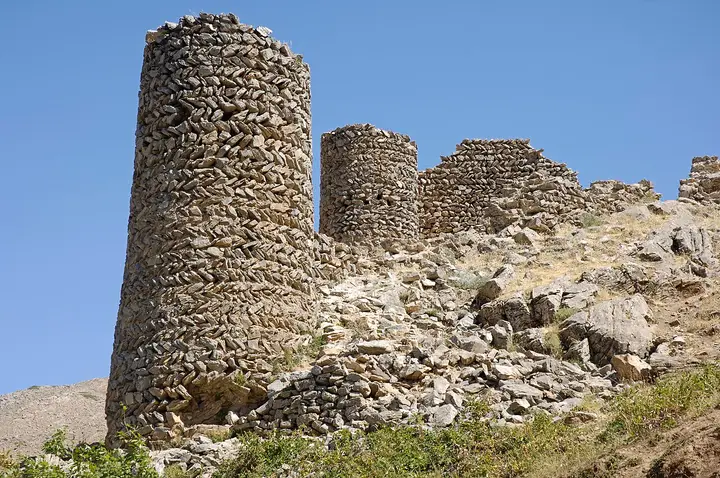
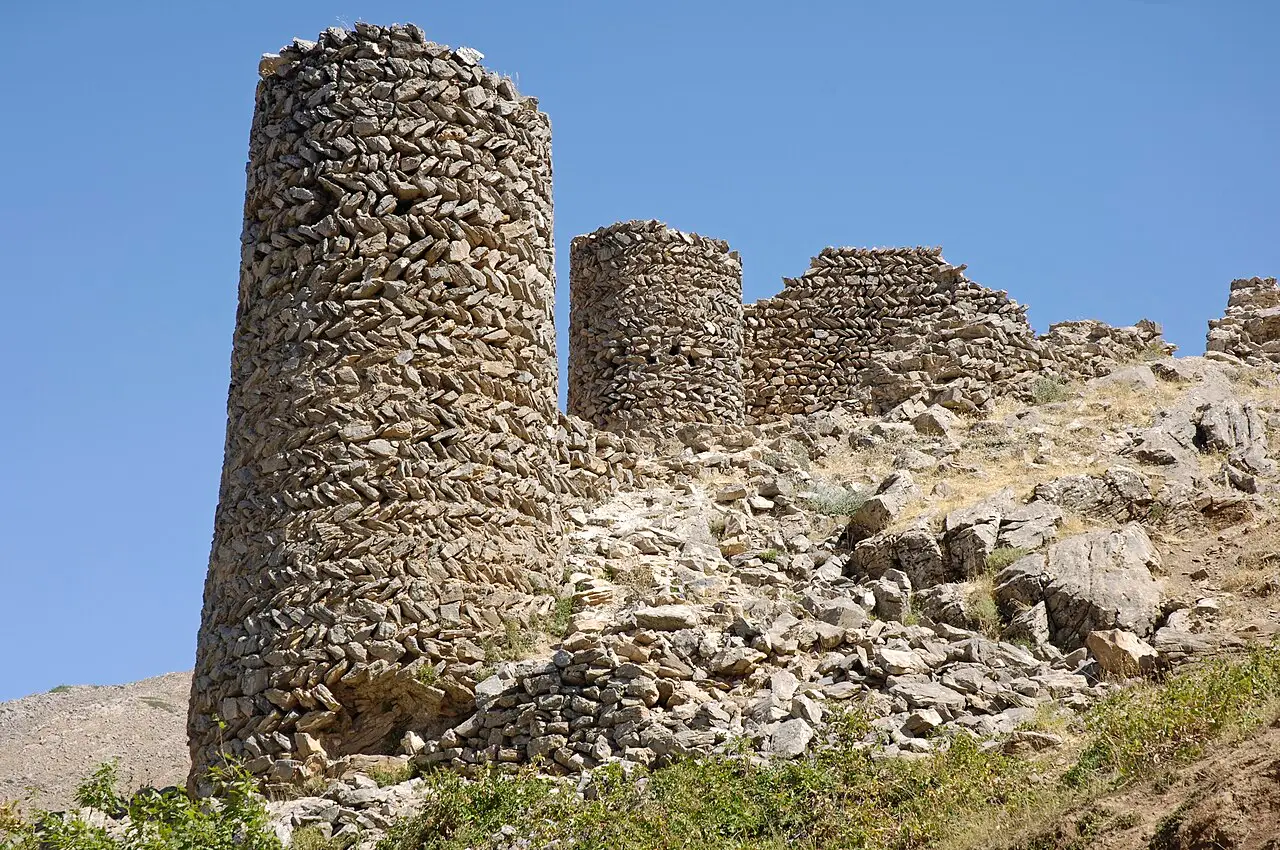
Muş Castle - Merkez Photo: Dosseman (CC BY-SA 4.0) · Source
Historic

Muş Castle

The castle on the rocky hill in the city centre has a history going back to the Urartian period. Repaired in the Seljuk and Ottoman periods, it offers a panoramic view of the Muş Plain.

View on map
Historic

Muş Museum

The museum displays archaeological and ethnographic works from the Urartian, Roman, Seljuk and Ottoman periods, and reveals the region's rich history. Urartian-period pottery and jewellery are important parts of the collection.

View on map
Historic

Migre Hammam

The remains of a hammam built of mudbrick using the Turkish triangle technique.

View on map

Ancient Cities 1

Ancient City

Mercimekkale Mound

A mound covered with earth, containing a Byzantine-period castle.

View on map

Religious Buildings 3

Religious

Alaeddin Paşa Mosque

Built in 1573 in the Ottoman period, this mosque is the oldest place of worship in Muş. With its dressed-stone craftsmanship and single-domed structure, it is one of the examples of classical Ottoman mosque architecture in Eastern Anatolia.

View on map
Religious

Müştak Baba Tomb

The tomb of the mystic poet Şeyh Müştak, close to the Alaeddin Bey Mosque.

View on map
Religious

Meryemana Church

An Armenian church in Muş city centre, registered as a cultural heritage site.

View on map

Natural Wonders 1

Nature

Muş Plain

Muş is situated on the south-western edge of the wide Muş Plain, watered by the Murat River, in the upper Murat basin of Eastern Anatolia.

View on map

What to Eat in Muş Central District

Food guide →
  • Muş Köftesi (Kitel)

    Muş köftesi, prepared by kneading fine bulgur and minced meat and filling the dough with a meat stuffing, is served boiled or fried. It is the best-known flavour of the region.

  • Muş Tandır Ekmeği

    Thick, soft bread baked in traditional tandır ovens, indispensable on Muş tables. It is eaten at breakfast with fresh butter and honey.

  • Ayran Aşı (Soup)

    A traditional soup made with yoghurt, bulgur and mint, one of the hot dishes most often chosen on cold winter days in Muş.

Culture, Local Products and Economy of Muş Central District

  • Muş Lale Festival

    Held every year in April and May, the festival celebrates the flowering of the ters laleler on the Muş Plain. Music, dance and stalls selling local products are the main events of the festival.

  • Multicultural History

    Muş has been home to many civilisations, including the Urartians, Persians, Romans, Seljuks and Ottomans. This rich history can still be felt in the architectural and cultural fabric of the city.

Local Products

  • Muş Lalesi — The ters lale (Fritillaria imperialis) that grows naturally on the Muş Plain turns the plain red and yellow in April and May. The tulip, the symbol of Muş, is under protection.
  • Muş Tereyağı — Butter produced from the milk of animals grazing on the Muş Plain, known throughout Türkiye for its intense aroma and yellow colour.

Economy

The economy of Muş relies heavily on agriculture and livestock farming. Wheat, barley and sugar beet are grown on the Muş Plain. Cattle farming and dairy production are important sources of income. Muş Alparslan University contributes to the district's economy.

How to Get to Muş Central District

Muş Sultan Alparslan Airport is 8 km from the city centre. It is 850 km from Ankara and 180 km from Van. Intercity bus services run regularly.

Get directions on Google Maps Getting to Muş

Muş Central District: Frequently Asked Questions

What are the best things to see in Muş city centre?

The eight highlights of Muş city centre are Muş Plain, Muş Castle, Alaeddin Paşa Mosque, Muş Museum, Müştak Baba Tomb, Mercimekkale Mound, Meryemana Church and Migre Hammam.

What should I eat in Muş city centre?

Muş Köftesi (Kitel), Muş Tandır Ekmeği and Ayran Aşı (Soup) are the standout flavours on Muş city centre's tables.

What is Muş city centre famous for?

Muş city centre is known for Muş Lalesi and the Muş Lale Festival. The ters lale (Fritillaria imperialis) that grows naturally on the Muş Plain turns the plain red and yellow in April and May. The tulip, the symbol of Muş, is under protection.

How do I get to Muş city centre?

Muş Sultan Alparslan Airport is 8 km from the city centre. It is 850 km from Ankara and 180 km from Van. Intercity bus services run regularly.

Continue Your Trip

Other Districts of Muş

Search 81 province guides and 968 district guides.