Elazığ lies in the Upper Euphrates section of Eastern Anatolia, on a wide plain embraced by the Keban and Karakaya dam lakes. The historic core of the city is Harput, on a plateau 1,450 metres high, 8 km north of today’s centre. The new city founded when people moved down to the plain in the 19th century was first called Mamuratü’l-Aziz, then Elaziz, and in the Republican era took the name Elazığ.
History
Harput Castle, built by the Urartians in the 8th century BC, was the centre of the region in the Persian, Roman, Byzantine and Ottoman periods. Because of water shortages, the castle is said to have had milk added to its mortar, which is why it is also known as the Milk Castle. Harput was added to UNESCO’s World Heritage Tentative List in 2018.
Geography and Climate
Elazığ has a continental climate, with hot, dry summers and cold, snowy winters. The best times to visit are May–June and September–October.
Transport
Elazığ Airport, opened to civil flights in 1960, is one of Türkiye’s first civil airports. The Van Lake and Güney Kurtalan express trains, which leave from Ankara, pass through Elazığ; the Elazığ–Tatvan regional train also departs from here.
Harput Music and Culture
Harput is the source of Harput music, with its distinctive makams and long airs, of gakkoş culture and of a rich cuisine.
Lakes
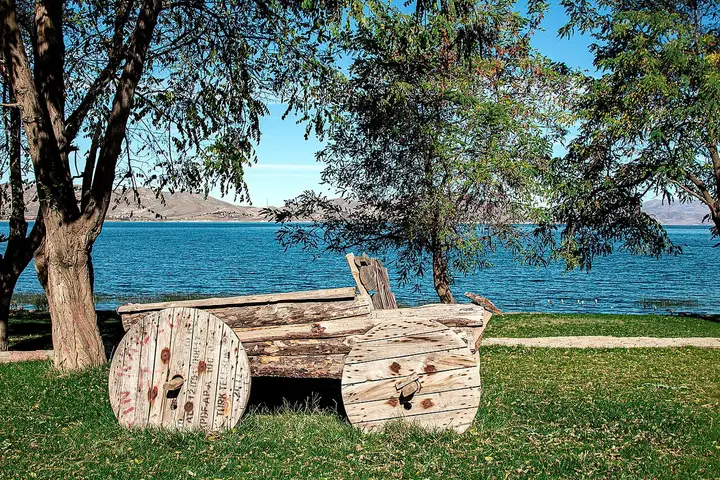
Lake Hazar, to the south-east of the city, is a deep tectonic lake formed on the East Anatolian Fault.
History and Culture
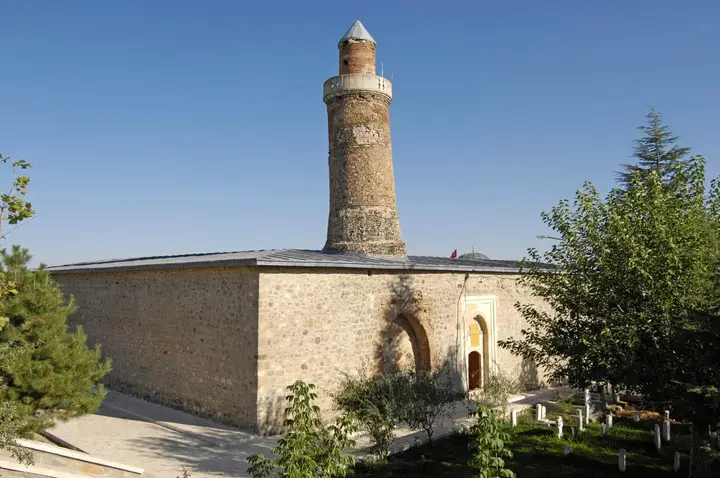
The outer minbar of the Harput Grand Mosque is an important example of wood carving. According to the tax inscription of the Harput Grand Mosque, it was commissioned by the Artuqid ruler Karaaslan in 1156–1157. The discovery of the Mansur Baba Tomb is said to be based on a dream.
Highlights
In 1834 Reşid Mehmed Paşa made the Agavat Mezrası the centre and moved the provincial capital from Harput to Elazığ. The name Mamuretülaziz means ‘the city built by Aziz’, because it was developed by Sultan Abdülaziz.
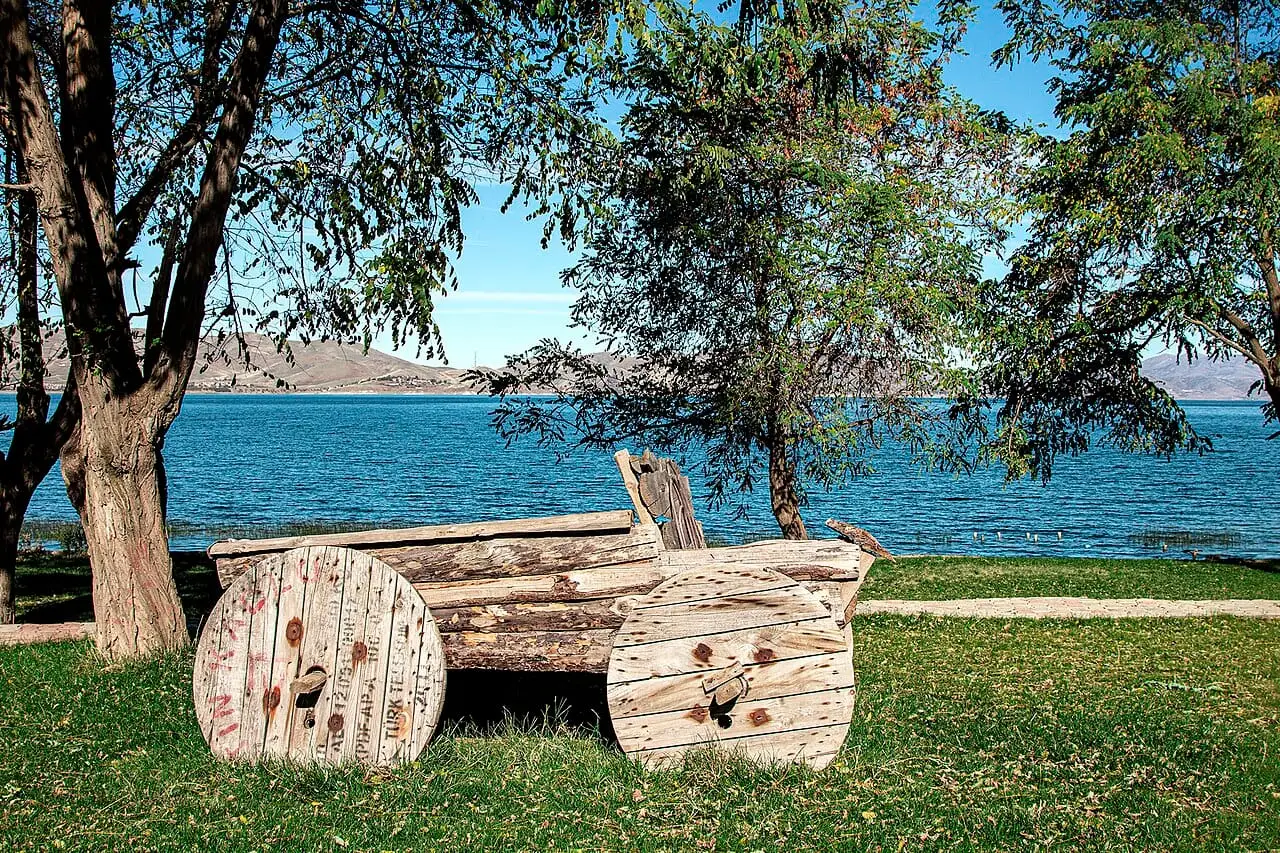
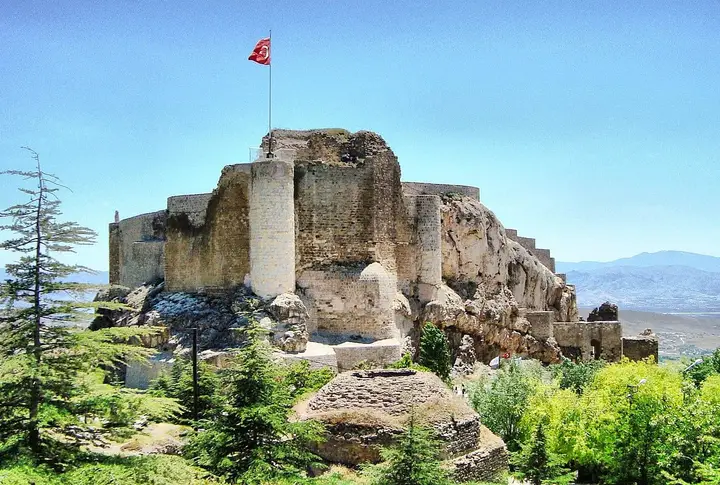 Photo: HALUK COMERTEL (CC BY 3.0) · Source