Kovancılar Vineyards
Kovancılar is one of Elazığ's most important grape-producing centres. The vineyards, where Öküzgözü and Boğazkere grape varieties are grown, come alive in autumn with the grape harvest (bağ bozumu) festivities.
View on map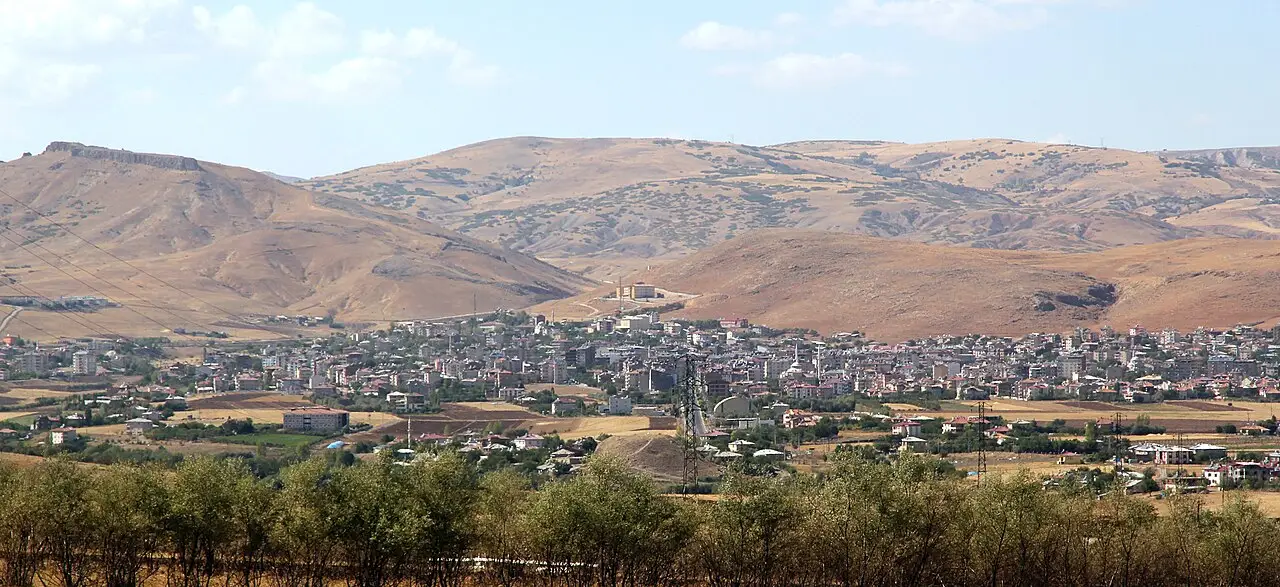 Photo: Klaus-Peter Simon (CC BY-SA 3.0) · Source
 6 places to visit in the Kovancılar district of Elazığ: Kovancılar Vineyards, Kovancılar Plains and Kovancılar Merkez Mosque. Plan your trip to Kovancılar with local food, practical tips and transport information.
Kovancılar is a district of Elazığ province. Located on the Bingöl-Elazığ highway, the district is set on a flat, wide plain. There are 76 villages in the district. The district covers an area of 960 km².
As part of the population exchange between Romania and Türkiye in 1934, 300 Turkish families were relocated from Romania to Elazığ province. In 1935, the state built 300 houses in the local style and settled the migrant group here. The migrants named the village after their former villages in Romania. A municipal administration was established in 1968, and on 19 June 1987 Kovancılar gained district status.
Kovancılar lies at the 67th kilometre of the Elazığ-Bingöl highway, on the banks of the Euphrates at the foot of Şahmiran Mountain. Its average elevation is 962 metres above sea level. To the north lies Tunceli, to the east the district of Karakoçan, to the south the district of Palu, and to the west the Keban Dam Lake. As the area is within the Taurus Mountain range, it falls within a first-degree earthquake zone.
The district has a mild version of a continental climate. A significant moderation of the climate has been observed since the dam was built. Average annual rainfall is around 500-600 millimetres.
85 per cent of the district’s population is engaged in farming and livestock rearing. Industrial crops and commercial products such as tomatoes, peppers and onions are important. The region is dominated by Mor Karaman sheep, with small numbers of İvesi and Ak Karaman sheep also raised.
A group of 300 households of Turkish origin from Romania was resettled in Elazığ province in 1934 under the population exchange agreement between Romania and Türkiye. The district’s first settlement plan was prepared in 1935 and became a model settlement in Elazığ province. According to the district governorship’s history, Kovancılar gained district status by Law no. 3392 dated 19 June 1987. According to the governorship, the district was previously a small village at Kapıaçmaz, 8 km north of Palu district. The most important cultural assets of the district include Çakırkaş (Hoşmat) Church, Ekinözü Fountain and İbrahim Bey Palace.
Last updated:
Kovancılar is one of Elazığ's most important grape-producing centres. The vineyards, where Öküzgözü and Boğazkere grape varieties are grown, come alive in autumn with the grape harvest (bağ bozumu) festivities.
View on mapThe fertile plains surrounding the district offer suitable land for farming. In spring the plains turn green, reflecting the agricultural richness of the region.
View on mapThe mosque in the district centre was built in a modern architectural style. With a capacity to accommodate a large congregation, the building is the centre of the district's religious life.
View on mapVarious remains from the Urartian and Roman periods are found around the district. The area is archaeologically rich and reflects the historical depth of Eastern Anatolia.
View on mapLocated in Ekinözü village in Kovancılar. The fountains built in the Ottoman period are owned by the Halil Bey Foundation; there are two fountains in the village, named Soğukpınar and Ağpınar.
View on mapLocated in the town of Hoşmat (Çakırkaş), at a site called Çalgısar Mountain. It is believed to have been built in the medieval period; most of the church has been lost.
View on mapWhile you are in Kovancılar, you can also see the highlights of Elazığ province. These places are in other districts; Kovancılar is about 50 km from the provincial centre.
Made with fine bulgur and minced meat, Harput köftesi is cooked in water with a tomato sauce. A traditional flavour of the Elazığ region, it is never missing from the tables in Kovancılar.
Making use of Kovancılar's abundant grape production, pekmez is boiled down using traditional methods. Consumed as an energy source in the winter months, it is an essential part of breakfast tables.
Prepared by slow-cooking lamb for hours in a clay tandır oven. Made on special occasions in the villages of Kovancılar, tandır kebabı is the most beloved flavour of the region.
The grape harvest held in the autumn months is Kovancılar's most important community event. The grape picking, pekmez boiling and şıra (grape must) making are carried out using traditional methods.
Viticulture and winemaking, practised in Kovancılar for centuries, are an important part of the region's cultural heritage. Öküzgözü wine has gained international recognition.
The economy of Kovancılar is based on viticulture, farming and livestock rearing. The production of Öküzgözü and Boğazkere grapes is the main economic activity. Wine and pekmez production is an important source of income. Grain farming and livestock also contribute to the economy.
Kovancılar is 50 km from Elazığ city centre. The district, located on the Elazığ-Bingöl highway, can be easily reached from both cities. There are regular minibus services from Elazığ.
The 6 highlights of Kovancılar are: Kovancılar Vineyards, Kovancılar Plains, Kovancılar Merkez Mosque, Historic Ruins Around Kovancılar, Ekinözü Fountain and Çakırkaş (Hoşmat) Church.
Harput Köftesi, Üzüm Pekmezi and Tandır Kebabı are the standout flavours on Kovancılar's tables.
Kovancılar is known for its Öküzgözü grapes and the Grape Harvest Tradition. It is one of Elazığ's most important centres for Öküzgözü grape production. The wine and pekmez made from these grapes are the region's most valued products.
Kovancılar is 50 km from Elazığ city centre. The district, located on the Elazığ-Bingöl highway, can be easily reached from both cities. There are regular minibus services from Elazığ.
Suggested visit length: 1 day. Best time to visit: autumn (grape harvest season).