Andriake Ancient Harbour
An ancient harbour visited by St Paul, one of Demre's important historical sites.
View on map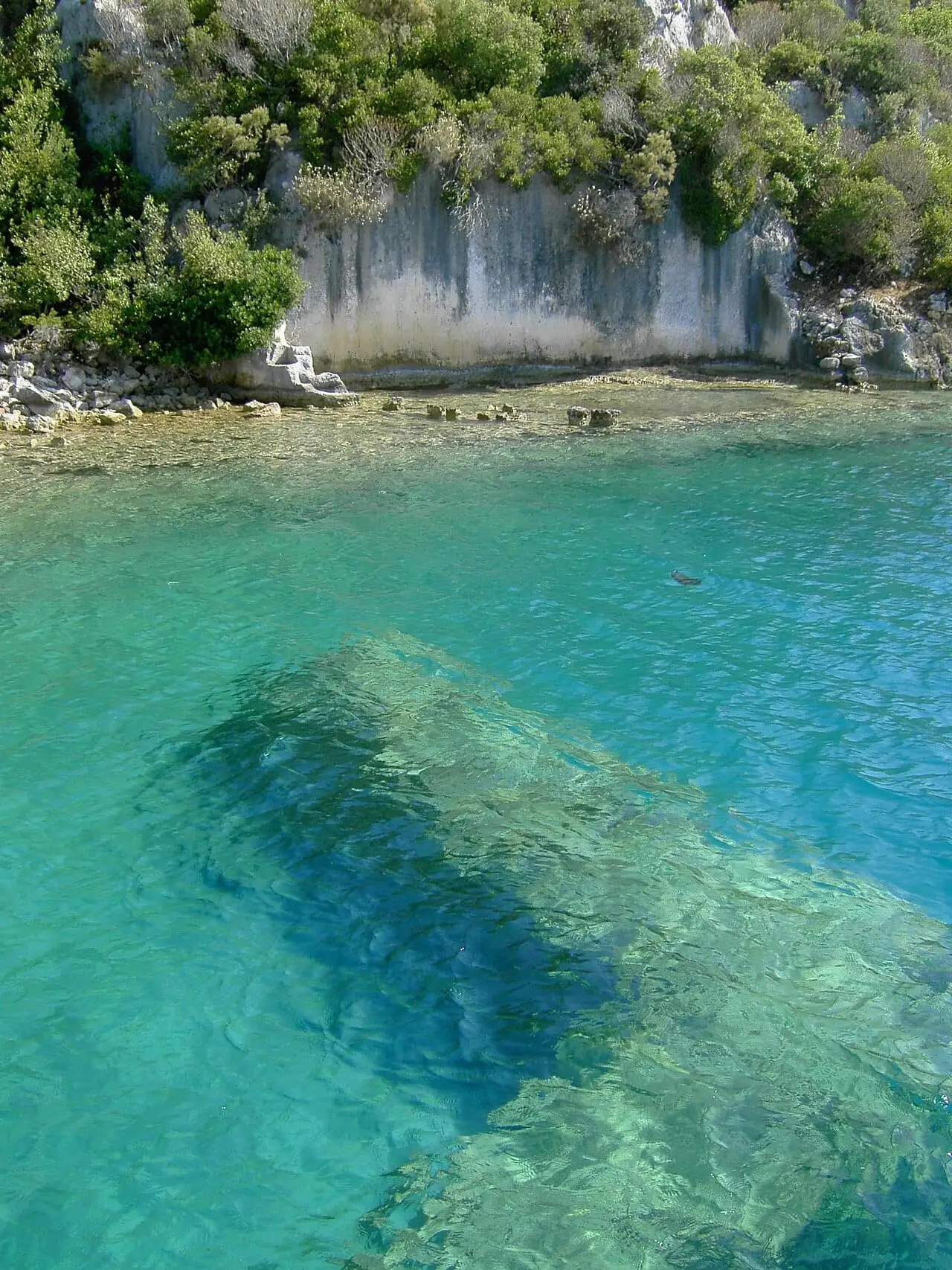 Photo: Htkava (CC BY-SA 3.0) · Source
 6 places to visit in the Demre district of Antalya: Andriake Ancient Harbour, Kekova Sunken City and Myra Ancient City. Plan your trip to Demre with local food, practical tips and transport information.
Demre, formerly known as Kale, is one of the tourist districts of Antalya Province. Myra has always been known as one of the most important cities of Lycia.
The earliest coins date to the 3rd century BC, but the city is thought to have been founded at least in the 5th century BC. St Paul visited the city in the 6th century AD before setting off from Andriake Harbour for Rome. St Nicholas (Father Christmas) served as bishop in the early 4th century and endeared himself to the people. The largest theatre in Lycia has 29 rows of seats and a capacity of 9–10 thousand spectators, and is still used today for festivals and performances. In 1987 Demre was separated from Kaş and became a district under the name Kale; in 2005 it took the name Demre.
The district’s historical attractions, including the Church of Father Christmas, the Myra Ancient City and Theatre, Andriake Ancient City, the rock tombs and Simena Ancient City, draw visitors. The Kekova islands and the sunken city, with their clean sea and climate, have made the district a fortunate destination for tourism.
According to Strabo, Myra was one of the six great cities of the Lycian League. St Nicholas served as bishop in Myra in the 4th century AD. From the 7th century, Myra lost its importance and in the 12th century it became a small settlement. Andriake was heavily used from the Classical period and remained the main harbour of the region in the Hellenistic, Roman and Byzantine periods. According to tradition, St Paul stopped at Andriake to change ships on his way to Rome in AD 60.
From the 7th century, Myra lost its importance due to earthquakes, flooding, the alluvium brought by the Demre River and Arab raids, and in the 12th century it became a small settlement. Myra is a large buried city, 1.5 km in diameter, lying beneath the alluvium of the Myros River (today’s Demre River), which covered the whole city.
Last updated:
An ancient harbour visited by St Paul, one of Demre's important historical sites.
View on map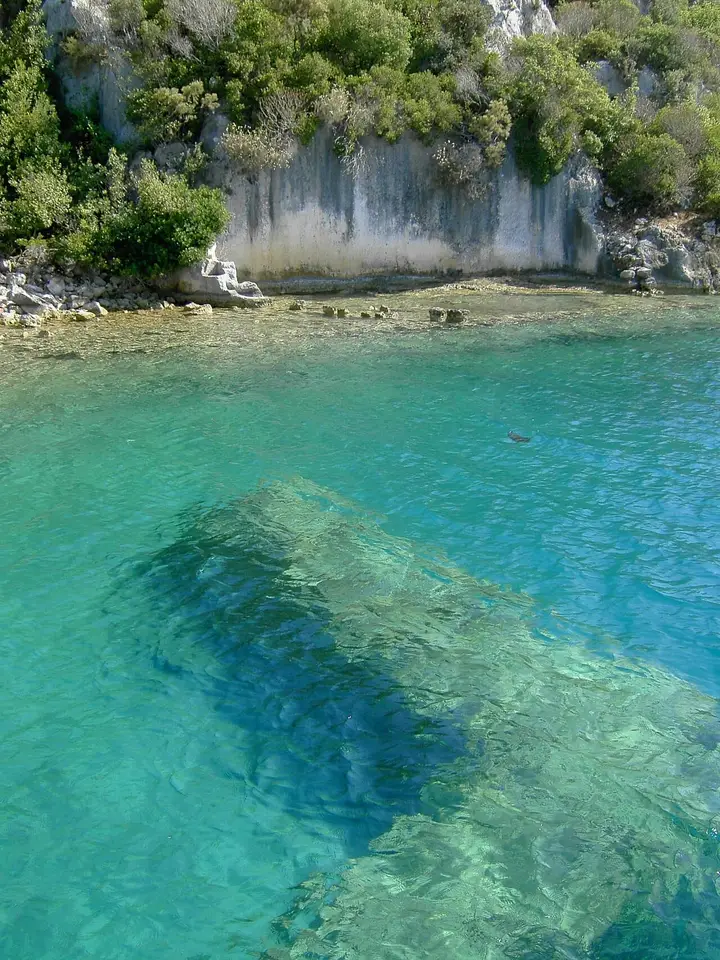 Photo: Htkava (CC BY-SA 3.0) · Source
 The Kekova islands and their crystal-clear sea have made the district a fortunate destination for tourism.
View on map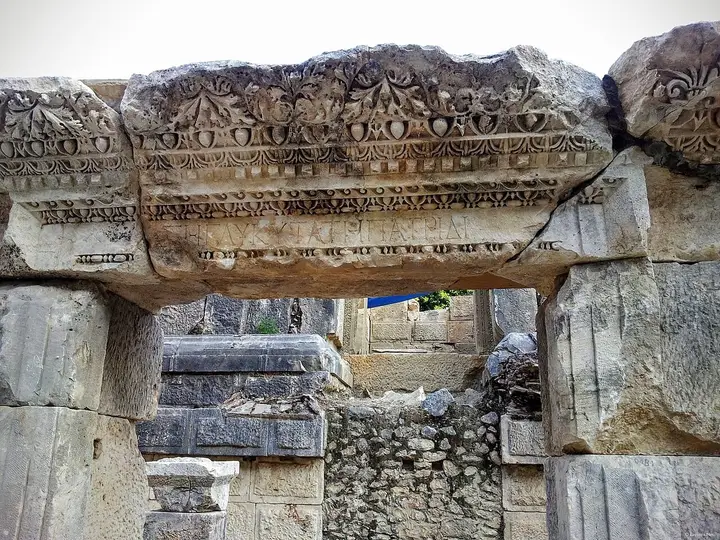 Photo: Esginmurat (CC BY-SA 4.0) · Source
 Myra, one of the six great cities of the Lycian League, is famous for its magnificent rock-cut tombs and its 11,000-seat Roman theatre. The facades of the rock tombs, dating to the 5th century BC, are decorated with reliefs reflecting Lycian house architecture.
View on map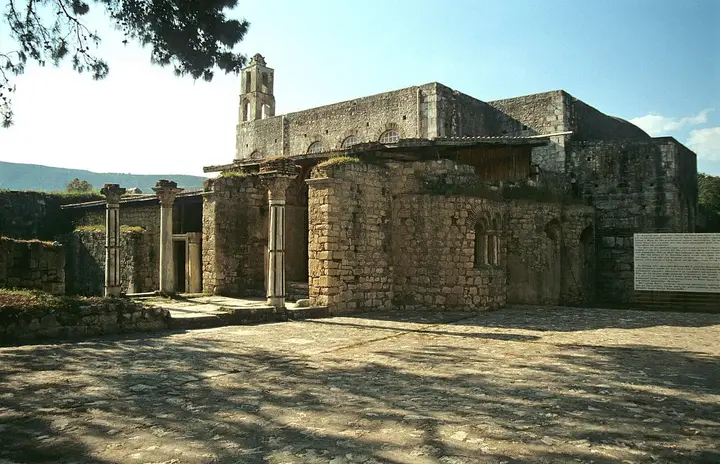 Photo: Klaus-Peter Simon (CC BY-SA 3.0) · Source
 Saint Nicholas, Bishop of Myra in the 4th century AD, is the origin of the Father Christmas tradition. The church, built in the 6th century, is an important Christian pilgrimage centre with its floor mosaics and frescoes.
View on mapA Byzantine-period church in Myra, the city where Saint Nicholas (Father Christmas) served as bishop.
View on mapWhile you are in Demre, you can also see the highlights of Antalya province. These places are in other districts; Demre is about 150 km from the provincial centre.
A variety of dishes made with Demre's world-famous greenhouse tomatoes form the basis of the district's cuisine. Tomato soup, menemen (scrambled eggs with tomato and pepper) and salad are the most common ways of eating them.
Fresh fish from the Mediterranean cooked in a casserole with vegetables. It is one of the important flavours of Demre's coastal cuisine.
Antalya piyaz, made with dried beans, onion, parsley and tahini, is an essential meze at traditional tables in Demre too.
Demre is the place where Saint Nicholas, known as Father Christmas, lived and served as bishop. Father Christmas commemoration ceremonies held every December attract visitors from around the world.
Demre is home to Myra, one of the most important cities of the Lycian League. The Lycian rock tombs and theatre are a unique cultural heritage dating back to the 5th century BC.
The economy of Demre is based on greenhouse farming and tourism. Greenhouse tomato production is the district's most important source of income. Myra ancient city, the Father Christmas Church and the Kekova tours contribute greatly to cultural tourism.
Demre is 150 km from Antalya city centre. It lies on the Antalya–Kaş road. There are regular bus services from Antalya.
The highlights of Demre are 6 places: Andriake Ancient Harbour, Kekova Sunken City, Myra Ancient City, Saint Nicholas (Father Christmas) Church, Church of St Nicholas (Father Christmas) and Kekova boat tours.
Dishes Made with Demre Tomatoes, Balık Güveç and Piyaz are the standout dishes on Demre's tables.
Demre is known for Demre Tomatoes and the Father Christmas Tradition. Demre is one of Türkiye's largest greenhouse tomato production centres. Tomatoes grown in greenhouses, where production continues even in winter, are exported to Turkish and European markets.
Demre is 150 km from Antalya city centre. It lies on the Antalya–Kaş road. There are regular bus services from Antalya.
Suggested visit: 1–2 days. Best time to visit: spring and autumn.