Kırkgöz Caravanserai
Built by Sultan Gıyaseddin Keyhüsrev II between 1236 and 1246, the caravanserai stands on the Antalya–Burdur highway.
View on map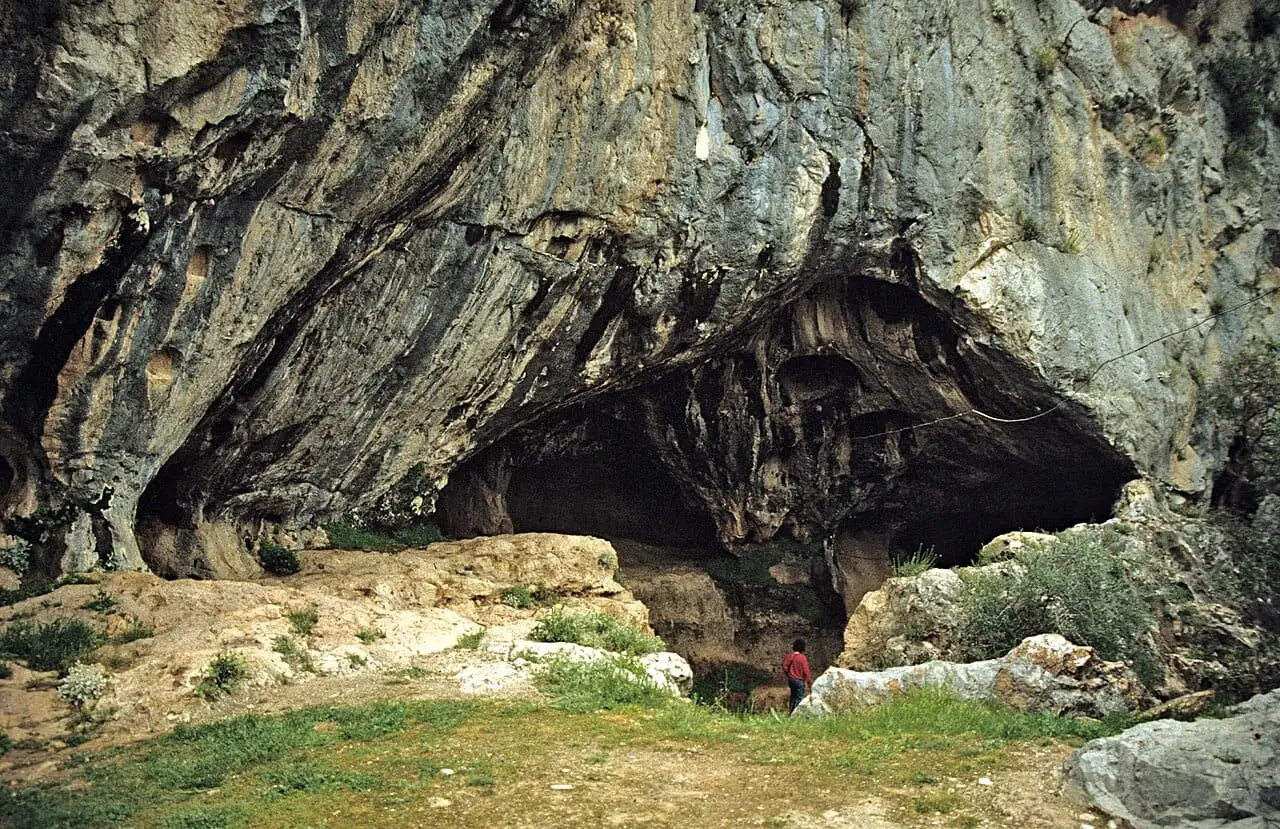 Photo: Klaus-Peter Simon (CC BY 3.0) · Source
 7 places to visit in the Döşemealtı district of Antalya: Kırkgöz Caravanserai, Karain Cave and Termessos Ancient City. Plan your trip to Döşemealtı with local food, practical tips and transport information.
Döşemealtı is one of the central districts of Antalya, established in 2008. The district covers 687 km² and has an average elevation of 303 metres above sea level. It is famous for its hand-woven rugs.
On the Derbent Pass, one of the routes linking the Pamphylian cities with the Pisidian cities in antiquity, there is a paved stone road. Made of paving stones, the road gave its name to the Döşemealtı plateau and is 4 metres wide. Kırkgöz Caravanserai was built by Sultan Gıyaseddin Keyhüsrev Bin Keykubat between 1236 and 1246.
For many years the district had an economy based on agriculture: cotton, olives, wheat, barley, maize, oats, sesame, onions and citrus fruits, as well as livestock farming, were its livelihoods. Döşemealtı rug weaving has been another source of income for the district.
Döşemealtı was founded as a district in Antalya province when the centre and the villages listed under (4) were joined together. In 1934, 60 Turkish families arriving from Cyprus were settled, and a village called Kırkgöz Yeniköy was founded. As the Yörük nomads of the area settled down, the village grew. Kırkgöz-Yeniköy set up a municipal administration on 17 December 1977. Döşemealtı rug weaving has been one of the district’s livelihoods alongside farming.
Last updated:
Built by Sultan Gıyaseddin Keyhüsrev II between 1236 and 1246, the caravanserai stands on the Antalya–Burdur highway.
View on map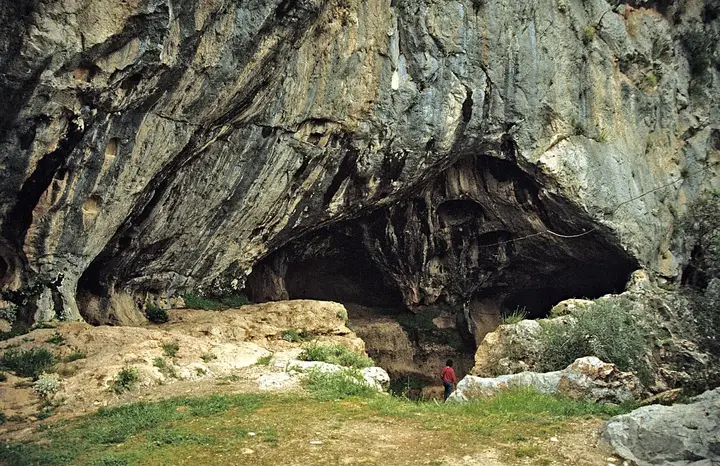 Photo: Klaus-Peter Simon (CC BY 3.0) · Source
 Continuously inhabited since the Palaeolithic (around 500,000 years ago), Karain Cave is the oldest human settlement site in Türkiye. Stone tools and bone remains found in the cave, which is on UNESCO's Tentative List of World Heritage Sites, are displayed in the Antalya Museum.
View on mapTermessos sits at 1,050 metres on Mount Güllük, and is an ancient city that even Alexander the Great could not conquer. The theatre, agora, cisterns and necropolis on the mountainside offer an ancient city experience set within nature.
View on map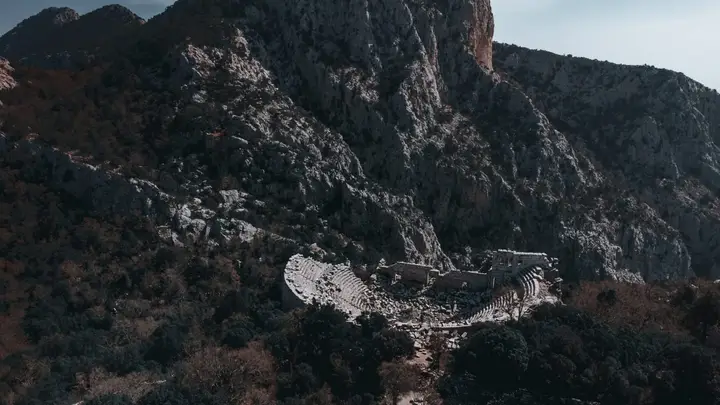 Photo: Wikipedia (CC BY-SA) · Source
 Covering 6,702 hectares, the national park is known for its rich vegetation and wildlife. More than 680 plant species and a variety of wild animals live in the park.
View on map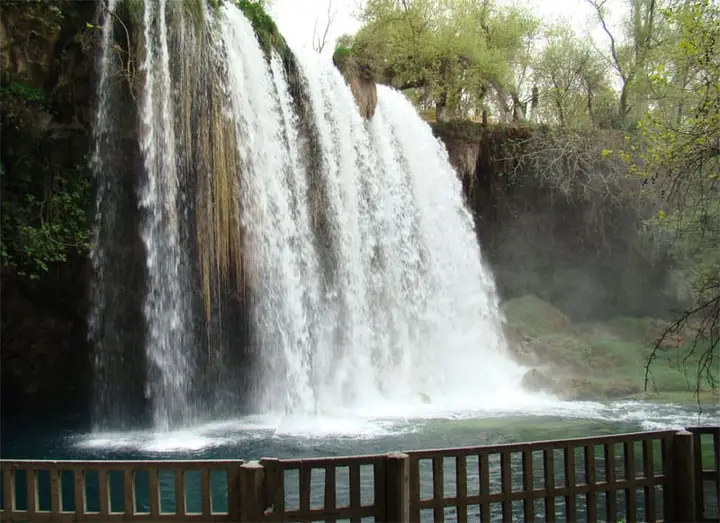
Formed by the Düden River, the waterfall, with its surrounding park and cave, is one of Antalya's most visited natural beauties.
View on mapA historic caravanserai on the Antalya–Burdur highway. According to its inscription, it was built by Sultan Gıyaseddin Keyhüsrev Bin Keykubat between 1236 and 1246.
View on mapA stone-paved ancient road and the Derbent Pass, which gave the district its name. The road was one of the routes linking the cities of Pamphylia and Pisidia.
View on mapWhile you are in Döşemealtı, you can also see the highlights of Antalya province. These places are in other districts; Döşemealtı is about 20 km from the provincial centre.
Antalya piyaz, made with dried beans, onion, parsley and tahini, is an essential meze on traditional tables in Döşemealtı as well.
Tandır kebabı, lamb slow-cooked in a clay tandoor oven, is an important flavour of Döşemealtı's rural cuisine.
A hand-woven rug registered as a geographical indication at the request of Döşemealtı Municipality. The registration has been valid since 8 July 2021.
Döşemealtı is one of the regions where Yörük nomadic culture is most vividly preserved. Traditional rug weaving, Yörük tent life and livestock culture are passed down from generation to generation.
The traces of 500,000-year-old settlement in Karain Cave make Döşemealtı one of the oldest living areas in human history.
The economy of Döşemealtı consists of agriculture, livestock and tourism. Rug weaving is a traditional source of income. Termessos and Karain Cave contribute to cultural tourism. Greenhouse farming and citrus production also take place.
Döşemealtı is 20 km from Antalya city centre. It lies on the Antalya–Burdur highway. Regular transport is provided by municipal buses.
There are 7 highlights in Döşemealtı: Kırkgöz Caravanserai, Karain Cave, Termessos Ancient City, Mount Güllük Termessos National Park, Düden Waterfall (Upper Düden), Historic Kırkgöz Caravanserai and Ancient Road - Derbent Pass.
Piyaz, Tandır Kebabı and Döşemealtı rug are the standout flavours at tables in Döşemealtı.
Döşemealtı is known for the Döşemealtı El Halısı and Yörük Culture and Rug Weaving. It is registered with TÜRKPATENT as a protected geographical indication product.
Döşemealtı is 20 km from Antalya city centre. It lies on the Antalya–Burdur highway. Regular transport is provided by municipal buses.
Suggested visit length: 1–2 days. Best time to visit: spring and autumn.