10 places to visit in the Muratpaşa district of Antalya: Kaleiçi (Antalya Old Town), Hadrian Gate (Üçkapılar) and Yivli Minare Mosque. Plan your trip to Muratpaşa with local food, practical tips and transport information.
Muratpaşa is one of the districts of Antalya. It covers 96 km², lies 40 m above sea level, has a population of 510,887 and became a district in 2008. It has 64 neighbourhoods, and there are no towns, villages, nomadic camps or hamlets within the district boundaries.
History
The history of Muratpaşa runs parallel to the history of Antalya as a city, since the district is the oldest settlement in the Antalya metropolitan area. In the Hellenistic period, Attalus II, King of Pergamon, founded a port city here, known as “Attaleia”. It was incorporated into Roman territory in 77 BC by the commander Servilius Isauricus. The visit of Hadrian to Attaleia in 130 AD led to the city’s development.
Kaleiçi and Historic Monuments
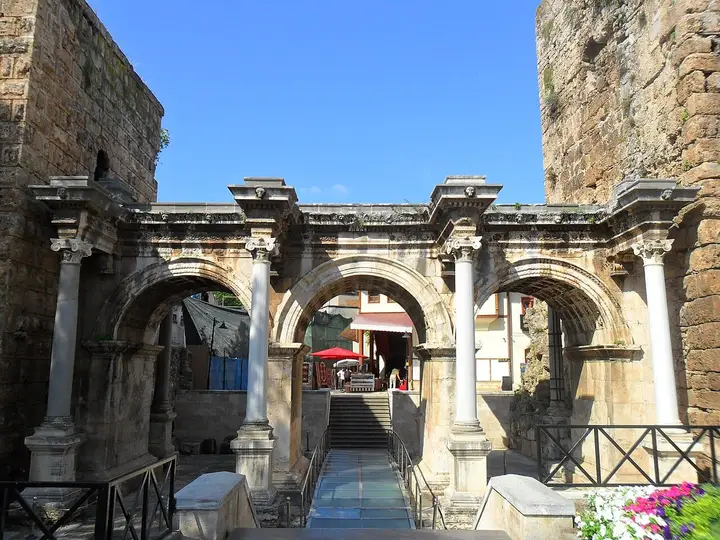
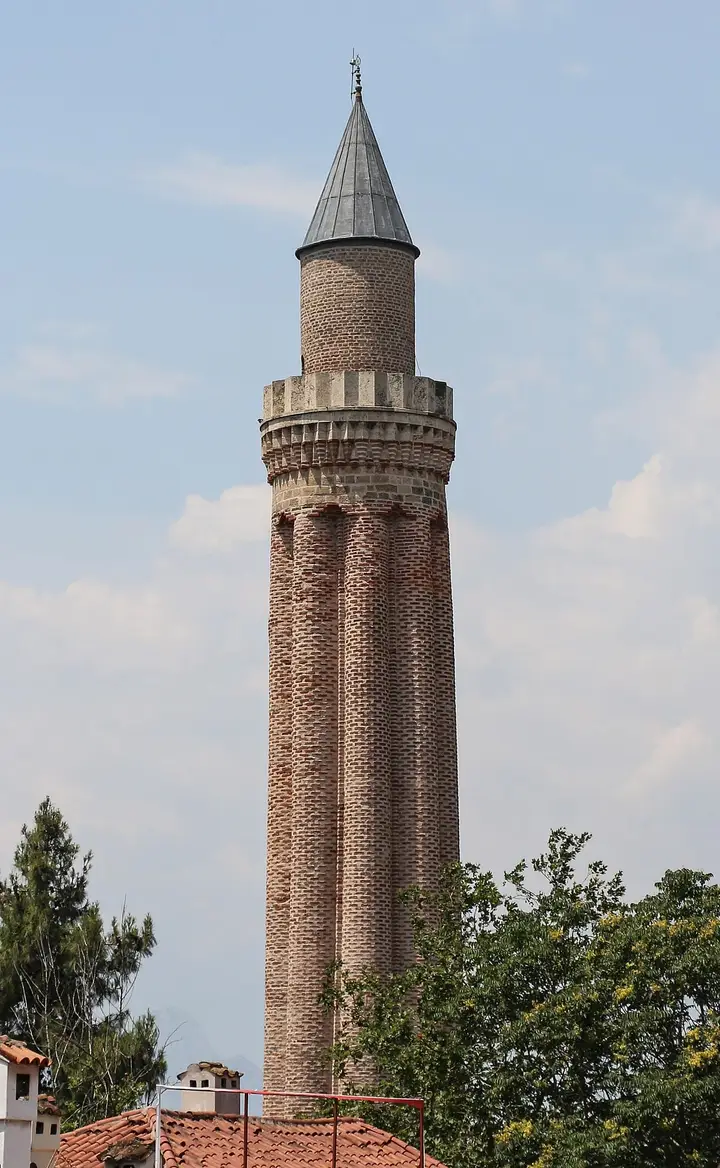
Kaleiçi, the first urban settlement of Antalya, lies within the district and contains many important historic monuments. The Yivli Minare has been a symbol of Antalya since the 13th century. Hadrian Gate (Üçkapılar) was built to commemorate the visit of the Roman Emperor Hadrian to Antalya in 130.
Cultural Life
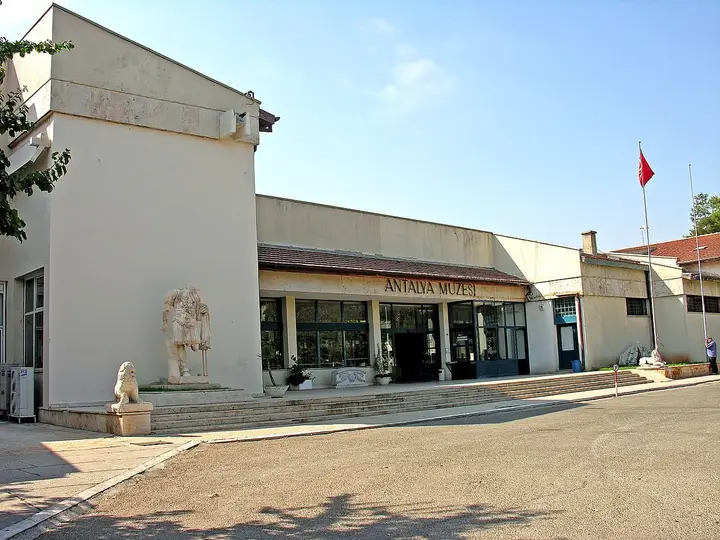
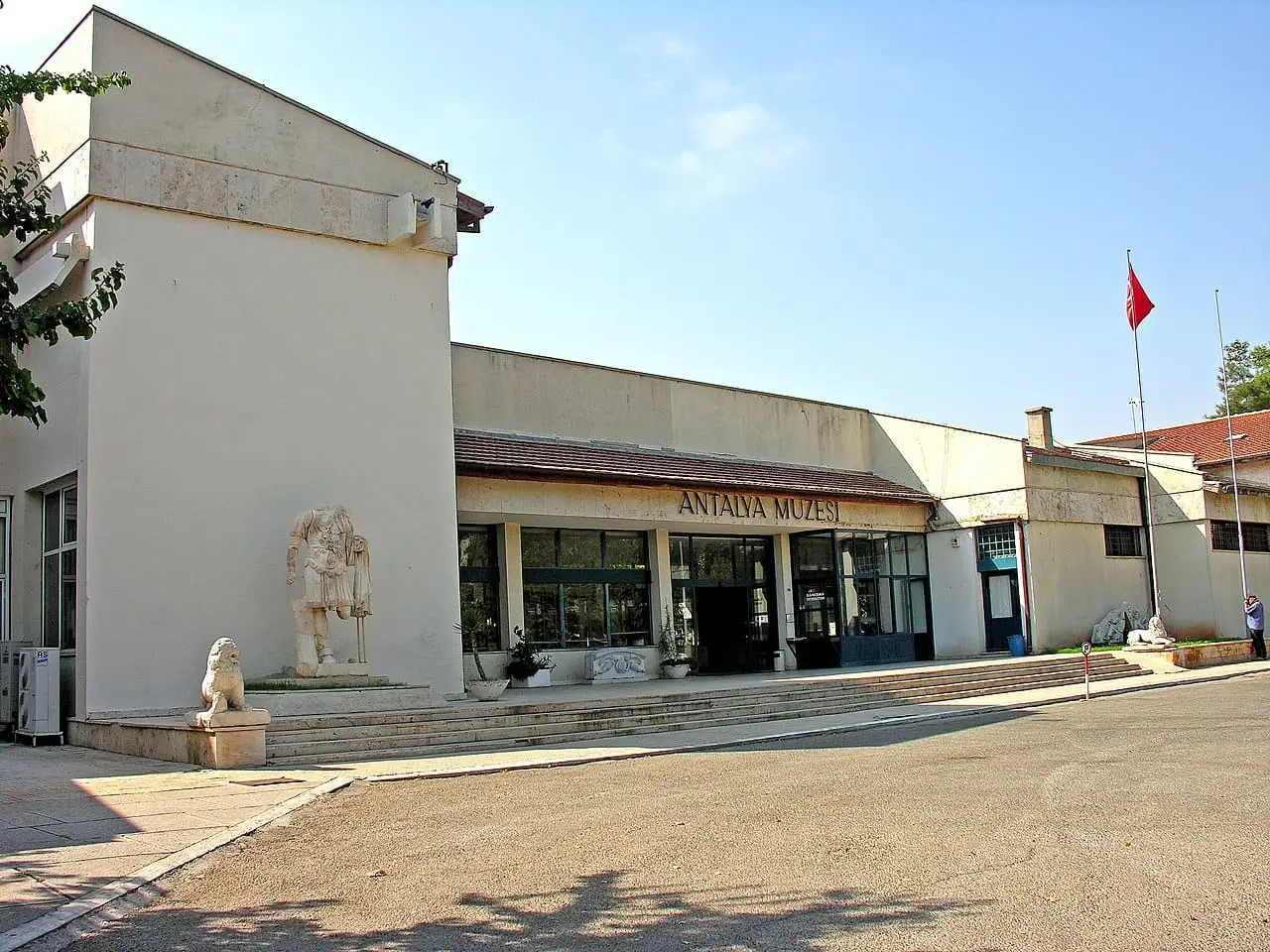
The district is home to the stages of the Antalya State Theatre and the Antalya Municipal Theatre. Important museums within the district boundaries include the Antalya Museum, the Antalya Archaeology and Ethnography Museum, and the Atatürk Museum and House.
Infrastructure
Two tram lines operate in the district, running west-east and southeast-northwest.
History and Culture
Kaleiçi, the first settlement of Antalya, lies within the boundaries of Muratpaşa. In the Hellenistic period, Attalus II, King of Pergamon, founded a port city here. The district’s name comes from the mosque built by Murat Paşa, the Bey of Karaman. The Yivli Minare Mosque has been on UNESCO’s Tentative List of World Heritage Sites since 2016. Hadrian Gate was revealed in 1882 when the remains of the city walls were demolished. The Ethnography Museum was established by converting two historic Ottoman-period mansions.
Last updated: