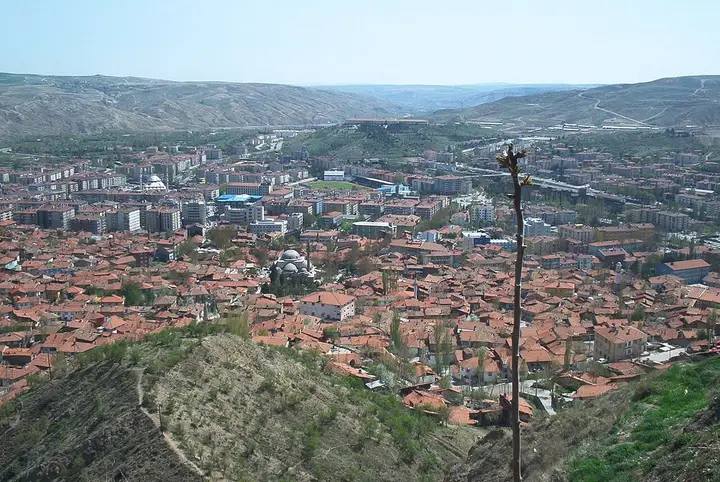
Çankırı Castle
A castle structure in Çankırı where the tomb of Emir Karatekin is located; it is an important historical monument.
View on map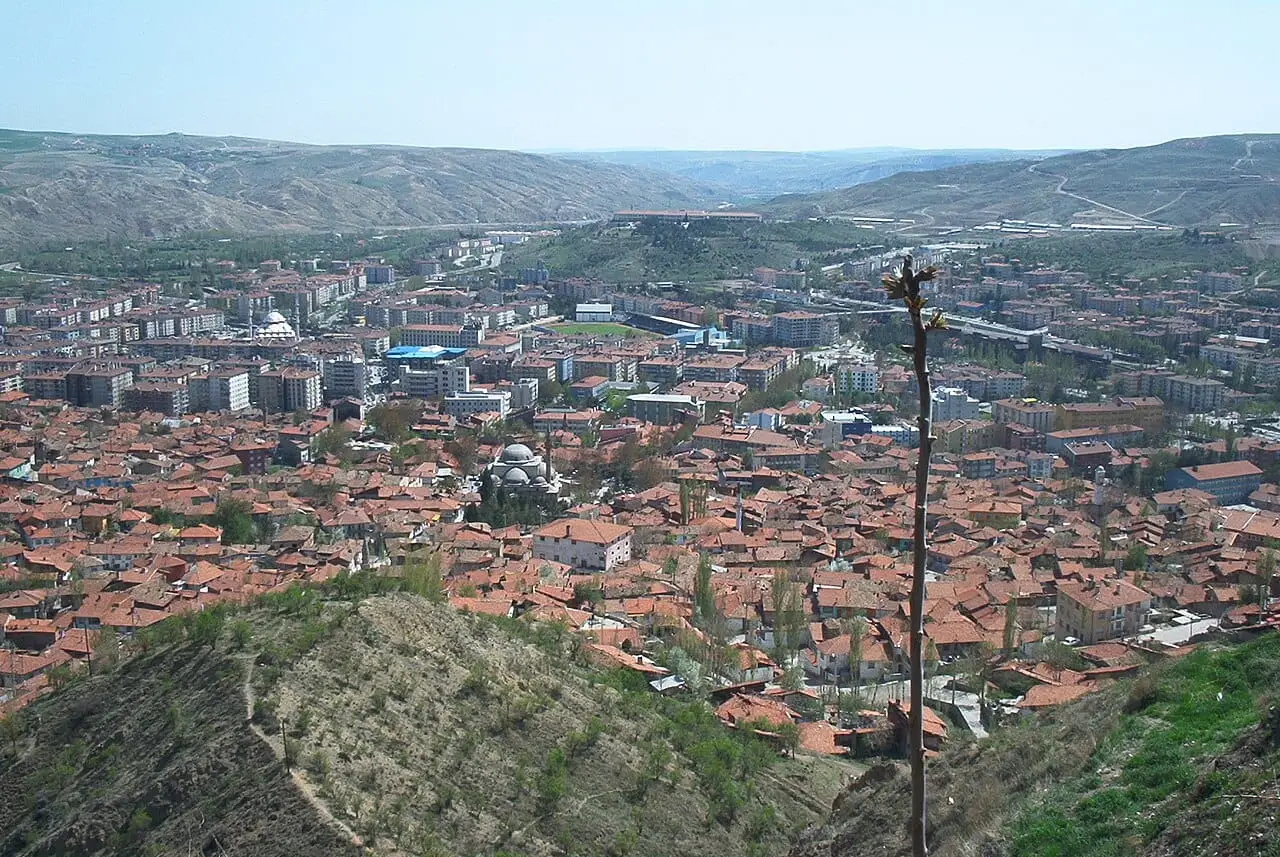
7 places to visit in the central district of Çankırı: Çankırı Castle, Taş Mescit and Çankırı Museum. Plan your trip with local food, practical tips and transport information.
Çankırı is a province in the north of Central Anatolia, set at the southern foot of the Ilgaz Mountains on the transition towards the Black Sea.
Taş Mescit is a darüşşifa built in 1235 during the reign of I. Alâeddin Keykubad. The dragon reliefs and the serpent figure on the façade of Taş Mescit are used as symbols of medicine and pharmacy.
Construction of the Sultan Süleyman Mosque began in 1522 and was completed in 1558. Taş Mektep recounts how Atatürk, during his nationwide tour in the course of the Hat Reform, was hosted in one of its classrooms. Construction of Taş Mektep began in 1886, and the school opened in 1893.
Last updated:
A castle structure in Çankırı where the tomb of Emir Karatekin is located; it is an important historical monument.
View on mapA historic darüşşifa (hospital) from the Seljuk period, bearing medical symbols.
View on map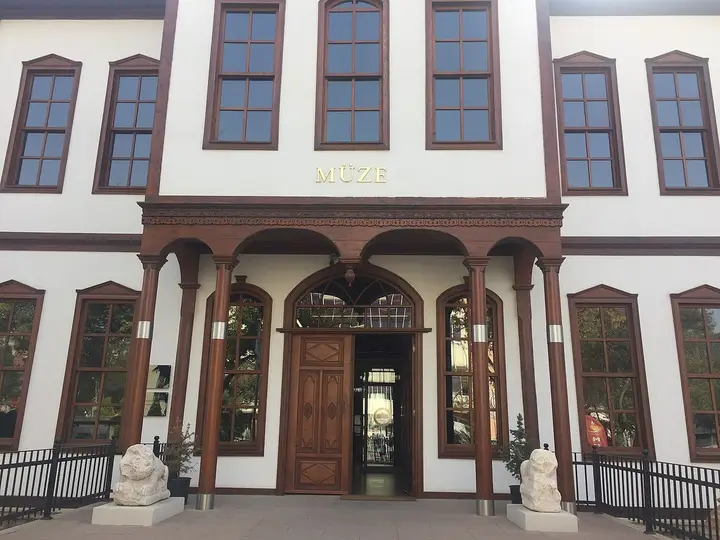 Photo: Cobija (CC BY-SA 4.0) · Source
 A museum in Çankırı, housed in a historic mansion in the Karataş neighbourhood.
View on mapA former two-storey school building of dressed stone, located in Merkez district.
View on mapÇankırı pastırması is prepared by coating beef with a spiced mixture called çemen and drying it. It is the city's most famous traditional meat product.
Banduma, prepared by soaking stale bread in meat broth and butter, is one of Çankırı's distinctive flavours. It is often eaten in the winter months.
Çankırı simidi differs from Istanbul simit in its thin, crispy texture. It is prepared with sesame or nigella seeds.
Salt mining in Çankırı has continued since the Hittite period. This 4,500-year-old salt-production tradition forms the basis of the city's cultural identity.
Çankırı was an important settlement centre in the Anatolian Seljuk period. Taş Mescit and other Seljuk structures are tangible legacies of this period.
The economy of Çankırı Merkez district rests on the public sector, agriculture and mining. Salt mining is the city's oldest and most important economic activity. Wheat, barley and sugar beet are grown in farming. Çankırı Karatekin University contributes to the city's educational and economic life.
Çankırı is 130 km from Ankara. It lies on the Ankara–Kastamonu road. Intercity bus services connect it with all major cities. The nearest airport is Ankara Esenboğa Airport (160 km).
The 7 main sights in Çankırı Merkez are Çankırı Castle, Taş Mescit, Çankırı Museum, Sultan Süleyman Mosque, Ferit Akalın Radio and Communication Museum, Taş Mektep and Çankırı Clock Tower.
Çankırı Pastırması, Banduma and Çankırı Simidi are the standout foods at tables in Çankırı Merkez.
Çankırı Merkez is known for Çankırı Salt and its salt-mining tradition. The Çankırı salt mine, with a history of 4,500 years, is one of Türkiye's oldest salt-production centres. Rock salt is known for its natural mineral content.
Çankırı is 130 km from Ankara. It lies on the Ankara–Kastamonu road. Intercity bus services connect it with all major cities. The nearest airport is Ankara Esenboğa Airport (160 km).