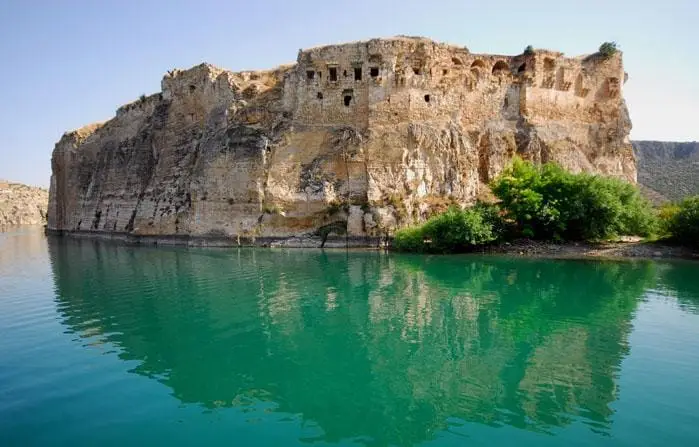
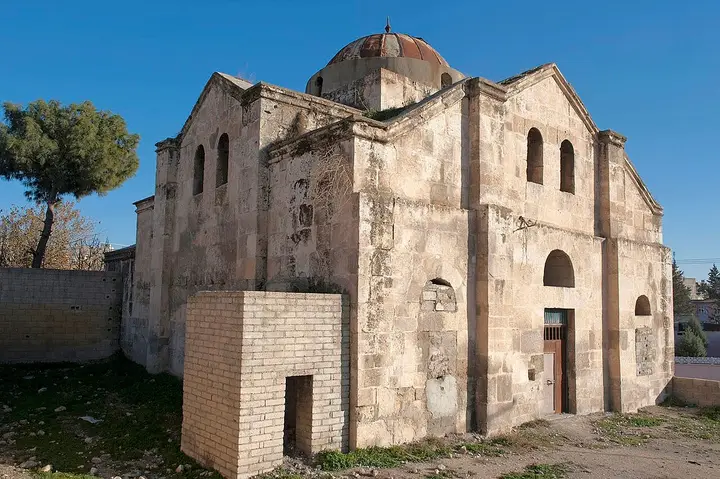
Nizip is the largest district of Gaziantep province. The district covers 944 km², lies at an altitude of 533 metres and has a population of 152,660. The district is highly developed in agriculture and agriculture-based industry.
Climate and Geography
Mediterranean plants such as citrus, olive and palm grow easily. Antep pistachio and olive groves are widespread, and there are more than 100 medium-sized factories and workshops processing these products.
History
The history of Nizip district goes back to 2000 BC. In the Old Hittite period (18th century BC) Mursili I, and in the Hittite Empire period (13th century BC) Suppiluliuma I, brought it under the Hittite state. In 1517 Yavuz Sultan Selim added Nizip to Ottoman lands.
Economy and Products
Soaps made from the olive oil produced in Nizip are famous. In the 1960s, 90% of Türkiye’s soap needs were produced in the district’s soap factories. Soap, Antep pistachios, Nizip olives, lentils, wheat, barley and viticulture are the main sources of income, and olive oil production is widespread.
History and Culture
Nizip was added to the Ottoman Empire in 1516. In 1839 the Ottoman army and the forces of Mehmet Ali Pasha, governor of Egypt, fought at Nizip. In AD 256 the Sasanian king Shapur I captured and destroyed Zeugma. In the Roman period, Zeugma became a city whose mosaics rivalled the finest examples in the world.
Highlights
Zeugma Ancient City lies on the bank of the Euphrates within the boundaries of Belkıs village in Nizip district, Gaziantep province. The Belkıs ruins, about 8 km from Nizip and to its north-east, date from the Byzantine period.
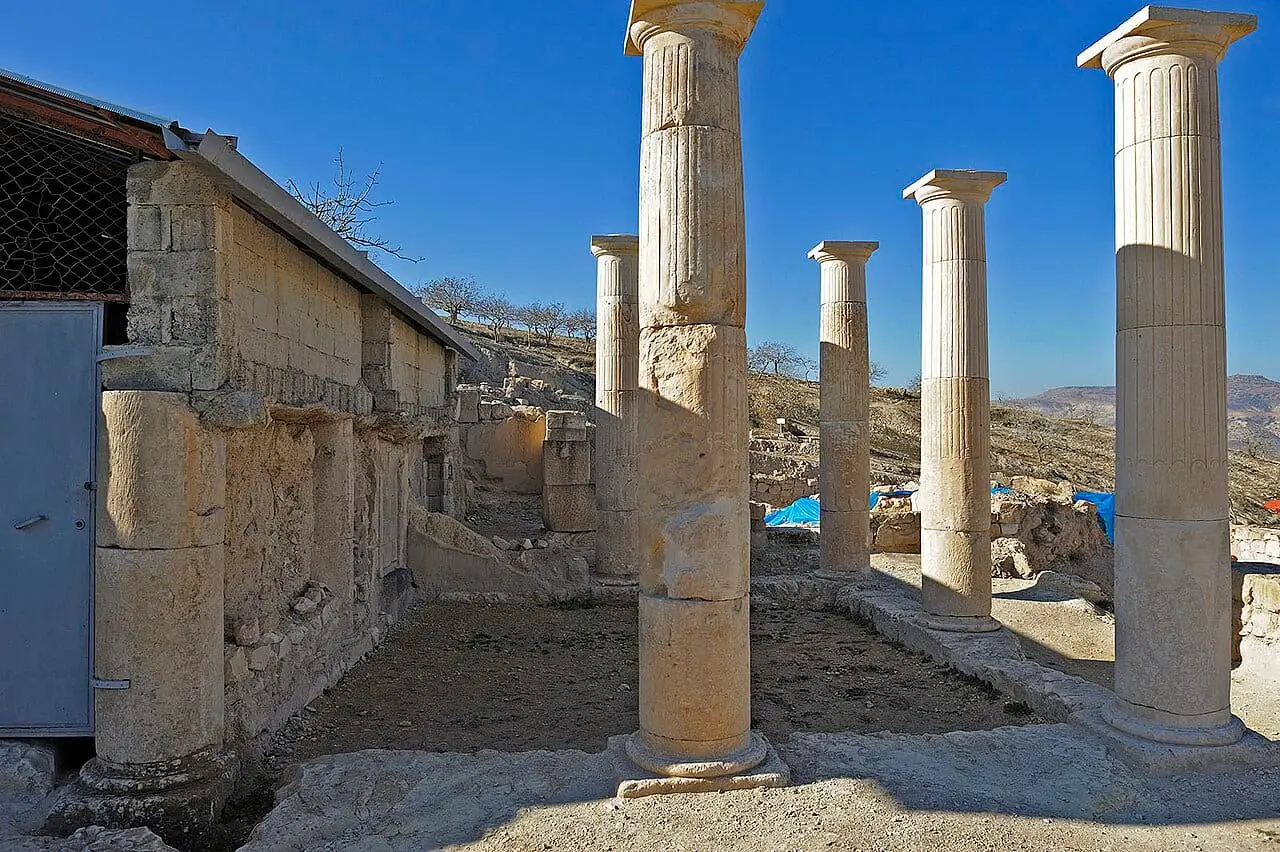
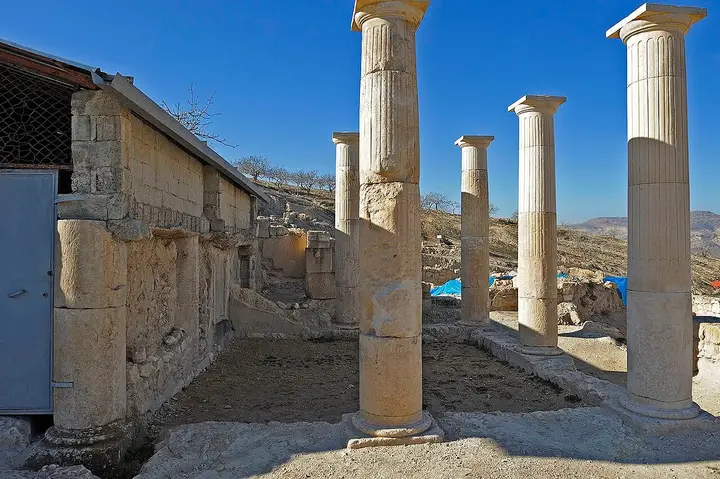 Photo: Dosseman (CC BY-SA 4.0) · Source