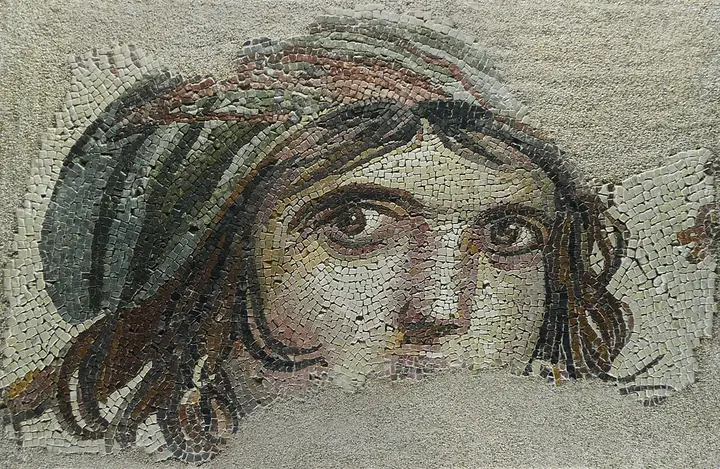
Gaziantep, the first Turkish city to join the UNESCO Creative Cities Network in the field of gastronomy (in 2015), is the capital of baklava and pistachios, with one of the richest cuisines in Türkiye and more than 100 registered geographical indications. With the Zeugma Mosaic Museum, which displays the Gypsy Girl mosaic, Zeugma and Rumkale on the Euphrates, the Late Hittite cities of Carchemish (Karkamış) and Zincirli, the Yesemek sculpture workshop and its coppersmiths' bazaars, it is a city of history and flavour.

Share with friends

Last updated:

Places to Visit in Gaziantep

14 places worth seeing in Gaziantep, from historic monuments to natural wonders, grouped by type. Open any of them on the map with a single click.

  • 5 Historic
  • 5 Ancient City
  • 2 Religious
  • 2 Museum

Historic Sites 5

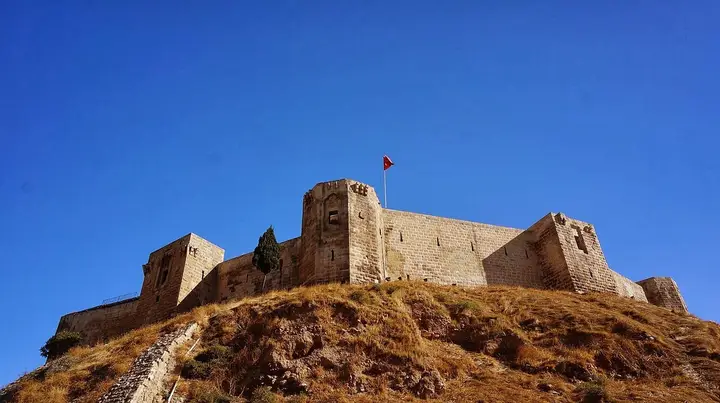
Gaziantep Castle Photo: Ben Bender (CC BY-SA 3.0) · Source
Historic

Gaziantep Castle

A castle with 12 towers and a circumference of 1,200 metres on a hill in the middle of the city; it is thought to have served as a lookout since the Hittite period and to have taken its present form through Byzantine, Ayyubid and Mamluk repairs. It houses the Gaziantep Defence and Heroism Panorama Museum. It was severely damaged in the 2023 earthquakes and restoration is continuing.

View on map
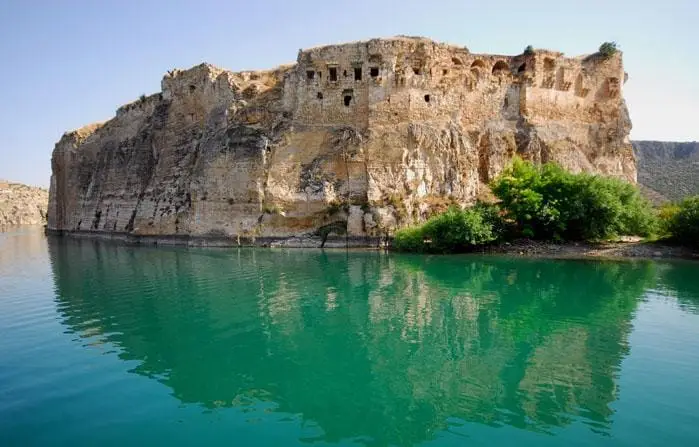
Rumkale on the Euphrates Photo: Argilli (CC BY-SA 4.0) · Source
Historic

Rumkale

A castle on sheer rocks at the confluence of the Euphrates and the Merzimen Stream, turned into a peninsula by the reservoir; with the Church of St Nerses, the Barsauma Monastery and its cisterns, it bears traces of the Late Roman and medieval periods. It is reached by boat tour on the Euphrates.

View on map
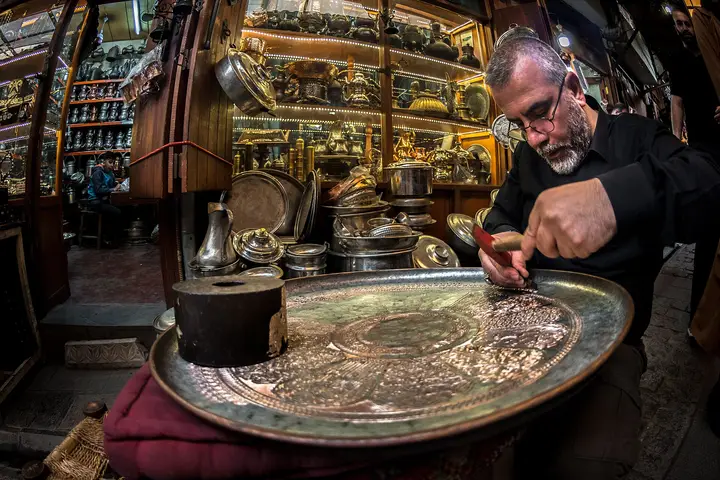
A craftsman in the Coppersmiths' Bazaar Photo: Erhanaydin6428 (CC BY-SA 4.0) · Source
Historic

Coppersmiths' Bazaar (Bakırcılar Çarşısı)

In the historic bazaar around the castle, coppersmiths hammer out trays, coffee pots and cauldrons; together with the surrounding Zincirli Bedesten and caravanserais, it is the liveliest shopping area in the city.

View on map
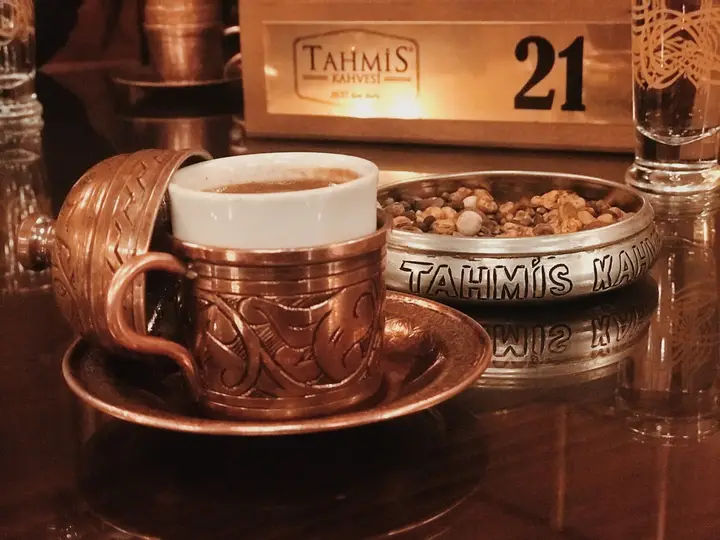
Coffee at the Tahmis Coffeehouse Photo: Alarakula (CC BY-SA 4.0) · Source
Historic

Tahmis Coffeehouse

Built in 1635–1638 to bring income to the Mevlevi lodge, this is one of the oldest known coffeehouses of the Ottoman Empire; it is the classic stop in the city for a cup of menengiç coffee.

View on map
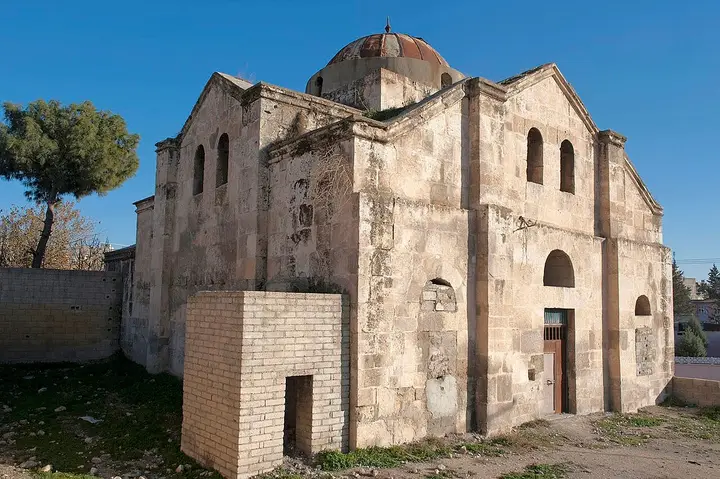
Nizip Fevkani Church Photo: Dosseman (CC BY-SA 4.0) · Source
Historic

Fevkani Church (Nizip)

A domed stone church building in Nizip; preserved through restoration, it is one of the important historic buildings of the district centre.

View on map

Ancient Cities 5

Villa remains at the ancient city of Zeugma Photo: Dosseman (CC BY-SA 4.0) · Source
Ancient City

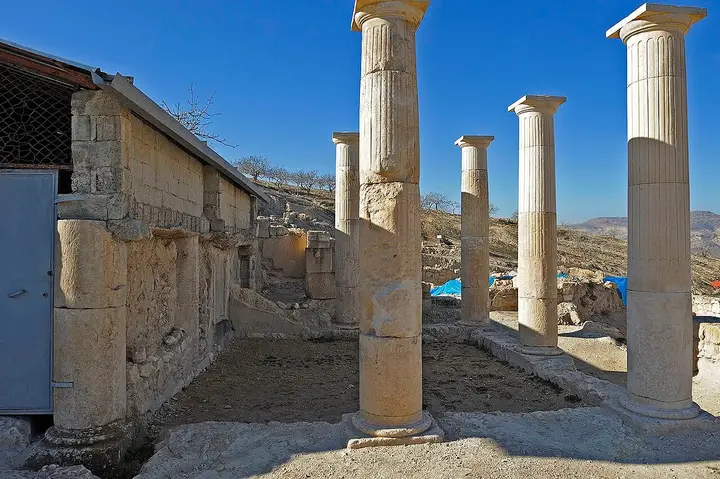
Zeugma Ancient City

A bridgehead city on the Euphrates at Nizip, founded by Seleucus I, a general of Alexander the Great, and estimated to have reached a population of 70,000–80,000 in the Roman period. The waters of the Birecik Dam covered part of the city; the exposed villas can be toured under a protective roof.

View on map
Sculptures on the slopes of Yesemek Photo: Klaus-Peter Simon (CC BY 3.0) · Source
Ancient City

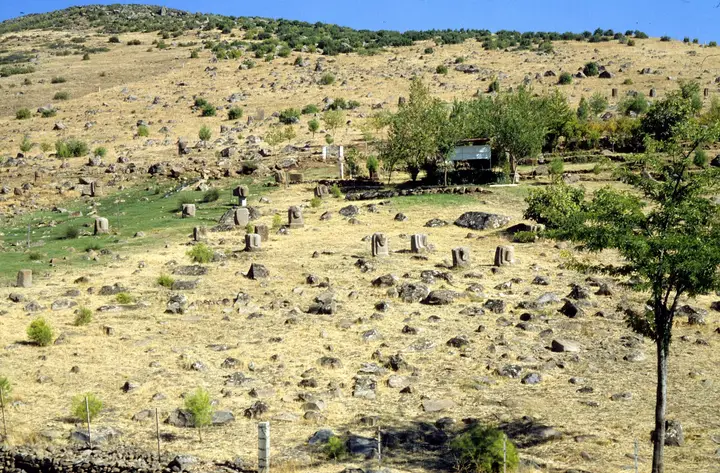
Yesemek Open-Air Museum

At İslahiye, used in the Hittite and Late Hittite periods, this is the largest known quarry and sculpture workshop of the ancient Near East, covering about 100,000 m²; unfinished lion, sphinx and mountain-god sculptures stand on the slopes.

View on map
Lion sculptures from Zincirli (Berlin) Photo: Marcus Cyron (CC BY-SA 3.0) · Source
Ancient City

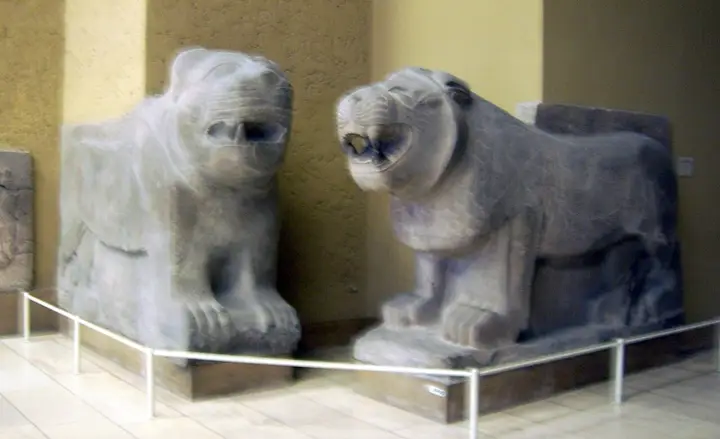
Zincirli Höyük (Sam'al)

North of İslahiye, this was the capital of the Late Hittite kingdom whose Aramaic name was Sam'al; the lion sculptures and orthostats excavated in the 19th century are now in the museums of Berlin and Istanbul. The Kuttamuwa stele, found in 2008 and describing the soul living on in the stele, is famous.

View on map
Ancient City

Carchemish Ancient City

A Late Hittite capital on the Euphrates on the Syrian border; it was inhabited from the Copper Age to the Roman period. It is also known for the Battle of Carchemish in 605 BC. After excavations it was opened to visitors as an archaeological park.

View on map
Ancient City

Dülük (Doliche) Ancient City

In Şehitkamil, an ancient city regarded as the predecessor of Gaziantep; in the Roman period it was the centre of the cult of Jupiter Dolichenus. The Mithras temples carved into the rock and the sanctuary on Dülük Baba Hill can be visited; the surroundings are the Dülük Baba forest.

View on map

Religious Buildings 2

Kurtuluş Mosque Photo: Dosseman (CC BY-SA 4.0) · Source
Religious

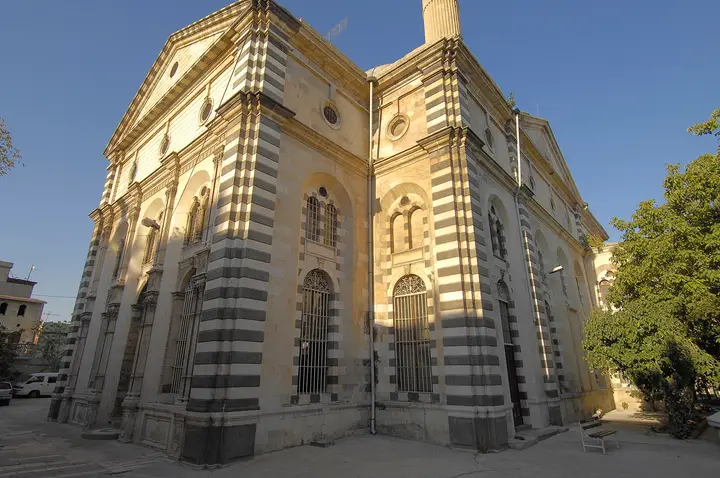
Kurtuluş Mosque

Built in 1892 as the Armenian Cathedral of the Virgin Mary, a building notable for its façade of black and white stone stripes; it was converted into a mosque after the city's liberation.

View on map
Religious

Gaziantep Mevlevi Lodge

A 17th-century Mevlevi lodge near the Tahmis Coffeehouse; today it is a foundation museum presenting Mevlevi culture.

View on map

Museums 2

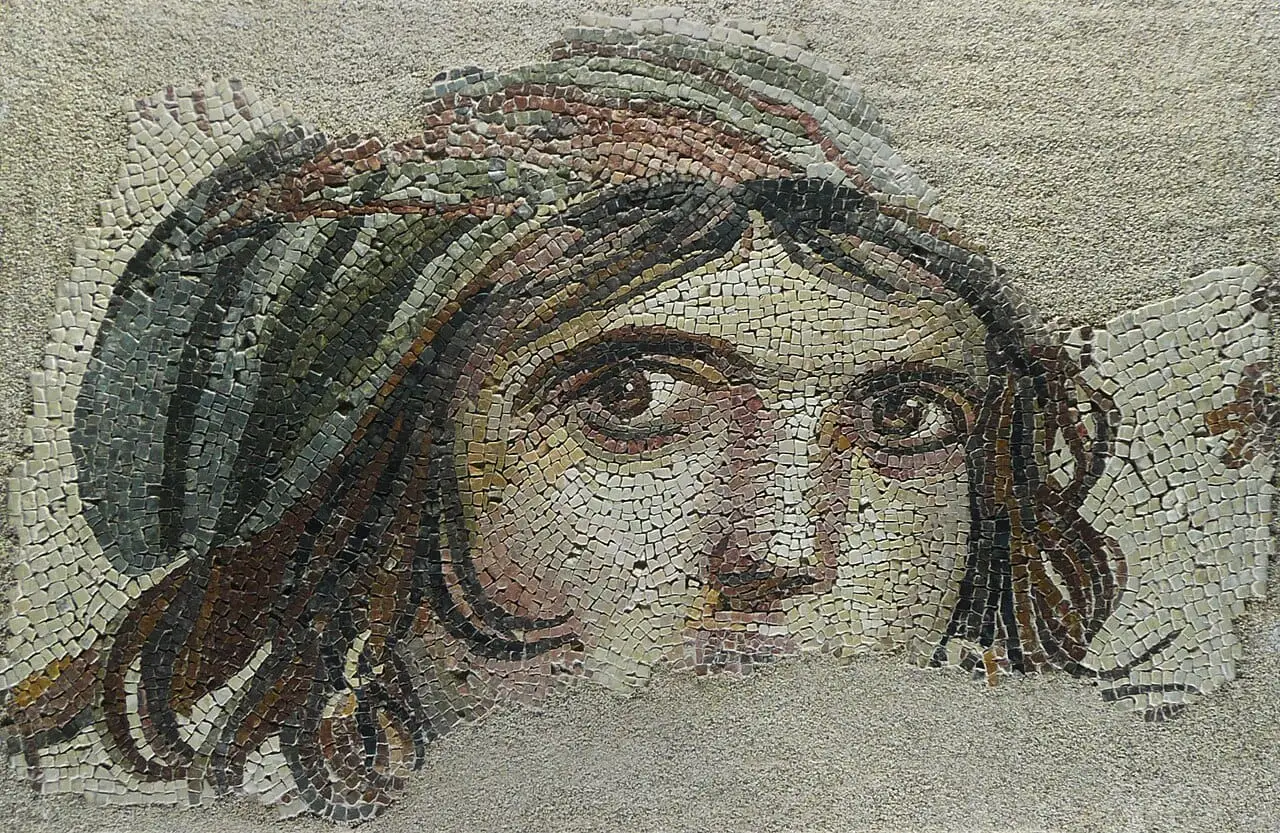
The Gypsy Girl mosaic Photo: Nevit Dilmen, düzenleme: Durova (CC BY-SA 3.0) · Source
Museum

Zeugma Mosaic Museum

Opened in 2011 and displaying about 1,700 m² of mosaics, this is one of the largest mosaic museums in the world. The iconic 'Gypsy Girl' mosaic recovered from Zeugma, the mosaics of Oceanus and Tethys and of the Wedding of Dionysus and Ariadne, and walls from Roman-period villas are displayed here.

View on map
Museum

Emine Göğüş Culinary Museum

Opened in 2008 in the historic Göğüş İbrahim Efendi Mansion south of the castle, a museum that presents Gaziantep cuisine through ingredients, utensils and re-created scenes.

View on map

Getting to Know Gaziantep

Gaziantep lies in the west of Southeastern Anatolia, at the crossroads of the old trade routes between the Mediterranean and Mesopotamia. The origins of the city go back to the ancient Dülük (Doliche), now within the boundaries of Şehitkamil; in the Roman period this was the birthplace of the cult of Jupiter Dolichenus. The hill of Gaziantep Castle in the city centre has been used as a lookout point since the Hittite period. Within the province’s borders lie Zeugma, the great city of the Commagene and Roman periods on the Euphrates; Carchemish, the Late Hittite capital in the south-east; Zincirli Höyük, known by its Aramaic name Sam’al, in the west; and Yesemek, one of the largest ancient sculpture workshops known in the world.

Known in the Middle Ages as Ayıntab, the city passed through the Seljuk, Ayyubid, Mamluk and Dulkadirid periods before coming under the Ottomans after the victory of Marj Dabiq in 1516; caravanserais, hammams, bedestens and coppersmiths’ bazaars developed in this period. After the First World War, when Antep fell under British and then French occupation, its people mounted a defence, symbolised by heroes such as Şahin Bey and 15-year-old Kâmil, that lasted from April 1920 to February 1921. For this resistance the Grand National Assembly of Türkiye (TBMM) awarded the city the title “Gazi” on 6 February 1921; the districts of Şahinbey and Şehitkamil take their names from these heroes.

Today Gaziantep is one of the largest industrial cities in Türkiye; machine-made carpets, textiles, food and pistachio processing stand out. The earthquakes of 6 February 2023 caused great destruction in the province, especially in the districts of Nurdağı and İslahiye; the historic Gaziantep Castle was also severely damaged and its restoration is continuing.

When to Go

Gaziantep has a climate that is transitional between Mediterranean and continental: summers are very hot and dry, winters cool and rainy. Averages for 1940–2025 from the Turkish State Meteorological Service:

Month Avg. high Avg. low Rainfall Rainy days
January 7.6 °C −0.5 °C 103 mm 13
February 9.5 °C 0.2 °C 82 mm 12
March 14.0 °C 3.1 °C 74 mm 12
April 19.8 °C 7.4 °C 52 mm 10
May 25.6 °C 12.0 °C 31 mm 7
June 31.3 °C 17.3 °C 8 mm 2
July 35.4 °C 21.3 °C 7 mm <1
August 35.4 °C 21.1 °C 5 mm <1
September 31.2 °C 16.4 °C 7 mm 1
October 24.4 °C 10.2 °C 37 mm 6
November 16.4 °C 4.7 °C 62 mm 8
December 9.9 °C 1.2 °C 97 mm 12

The best times to visit are April–May and October–November. In July and August daytime temperatures exceed 35 °C, and the highest recorded value is 44 °C; visit open-air archaeological sites early in the morning. The Antep pistachio harvest runs from late August to September, and fresh (green) pistachios and pistachio desserts are at their best at this time. Winters are rainy, with occasional snow.

How to Get to Gaziantep

By air: Gaziantep Airport (GZT) lies within the boundaries of Oğuzeli, about 20 km south-east of the city. There are regular flights from Istanbul, Ankara and Izmir; a new terminal building opened in 2021. The city centre is reached by bus and Havaş shuttle services.

By road: Gaziantep lies at the junction of the Adana–Osmaniye–Gaziantep–Şanlıurfa motorway (O-52) and the roads to Hatay and Kahramanmaraş. It is about 145 km from Şanlıurfa and about 220 km from Adana.

By train: The Gaziray suburban line runs in the city; intercity rail services are limited.

Gaziantep Area by Area

  • Historic centre (Şahinbey): Gaziantep Castle and its surroundings, the Coppersmiths’ Bazaar, Zincirli Bedesten, the Tahmis Coffeehouse, the Mevlevi Lodge, Kurtuluş Mosque, Naib Hammam, the Emine Göğüş Culinary Museum and the historic caravanserais.
  • Museums district: the Zeugma Mosaic Museum and the Gaziantep Archaeology Museum.
  • Şehitkamil: the ancient city of Dülük and the Dülük Baba forest; the Mithras temples.
  • Nizip and Yavuzeli (Euphrates bank): the ancient city of Zeugma, Rumkale and boat tours on the Euphrates, Fevkani Church.
  • İslahiye: Yesemek Open-Air Museum and Zincirli Höyük.
  • Karkamış: the ancient city of Carchemish, the Late Hittite capital, on the Syrian border.

Suggested Itineraries

Day 1 – The historic centre and cuisine: Katmer or beyran for breakfast, then the Coppersmiths’ Bazaar, Zincirli Bedesten, menengiç coffee at the Tahmis Coffeehouse, Kurtuluş Mosque and the Emine Göğüş Culinary Museum. Lahmacun or kebab for lunch and baklava in the evening.

Day 2 – Zeugma: In the morning, the Gypsy Girl and the Oceanus and Tethys mosaics at the Zeugma Mosaic Museum; in the afternoon, the villa remains at the ancient city of Zeugma in Nizip. Alinazik or yuvalama in the evening.

Day 3 – The Euphrates and Rumkale: A boat tour from Yavuzeli to Rumkale; Dülük on the way back.

Day 4 – The Late Hittite route: The Yesemek sculpture workshop and Zincirli Höyük in İslahiye; Carchemish if time allows.

Gaziantep Cuisine

Gaziantep cuisine is one of the richest in Türkiye: in 2015 the city became the first Turkish city to join the UNESCO Creative Cities Network in the field of gastronomy, and TÜRKPATENT records list more than 100 registered products for it. The staple ingredients of this cuisine are Antep pistachios, isot (dried chilli flakes) and pepper paste, sumac, pomegranate molasses and bulgur.

The symbol of the city is Antep baklava: it is made with layers of thin yufka, clarified butter and green pistachios, and in 2013 it became the first product from Türkiye to receive geographical indication registration in the European Union. Antep pistachios are also registered with a protected designation of origin. In the morning people eat Antep katmer, cooked on a griddle and filled with pistachios or clotted cream, and the garlicky, spicy Antep beyran. In the afternoon come Antep lahmacun, Gaziantep küşleme kebabı, Gaziantep alinazik, Gaziantep simit kebabı, cağırtlak kebabı, Gaziantep yenidünya kebabı (loquat kebab) and altı ezmeli kebap (kebab with six relishes). Among home dishes, Antep yuvarlaması, Gaziantep içli köftesi (stuffed bulgur meatballs), Gaziantep lebeniye çorbası (yoghurt and chickpea soup), Antep allı yeşilli dolma (red and green stuffed vegetables), Gaziantep mumbar dolması (stuffed intestine), Gaziantep omacı (meat and bulgur dish), Gaziantep malhıtalı köftesi (meatballs in malhıta sauce) and Antep firik pilavı (freekeh pilaf) are registered.

Desserts and drinks: Gaziantep şöbiyeti (cream-filled pastry), Gaziantep bülbül yuvası (nightingale’s nest pastry), Antep kurabiyesi (Antep shortbread), Gaziantep susamlı kıtır helva (crisp sesame halva), Antep peynirli irmik helvası (semolina halva with cheese), Antep menengiç kahvesi (menengiç coffee), Antep meyan şerbeti (liquorice sherbet) and Antep zahter çayı (thyme tea). Among products, Antep sumağı (Antep sumac), Antep biber salçası (Antep pepper paste), Antep bulguru (Antep bulgur), Antep peyniri (Antep cheese), Antep pekmezi (Antep molasses), Araban sarımsağı (Araban garlic), Nizip zeytinyağı (Nizip olive oil), Nizip sabunu (Nizip soap), Gaziantep Oğuzeli narı (Oğuzeli pomegranate) and İslahiye biberi (İslahiye pepper) are registered.

Handicrafts

Gaziantep’s coppersmiths still work to the sound of the hammer in the Coppersmiths’ Bazaar; Gaziantep hand-worked copper and Gaziantep mother-of-pearl craft (Gaziantep sedef el işlemeciliği), in which mother-of-pearl is inlaid into walnut wood, are registered. The Antep kutnu fabric woven from silk and cotton, the hand-printed Gaziantep yemenisi (headscarf) and the finely worked Antep işi embroidery are also handicrafts registered as geographical indications.

Practical Tips

  • Baklava and katmer are eaten fresh in the morning; long-established baklava makers may run out of trays in the afternoon.
  • Allow at least 2–3 hours for the Zeugma Mosaic Museum; villa walls and pools brought from the ancient city have also been reassembled in the museum.
  • After the 2023 earthquakes, Gaziantep Castle and some historic buildings may be closed for restoration; check the current situation before you go.
  • Rumkale boat tours leave from the Yavuzeli and Halfeti (Şanlıurfa) sides; in summer, choose morning or late-afternoon tours to avoid the heat.
Districts of Gaziantep

Gaziantep province has 9 districts. Explore the places to visit, local dishes and transport in each one.

What to Eat in Gaziantep

All dishes →
  • Antep Baklavası (Antep baklava)

    Made with green pistachios and clarified butter, the first Turkish product to receive EU registration, in 2013.

  • Antep Katmeri (Antep katmer)

    A registered dessert made with pistachios and clotted cream, eaten in the morning.

  • Antep Beyranı (lamb, rice and garlic soup)

    A spicy soup made with lamb, rice and garlic, drunk at breakfast.

  • Antep Lahmacunu (Antep lahmacun)

    A lahmacun with minced meat on thin dough, registered as a geographical indication.

  • Antep Yuvarlaması (chickpea-sized meatballs in yoghurt)

    A registered festive dish of yoghurt with chickpea-sized meatballs.

  • Gaziantep Alinazik (kebab on smoked aubergine yoghurt)

    Kebab on a bed of yoghurt with smoked aubergine; registered as a geographical indication.

What to eat in Gaziantep: the full food guide

Gaziantep: Frequently Asked Questions

What are the best places to visit in Gaziantep?

The main stops are the Zeugma Mosaic Museum, Gaziantep Castle and the Coppersmiths' Bazaar, the Tahmis Coffeehouse, Kurtuluş Mosque, the Emine Göğüş Culinary Museum, the ancient city of Zeugma, Rumkale, Yesemek, Zincirli Höyük, Carchemish and Dülük.

What should I eat in Gaziantep?

Baklava, katmer, beyran, lahmacun, alinazik, yuvarlama, içli köfte, küşleme and simit kebabı, şöbiyet and menengiç coffee. Gaziantep has more than 100 registered geographical indications.

Where is the Gypsy Girl mosaic?

It is displayed in the Zeugma Mosaic Museum in Gaziantep. The mosaic was recovered from the ancient city of Zeugma at Nizip.

Why was Gaziantep given the title "Gazi"?

Because of the defence mounted against the French occupation in 1920–1921, the Grand National Assembly of Türkiye (TBMM) awarded the city the title Gazi on 6 February 1921.

Is Gaziantep Castle open?

The castle was severely damaged in the 2023 Kahramanmaraş earthquakes and restoration is continuing; check the current situation before you visit.

When is the best time to visit Gaziantep?

April–May and October–November are the best times. In July–August temperatures exceed 35 °C. For fresh pistachios, late August to September is ideal.

More from the Gaziantep Guide

Other Provinces in the Southeastern Anatolia Region

Sources

The information in this guide has been compiled from and checked against the sources below (last checked: 7 October 2026). If you spot an error, please let us know.

  1. Vikipedi – Gaziantep
  2. Meteoroloji Genel Müdürlüğü – Gaziantep il istatistikleri
  3. Vikipedi – Zeugma Mozaik Müzesi
  4. Vikipedi – Zeugma
  5. Vikipedi – Gaziantep Kalesi
  6. Vikipedi – Rumkale
  7. Vikipedi – Yesemek Taşocağı ve Heykel Atölyesi
  8. Vikipedi – Zincirli Höyük
  9. Vikipedi – Karkamış (antik kent)
  10. Vikipedi – Dülük
  11. Vikipedi – Tahmis Kahvesi
  12. Vikipedi – Emine Göğüş Mutfak Müzesi
  13. Vikipedi – Şahin Bey
  14. Vikipedi – Gaziantep Havalimanı
  15. Vikipedi – Antep fıstığı
  16. Vikipedi – 2023 Kahramanmaraş depremleri
  17. TÜRKPATENT – Antep Baklavası
  18. TÜRKPATENT – Antep Fıstığı
  19. TÜRKPATENT – Antep Katmeri
  20. TÜRKPATENT – Antep Lahmacunu
  21. Vikipedi – Türkiye'de tescilli coğrafi işaretler listesi

Search 81 province guides and 968 district guides.