Getting to Know Mardin
Mardin lies in Southeastern Anatolia, on the southern slope of a limestone mountain on the northern edge of the Mesopotamian plain; the city’s stone houses, domes and minarets descend step by step from the castle on the hilltop towards the plain. Its name appears as Marde in Syriac sources and Mâridîn in Arabic sources. The Tur Abdin plateau to the south-east has been the homeland of Syriac Christians for thousands of years, and the province has a multicultural character in which Arabic-, Kurdish-, Syriac- and Turkish-speaking communities live together.
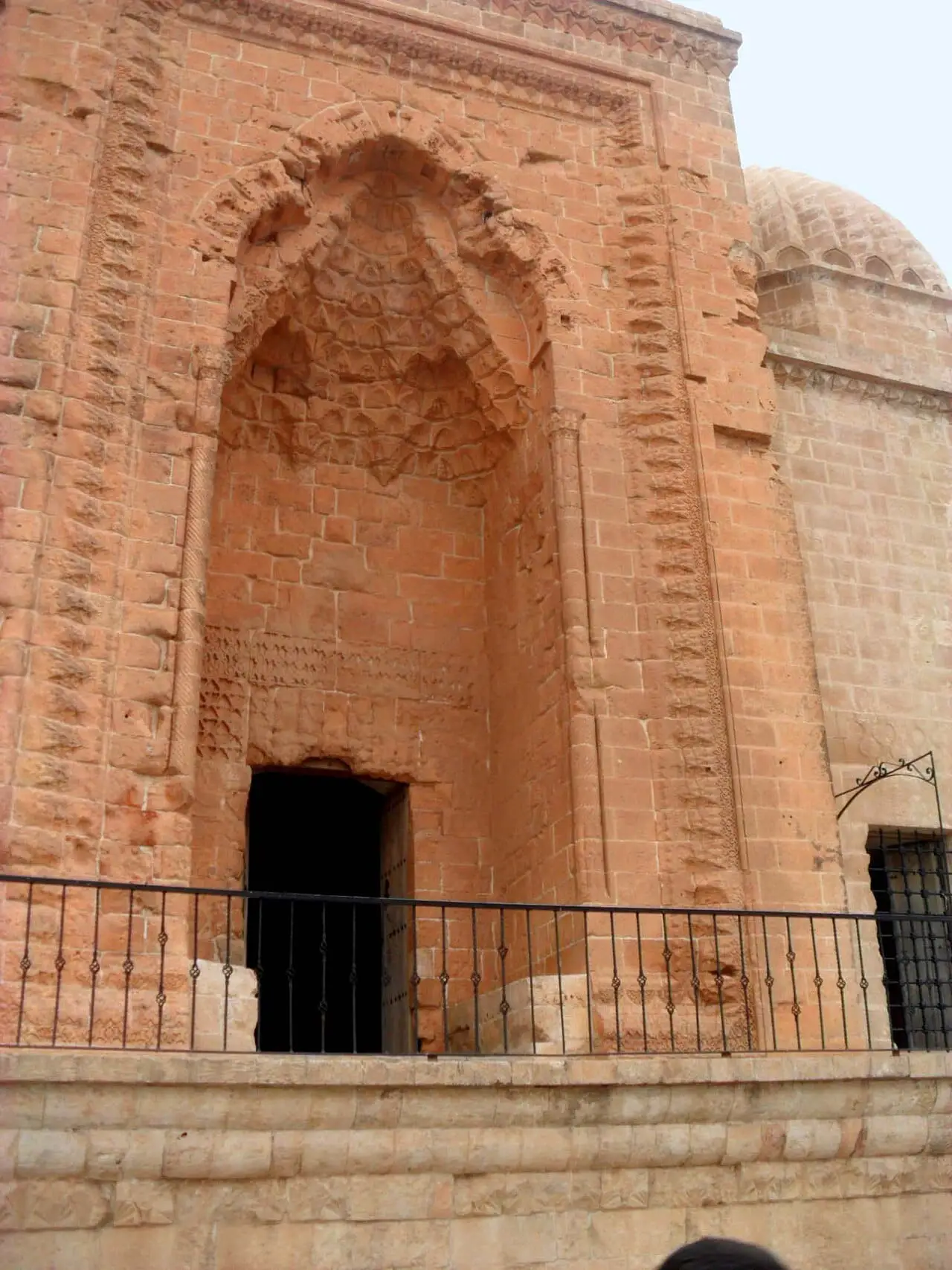
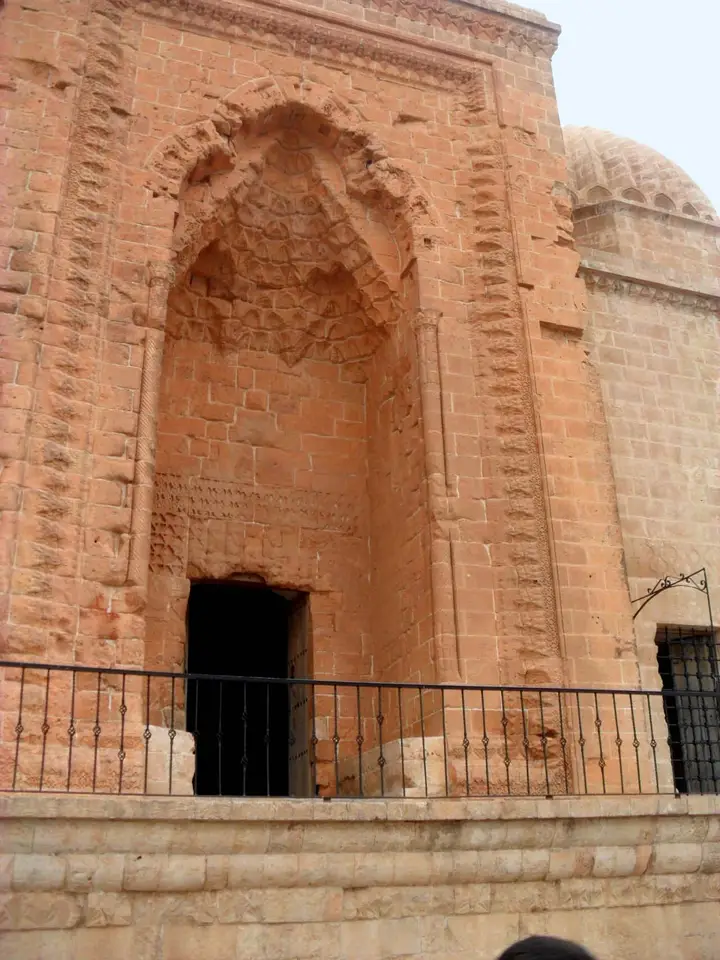
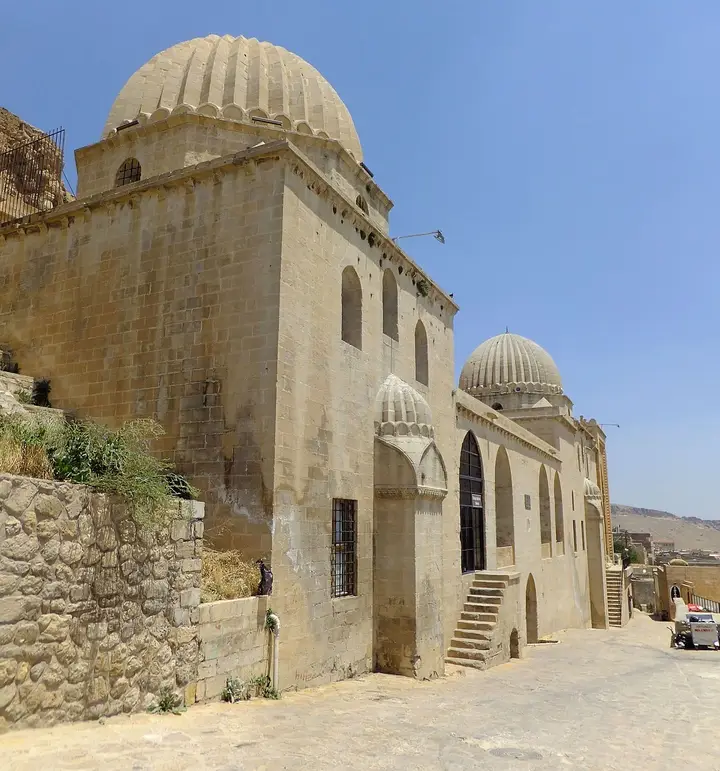
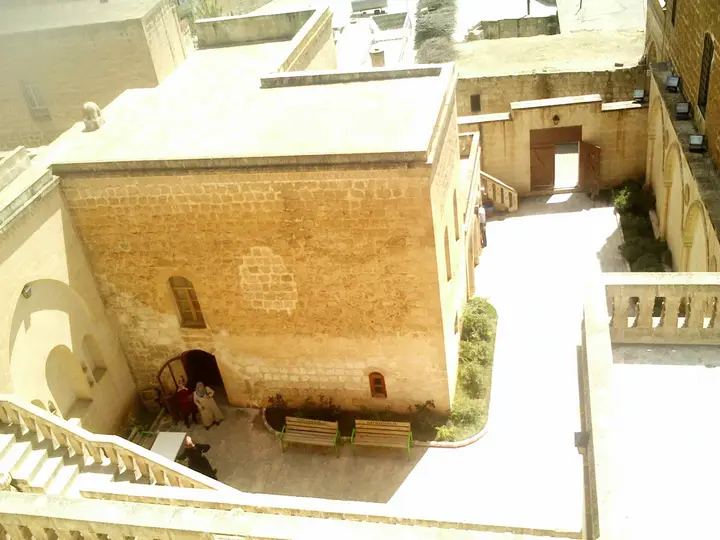
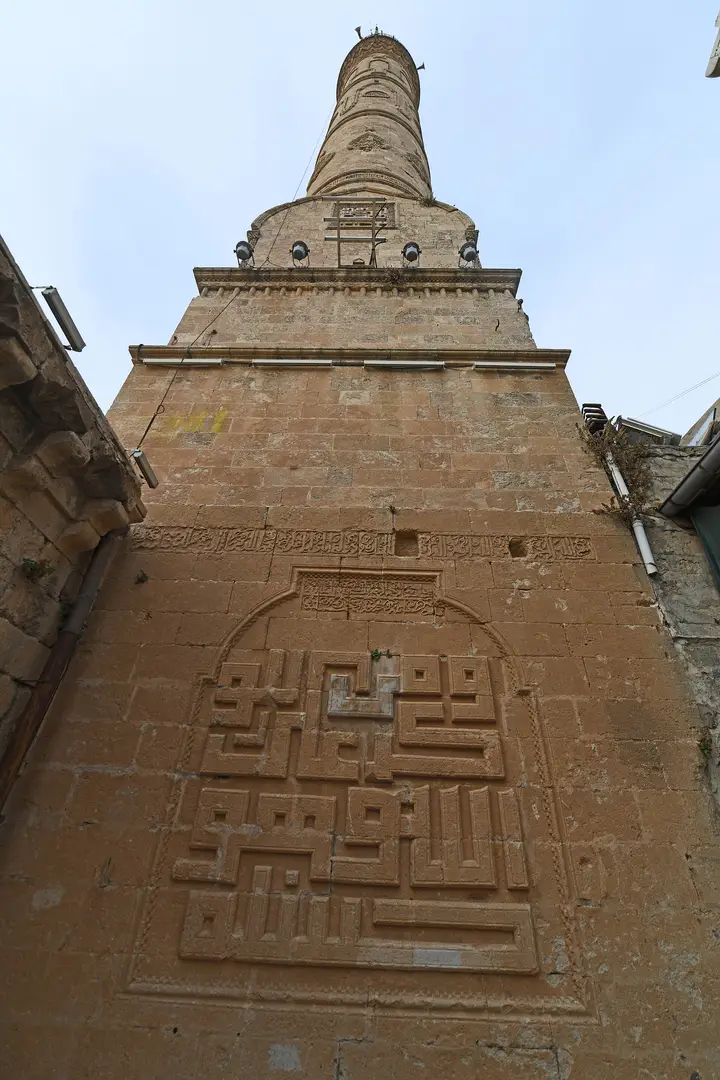
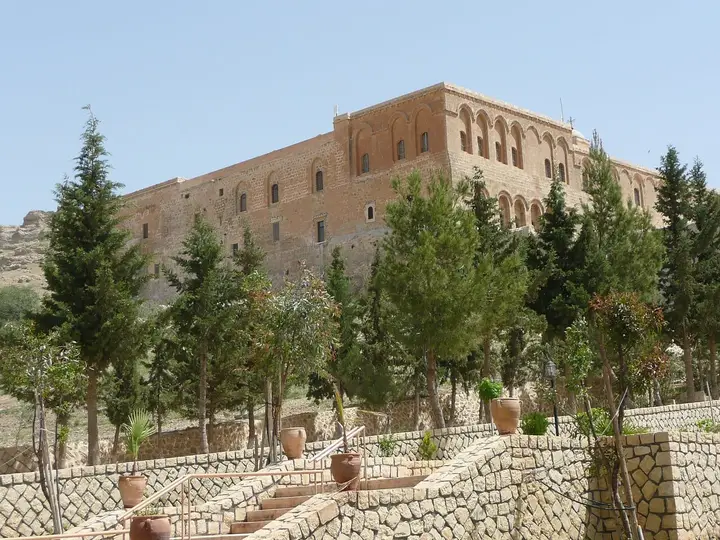
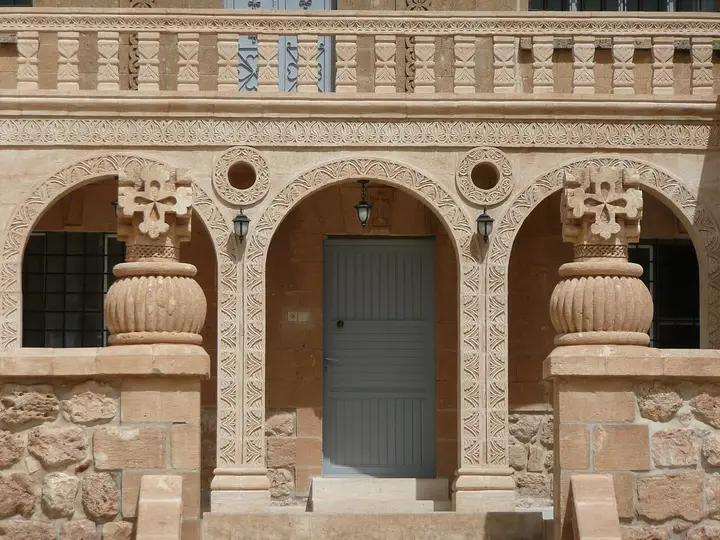
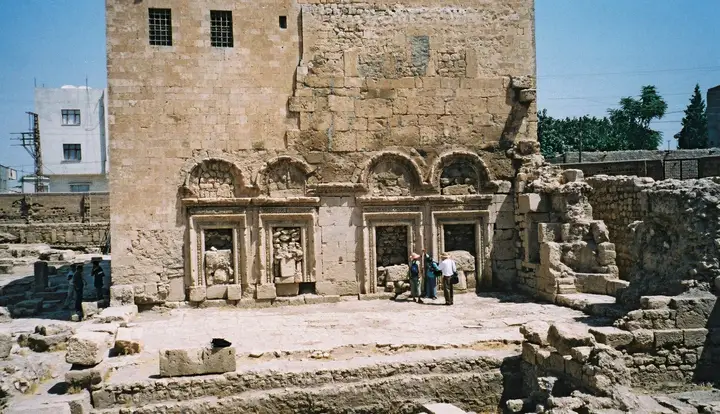
Mardin fell to the Artuqid Principality in 1103, and the Mardin branch of the Artuqids, founded by İlgazi Bey, made the city its capital; the Grand Mosque, the Sultan İsa (Zinciriye) Madrasa and the Kasımiye Madrasa are the masterpieces of this period and of the Aq Qoyunlu period that followed. Deyrulzafaran Monastery (5th century), 3 km east of the city, was for centuries the seat of the Syriac Orthodox Patriarchate. Mor Gabriel Monastery (397) in Midyat is the oldest surviving and still active Syriac Orthodox monastery in the world.
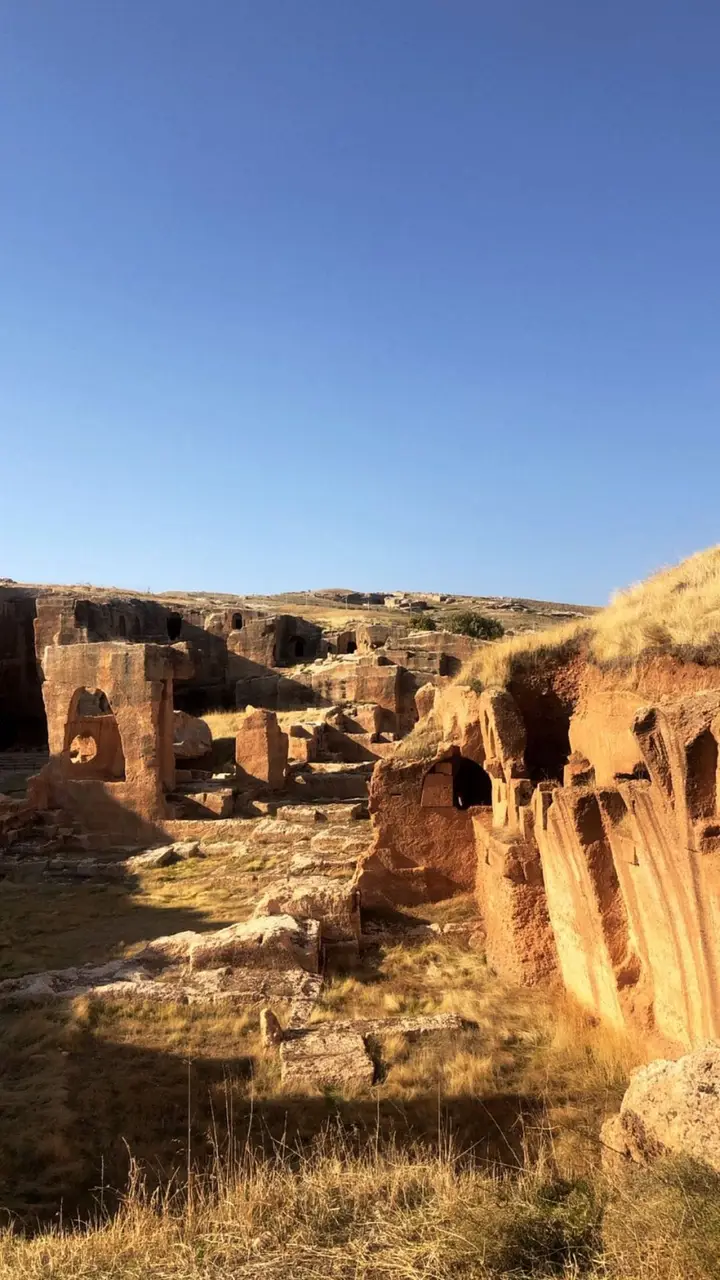
Dara, 30 km south-east of the city, was the great Byzantine fortress city on the Sasanian frontier; its rock-cut tombs and huge cisterns can be visited. Nusaybin (ancient Nisibis) was one of the most important centres of learning of Syriac Christianity in the 4th century. Mardin’s historic urban fabric is on the UNESCO World Heritage Tentative List.
When to Go
Mardin shows features of transition between a continental and a Mediterranean climate: summers are very hot and dry, and winters are cool and wet. Averages for 1940–2025 from the Turkish State Meteorological Service:
| Month |
Avg. high |
Avg. low |
Rainfall |
Rainy days |
| January |
5.9 °C |
0.7 °C |
114 mm |
12 |
| February |
7.4 °C |
1.5 °C |
102 mm |
11 |
| March |
11.7 °C |
4.7 °C |
98 mm |
12 |
| April |
17.5 °C |
9.9 °C |
81 mm |
10 |
| May |
24.0 °C |
15.1 °C |
46 mm |
7 |
| June |
30.7 °C |
20.4 °C |
6 mm |
1 |
| July |
35.1 °C |
24.6 °C |
3 mm |
<1 |
| August |
34.8 °C |
24.8 °C |
2 mm |
<1 |
| September |
30.2 °C |
20.9 °C |
4 mm |
1 |
| October |
22.9 °C |
14.7 °C |
34 mm |
5 |
| November |
14.6 °C |
8.2 °C |
72 mm |
8 |
| December |
8.2 °C |
3.0 °C |
108 mm |
11 |
The best times are April–May and September–October. In spring the Mesopotamian plain is bright green; in summer temperatures exceed 35 °C, although because the city stands high the nights are cooler than on the plain. It snows occasionally in winter, and the stone houses are very photogenic under snow.
How to Get to Mardin
By air: Mardin Prof. Dr. Aziz Sancar Airport (MQM) is on the Kızıltepe road, about 20 km from the city centre; there are flights from Istanbul and Ankara.
By road: Mardin is about 95 km from Diyarbakır and about 185 km from Şanlıurfa. Midyat is about 65 km away, and Hasankeyf (Batman) is reached via Midyat.
Mardin Area by Area
- Artuklu (historic centre): The stone houses at the foot of Mardin Castle, the Grand Mosque, the Zinciriye and Kasımiye madrasas, Şehidiye Mosque, the Church of the Forty Martyrs (Kırklar Kilisesi), Mardin Museum, Sakıp Sabancı Mardin City Museum, the Old Post Office and the bazaar; Deyrulzafaran Monastery, 3 km to the east.
- Midyat: Telkâri craftsmen, stone mansions and the guesthouse; Mor Gabriel Monastery and the surrounding Syriac villages (Tur Abdin).
- Nusaybin: Mor Yakup Church and ancient Nisibis.
- Dara (Artuklu): The Byzantine fortress city, necropolis and cisterns.
- Savur, Derik and Kızıltepe: The historic mansions of Savur, the olive groves of Derik and the red lentils of Kızıltepe.
Suggested Itineraries
Day 1 – Mardin old town: In the morning, views of the plain from the Kasımiye Madrasa, followed by the Zinciriye Madrasa, the Grand Mosque and the bazaar. In the afternoon, Mardin Museum and the City Museum; at sunset, views of Mesopotamia from a terrace.
Day 2 – Deyrulzafaran and Dara: Deyrulzafaran Monastery in the morning; in the afternoon, the rock-cut tombs and cisterns of Dara.
Day 3 – Midyat and Tur Abdin: The mansions and telkâri workshops of Midyat and Mor Gabriel Monastery; if there is time, a trip across to Hasankeyf.
Mardin Cuisine
Mardin cuisine is a rich one in which Arab, Syriac, Kurdish and Turkish cooking meet. The dishes with a registered geographical indication are Mardin kaburga dolması (lamb ribs stuffed with spiced rice), Mardin sembusek (thin-dough pastry with minced meat), Mardin kibe (tripe stuffed with rice and meat), Mardin ikbebet (bulgur kofte), Mardin imlebbes, Mardin alluciye (plum stew), Mardin firkiye, Mardin harire, Mardin ırok, Mardin incasiyye, Mardin kebabı, Mardin kiliçesi and Midyat tandır ekmeği (Midyat tandoor bread). The products are Mardin bulguru (Mardin bulgur), Kızıltepe kırmızı mercimeği (Kızıltepe red lentils), Derik halhalı zeytinyağı (Derik Halhalı olive oil), Midyat inciri (Midyat figs), Midyat kavunu (Midyat melons), Midyat zeynebi üzümü (Midyat Zeynebi grapes), Ömerli karfoki üzümü (Ömerli Karfoki grapes), Midyat acuru (Midyat acur cucumbers) and Midyat turşusu (Midyat pickles).
Handicrafts
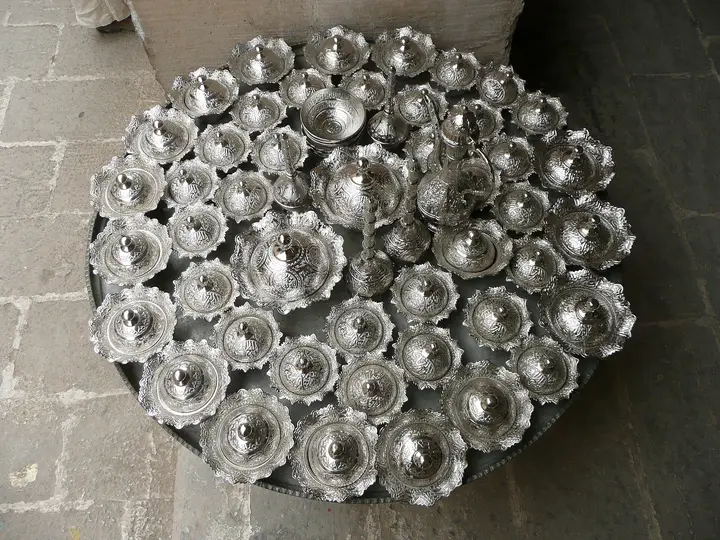
Midyat telkâri, made by working silver wires, is the best-known handicraft of the province and has a registered geographical indication; you can see its craftsmen at work in the Mardin bazaar and in Midyat. Mardin stone (Mardin taşı), the soft limestone from which the city’s houses were built, is also registered.
Practical Tips
- The old town is steep and stepped; it is hard to enter by car, so walk in comfortable shoes.
- The monasteries are places of worship; keep to the visiting hours and dress appropriately.
- When buying telkâri in Midyat, ask about the silver standard and try to tell handmade work from cast work.