7 places to visit in the Artuklu district of Mardin: Mardin Castle, Mardin Stone Houses and Old Town and Zinciriye (Sultan İsa) Madrasa. Plan your trip to Artuklu with local food, practical tips and transport information.

Share with friends

Artuklu is a district of Mardin province, with an area of 885 km² and a population of 198,718, at an altitude of 935 metres. Following Law No. 6360, passed by the Turkish Grand National Assembly on 12 November 2012, which abolished Mardin’s central district, Artuklu became a district and is effectively the centre of the province. The district contains religious buildings of artistic and historical value, including mosques, tombs, churches and monasteries, reflecting different faiths.

History

Located in Mesopotamia between the Euphrates and Tigris rivers, Artuklu is one of the oldest settlements in Upper Mesopotamia. From around 4500 BC it came under the rule of the Aramaean, Syriac, Subartu, Sumerian, Akkadian, Babylonian, Mitanni, Assyrian, Persian, Byzantine, Arab, Seljuk, Artuqid and Ottoman powers.

Geography

Artuklu lies in the Upper Mesopotamian basin of the Southeastern Anatolia Region, where oak woodlands can be found in the higher parts of the Mardin mountains. Its climate combines features of the Mediterranean and continental climates: summers are very hot and dry, and winters are rainy and cold.

Architecture

The district’s dressed-stone houses are notable and are typical examples of Syriac and Arab architecture.

History and Culture

The houses, mosques and madrasas, which are examples of Syriac and Arab architecture, look like an open-air museum. Turks, Arabs, Kurds, Syriacs and Armenians live in Artuklu.

Last updated:
Places to Visit in Artuklu

  • 4 Historic
  • 1 Religious
  • 2 Cultural
Historic

Mardin Castle

An impressive castle structure on a hill overlooking the district.

View on map
Cultural

Mardin Stone Houses and Old Town

Houses built with dressed stone masonry, typical examples of Syriac and Arab architecture, together with the mosques and madrasas of Islamic architecture, form an open-air museum.

View on map
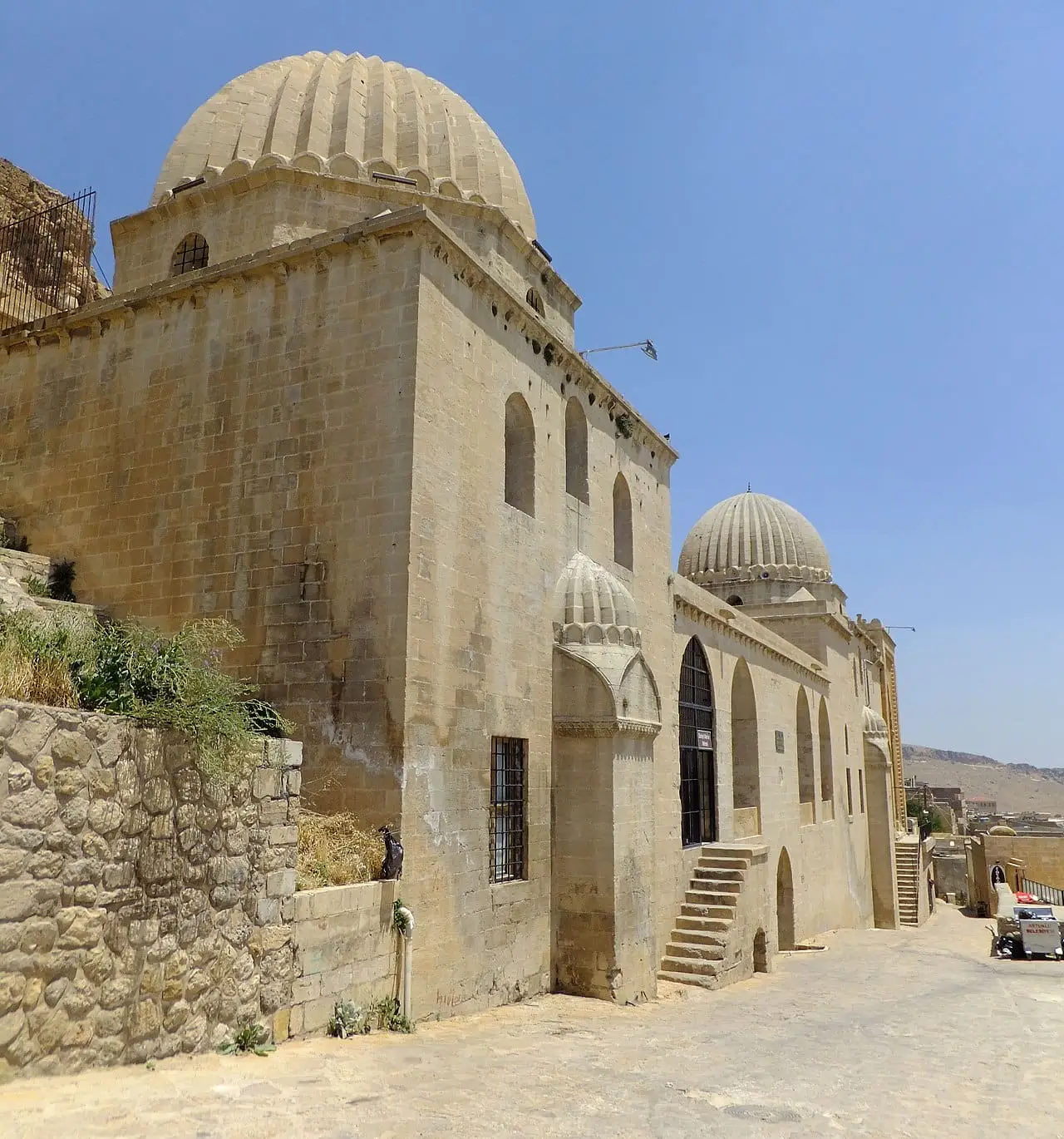
Zinciriye (Sultan İsa) Madrasa - Artuklu Photo: R Prazeres (CC BY-SA 4.0) · Source
Historic

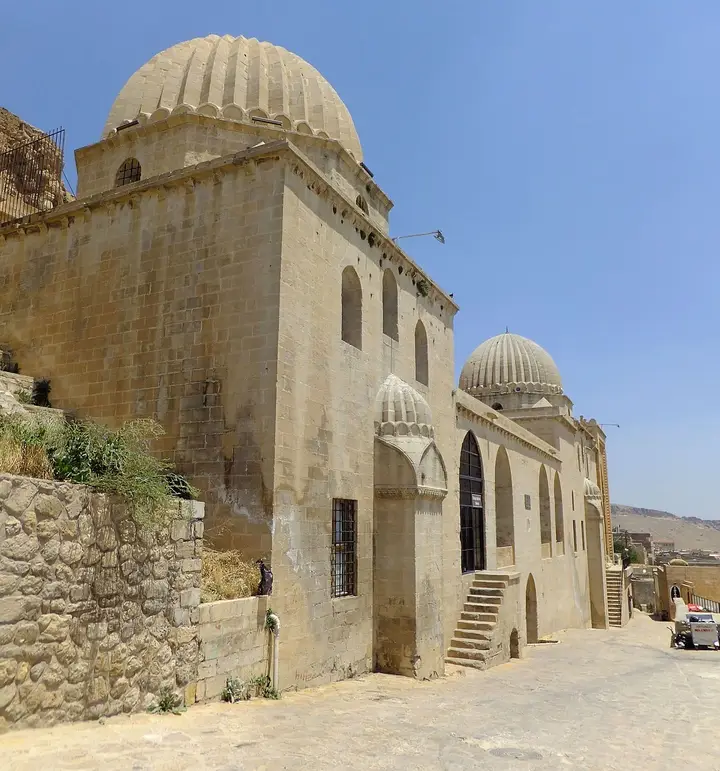
Zinciriye (Sultan İsa) Madrasa

Built in 1385 by Artuqid Sultan Melik Necmeddin İsa, the madrasa is one of the masterpieces of Artuqid architecture. It stands out for its stonework and geometric decoration.

View on map
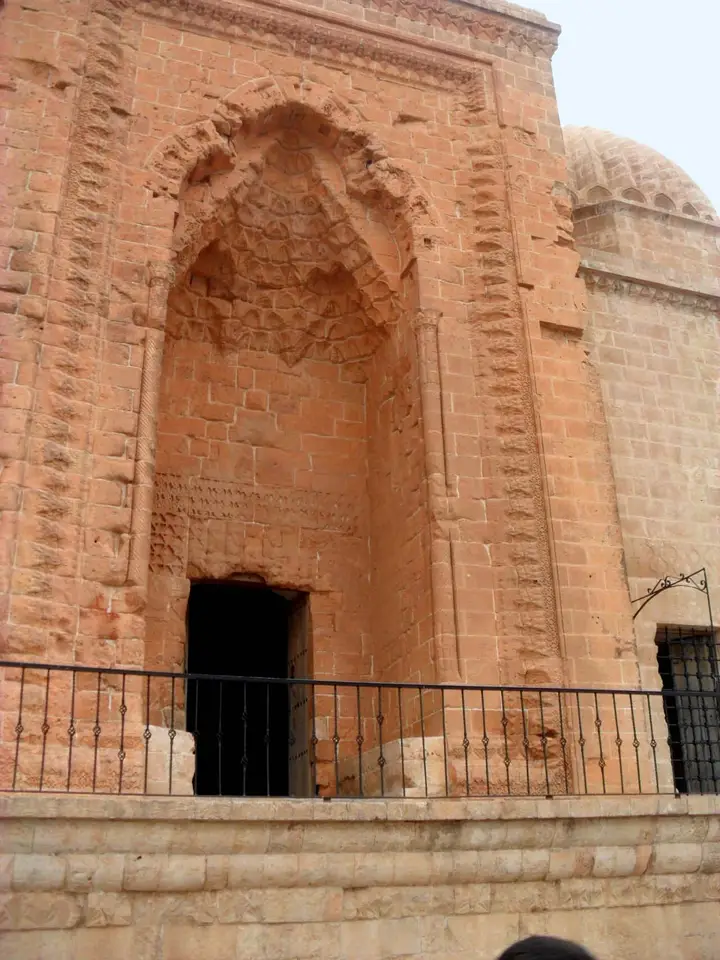
Kasımiye Madrasa - Artuklu Photo: Nedim Ardoğa (CC BY-SA 3.0) · Source
Historic

Kasımiye Madrasa

Built in the 15th century during the Aq Qoyunlu period, the madrasa is one of the most impressive buildings in Mardin, with its two-storey courtyard and pool.

View on map
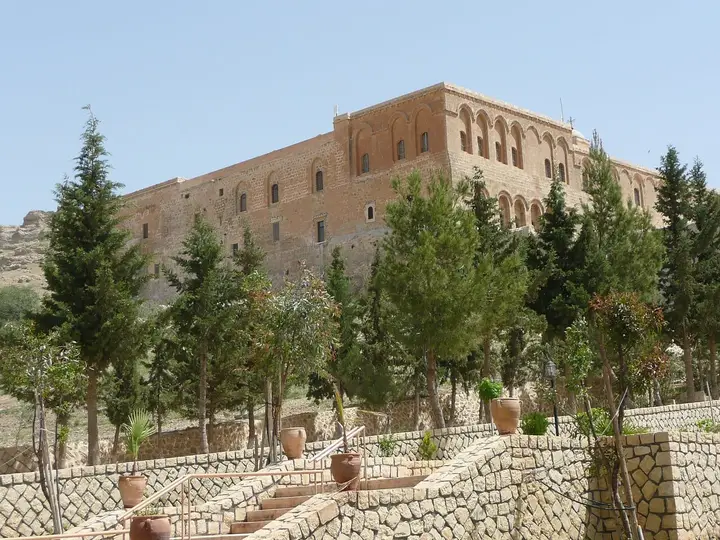
Deyrulzafaran Monastery - Artuklu Photo: Nevit Dilmen (CC BY-SA 3.0) · Source
Religious

Deyrulzafaran Monastery

A Syriac Orthodox monastery founded in AD 493. From 1160 to 1932 it was the seat of the Syriac Orthodox Patriarchate, and it still operates as an active monastery.

View on map
Historic

Artuklu Caravanserai

Built as a caravanserai in 1275, later used as a school, monopoly office and bakery, and today serving as a hotel.

View on map
Cultural

Cut-stone houses

The traditional houses built of dressed stone that are a notable feature of the district.

View on map

Places to Visit Around Mardin Province

See all →

While you are in Artuklu, you can also see the highlights of Mardin province. These places are in other districts.

  • Mardin Stone Houses — Historic houses with courtyards and arches, built of soft limestone Mardin stone, descending step by step from the foot of the castle towards the Mesopotamian plain; the city's skyline is on the UNESCO World Heritage Tentative List.
  • Mardin Grand Mosque — A mosque built in the Artuqid period, whose ribbed dome is an example of Mardin architecture; its present minaret was built in 1888–1889 on a square base.
  • Mor Gabriel Monastery — Founded in 397 on the Tur Abdin plateau near the village of Güngören in Midyat, this is the oldest surviving and still active Syriac Orthodox monastery in the world; it is famous for its mosaics and domed churches.
  • Dara Ancient City — A Byzantine fortress city on the Sasanian frontier, 30 km south-east of Mardin; it was the scene of the Roman–Persian wars of 530–604. A rock-cut necropolis, huge water cisterns and the remains of the city walls can be visited.
  • Midyat Mansions — Syriac and Muslim mansions with carved stone decoration in the old town of Midyat; visitors see the Midyat Guesthouse (Konuk Evi) and the telkâri workshops.
  • Mor Yakup Church (Nusaybin) — A church from the 4th century in Nusaybin, thought to have been the baptistery of a cathedral that no longer exists.

Practical Information for Visiting Artuklu

Suggested time
2–3 days
Best time to visit
Spring and autumn months (April–June, September–November)
Places to visit
7 places

What to Eat in Artuklu

Food guide →
  • Kaburga Dolması (stuffed lamb ribs)

    Lamb ribs are filled with a mixture of rice, almonds and spices, then baked in an oven. It is the best-known dish of Mardin.

  • İçli Köfte (stuffed bulgur balls)

    A fine bulgur dough is filled with a mixture of minced meat, onion and spices, then either boiled or fried.

  • Sembusek (Mardin pastry)

    A traditional Mardin pastry: thin dough filled with minced meat or cheese, folded into a triangle and fried.

Culture, Local Products and Economy of Artuklu

  • Multicultural Heritage

    Mardin has historically been a multicultural city where Muslim, Christian and Jewish communities lived side by side. Mosques, churches and monasteries stand next to each other.

  • Artuqid Heritage

    The district takes its name from the Artuqid principality, which ruled in Mardin between the 12th and 15th centuries. The Artuqids built important structures such as madrasas, mosques and caravanserais.

Local Products

  • Mardin Sabunu (Mardin soap) — Mardin soap, made using traditional methods from olive oil and bıttım (terebinth) oil, is a natural skincare product.
  • Mardin Stonework — Ornaments and architectural details made from Mardin's honey-coloured stone, which continue as a traditional craft.

Economy

Artuklu is the central district of Mardin. Tourism, trade and the service sector are the main economic activities. Cultural tourism is developing rapidly thanks to the historic fabric.

How to Get to Artuklu

Artuklu is part of Mardin city centre. Mardin Airport is 20 km away. There are air connections to Istanbul, Ankara and other major cities.

Get directions on Google Maps Getting to Mardin

Artuklu: Frequently Asked Questions

What are the places to see in Artuklu?

The 7 highlights of Artuklu are: Mardin Castle, Mardin Stone Houses and Old Town, Zinciriye (Sultan İsa) Madrasa, Kasımiye Madrasa, Deyrulzafaran Monastery, Artuklu Caravanserai and Cut-stone houses.

What to eat in Artuklu?

Kaburga Dolması, İçli Köfte and Sembusek are the standout dishes on Artuklu's tables.

What is Artuklu famous for?

Artuklu is known for Mardin Soap and its multicultural heritage. Mardin soap, made with traditional methods from olive oil and bıttım oil, is a natural skincare product.

How do I get to Artuklu?

Artuklu is part of Mardin city centre. Mardin Airport is 20 km away. There are air connections to Istanbul, Ankara and other major cities.

How much time should I set aside for a visit to Artuklu?

Suggested visit length: 2–3 days. Best time to visit: spring and autumn months (April–June, September–November).

Continue Your Trip

Other Districts of Mardin

Search 81 province guides and 968 district guides.