Dargeçit Castle
Castle ruins on a hill in the district centre, dating from the Roman and Byzantine periods. Excavations at the foot of the castle have uncovered pottery fragments from various periods.
View on map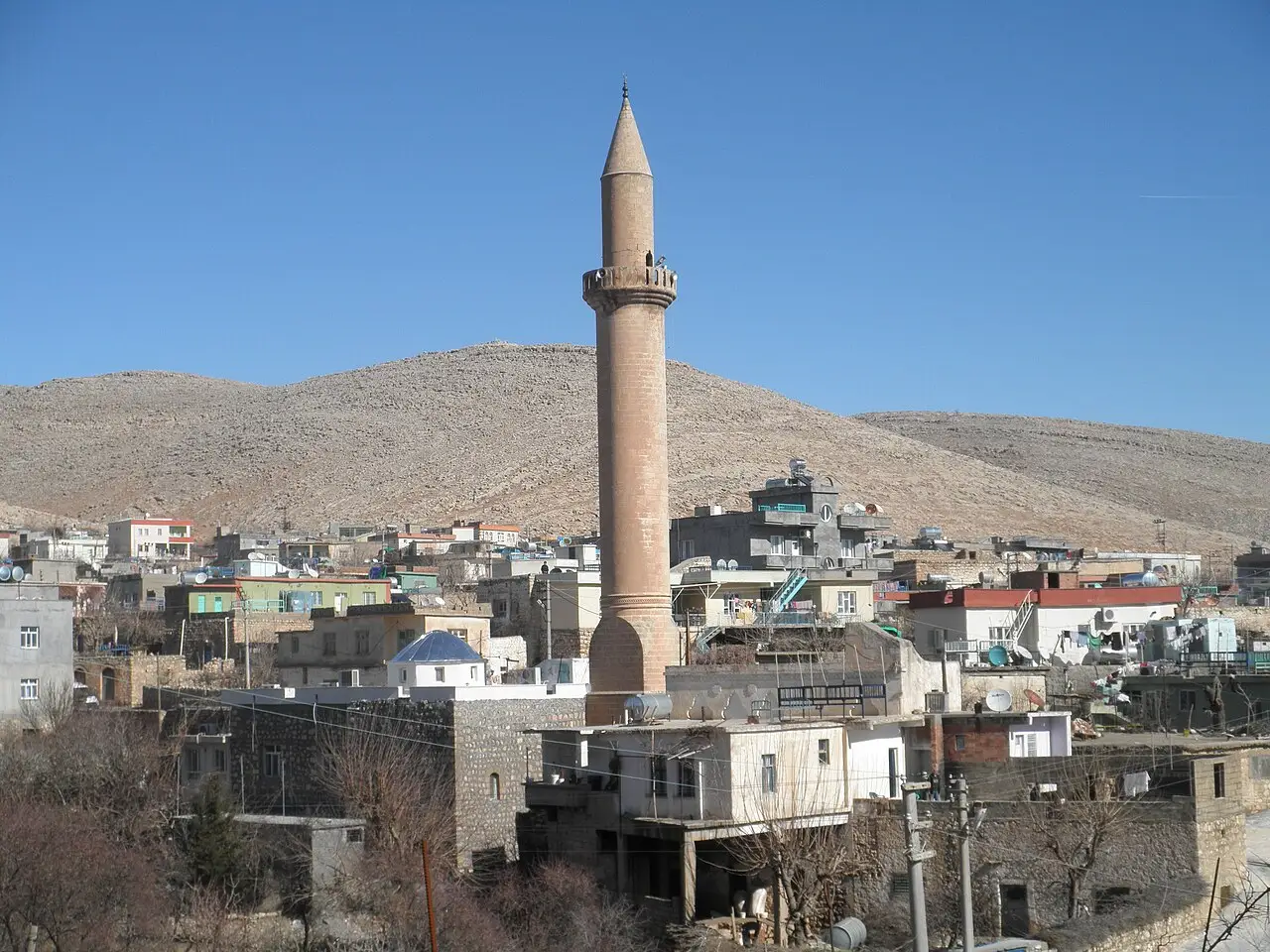 Photo: Gomada (CC BY-SA 3.0) · Source
 3 places to visit in the Dargeçit district of Mardin: Dargeçit Castle, Tigris Valley Views and Mor Kuruyakos Church (Kerboran). Plan your trip to Dargeçit with local food, practical tips and transport information.
Dargeçit is a district of Mardin province, with an area of 519 km² and a population of 26,675, at an altitude of 895 metres. It gained municipal status on 30 December 1985 as a town, and in 1987 it separated from Midyat district and became a district.
In the past Dargeçit was known by names such as Kher-Boran, Kfar-Boran, Kerburan and Kerboran. In the 4th century AD, under Sasanian rule, Dargeçit and its region encountered Christianity. The first settlers are said to have been a family known as the Mardokelis.
The average altitude of the district centre above sea level is 901 metres. To the east lies Güçlükonak district of Şırnak province; to the west Midyat; to the north Gercüş in Batman province; and to the south İdil district of Şırnak province. The Tigris River passes 10–12 km from the district, near Ilısu village.
The district has a continental climate: summers are hot and dry, and winters are cold and rainy. Winds usually blow from the east and south-east.
The first settlers of Dargeçit are said to have been a Syriac family called the Mardokelis. In history, Dargeçit was a multi-faith place where Muslims, Christians and Yazidis lived together. Dargeçit separated from Midyat in 1987 and became a district.
Last updated:
Castle ruins on a hill in the district centre, dating from the Roman and Byzantine periods. Excavations at the foot of the castle have uncovered pottery fragments from various periods.
View on mapDargeçit's location near the Tigris River valley offers natural beauty. This natural area, which reflects the region's ecological diversity, attracts nature lovers.
View on mapA Syriac church in Kerboran, which is stated to be open.
View on mapWhile you are in Dargeçit, you can also see the highlights of Mardin province. These places are in other districts; Dargeçit is about 80 km from the provincial centre.
A fine bulgur dough is filled with a mixture of minced meat and spices, then boiled.
Lamb ribs are filled with a mixture of rice and spices, then baked in an oven.
Dargeçit is a district that keeps alive the traditional village culture of Southeastern Anatolia. This tradition is passed down through the generations as an important element of local cultural identity.
Dargeçit's economy is based on agriculture and livestock farming. Wheat, barley and lentils are the main agricultural products.
Dargeçit is 80 km from Mardin city centre. Access is by road.
The 3 highlights of Dargeçit are: Dargeçit Castle, Tigris Valley Views and Mor Kuruyakos Church (Kerboran).
İçli Köfte and Kaburga Dolması are the standout dishes on Dargeçit's tables.
Dargeçit is known for Wheat and its Traditional Life. Wheat grown on Dargeçit's farmland is the district's main agricultural product.
Dargeçit is 80 km from Mardin city centre. Access is by road.
Suggested visit length: half a day. Best time to visit: spring and autumn months.