Mor Yakup Monastery
The Syriac Orthodox monastery founded in the 4th century AD is Nusaybin's most important historic structure. Also known as the Nusaybin Academy, it was one of the leading educational centres of the ancient world.
View on map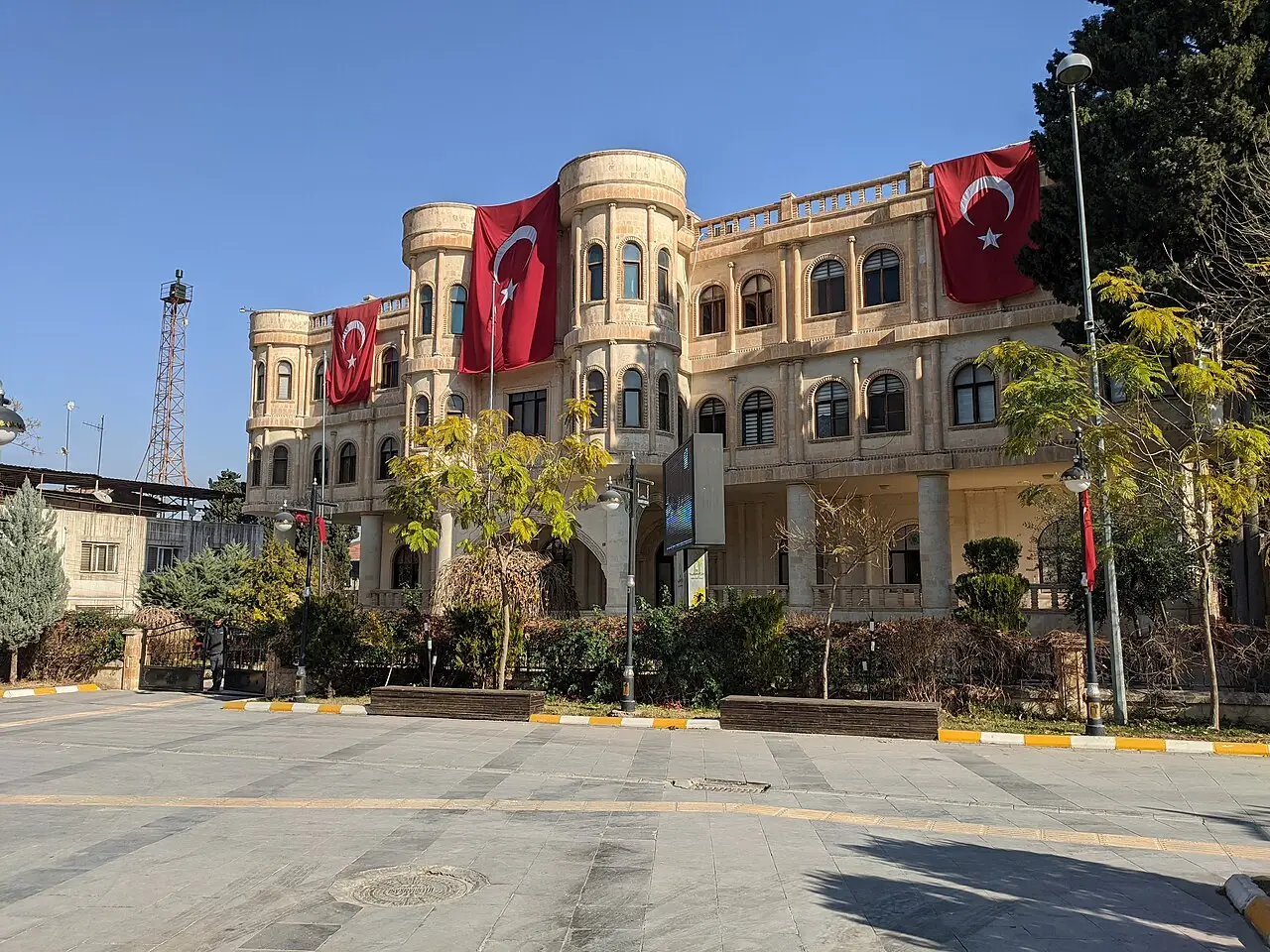 Photo: Oystercard (CC BY-SA 4.0) · Source
 5 places to visit in the Nusaybin district of Mardin: Mor Yakup Monastery, Nusaybin Ancient City and Zeynelabidin Mosque Complex. Plan your trip to Nusaybin with local food, practical tips and transport information.
Nusaybin is a district of Mardin province, set on a plain on the Syrian border next to Qamishli. Located on the Silk Road, it lies between the Tigris and Euphrates rivers, in the north of historic Mesopotamia.
The district was founded by the Subartu around 4500 BC, and around 3000 BC it was named Nırbo by the Sumerian king Lugazakis. Throughout its history it was the largest city of Upper Mesopotamia, and it passed under the rule of many civilisations, including the Sumerians, Akkadians, Babylonians, Mitanni, Assyrians, Medes, Persians and Romans.
The district covers 1,079 km². The average altitude of the district centre above sea level is 475 metres. According to tradition, Mount Cudi to the east is where Noah’s Ark came to rest.
From around AD 150 onwards, churches and monasteries began to be built in Nusaybin and its surroundings. Mor Yakub began his life as a priest in a monastery near Nusaybin in the mid-3rd century AD.
The earliest known name of Nusaybin is Nisibis. In the 5th century AD, Nusaybin became an important religious centre of the Nestorians. Nusaybin was incorporated into Ottoman lands during Yavuz Sultan Selim’s Egyptian campaign (1517). According to the Arabic inscription on the tomb gate of the Zeynelabidin Mosque Complex, the building was constructed in the year 553 AH.
Last updated:
The Syriac Orthodox monastery founded in the 4th century AD is Nusaybin's most important historic structure. Also known as the Nusaybin Academy, it was one of the leading educational centres of the ancient world.
View on mapNusaybin, whose ancient name was Nisibis, had strategic importance as a border city between the Roman and Sasanian empires. The ancient city's remains are found in the district centre.
View on mapIn the district centre, a complex made up of a mosque, minaret, two tombs, şadırvan (ablution fountain), madrasa rooms and a cemetery area.
View on mapThe Mor Yakup Church (Monastery), dating from the 4th century.
View on mapWhile you are in Nusaybin, you can also see the highlights of Mardin province. These places are in other districts; Nusaybin is about 55 km from the provincial centre.
Fine bulgur dough wrapped around a filling of minced meat and spices, then boiled. Made with seasonal ingredients, the dish offers a different flavour in every season.
Lamb ribs stuffed with rice and spices, then baked in the oven. It can be tasted in its most authentic form at local markets and home restaurants.
Counted among the most widely produced agricultural products in the district.
The Nusaybin Academy (Nisibis Academy) was one of the most important centres of Christian education between the 4th and 7th centuries AD. Theology, philosophy and medicine were taught there.
Nusaybin's economy is based on agriculture and trade. Due to its location on the Syrian border, border trade is an important source of income.
Nusaybin is 55 km from Mardin city centre. It lies on the Syrian border.
The 5 highlights of Nusaybin are: Mor Yakup Monastery, Nusaybin Ancient City, Zeynelabidin Mosque Complex, Mor Yakup Church (Monastery) and Gırnavas Mound.
İçli Köfte, Kaburga Dolması, and wheat, barley, lentils and cotton are the standout items on Nusaybin's tables.
Nusaybin is known for wheat and the Nusaybin Academy heritage. Wheat grown on the Nusaybin plain is the district's main agricultural product.
Nusaybin is 55 km from Mardin city centre. It lies on the Syrian border.
Suggested visit length: half a day. Best time to visit: spring and autumn.