Mazıdağı is a district 47 kilometres north-west of Mardin province and covers an area of 850 square kilometres. The district is known for its history, which goes back to the Sumerians, and during the Assyrian–Urartian period it was called Isala. Known by its former name Şamrah, the district was established on 9 June 1937.
History and Culture
The district has Awrihan caves, in use since the Stone Age. Dermetinan Castle and the tombs of Sultan Şeyhmus and Pir Hattap are the district’s main places to visit. Next to Şamrah Castle, in Gümüşyuva village, there is a silver mine that was operated by the Byzantines.
Geography
The average elevation of the district centre is 1,047 metres above sea level. In dry seasons the Karaçay is of vital importance.
Economy
Tobacco growing, beekeeping, viticulture and farming are the district’s main sources of livelihood. Phosphate facilities play an important role in the district’s economy; the phosphate deposits of Mazıdağı make up 86 per cent of Türkiye’s phosphate deposits.
History and Culture
Mazıdağı was given district status in 1937. The district’s former name was Şamrah, which comes from its location on the caravan route from Diyarbakır to Damascus. Handicrafts have long been an important economic asset, and efforts are being made to revive these activities.
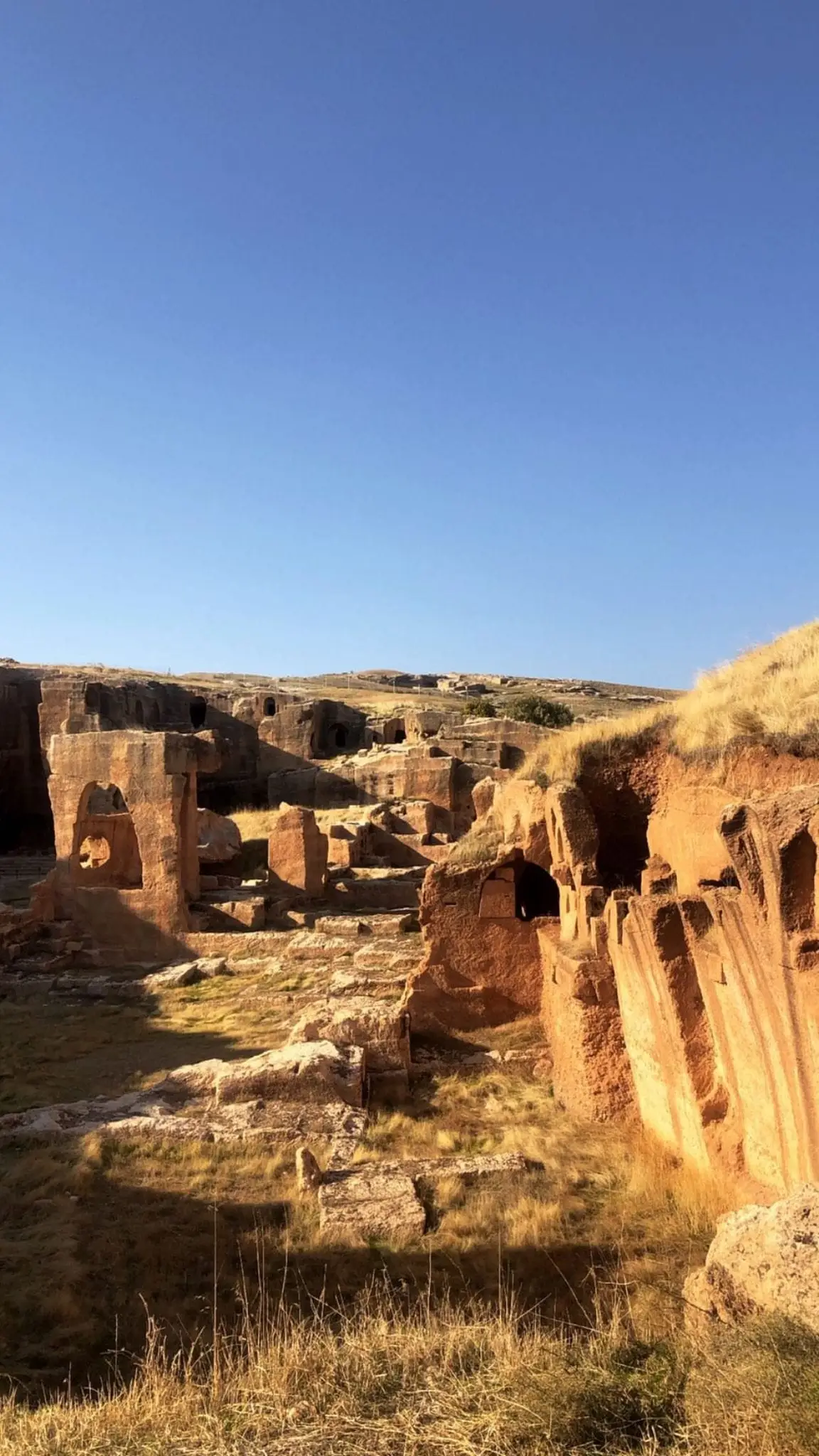
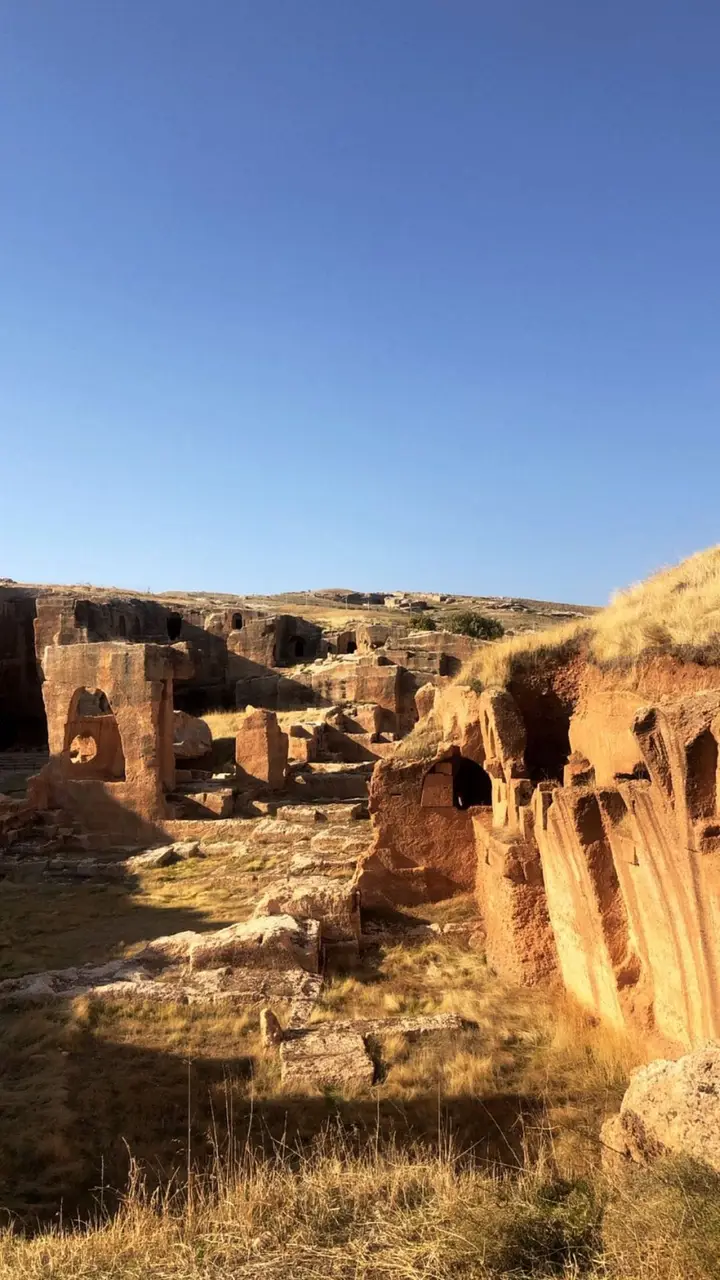 Photo: Sedefdavutoglu (CC BY-SA 4.0) · Source