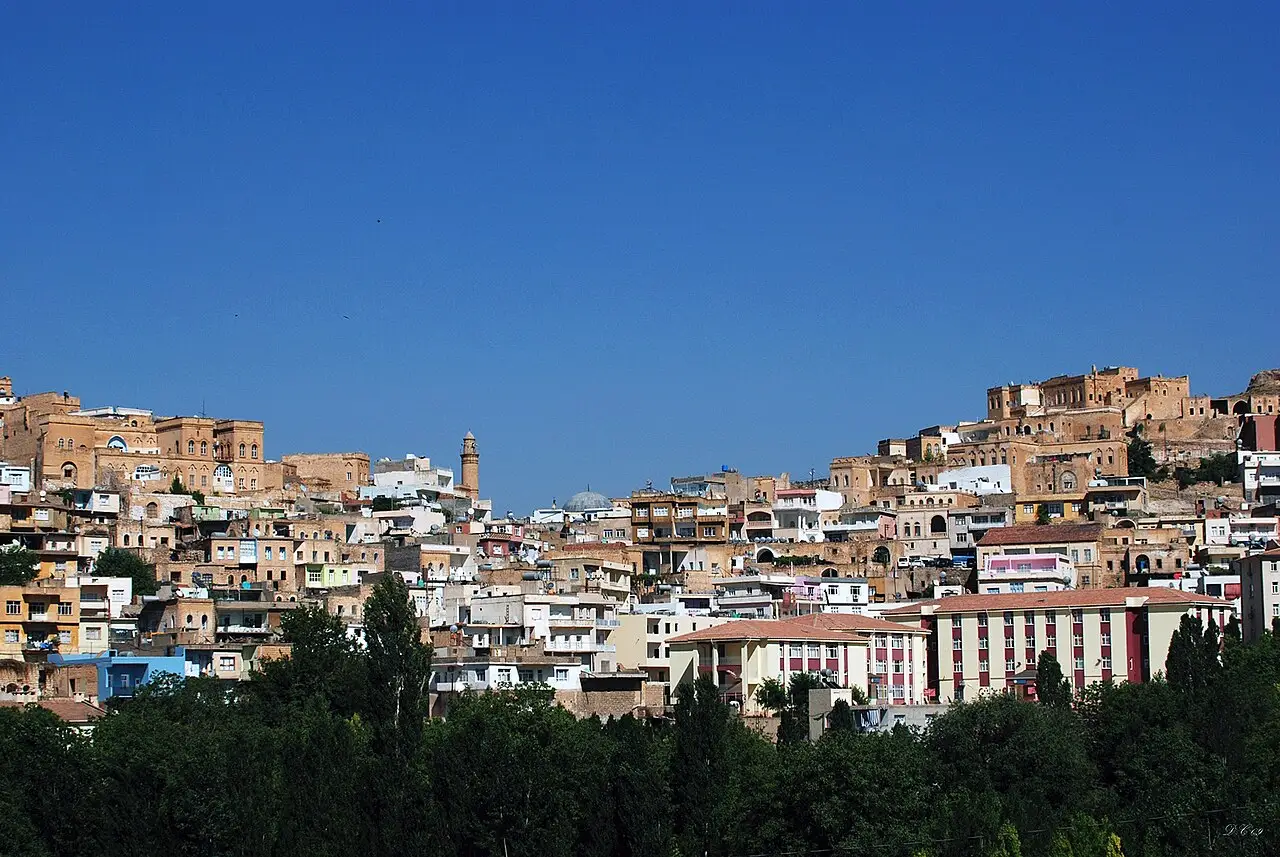
3 places to visit in the Savur district of Mardin: Savur Castle, Savur Stone Houses and Historic Fabric of Savur Centre. Plan your trip to Savur with local food, practical tips and transport information.

Share with friends

Savur is a district of Mardin province. Its name comes from the Syriac word “savro”, meaning neck. Savur is the hometown of Aziz Sancar, the Nobel Prize-winning scientist.

History

The history of the district goes back to the Hittites. The district of Savur, with its centre, castle, rock houses, the old Grand Mosque and its tombs, has a historic appearance.

Geography

The district covers an area of 962 square kilometres. The average elevation of the district centre is 876 metres above sea level.

Economy

Poplar growing, grain cultivation, viticulture and vegetable growing are the main sources of income. The region’s only wine factory is currently idle.

History and Culture

Savur came under the rule of the Artuqids in the 12th century. Savur was incorporated into the Ottoman state during the reign of Yavuz Sultan Selim and gained district status in 1884. The history of the district goes back to the Etians.

Last updated:

Places to Visit in Savur

  • 2 Historic
  • 1 Cultural
Historic

Savur Castle

The castle that forms the historic look of Savur district centre.

View on map
Cultural

Savur Stone Houses

Rock houses that reflect the architecture of the district of Savur.

View on map
Historic

Historic Fabric of Savur Centre

A historic-looking district centre with its castle, rock houses, the old Grand Mosque, churches and Başkavak Bridge.

View on map

Places to Visit Around Mardin Province

See all →

While you are in Savur, you can also see the highlights of Mardin province. These places are in other districts; Savur is about 40 km from the provincial centre.

  • Mardin Stone Houses — Historic houses with courtyards and arches, built of soft limestone Mardin stone, descending step by step from the foot of the castle towards the Mesopotamian plain; the city's skyline is on the UNESCO World Heritage Tentative List.
  • Kasımiye Madrasa — A madrasa begun in the Artuqid period and completed at the end of the 15th century under the Aq Qoyunlu Sultan Kasım ibn Cihangir; with its two-storey arcaded courtyard and pool, it was one of the most important centres of learning in the region.
  • Zinciriye (Sultan İsa) Madrasa — A madrasa built at the end of the 14th century by the Artuqid Sultan Melik Necmeddin İsa and one of the best-known buildings of the old city, with its ribbed domes and rich portal; the terrace offers views over the plain.
  • Mardin Grand Mosque — A mosque built in the Artuqid period, whose ribbed dome is an example of Mardin architecture; its present minaret was built in 1888–1889 on a square base.
  • Deyrulzafaran Monastery — A Syriac Orthodox monastery built in the 5th century, 3 km east of Mardin; for a long time it served as the seat of the patriarchate.
  • Mor Gabriel Monastery — Founded in 397 on the Tur Abdin plateau near the village of Güngören in Midyat, this is the oldest surviving and still active Syriac Orthodox monastery in the world; it is famous for its mosaics and domed churches.

Practical Information for Visiting Savur

Suggested time
Half a day
Best time to visit
Spring and autumn
Places to visit
3 places

What to Eat in Savur

Food guide →
  • İçli Köfte (bulgur balls stuffed with spiced mince)

    Thin bulgur dough is wrapped around a filling of minced meat and spices, then boiled. Prepared by local people on special occasions, this dish is a symbol of hospitality.

  • Sembusek (triangular pastry)

    A traditional pastry made by folding thin dough around minced meat or cheese into a triangle shape and frying it. Prepared by local people on special occasions, this dish is a symbol of hospitality.

Culture, Local Products and Economy of Savur

  • Stone House Culture

    Savur keeps alive the stone house architecture and traditional way of life, as a small-scale reflection of Mardin.

Local Products

  • Pekmez — Grape molasses is produced in Savur using traditional methods.

Economy

The economy of Savur is based on farming and livestock. Wheat, barley and grapes are the main agricultural products.

How to Get to Savur

Savur is 40 km from Mardin city centre. Transport is by road.

Get directions on Google Maps Getting to Mardin

Savur: Frequently Asked Questions

What are the places to see in Savur?

The highlights of Savur are 3 sites: Savur Castle, Savur Stone Houses and the historic fabric of Savur centre.

What to eat in Savur?

İçli Köfte and Sembusek are the standout dishes on Savur tables.

What is Savur famous for?

Savur is known for Pekmez and Stone House Culture. Grape molasses is produced in Savur using traditional methods.

How do I get to Savur?

Savur is 40 km from Mardin city centre. Transport is by road.

How long should I spend in Savur?

Suggested visit: half a day. Best time to visit: spring and autumn.

Continue Your Trip

Other Districts of Mardin

Search 81 province guides and 968 district guides.