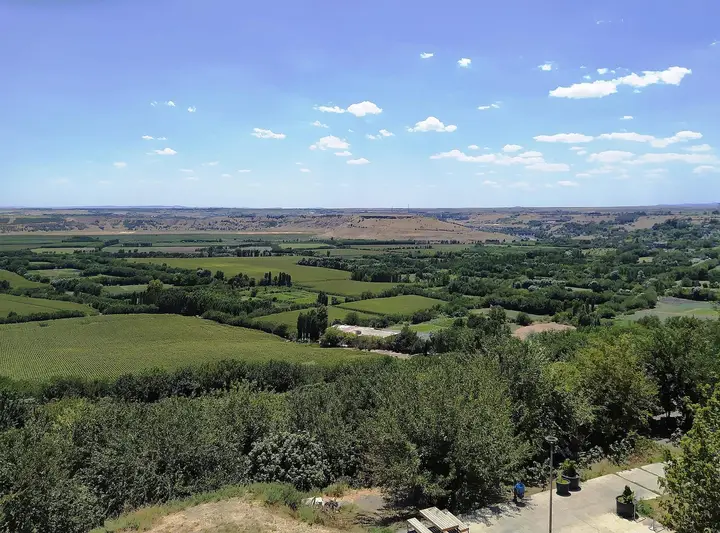
Getting to Know Diyarbakır
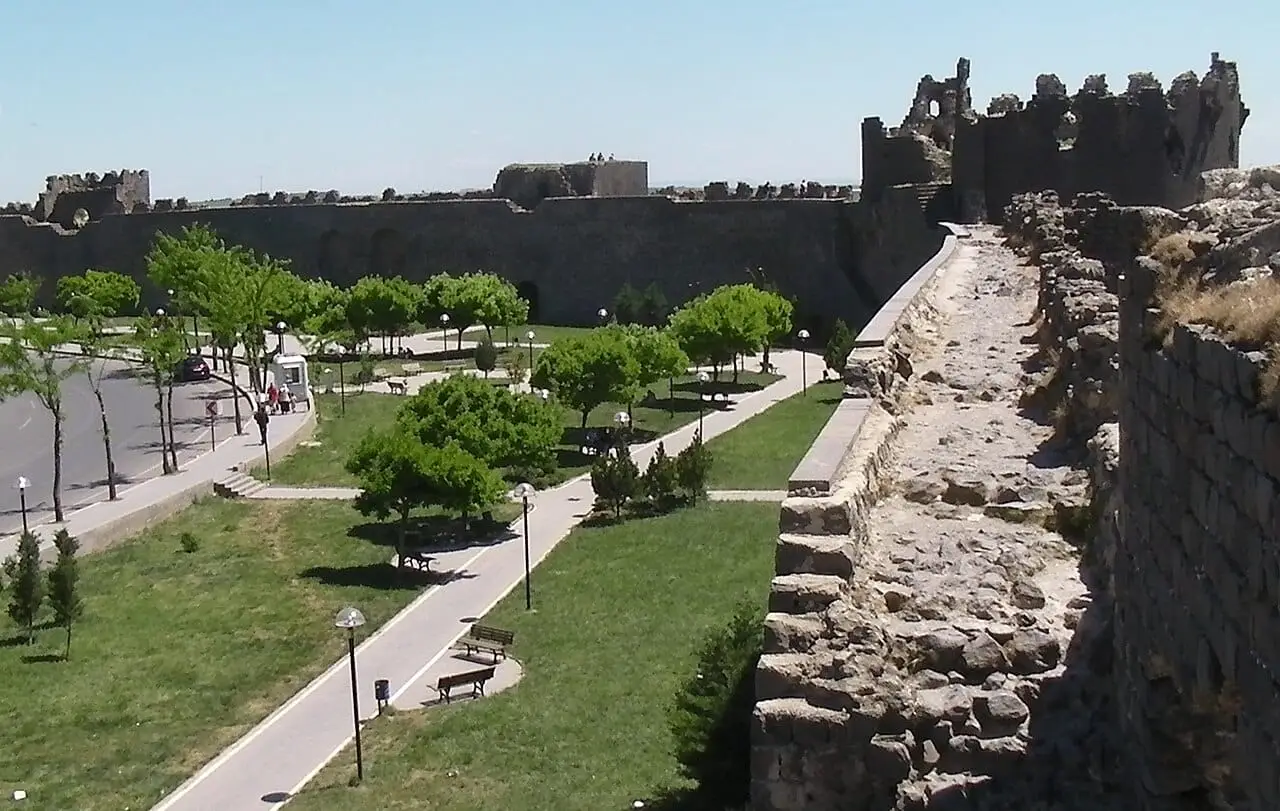
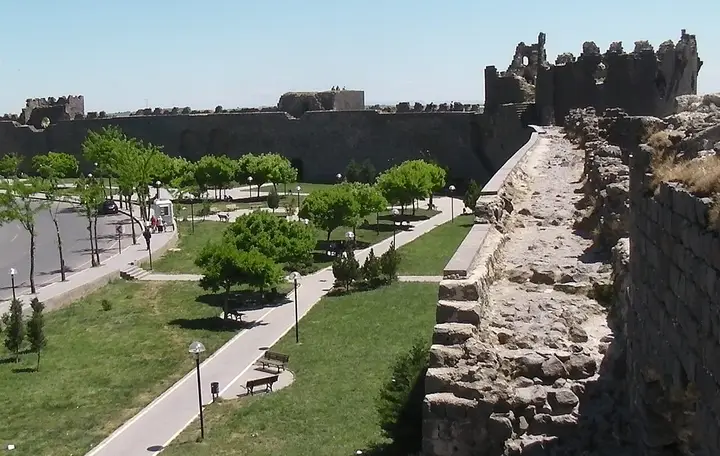
Diyarbakır stands on a basalt plateau on the west bank of the Tigris in Southeastern Anatolia. Known in antiquity as Amida, the city bears traces of the Assyrian, Persian, Roman, Sasanian, Byzantine, Arab, Marwanid, Artuqid, Aq Qoyunlu and Ottoman periods. The black basalt city walls, the symbol of the city, consist of two parts, the Inner Castle and the Outer Castle; the Dağ Kapı, Urfa Kapı, Mardin Kapı and Yeni Kapı are the main entrances. The walls, together with the Hevsel Gardens, about 700 hectares of farmland between the Tigris and the city, were added to the UNESCO World Heritage List in 2015 as the “Diyarbakır Fortress and Hevsel Gardens Cultural Landscape”.
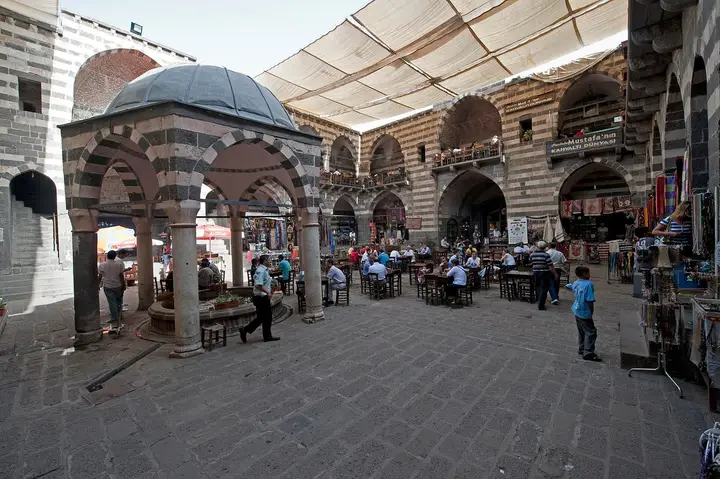
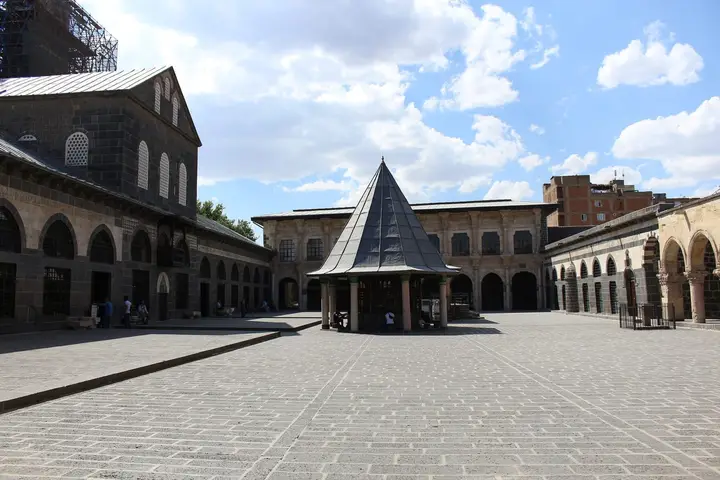
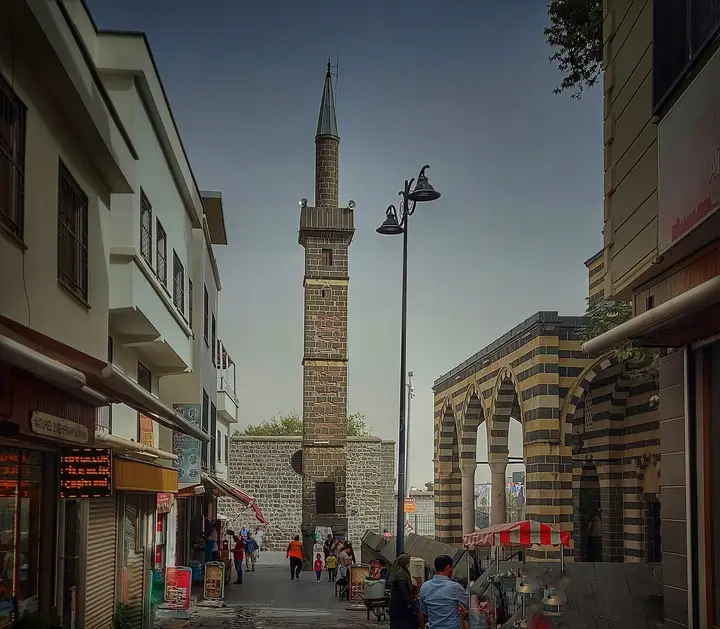
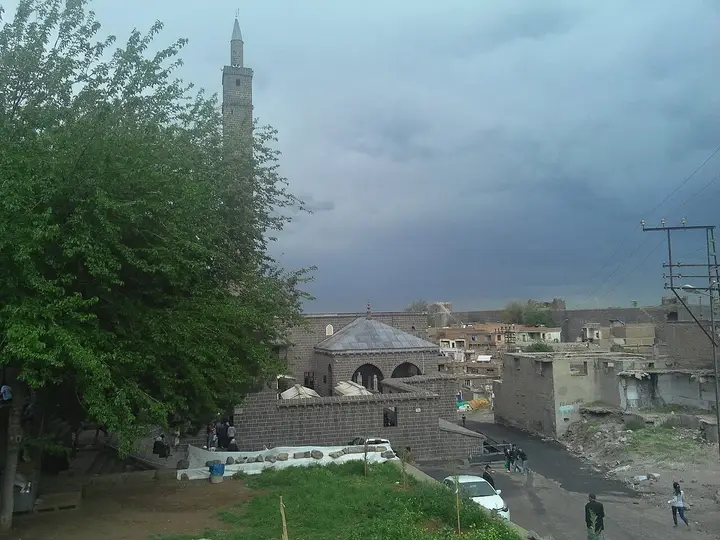
The Grand Mosque inside the walls was formed in 639 when the Arabs converted the city’s largest church into a mosque; it is considered the Anatolian counterpart of the Umayyad Mosque in Damascus, and its courtyard has a sundial made by Al-Jazari. The city preserves the Four-Legged Minaret from the Aq Qoyunlu period, the Hasan Paşa and Deliller caravanserais from the Ottoman period, and Surp Giragos, the largest church of the Armenian community in the Middle East.
Diyarbakır is also a city of literature: the poets Cahit Sıtkı Tarancı, Ahmed Arif and Süleyman Nazif, the thinker Ziya Gökalp (Ergani) and “the voice of Diyarbakır”, Celal Güzelses, were all born on this land. The walls were also damaged in the 2023 Kahramanmaraş earthquakes.
When to Go
Diyarbakır has very hot, dry summers and cold, wet winters. Averages for 1929–2025 from the Turkish State Meteorological Service:
| Month |
Avg. high |
Avg. low |
Rainfall |
Rainy days |
| January |
6.8 °C |
−2.2 °C |
68 mm |
12 |
| February |
9.3 °C |
−1.0 °C |
66 mm |
11 |
| March |
14.5 °C |
2.5 °C |
67 mm |
12 |
| April |
20.5 °C |
7.0 °C |
68 mm |
11 |
| May |
26.7 °C |
11.3 °C |
44 mm |
9 |
| June |
33.7 °C |
16.7 °C |
8 mm |
3 |
| July |
38.5 °C |
21.7 °C |
1 mm |
0 |
| August |
38.3 °C |
21.1 °C |
1 mm |
0 |
| September |
33.4 °C |
16.1 °C |
6 mm |
1 |
| October |
25.4 °C |
10.1 °C |
32 mm |
6 |
| November |
16.4 °C |
4.2 °C |
55 mm |
8 |
| December |
9.2 °C |
−0.1 °C |
70 mm |
11 |
The best periods are April–May and October. In July and August the average high exceeds 38 °C and the highest recorded value is 46.2 °C; explore the area inside the walls in the morning or late afternoon. In spring the Hevsel Gardens and the Tigris valley are at their greenest. August is the season of Diyarbakır watermelon.
How to Get to Diyarbakır
By air: Diyarbakır Airport is 11 km from the city centre; there are regular flights from Istanbul, Ankara and Izmir.
By train: The Southern Kurtalan Express, which departs from Ankara, passes through Diyarbakır.
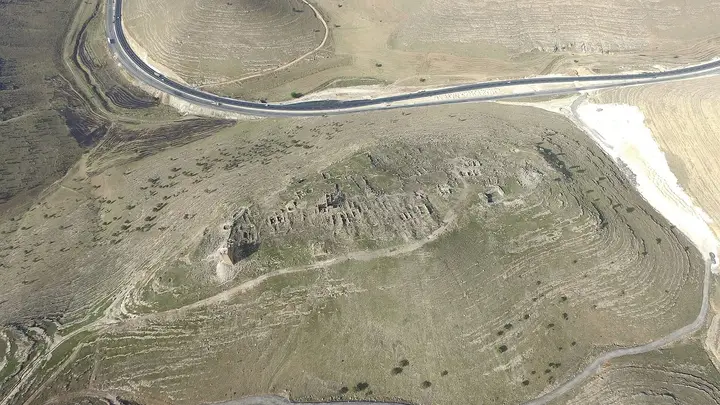
By road: Diyarbakır lies at the junction of roads linking Şanlıurfa, Mardin, Batman, Elazığ and Bingöl. Zerzevan Castle is at km 45 of the Diyarbakır–Mardin road.
Diyarbakır Area by Area
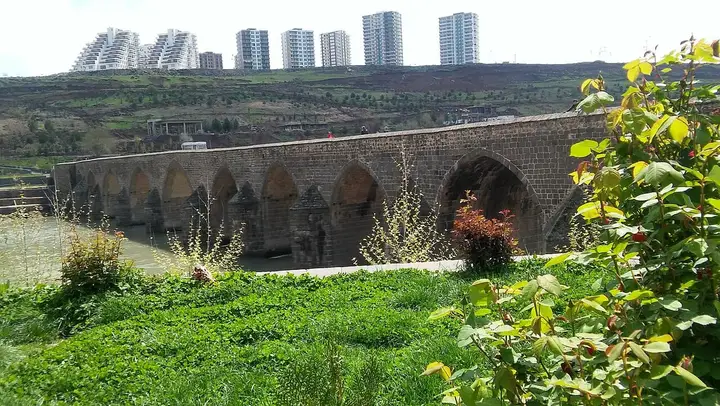
- Sur (historic centre): The walls and bastions, the museum complex in the Inner Castle, the Grand Mosque, the Hasan Paşa and Deliller caravanserais, the Four-Legged Minaret, Surp Giragos Church, the Cahit Sıtkı Tarancı Museum, the Ten-Eyed Bridge and the Hevsel Gardens.
- Çınar: Zerzevan Castle and the Mithras Temple.
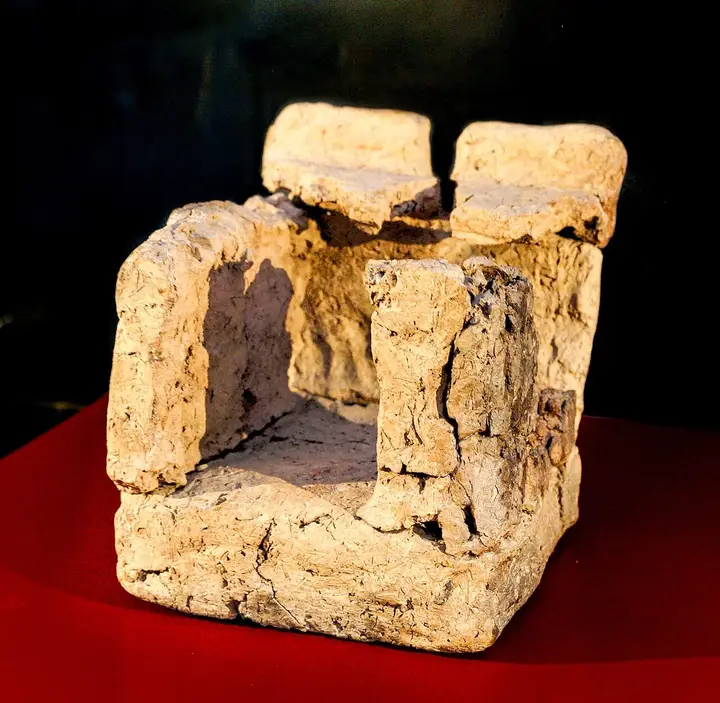
- Ergani: Neolithic Çayönü Mound and the home town of Ziya Gökalp.
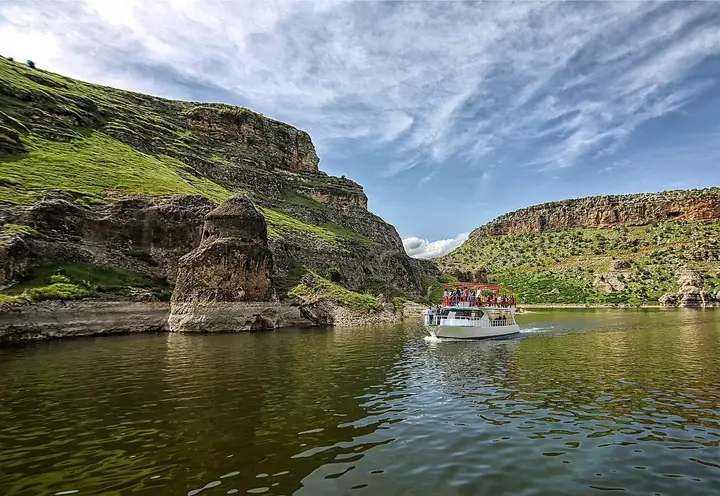
- Eğil: A castle on a hill overlooking the Tigris and rock-cut tombs; boat trips on the dam lake.
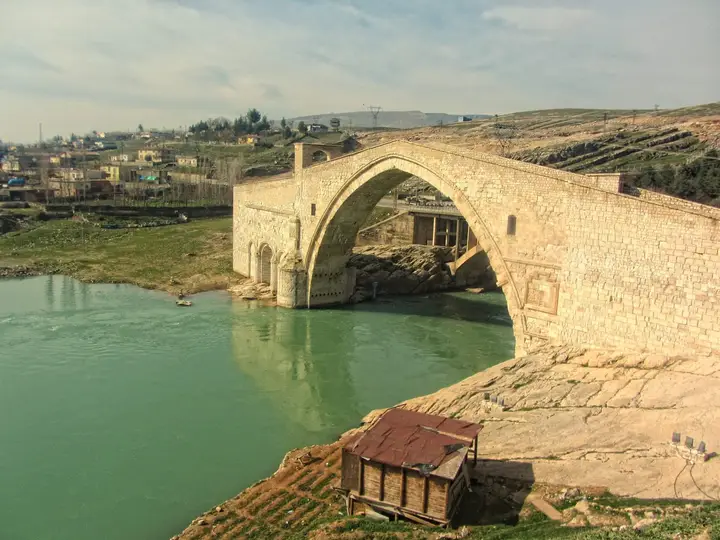
- Silvan: The Malabadi Bridge, an Artuqid work dated 1147.
- Çermik: Thermal hot springs.
Suggested Itineraries
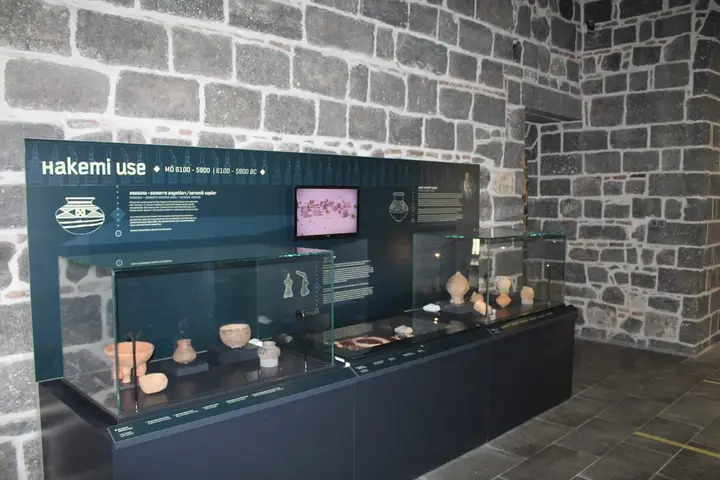
Day 1 — Inside the walls: In the morning climb the walls from Dağ Kapı, then visit the Archaeology Museum and the Hz. Süleyman Mosque in the Inner Castle; at midday, the Grand Mosque and breakfast or tea at Hasan Paşa Caravanserai. In the afternoon, the Four-Legged Minaret, Surp Giragos and the Cahit Sıtkı Tarancı Museum.
Day 2 — The Tigris and around: In the morning the Ten-Eyed Bridge and the Hevsel Gardens; in the afternoon Zerzevan Castle. The next day, a boat trip at Eğil or the Malabadi Bridge at Silvan.
Diyarbakır Cuisine
With 59 geographical indications registered with TÜRKPATENT, Diyarbakır is one of the provinces in Türkiye with the most registered flavours. The main ones are: Diyarbakır ciğer kebabı (lamb liver kebab), kaburga dolması (stuffed lamb ribs), içli köfte (stuffed bulgur dumplings), kuru dolma (dried-vegetable dolma), meftuneler (courgette, aubergine, broad bean), duvaklı pilav (rice dish topped with pastry), lebeni (yoghurt soup), Kürt Mustafa çorbası (Kürt Mustafa soup), burma kadayıf (twisted kadayıf), badem ezmesi (lebzüniye) (almond paste), örgü peyniri (braided cheese), Diyarbakır çakıl ekmeği (pebble-baked bread) and Diyarbakır karpuzu (Diyarbakır watermelon). In addition, Karacadağ pirinci (Karacadağ rice), Çermik biberi (Çermik pepper), Diyarbakır boğazkere üzümü (Boğazkere grapes) and the handicraft Diyarbakır hasır bileziği (straw bracelet) are registered.
Practical Tips
- The spread-style breakfast rooms at Hasan Paşa Caravanserai are very crowded, especially on weekend mornings.
- Some sections of the walls are under repair after the 2023 earthquakes; ask which parts are open before climbing the bastions.
- Ciğer kebabı is traditionally eaten for breakfast as well.