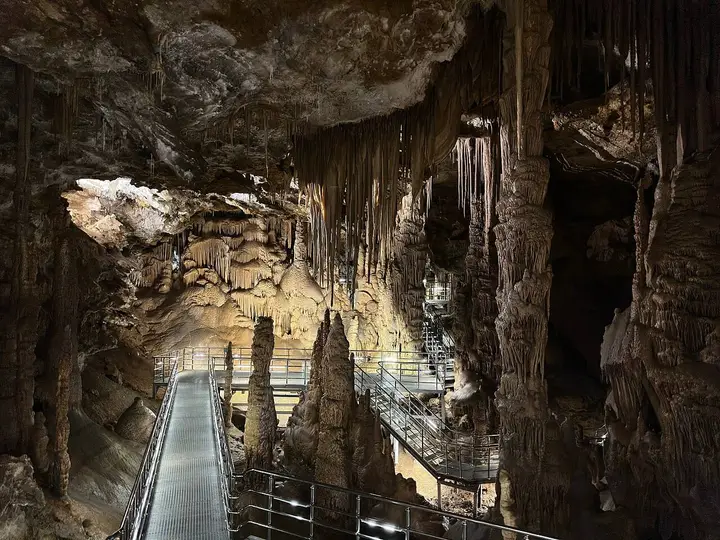
Karaca Cave
A cave within the boundaries of Merkez district, known for its dripstone formations.
View on map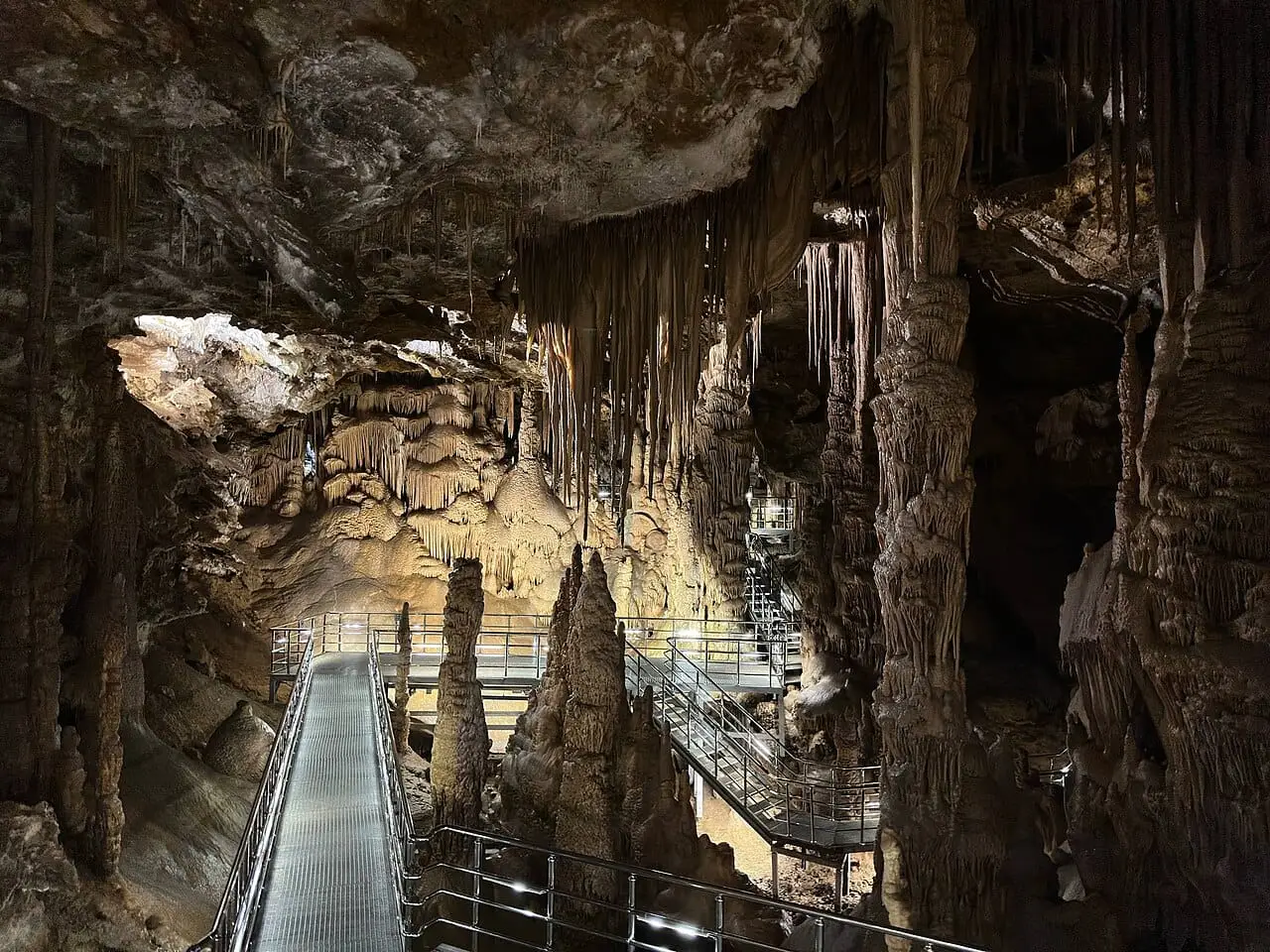
6 places to visit in the central district of Gümüşhane: Karaca Cave, Gümüşhane Castle and Old Gümüşhane (Süleymaniye). Plan your trip with local food, practical tips and transport information.
Gümüşhane lies in the inner part of the Eastern Black Sea Mountains, in a valley about 1,150 metres above sea level. The district, with an area of 1,889 km² and a population of 54,697, lies at an altitude of 1,174 metres.
Between the 16th and 19th centuries, mining activity in the region was the livelihood of the city and its surroundings.
Gümüşhane has 80 monasteries and churches and 24 chapels. It has 16 historic castles, most of which are positioned above passes and settlements.
Last updated:
A cave within the boundaries of Merkez district, known for its dripstone formations.
View on mapA castle on a hill overlooking the city centre, known for its Byzantine-period remains. From the castle, the Harşit Stream valley and the panoramic view of the city can be seen.
View on mapThe ruins of the old city, the centre of silver mining in the Ottoman period, are a historic open-air museum with the remains of a mosque, hammam and mansions. They bear traces of 16th–18th century Ottoman architecture.
View on map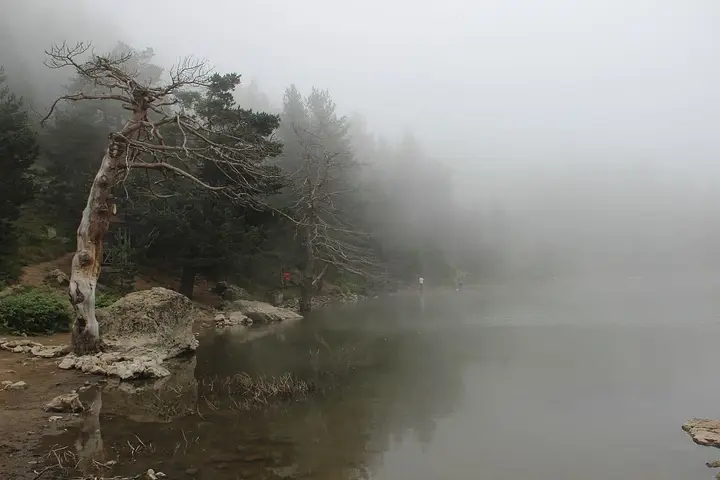 Photo: Hamdigumus (CC BY-SA 4.0) · Source
 Limni Lake lies at an altitude of 1,900 metres above sea level. It is a volcanic crater lake surrounded by pine forests. The area, which has nature park status, is suitable for picnics and nature photography.
View on mapWithin the boundaries of Esenyurt (Kov) village, a castle estimated to have been built in 1361, now restored.
View on mapWithin the boundaries of Olucak village, a monastery built in 1350 according to its inscription.
View on mapMade by filling thin yufka with minced meat or potato, rolling it and baking it. Served with yoghurt and a butter sauce, siron is the signature flavour of Gümüşhane.
Made by boiling mulberry or grape juice and drying it in thin layers, pestil is a protected geographical indication product of Gümüşhane.
Köme, made by dipping strings of walnuts or hazelnuts in a grape-molasses mixture and drying them, is together with pestil the best-known sweet of Gümüşhane.
Thin dough spread with minced meat, onion and spices and baked in a stone oven. It is one of the traditional flavours of Gümüşhane.
Prepared with lamb and quince, this dish is among the distinctive flavours of Gümüşhane.
Gümüşhane takes its name from the rich silver mines of the region during the Ottoman period. A major mining centre in the 16th–18th centuries, the city keeps this heritage alive through its museum and the remains of its old town.
The Pestil and Köme Festival, held every year, hosts cultural events to promote Gümüşhane's traditional products.
Gümüşhane Merkez is the administrative and commercial centre of the province. Pestil and köme production, agriculture and livestock are the main economic activities. Karaca Cave and nature tourism are among the sources of income. Gümüşhane University contributes to the education sector.
Gümüşhane is 100 km from Trabzon and 200 km from Erzurum. It lies on the Trabzon–Erzurum road (E97). Trabzon Airport is about 110 km away.
The six highlights in Gümüşhane Merkez are Karaca Cave, Gümüşhane Castle, Old Gümüşhane (Süleymaniye), Limni Lake Nature Park, Kov Castle (Esenyurt Village) and İmera Monastery.
Siron (Gümüşhane Mantısı), Pestil, Köme and Etli Ekmek are the standout foods on Gümüşhane Merkez's tables.
Gümüşhane Merkez is known for Gümüşhane Pestili and its silver mining heritage. Pestil made from mulberry or grape juice is a protected geographical indication product of Gümüşhane, and has been produced by traditional methods for centuries.
Gümüşhane is 100 km from Trabzon and 200 km from Erzurum. It lies on the Trabzon–Erzurum road (E97). Trabzon Airport is about 110 km away.