Satala (Sadak) Ancient City
In the ancient city near Sadak village, to the south-east of Kelkit, the Roman XV Apollinaris Legion was stationed.
View on map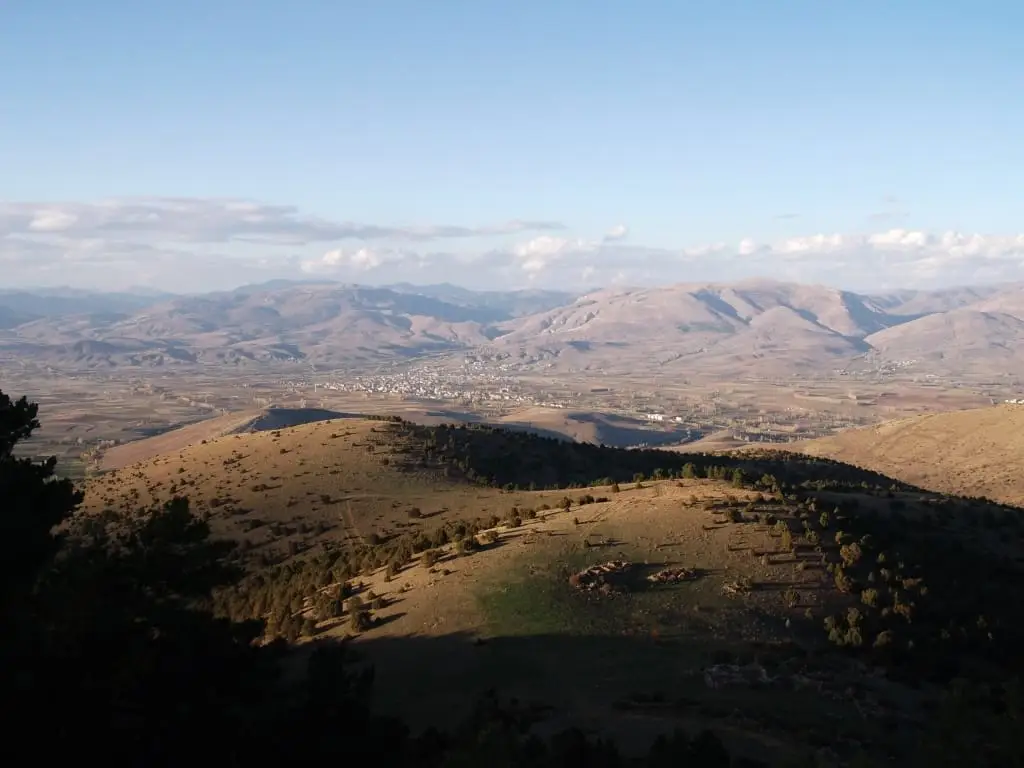 Photo: Sinan Şahin (CC BY 3.0) · Source
 3 places to visit in the Kelkit district of Gümüşhane: Satala (Sadak) Ancient City, Kelkit Valley and Kelkit Plateaus. Plan your trip to Kelkit with local food, practical tips and transport information.
Kelkit is the largest district of Gümüşhane by area, and it makes up around 27% of the province’s population. The name Kelkit may derive from the words Kra-ka, meaning “Luvian Kar-ka” and “Peak Place”.
Research within the boundaries of Kelkit has found pottery fragments dating to the Late Bronze Age, extending the settlement history back to around 3000 BC. The Satala ancient city was an important frontier town and military base in the Roman period, where the XV Apollinaris Legion of the Roman army was stationed. Kelkit and its surroundings changed hands several times between the Byzantines and the Umayyads, and between the Byzantines and the Abbasids. The Anatolian Seljuks took the region in 1058, and Seljuk rule began after the Battle of Manzikert.
Under Ottoman rule, Kelkit appears as a kaza of the Sancak of Bayburt. In the 1516 tahrir register, Kelkit kaza recorded 128 villages and 36 mezra, but because of the wars in the region, only 56 of them show settlement.
Satala became a military base during the Roman period, where the XV Apollinaris Legion was stationed. The Anatolian Seljuks took the region in 1058. The 1516 tahrir recorded 128 villages and 36 mezra in Kelkit kaza. Kelkit became a kaza in 1840, and its population grew considerably once it became the centre.
Last updated:
In the ancient city near Sadak village, to the south-east of Kelkit, the Roman XV Apollinaris Legion was stationed.
View on map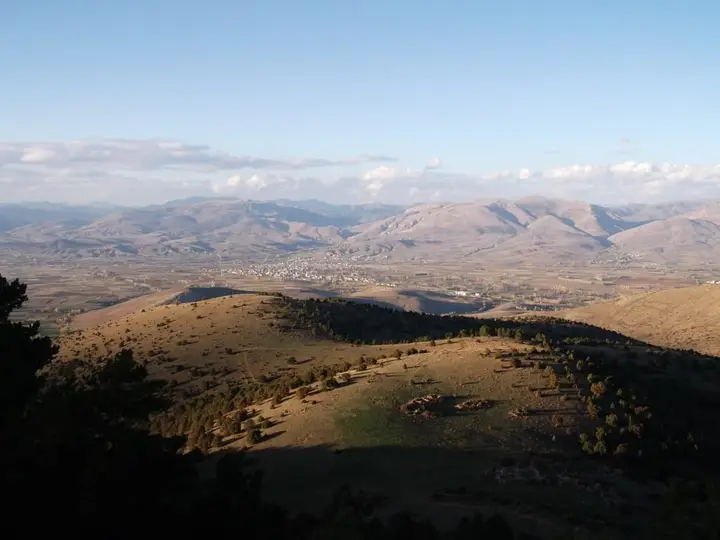 Photo: Sinan Şahin (CC BY 3.0) · Source
 The valley formed by the Kelkit River, a landscape of historical importance.
View on mapThe highland pastures in the upper parts of the district are favoured for camping and nature tourism in summer for their cool air and wide meadows.
View on mapWhile you are in Kelkit, you can also see the highlights of Gümüşhane province. These places are in other districts; Kelkit is about 65 km from the provincial centre.
A dried bean grown in Kelkit, Şiran and Köse districts, which received a protected designation of origin from TÜRKPATENT in 2020. Because of the pink spot on its white seeds it is also called "pembegöz" among the people. It is harvested in autumn and served as a dried bean in local restaurants and at home.
According to local guides, kavurma is served in the restaurants of the Kelkit bazaar at around 16.00–17.00 and sells out quickly. Eating it as a hot sandwich is a known custom in the area.
Named by Gümüşhane guides alongside kavurma among Kelkit's leading meat dishes. It is found in restaurants in the bazaar.
Made by filling thin yufka with minced meat or potato, rolling it and baking it. It is a traditional flavour of Kelkit.
Pestil made from mulberry or grape juice and köme with walnuts are the best-known sweets of Kelkit.
Made by boiling and pounding wheat and meat for a long time, keşkek is an essential dish at weddings and festive meals. Prepared in a communal spirit, it is a must at wedding tables.
The ancient city of Satala in Kelkit was one of the most important military bases on the eastern frontier of the Roman Empire. The XV Apollinaris Legion was stationed there.
Kelkit is the most populous district of Gümüşhane and has a rich cultural heritage of traditional wedding customs, folk dances and local handicrafts.
Kelkit is the largest district of Gümüşhane. Agriculture and livestock form the basis of the economy. Wheat, barley and sugar beet production are the main sources of income. Pestil production is also an important economic activity.
Kelkit is 65 km from Gümüşhane provincial centre and lies on the Erzincan–Gümüşhane road. Trabzon Airport is about 170 km away.
The three highlights in Kelkit are Satala (Sadak) Ancient City, Kelkit Valley and Kelkit Plateaus.
Kelkit Şeker Fasulyesi, Kelkit Kavurması, Kelkit Döneri, Siron, Pestil and Köme, and Keşkek are the standout foods on Kelkit's tables.
Kelkit is known for its Kelkit Şeker Fasulyesi, which holds a protected designation of origin, for Kelkit Ketesi and kavurma, and for the Roman-era ancient city of Satala.
Kelkit is 65 km from Gümüşhane provincial centre and lies on the Erzincan–Gümüşhane road. Trabzon Airport is about 170 km away.
Suggested visit length: 1 day. Best time to visit: summer months (June–September).