Tavşanlı Castle
Castle on the hill in the town centre, built in the Byzantine period and used in the Ottoman period. Views of the Tavşanlı plain can be seen from around the castle.
View on map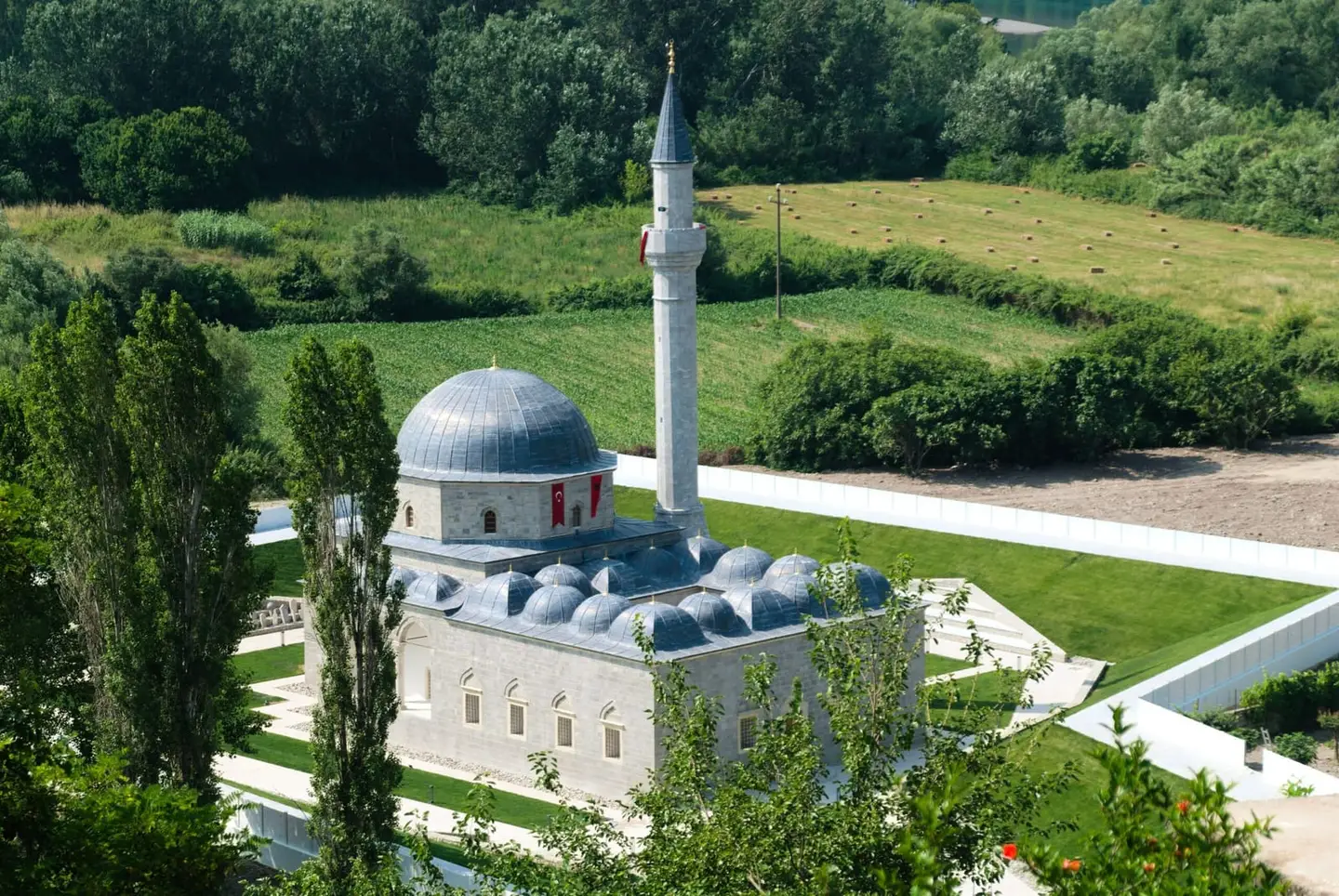 Photo: Wikipedia (CC BY-SA) · Source
 7 places to visit in the Tavşanlı district of Kütahya: Tavşanlı Castle, Kurşunlu Mosque and Tunçbilek Thermal Power Plant Pond. Plan your trip to Tavşanlı with local food, practical tips and transport information.
Tavşanlı is a district of Kütahya province, located in a mountainous area at the source of the Adronos River. The district covers 1,899 km², lies at an altitude of 827 m and has a population of 100,882. It is 50 km from Kütahya’s centre, lies on the İzmir railway line and has road connections to Bursa, Emet and Balıkesir.
The district, called Harguş in the 13th and 14th centuries, has been recorded as Tavşanlı since the 14th century. Finds from various parts of Tavşanlı show that its history began in the Copper Age. In 1378, when Devlet Hatun, daughter of Germiyanoğlu Süleyman Şah, married Yıldırım Beyazıt, the area was given to the Ottomans as her dowry.
Tavşanlı is famous for its roasted chickpeas, and most houses have a roasted chickpea workshop underneath. Tavşanlı’s first encounter with coal began in 1940, when lignite was extracted from mines in the Tunçbilek basin, 12 km from the Tavşanlı town centre.
The municipal authority in Tavşanlı was established in 1885. A railway line opened in Tavşanlı in 1928, and the Garp Linyitleri İşletmesi (Garp Lignite Enterprise) began operating in 1940.
Last updated:
Castle on the hill in the town centre, built in the Byzantine period and used in the Ottoman period. Views of the Tavşanlı plain can be seen from around the castle.
View on map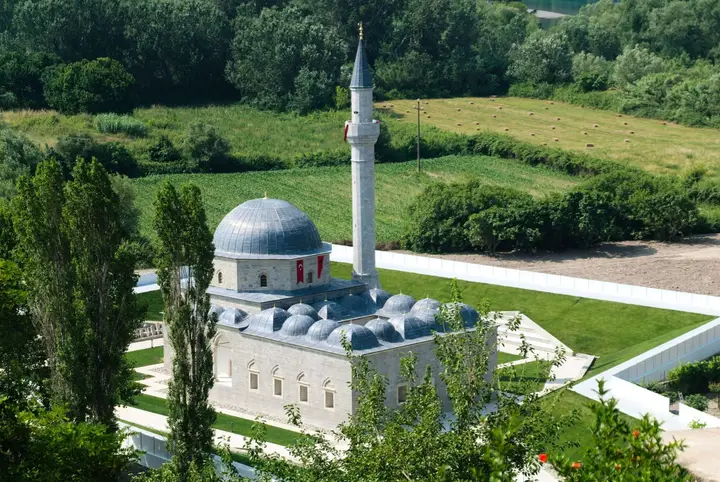 Photo: Wikipedia (CC BY-SA) · Source
 Mosque built in the 16th century in the Ottoman period, named after its lead-covered dome. It is one of the region's important examples of classical Ottoman architecture.
View on mapThe pond near Tavşanlı is a picnic and nature walk area with green spaces around it.
View on mapTomb in the Tavşanlı town centre, on Mülayim Hill. The hill is used as a recreation area.
View on mapGrand Mosque in the Tavşanlı district centre, covered by a large central dome and half-domes.
View on mapMunicipal museum displaying the ethnographic and archaeological finds of the region.
View on mapWhile you are in Tavşanlı, you can also see the highlights of Kütahya province. These places are in other districts; Tavşanlı is about 50 km from the provincial centre.
Dumplings made from small pieces of dough filled with minced meat, also prepared in Tavşanlı using traditional methods.
A traditional sweet made with cheese, flour and sugar, served at weddings and festive meals in Tavşanlı.
Since the Republic, Tavşanlı has been the centre of lignite mining. The Tunçbilek and Seyitömer mines have shaped the district's economic and cultural identity.
Tavşanlı is the largest district in Kütahya. Its economy is based on mining, agriculture and industry. Lignite coal and the thermal power plant are important sources of income. The Tavşanlı campus of Kütahya Dumlupınar University is located in the district.
Tavşanlı is 50 km from the Kütahya provincial centre. It lies on the Kütahya–Bursa road.
The top 7 places in Tavşanlı: Tavşanlı Castle, Kurşunlu Mosque, Tunçbilek Thermal Power Plant Pond, Dedebali Tomb, Tavşanlı Grand Mosque, Tavşanlı Municipal Museum and Göbel Hot Spring.
Kütahya Mantısı and Höşmerim are the standout dishes on Tavşanlı tables.
Tavşanlı is known for Tavşanlı Güveci and its Mining Culture. Tavşanlı Güveci is also a product registered with TÜRKPATENT as a protected geographical indication.
Tavşanlı is 50 km from the Kütahya provincial centre. It lies on the Kütahya–Bursa road.
Recommended visit: half a day. Best time to visit: spring and autumn months.