Kütahya Castle
The castle on the hill in the city centre was built in the Byzantine period and repaired in the Ottoman period. It offers panoramic views of central Kütahya.
View on map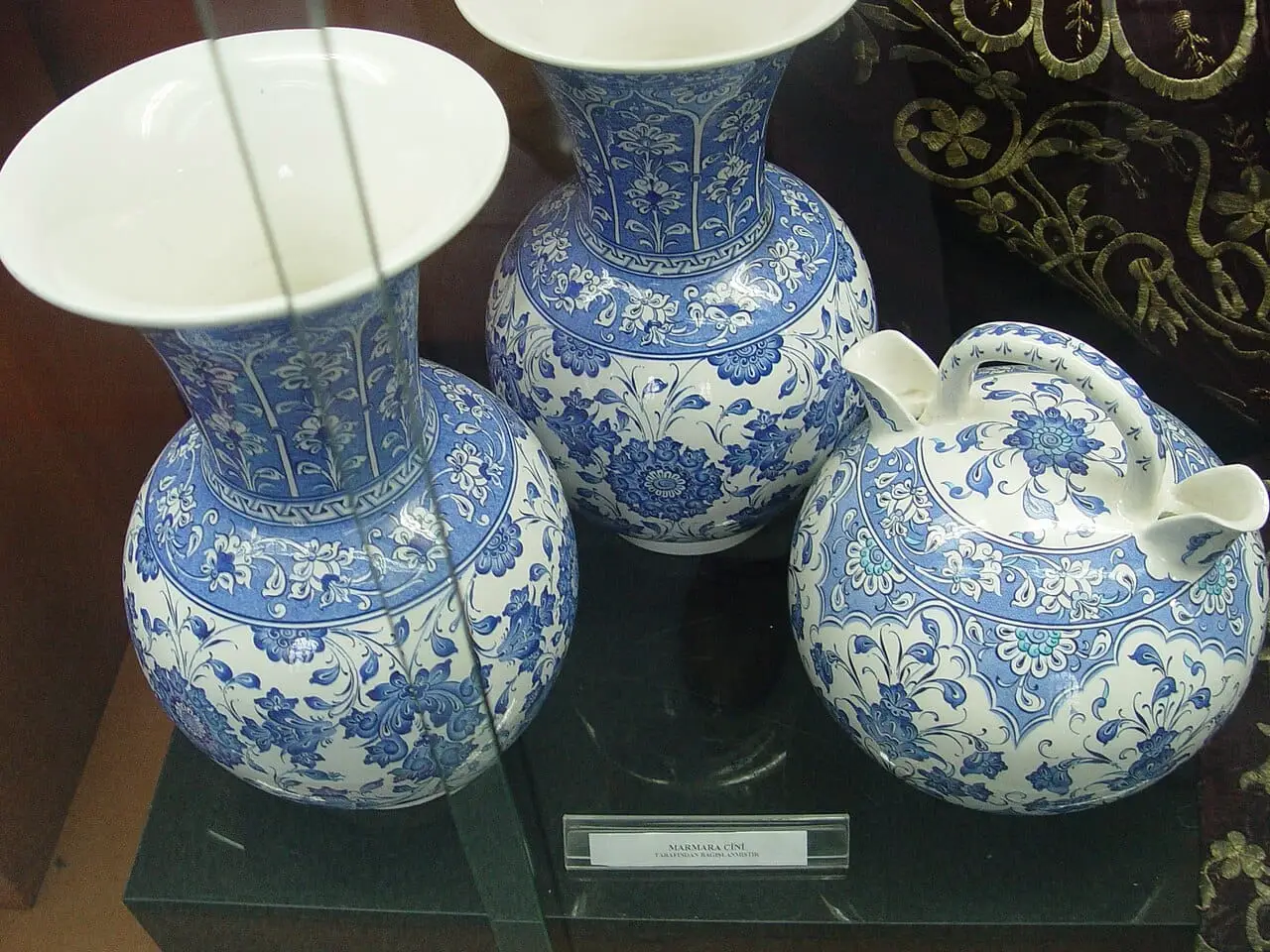 Photo: Dosseman (CC BY-SA 4.0) · Source
 9 places to visit in the central district of Kütahya: Kütahya Castle, Kütahya Tile Museum and Kossuth House Museum. Plan your trip with local food, practical tips and transport information.
Kütahya lies in the valley of the Porsuk River in Inner Western Anatolia. In antiquity, when the city was in the Phrygian region, it was called Kotiaion. It became the capital of the Germiyanid Principality in the 14th century and joined the Ottomans in 1429.
From the 17th century, as İznik declined, Kütahya became the Ottoman Empire’s most important centre of tile and ceramics.
Lajos Kossuth, leader of the 1849 Hungarian Revolution, lived in exile in Kütahya in 1850–1851. The Battles of Kütahya–Eskişehir were fought on these lands during the War of Independence.
Kütahya has a continental climate, with cold, snowy winters and warm, dry summers.
In antiquity, Kütahya was known by the names Kotiaeon, Cotiaeum and Koti. In 1381 Kütahya and its surroundings were given to the Ottomans as a dowry, and Yıldırım Bayezid served as governor here. The Hungarians, led by Lajos Kossuth, stayed in Kütahya until 1851. After the Second Constitutional Era, Kütahya became an independent sanjak. It remained under occupation until the Great Offensive and was liberated on 30 August 1922.
Last updated:
The castle on the hill in the city centre was built in the Byzantine period and repaired in the Ottoman period. It offers panoramic views of central Kütahya.
View on map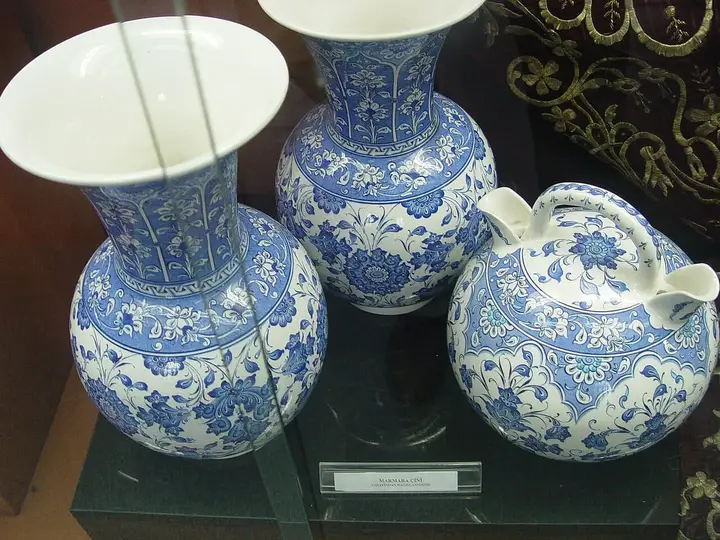 Photo: Dosseman (CC BY-SA 4.0) · Source
 The museum in the Vacidiye Madrasa displays the finest examples of Kütahya tilework from the Ottoman period to the present. Tiles and ceramic works produced from the 14th century onwards are displayed in chronological order.
View on map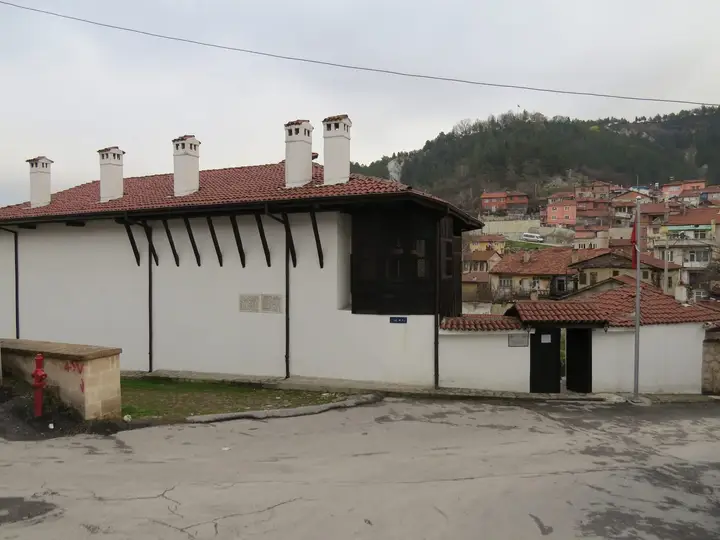 Photo: Wikipedia (CC BY-SA) · Source
 The house where Lajos Kossuth, leader of the 1849 Hungarian Revolution, stayed in exile in 1850–1851, has been converted into a museum. The building, a symbol of Turkish-Hungarian friendship, displays Kossuth's personal belongings and documents from the period.
View on mapBuilt in 1410 under the Germiyanids, this is Kütahya's oldest and largest mosque. It is notable for its wooden ceiling decorations and tiled mihrab.
View on mapThe city's archaeology museum holds a coin that bears the ancient name of the city.
View on mapDumplings made from small pieces of dough filled with minced meat, served with yoghurt and buttered sauce. It is Kütahya's best-known dish.
Lamb cooked with vegetables in a clay pot, a dish unique to Kütahya.
A traditional sweet made with cheese, flour and sugar, one of Kütahya's distinctive flavours.
With its centuries-old tradition of tile and ceramic production, Kütahya is one of Türkiye's most important centres of handicrafts. Production using traditional techniques continues in workshops around the city.
The Germiyanid Principality, which made Kütahya its capital in the 14th century, gave the city important structures including mosques, madrasas and hammams.
Kütahya's economy is based on tile and ceramic production, mining, agriculture and industry. Boron ore and lignite coal are important underground resources. Porcelain and ceramics factories operate in the organised industrial zones.
Kütahya is 320 km from Istanbul and 315 km from Ankara. Zafer Airport, shared by Kütahya, Afyon and Uşak, is 40 km away. Intercity bus and train connections are available.
The top 9 places in Kütahya Merkez: Kütahya Castle, Kütahya Tile Museum, Kossuth House Museum, Grand Mosque, Kütahya Grand Mosque, Germiyan Street, Tile Vase, Kütahya Archaeology Museum and Historic Government House.
Kütahya Mantısı, Çini Kebabı and Höşmerim are the standout dishes on Kütahya Merkez tables.
Kütahya Merkez is known for Kütahya tilework and its tile art tradition. Kütahya has been known as a centre of tile production since the Ottoman period, and its handmade tile plates, vases and wall tiles are world-famous.
Kütahya is 320 km from Istanbul and 315 km from Ankara. Zafer Airport, shared by Kütahya, Afyon and Uşak, is 40 km away. Intercity bus and train connections are available.