Kurtalan Station
The station at the end of the Haydarpaşa–Kurtalan railway line is an important infrastructure element of the district centre.
View on map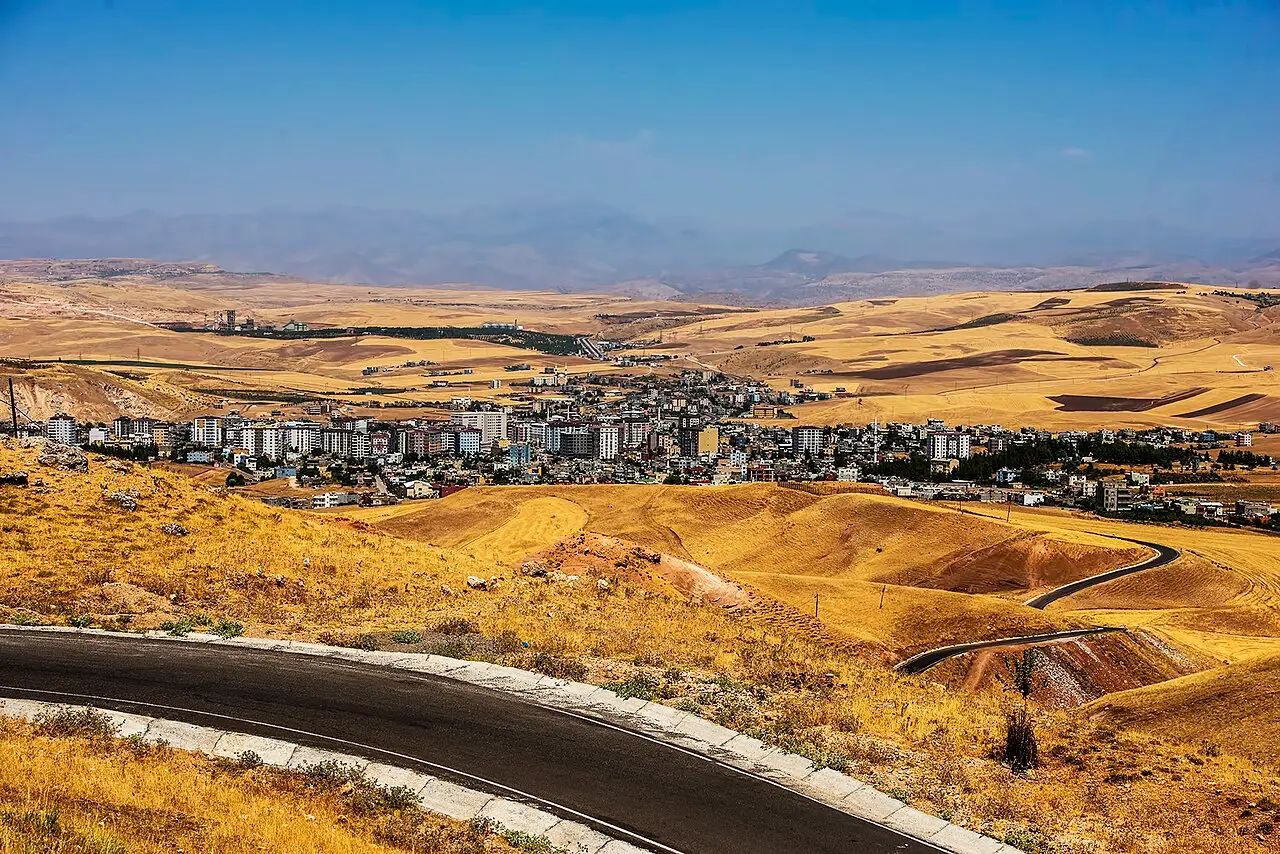 Photo: Dûrzan Cîrano (CC BY-SA 4.0) · Source
 7 places to visit in the Kurtalan district of Siirt: Kurtalan Station, Erzen and Zokarno. Plan your trip to Kurtalan with local food, practical tips and transport information.
Kurtalan is a district of Siirt province in the Dicle section of the Southeastern Anatolia Region. Located on the road linking Siirt city centre with Batman and Diyarbakır, the district is the last station on the Haydarpaşa–Kurtalan railway line.
It is believed to have been founded about 150 years ago by members of the Malâ Faro tribe, who lived at the Gedikbaşı (Batasê) hamlet of Oyacık (Teylan) village.
In historical, cultural and sociological terms, Kurtalan is a fine city of Mesopotamia, the cradle of civilisation, and its people are praised for their hospitality. The district’s traditions and customs are inspired by the culture common in the region. Kurtalan kilims, dyed with natural roots, are famous.
To the east of Kurtalan lies Siirt Central district, to the west Beşiri district, to the south-west Hasankeyf district and to the north Baykan district. The land is mostly undulating and rugged, with bare ridges and valleys and, in places, wide plains. The Garzan River and its tributaries, which rise in the Sason Mountains, form broad valleys suitable for irrigated farming. To the south stand Dilek Hill (Kozdağ), at 1,530 metres, and Garzan Mountain, at 1,050 metres.
Summers are hot and dry, and winters are relatively mild, with most rainfall falling in spring. Of the population, 38,165 live in the district centre and the remaining 24,068 live in villages and towns, and the village population is steadily declining.
Kurtalan has more than 100 schools and educational facilities, including 69 primary schools, 24 middle schools, 8 high schools and 1 college. Kurtalan Vocational School operates under Siirt University.
According to one source, around 1500 Kurtalan was within the lands of the Şerefhan Principality and later came under Ottoman rule. Kurtalan was one of the old districts of Siirt under the name Garzan. In 1938, by law, the district’s name was changed to Kurtalan and its seat was set at Mısrıç village. The Kurtalan Express made its first journey on 29 October 1944. The mound at Çayırlı village was settled in the Chalcolithic Age and is still inhabited today. Kurtalan kilims are known for their natural root dyes.
Last updated:
The station at the end of the Haydarpaşa–Kurtalan railway line is an important infrastructure element of the district centre.
View on mapMentioned in historical sources as one of the settlement remains of ancient civilisations in the district's territory.
View on mapOne of the settlement remains of ancient civilisations in the district's territory, with historical significance.
View on mapAn archaeological site covering a wide area between Bozhöyük and Gökdoğan villages in Kurtalan. Research has revealed evidence that it was among Siirt's earliest settlements.
View on mapA river formed by branches flowing down from the southern slopes of the Sason Mountains. After irrigating part of the land in Kurtalan, it joins the Tigris River near Kaşüstü (Hendük) village.
View on mapA main at-grade railway station owned by TCDD, located in Sümer Quarter of Kurtalan district in Siirt. It lies on the Fevzipaşa–Yolçatı–Kurtalan railway line and entered service on 29 October 1944.
View on mapWhile you are in Kurtalan, you can also see the highlights of Siirt province. These places are in other districts; Kurtalan is about 30 km from the provincial centre.
Prepared by slow-cooking lamb in a tandır oven for a long time, büryan kebabı is also served in Kurtalan with the traditional recipe.
Rice wrapped in yufka pastry and prepared with chicken and almonds. Prepared from recipes passed down through generations, this dish is an important part of the region's culinary culture. Prepared by local people on special occasions, it is a symbol of hospitality.
Kurtalan is known for the easternmost railway station in Türkiye. Being the last stop of the Southern Express gives the district historic importance.
Kurtalan's economy is based on agriculture, livestock farming and trade. Wheat, barley and pistachios are the main agricultural products. The railway connection gives an advantage for trade.
Kurtalan is 30 km from Siirt city centre. It is the last stop of the Southern Express railway line. The D-975 highway passes through the district.
The 7 highlighted places in Kurtalan are: Kurtalan Station, Erzen, Zokarno, Erzen Archaeological Site, Dilek Hill, Garzan River and Kurtalan Railway Station.
Büryan Kebabı and Perde Pilavı are the standout flavours on Kurtalan's tables.
Kurtalan is known for Siirt Fıstığı and Railway Heritage. Siirt pistachio, grown around Kurtalan, is known for its small size and intense aroma.
Kurtalan is 30 km from Siirt city centre. It is the last stop of the Southern Express railway line. The D-975 highway passes through the district.
Suggested visit length: half a day. Best time to visit: spring and autumn.